By Nancy Baker | Communications Director
Since our last report, we are pleased to announce that INMED has implemented the INMED Aquaponics® Social Enterprise in Jamaica and Peru--in addition to expanding the impact in South Africa.
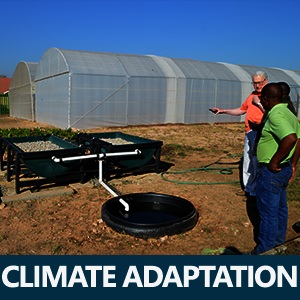
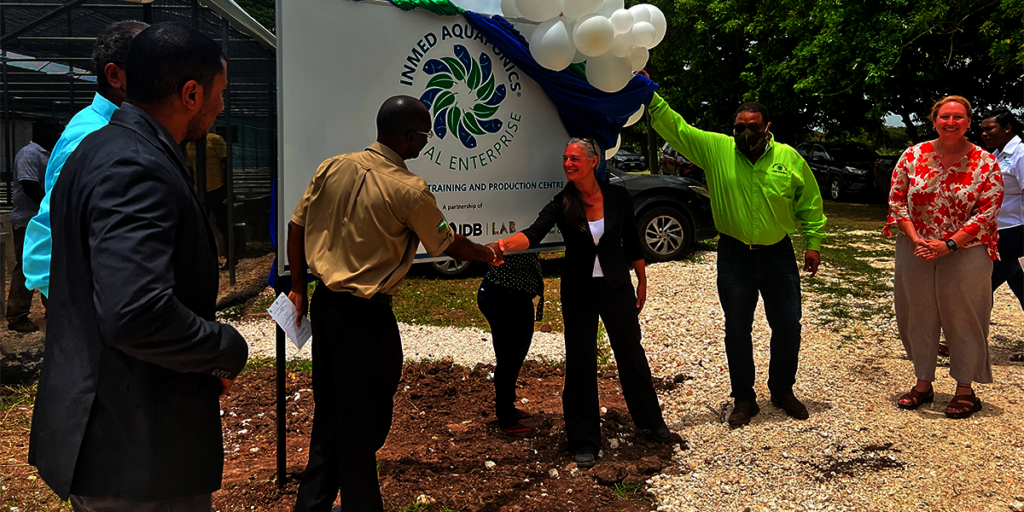
INMED Caribbean, in partnership with the Jamaica 4-H Clubs and INMED Partnerships for Children, launched the first INMED Aquaponics® Social Enterprise (INMED ASE) hub farm and training center in the Caribbean. Located at the Jamaica 4-H Clubs' Training and Production Centre in Vernamfield, Clarendon, the INMED ASE will provide training and support to help smallholder farmers and emerging entrepreneurs establish agro-enterprises throughout the island for food security, climate adaptation and sustainable livelihoods. The INMED ASE hub farm will also help support aquaponics farmers in five communities of Clarendon, where INMED implemented systems to foster climate change adaptation.
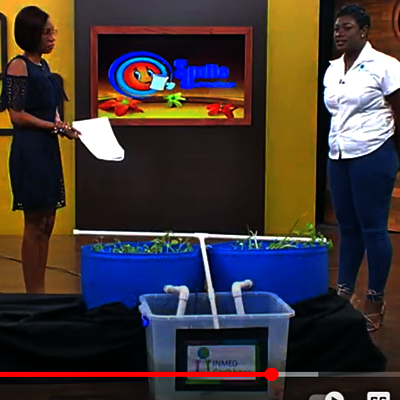
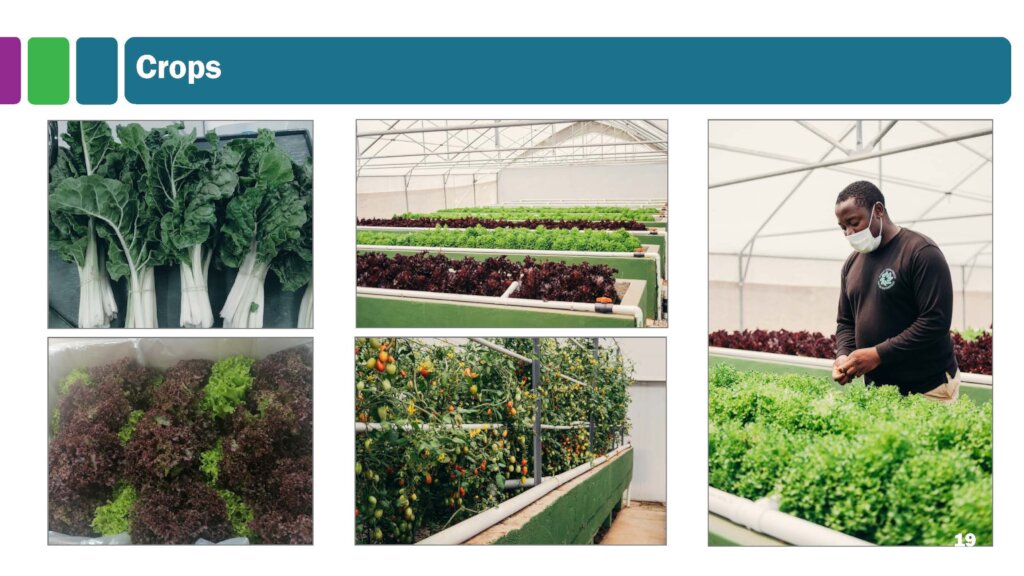
The INMED ASE hub farm includes a commercial-size aquaponics system with 93 m2 of grow space for fresh vegetables and fruits and nearly 20,000 liters of tank space for fish. It also has the capacity to generate and process approximately 10 tons of ready-for-market produce annually while operating on solar power. A second “starter” (residential size) system at the Jamaica 4-H Clubs Duke Street office in Kingston is focusing on urban farming and adaptive agriculture training.
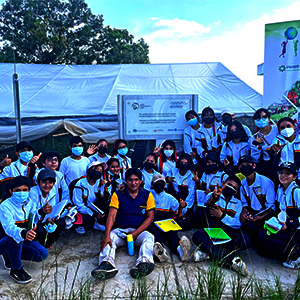
In Peru, our INMED Aquaponics® system at the Instituto Superior Pedagógico Bilingüe de Yarinacocha (Bilingüe) is back in operation and better than ever after a fire in late 2020. And it's now the site of INMED Andes' first INMED ASE in Peru.
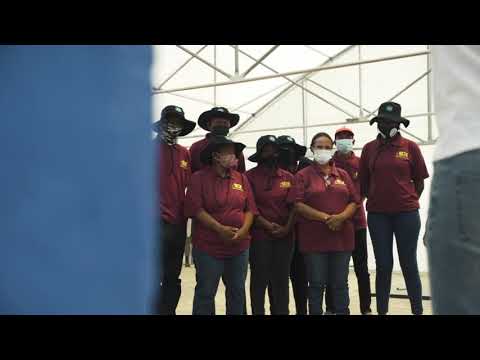
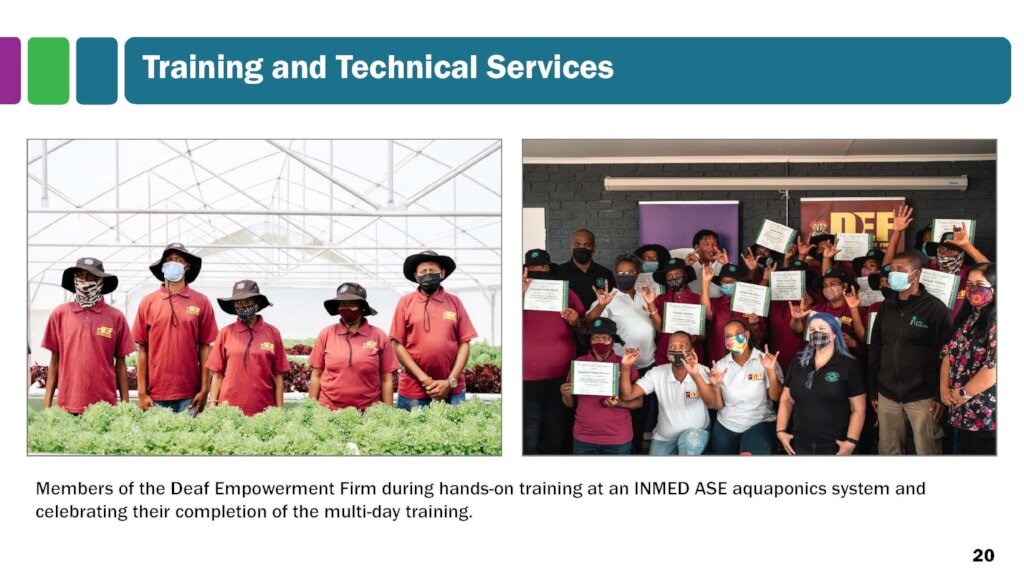
Located deep in the Peruvian Amazon, the commercial-scale facility has increased production capacity with upgraded growbeds, fish tanks and solar power. Members of the surrounding indigenous community as well as students of the indigenous teacher training institute are receiving classroom and hands-on training in climate-smart agriculture, aquaponics and entrepreneurship. The teachers who return to their indigenous communities will provide aquaponics training and implementation to scale the impact.
Our INMED field teams and program participants around the world are grateful for your support and ongoing interest. If you haven't done so already, please consider becoming a sustaining donor to help us expand our impact.
Links:
By Nancy Baker | Communications Director
Project reports on GlobalGiving are posted directly to globalgiving.org by Project Leaders as they are completed, generally every 3-4 months. To protect the integrity of these documents, GlobalGiving does not alter them; therefore you may find some language or formatting issues.
If you donate to this project or have donated to this project, you can receive an email when this project posts a report. You can also subscribe for reports without donating.