By Esther Adaba | Project Leader
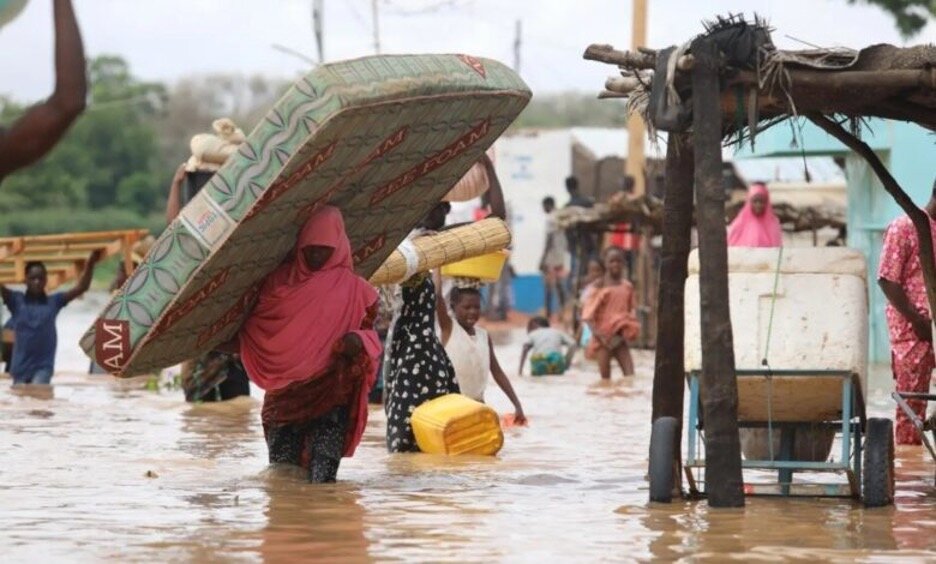
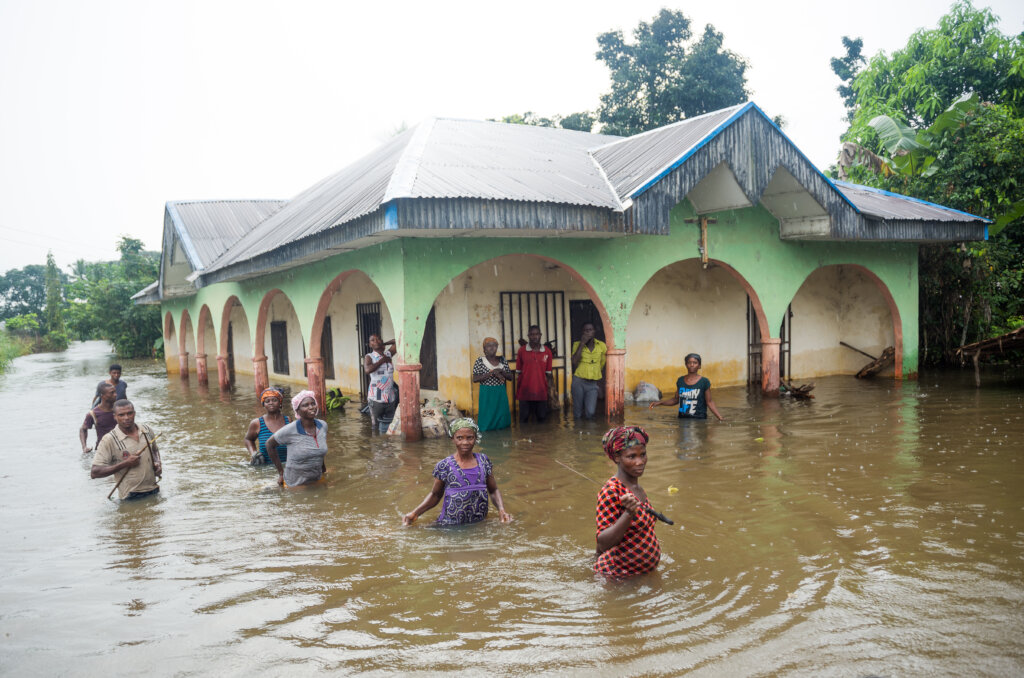
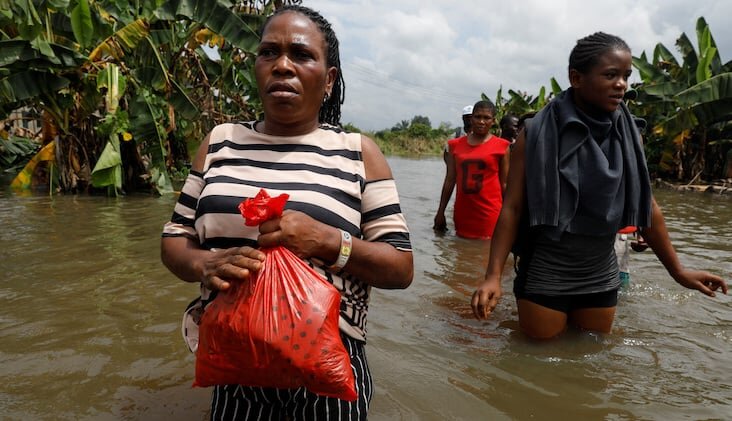
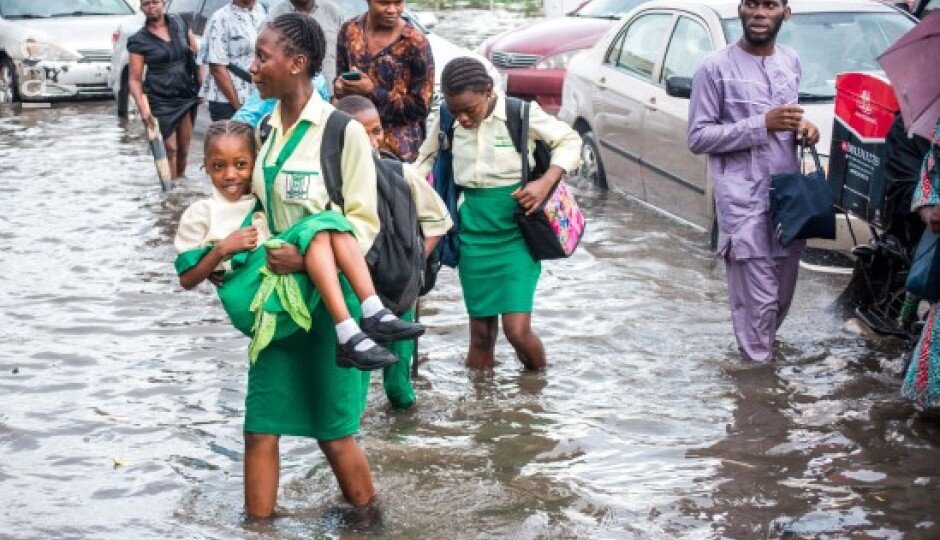
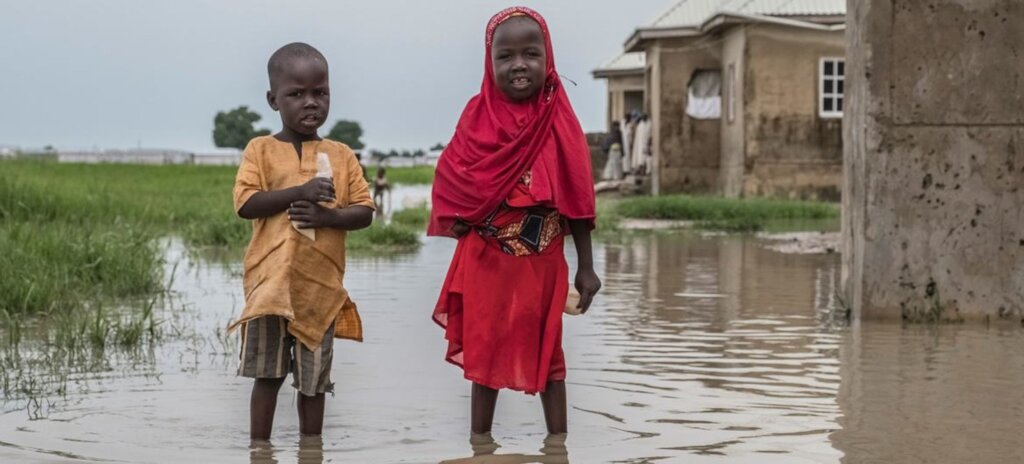
Severe flooding has recently ravaged several communities across Southern Nigeria, leaving a trail of destruction, displacement, and despair. Triggered by prolonged heavy rainfall and the overflow of major rivers, states such as Bayelsa, Rivers, Delta, and Akwa Ibom have been the hardest hit. The deluge submerged homes, farmlands, schools, and marketplaces, disrupting livelihoods and forcing thousands of residents to seek refuge in temporary camps.
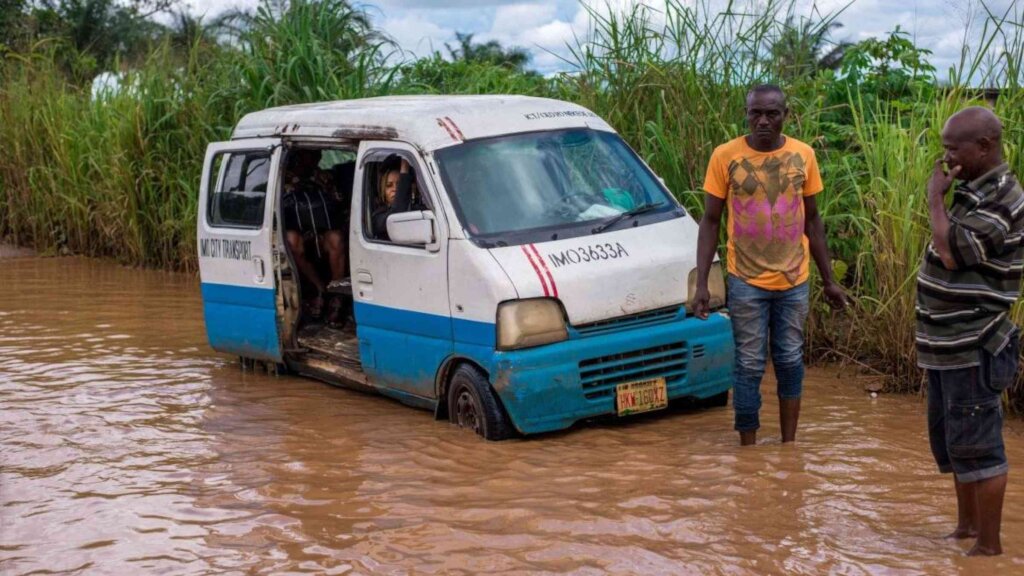
The human and socio-economic impacts are devastating. Lives have been lost, while thousands of families remain displaced, living under dire conditions with limited access to clean water, sanitation, and healthcare. The flooding destroyed farmlands and crops at a critical harvest period, worsening food insecurity and economic hardship among rural dwellers. Transportation networks and electricity infrastructures have been severely affected, hindering relief operations and disrupting economic activities. Schools in affected communities have either been closed or converted into shelters, interrupting children’s education.
The environmental impact is equally alarming. The floods have eroded fertile soils, polluted freshwater sources, and increased the spread of waterborne diseases such as cholera and typhoid. The destruction of forests and wetlands, natural buffers that help absorb excess rainfall has further exacerbated the region’s vulnerability to future flooding.
Addressing these recurring disasters requires sustainable and community-centered solutions. Strengthening early warning systems, improving drainage and embankment structures, and enforcing land-use regulations in flood-prone zones are urgent priorities. Sustainable urban planning that integrates green infrastructure such as wetlands restoration, tree planting, and proper waste management can reduce flood risks. In addition, promoting climate-smart agriculture and resettlement programs for vulnerable populations will enhance resilience.
Collaborative action between government agencies, humanitarian organizations, and local communities is essential to building adaptive capacity and ensuring long-term sustainability. With coordinated efforts, investment in resilience, and environmental protection, Southern Nigeria can mitigate the recurring devastation of floods and safeguard its people and resources for future generations.
Project reports on GlobalGiving are posted directly to globalgiving.org by Project Leaders as they are completed, generally every 3-4 months. To protect the integrity of these documents, GlobalGiving does not alter them; therefore you may find some language or formatting issues.
If you donate to this project or have donated to this project, you can receive an email when this project posts a report. You can also subscribe for reports without donating.



Support this important cause by creating a personalized fundraising page.
Start a Fundraiser