By Sharanya | Coordinator
Flood Relief and Rehabilitation Work by Kalanjiyam
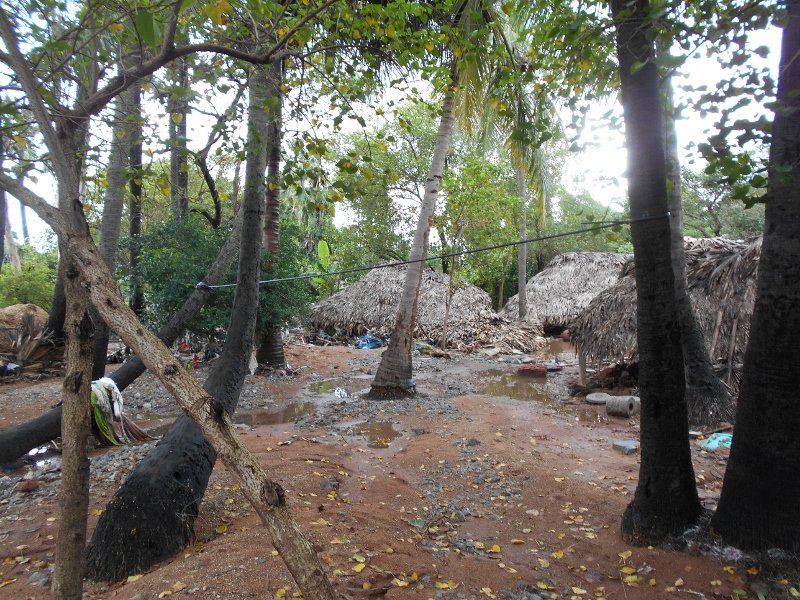
The torrential rains from late October 2015 onwards, of a scale not seen in nearly 100 years, and the ensuing flooding of various lakes and reservoirs wreaked havoc in Chennai, Kanchipuram, Thiruvallur, and Cuddalore districts of Tamil Nadu in November and December 2015. There was a loss of life and property coupled with mass displacement of hundreds of families.
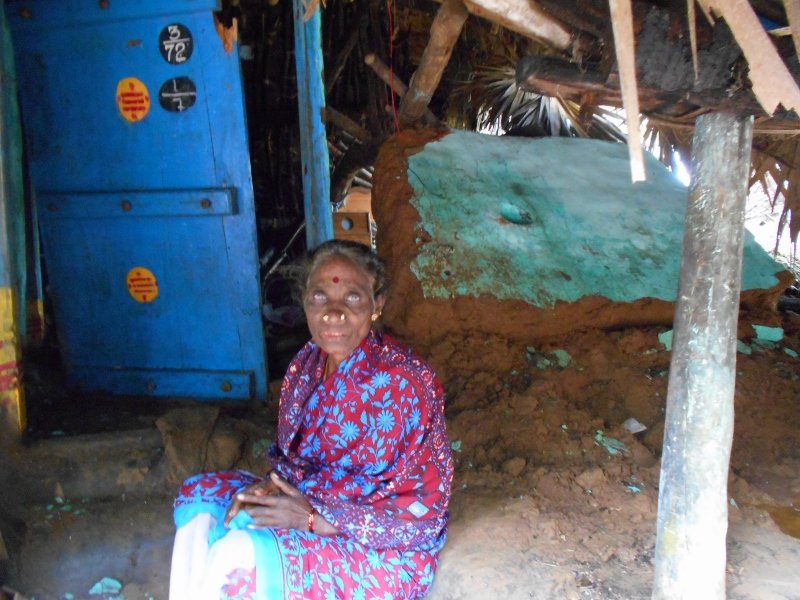
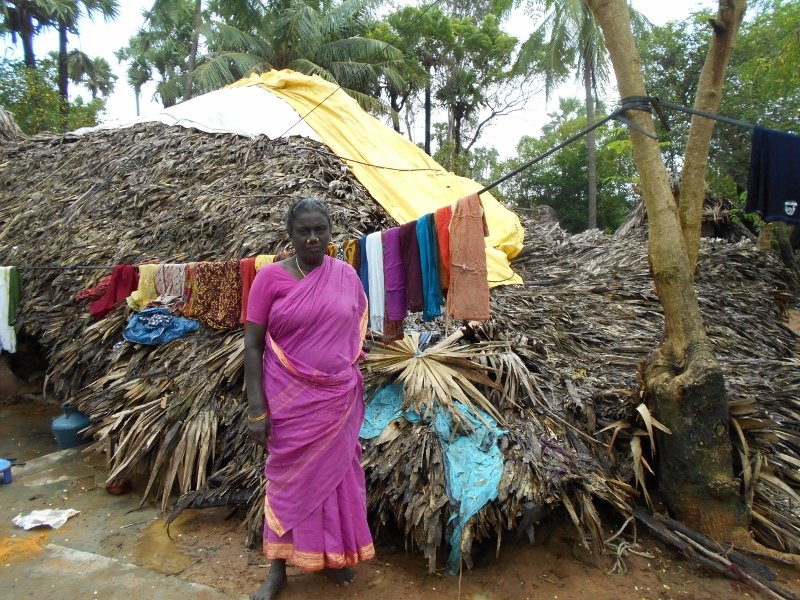
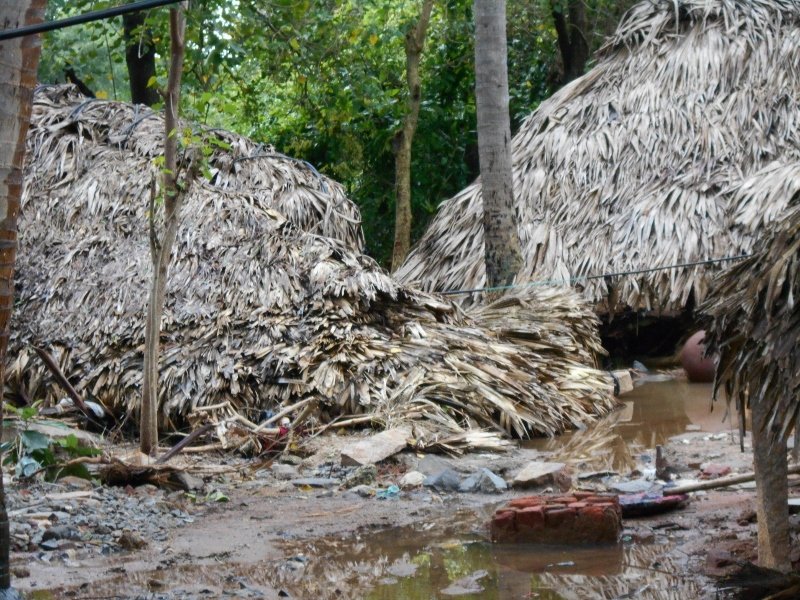
In the 100+ remote villages of Kanchipuram district where Kalanjiyam works, families reside in thatched roof/mud houses. Through the initial assessments post-floods, it was found that over a 100 families had fully or partially lost their houses. The torrential rains washed away all/few of the mud walls; in some homes the roof was partially left behind, whereas in other cases this had also fallen apart. The livestock and poultry were severely affected; many became diseased and died owing to the rains. In some of the areas, the crops rotted away.
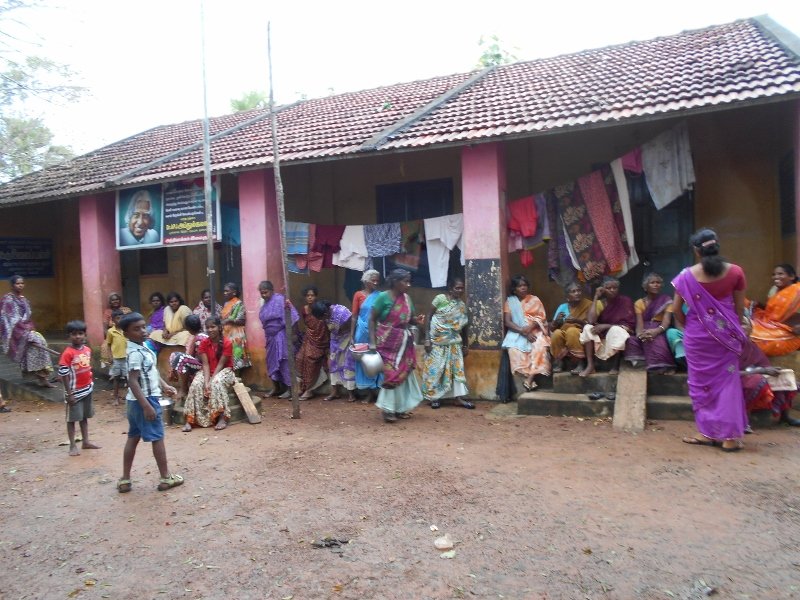
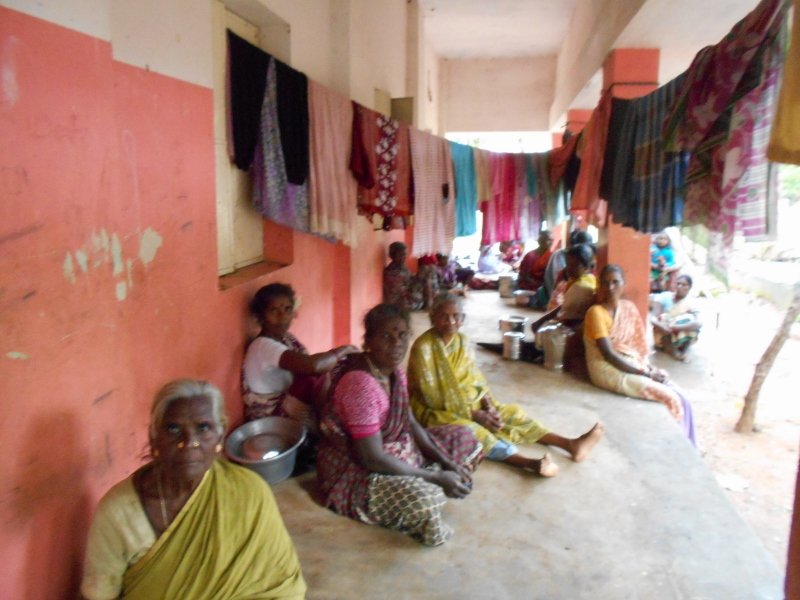
The displaced families were housed at schools and houses of their neighbours or those willing and able to accommodate them. Some of the displaced families were shifted to their relatives’ homes or moved to cities away from the village. As an immediate relief measure, Kalanjiyam provided food supplies/ rations, clothing, blankets, toiletries, mosquito repellents, etc. Our medical van visited the villages on a daily basis in order to attend to the immediate illnesses and health concerns of those affected. But these measures addressed only immediate needs of the affected families.
The most important need that had to be addressed was that of rehabilitation of the displaced families to help them come out of the calamity. For rehabilitation, houses needed to be rebuilt, and all their household items and necessities had to be provided. Since many had lost their means of the livelihood in the form of livestock and poultry, they also needed help in restoring livelihood or finding alternate means of livelihood.
Kalanjiyam embarked upon accomplishing this difficult yet indispensable task of rehabilitation. Families who neither had the means nor had anyone to go to for help were provided financial assistance to rebuild their houses.
The Process
As a first step, the affected families were asked to submit an application form along with a photograph of the affected house, and copies of their ration card, voter’s id, Aadhar card and other necessary documents to the Kalanjiyam team. The families were also asked to get their application form attested by an elected representative from their village.
A village committee comprising of 3-4 members chosen from different villages was constituted. The village committee scrutinised the applications, and verified the condition of the house and the family through field visits. Through the field visit, the committee assessed the degree of damage to the house. For each applicant, the committee, then, gave a report and made a recommendation of the amount to the provided to the family for rebuilding their homes. Accordingly, the most deserving families were identified.
A total of 81 families were supported. They were divided into three categories and accordingly provided with support. The first category comprised families whose houses were completely washed away during the floods. They were supported with an amount of Rs.50000 towards material costs of reconstructing their house while they had to shell in the labour costs. The second category comprised families whose houses were partially damaged with one or more walls and/or roof collapsing during the floods. They were supported with the amount required for reconstructing the damaged portions of the house. Here again, we supported the material costs for reconstruction while the beneficiaries paid for the labour costs. The third category comprised senior citizens who had fully or partially lost their houses during the floods. For them, we supported the entire amount including labour costs required for rebuilding their house or the damaged walls/ roof.
From March 2016 onwards, the support amount was disbursed to the beneficiaries to start the process of reconstruction. This was done in five batches. The beneficiaries were required to sign an agreement stating that they would use the support amount only for the purpose of reconstructing their house and not for any other purpose. This was done in the presence of the local elected representatives from the respective villages.
The Kalanjiyam team has started monitoring and following up with the beneficiaries to keep a tab on the process of reconstruction of the house.
We thank Global Giving and all well wishers for your support!
Project reports on GlobalGiving are posted directly to globalgiving.org by Project Leaders as they are completed, generally every 3-4 months. To protect the integrity of these documents, GlobalGiving does not alter them; therefore you may find some language or formatting issues.
If you donate to this project or have donated to this project, you can receive an email when this project posts a report. You can also subscribe for reports without donating.