By Nicola Tiltman | HIV & AIDS Medical Projects Facilitator
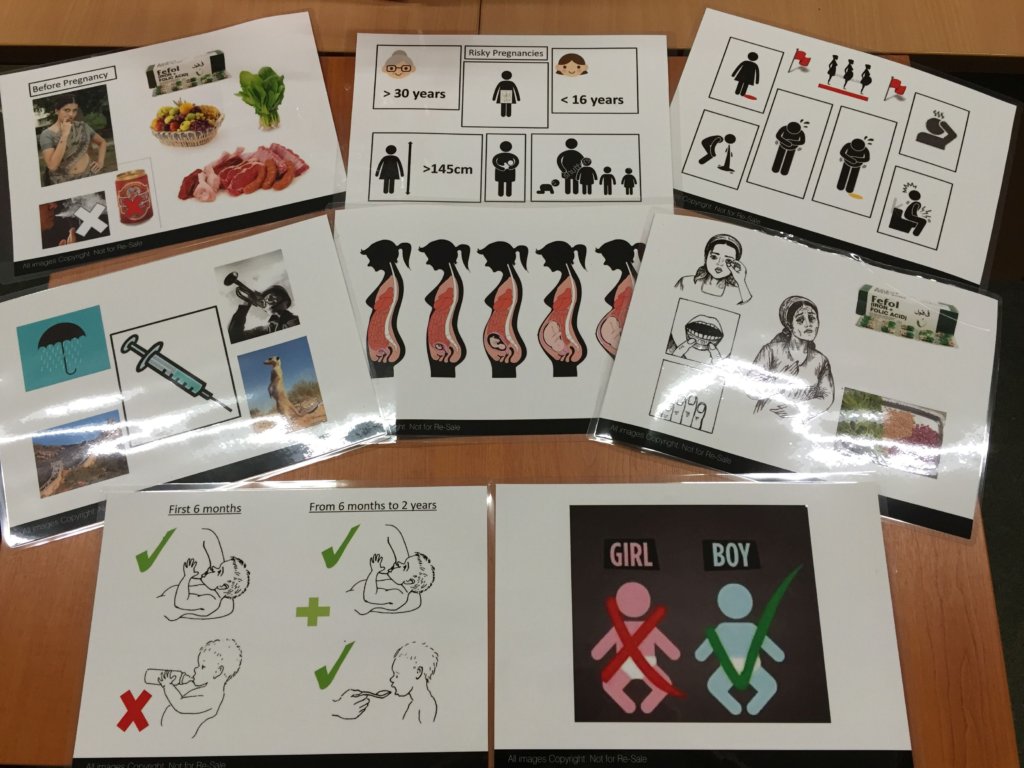
In our last report we informed you of the successful launch of antenatal teaching aids in March during a 3 day training of 20 Community Health Workers (CHWs).
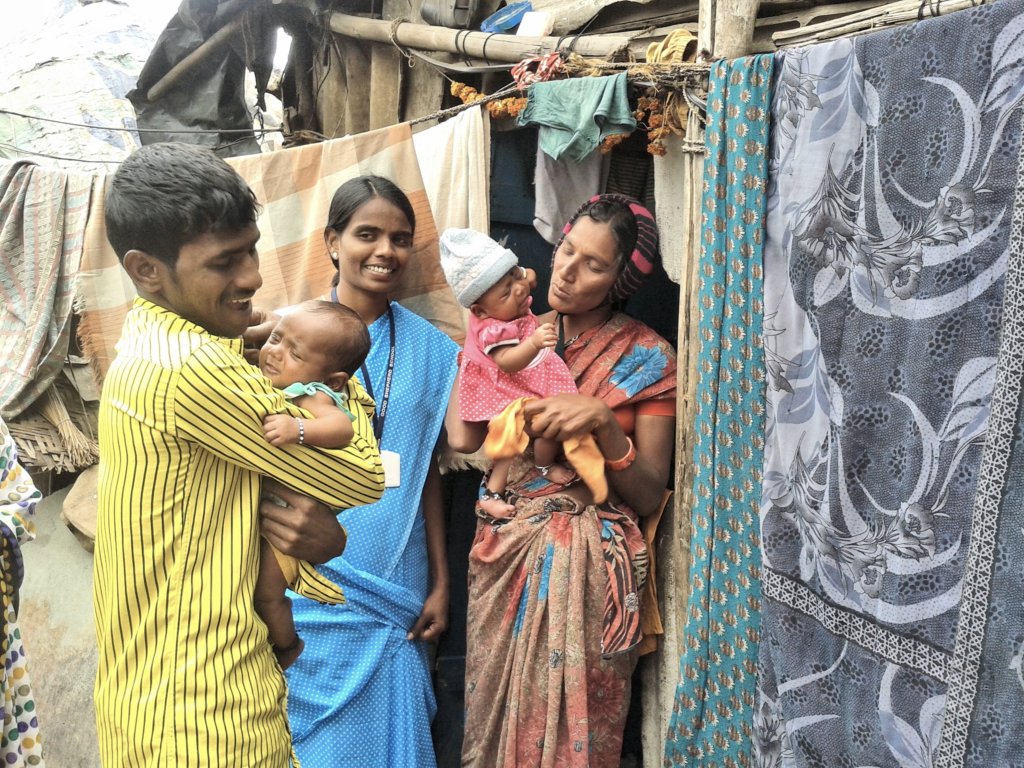
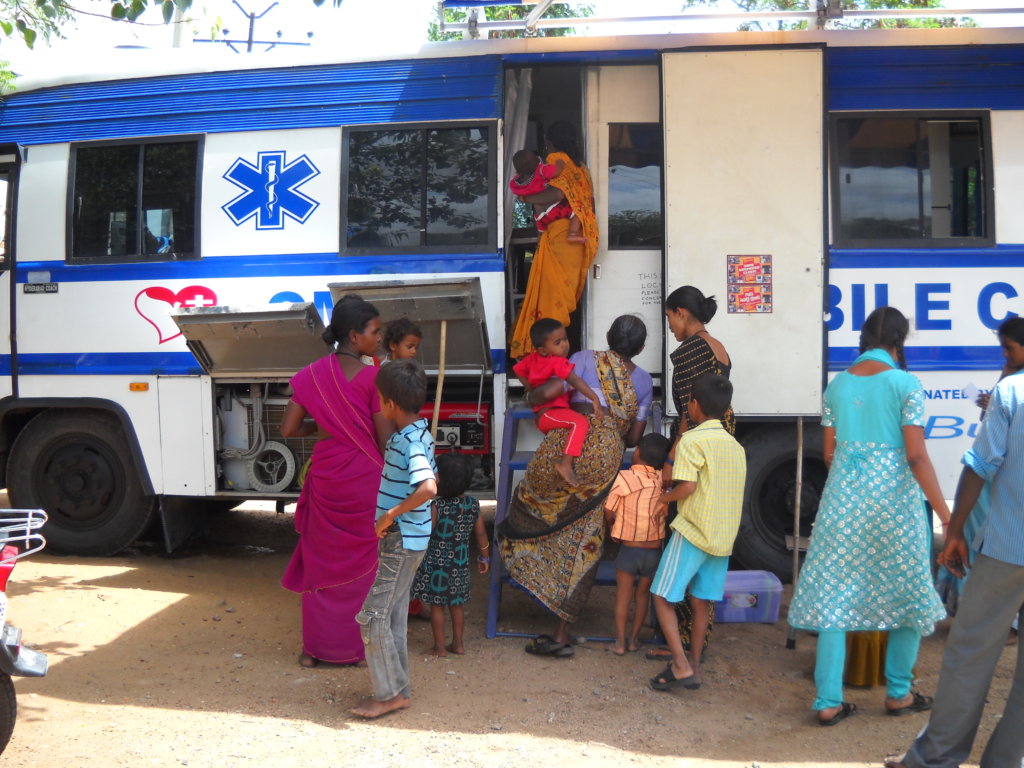
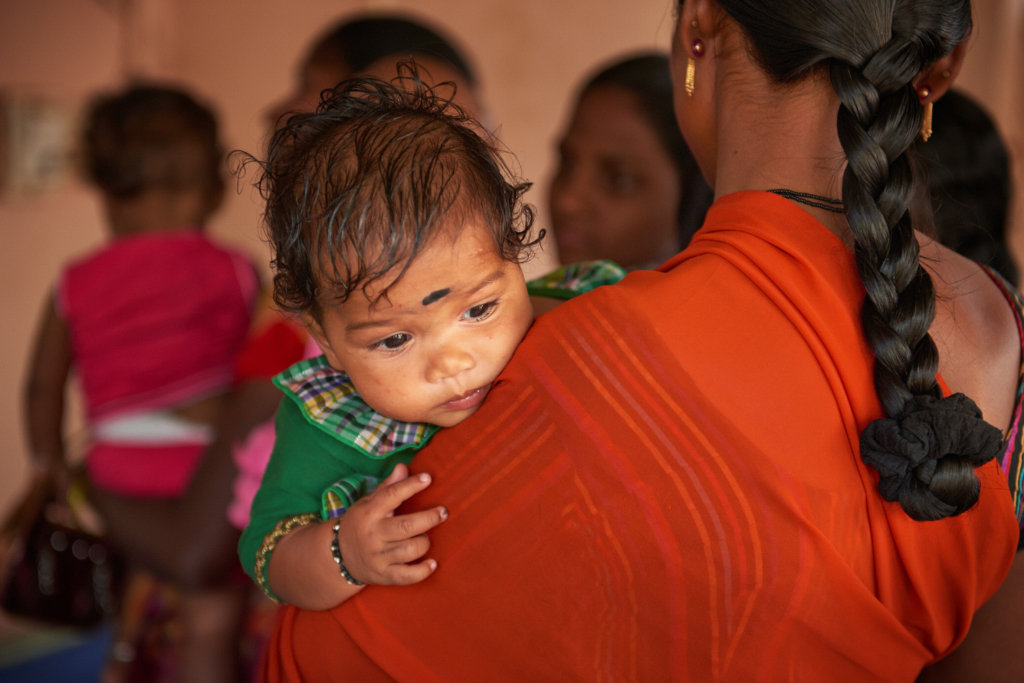
The teaching aids focus on important topics which are specific to the first 1,000 days including; pregnancy, child birth and care of the new-born. The aids were created in order to enhance the health education role of CHWs in India who spend approx. 10% of their time giving education and support to expectant and new mothers. CHWs mainly reach out to Dalit and low caste communities, many of whom are illiterate and marginalised.
CHWs are invited to attend training sessions where they receive a set of teaching aids and instruction on how to use them.
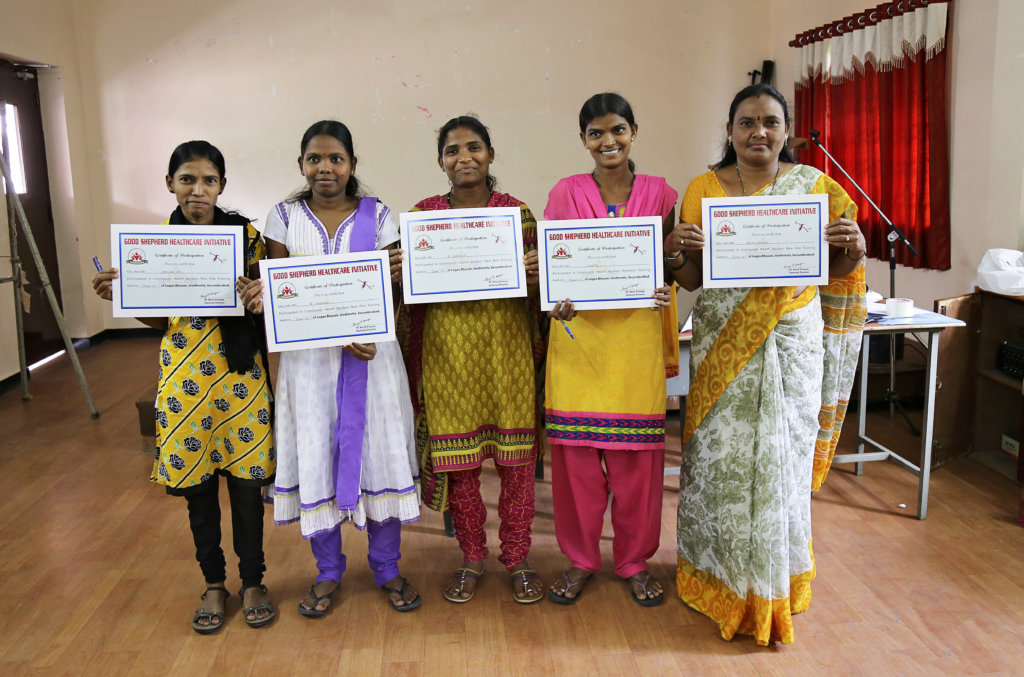
Thanks to YOUR support our partners were able to conduct training in Calcutta during June, equipping 18 Community Health Workers and 4 mentors (who oversee the work of CHW’s) with this knowledge and tools. Participants had travelled from North Eastern States and our partners report that the teaching aids were well received. They gave feedback and as a consequence additional slides have been created and since added.
One slide focuses on engaging mothers in a conversation about the importance of feeding breast milk alone and straight from birth. Two charts were also produced; one to show how much milk a new-born needs in relation to stomach size and a second one looking at how many times a baby should urinate, pass stools including colour and the total number of hours a child should be breastfed for.
A second training took place for a further 5 Community Health Workers who work among the Jogini community.
In a belt across Southern India incorporating Maharastra, Karnataka, Telangana and Andhra ritual prostitution, or Jogini practice, remains a reality despite it having been officially outlawed for more than 30 years. Girls from Dalit backgrounds are dedicated to the goddess, often as a pre or early teen, and then used in the practice of socially and religiously sanctioned prostitution. There are currently around 200,000 Jogini girls. Their precise role varies from place to place but usually involves dancing in celebrations (to bring luck) and giving sexual favours to men, who may consider this an act of worship.
The reasons for their dedications are many and various and include family tradition, poverty, appeasing the gods and lack of other employment opportunities. Joginis face stigma, discrimination, dehumanisation and abuse by society in every way- physically, sexually, emotionally and financially. Some of the reasons for the continuance of this practice are poverty, illiteracy, lack of awareness, desperate socio-cultural conditions, varying and lacking moral value systems, lack of implementation of the law and insufficient rehabilitation programs.
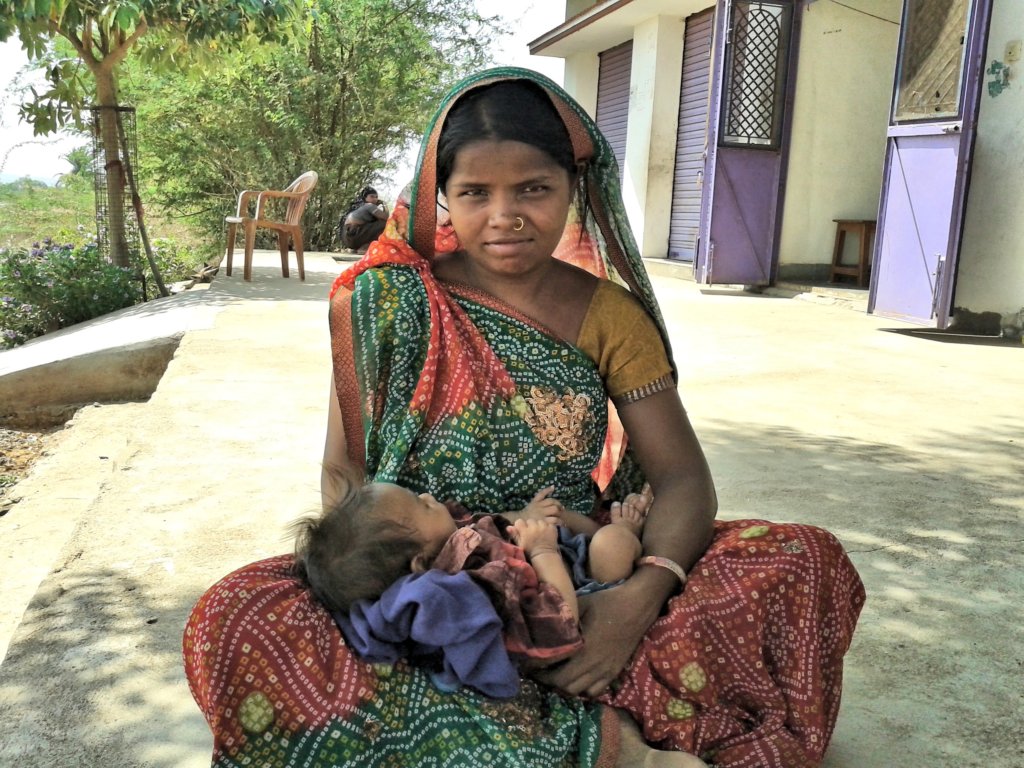
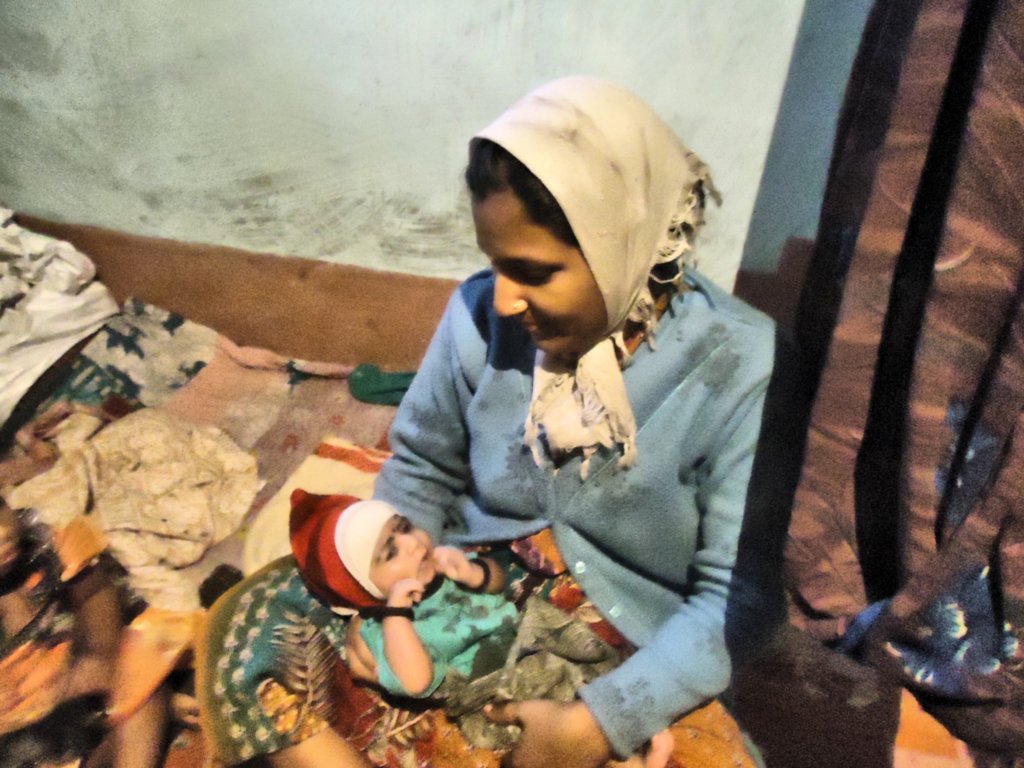
Condom use among this population is very uncommon due to lack of education and social pressures and as a result women often become pregnant. HIV rates are also high and climbing. Few Joginis have access to Government health services because of their social status and usually have no support from family members.
Our partners and Community Health Workers report that the 1,000 day focused visual aids are a great resource. Having these teaching tools helps them to facilitate and promote discussion on antenatal care with women who otherwise would not have access to this vital information.
YOU have made this possible.
Preparations are underway for the next training which will take place later in the year.
Thank YOU for your continued support, we look forward to updating you on feedback from the next training.
Project reports on GlobalGiving are posted directly to globalgiving.org by Project Leaders as they are completed, generally every 3-4 months. To protect the integrity of these documents, GlobalGiving does not alter them; therefore you may find some language or formatting issues.
If you donate to this project or have donated to this project, you can receive an email when this project posts a report. You can also subscribe for reports without donating.