By Josef Schofield | Regional Operations Manager
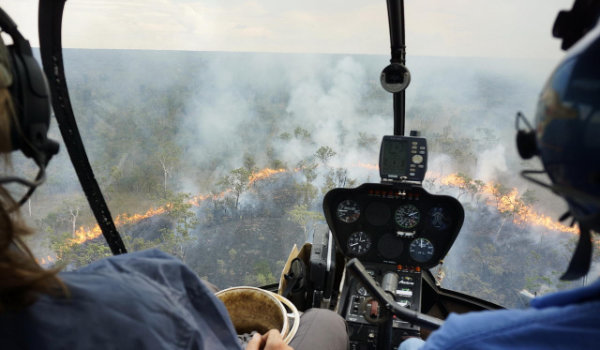
Australian Wildlife Conservancy (AWC) delivers Australia's largest non-government fire management program across more than 7.5 million hectares of northern Australia, including on AWC, pastoral, Indigenous and government land. This program has reduced destructive wildfires across a vast landscape by more than 50%.
In Central Australia, fire follows the dramatic cycles of boom and bust patterns, with wetter years usually followed by years of widespread fire. The part of Central Australia around Newhaven Wildlife Sanctuary – on Ngalia-Warlpiri and Luritja Country – was subject to a traditional Aboriginal fire management regime until the 1930s; a tight mosaic of numerous, mostly small-scale burns lit deliberately for a range of purposes.
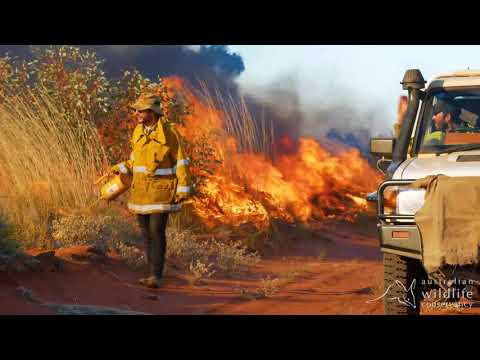
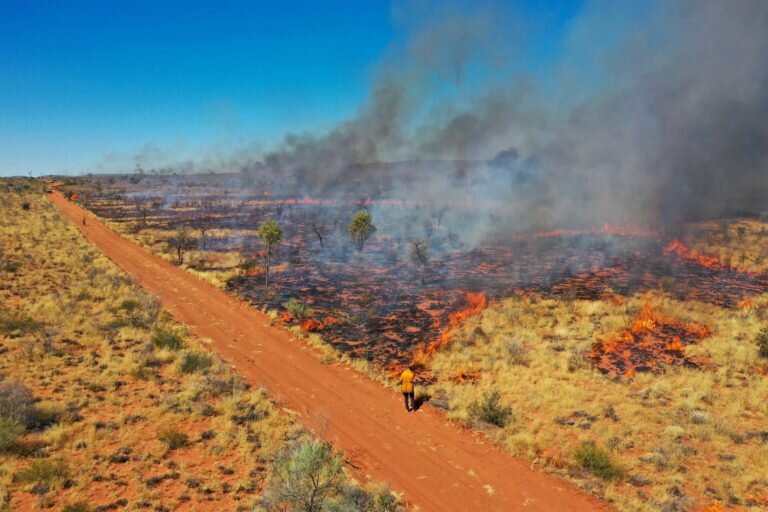
At Newhaven, the goal of AWC’s fire management is to re-establish appropriate fire regimes that conserve species and ecosystems, and that restore ecological processes. It’s a formidable job. AWC’s small field-based team is tasked with managing the 262,000-hectare sanctuary in a landscape that is highly flammable, while taking into account the needs of different vegetation types, the vagaries of climate from year to year, and the legacy of complex, multi-year fire histories. To succeed in meeting its objectives, our program of prescribed burning must be led by strategic planning, informed by science, mapping and years of experience on the ground.
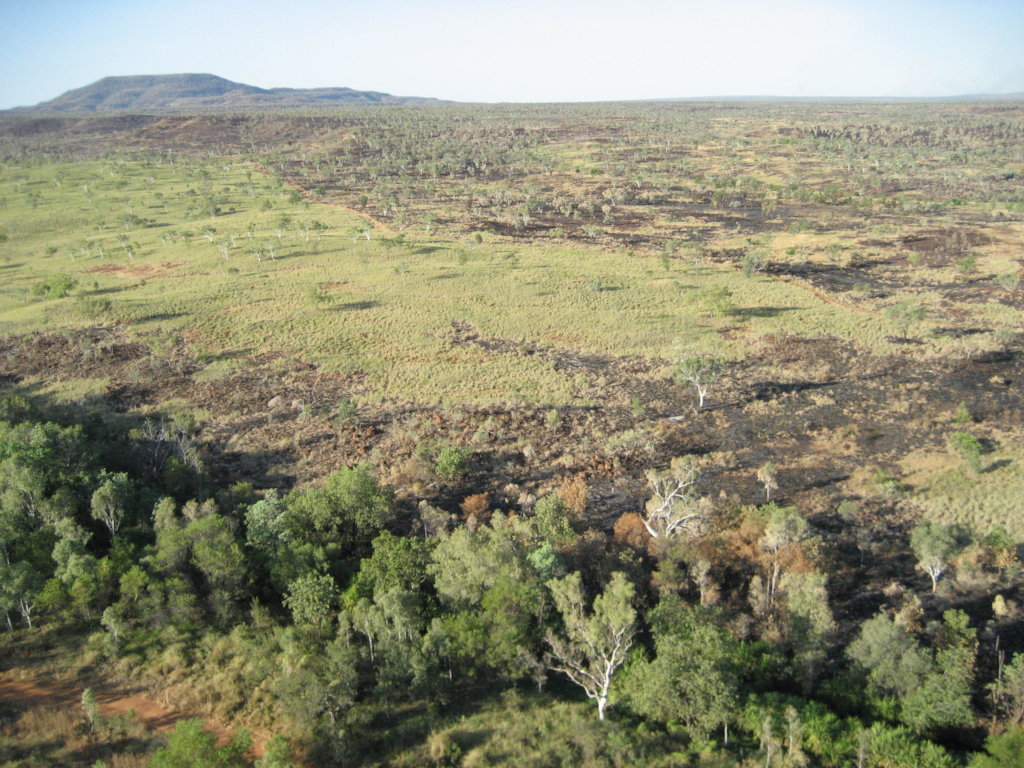
A lot of work goes into developing a detailed plan for prescribed burning activities each year. By analysing satellite imagery going back three decades, we’re able to compile fire history maps which show the age of vegetation across different parts of the sanctuary. Using fire history maps we can work out where to burn to break up larger, homogeneous patches into smaller areas of differently aged vegetation.
Careful fire management at Newhaven over the past 12 years has achieved great results – protecting fire-sensitive stands of mulga woodland and desert oaks, establishing a finer-scale mosaic of spinifex, and improving habitat for threatened wildlife. Thoughtfully applied, fire is an essential and positive part of conservation land management in Central Australia.
For more information on AWC’s latest progress and partnerships, please view the 2022 Annual Impact Report and 2021 Ecohealth Reports.
Links:
Project reports on GlobalGiving are posted directly to globalgiving.org by Project Leaders as they are completed, generally every 3-4 months. To protect the integrity of these documents, GlobalGiving does not alter them; therefore you may find some language or formatting issues.
If you donate to this project or have donated to this project, you can receive an email when this project posts a report. You can also subscribe for reports without donating.