By Susan Giddings/Lonny Ward | Donor Management Specialist/Operations Manager
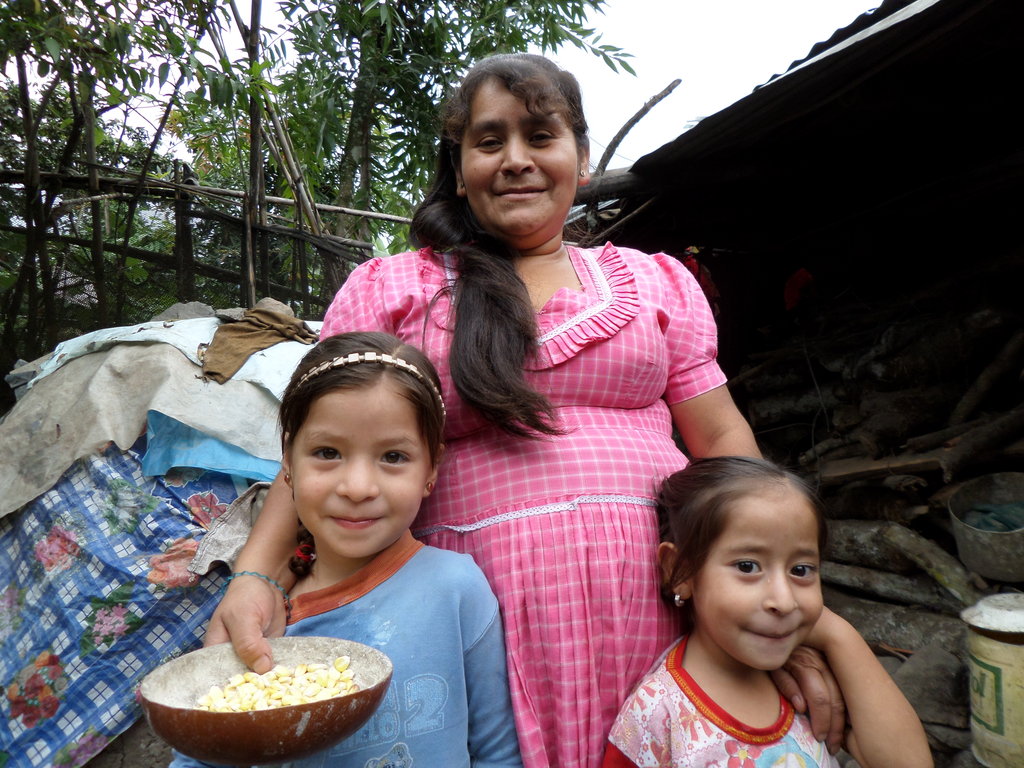
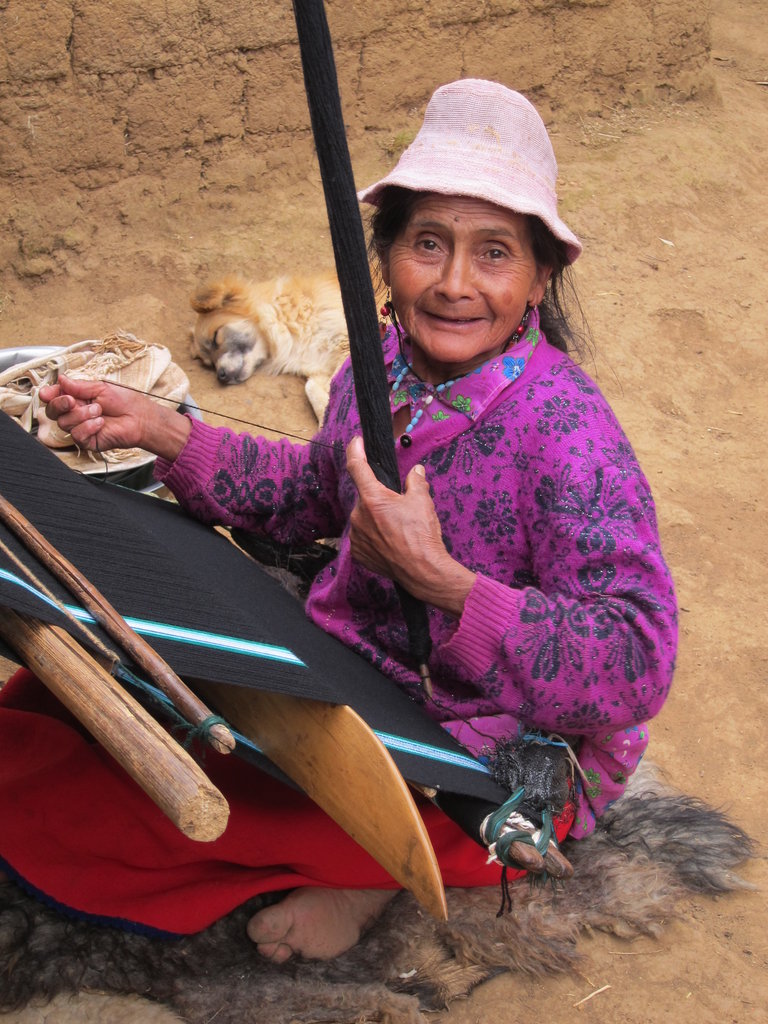
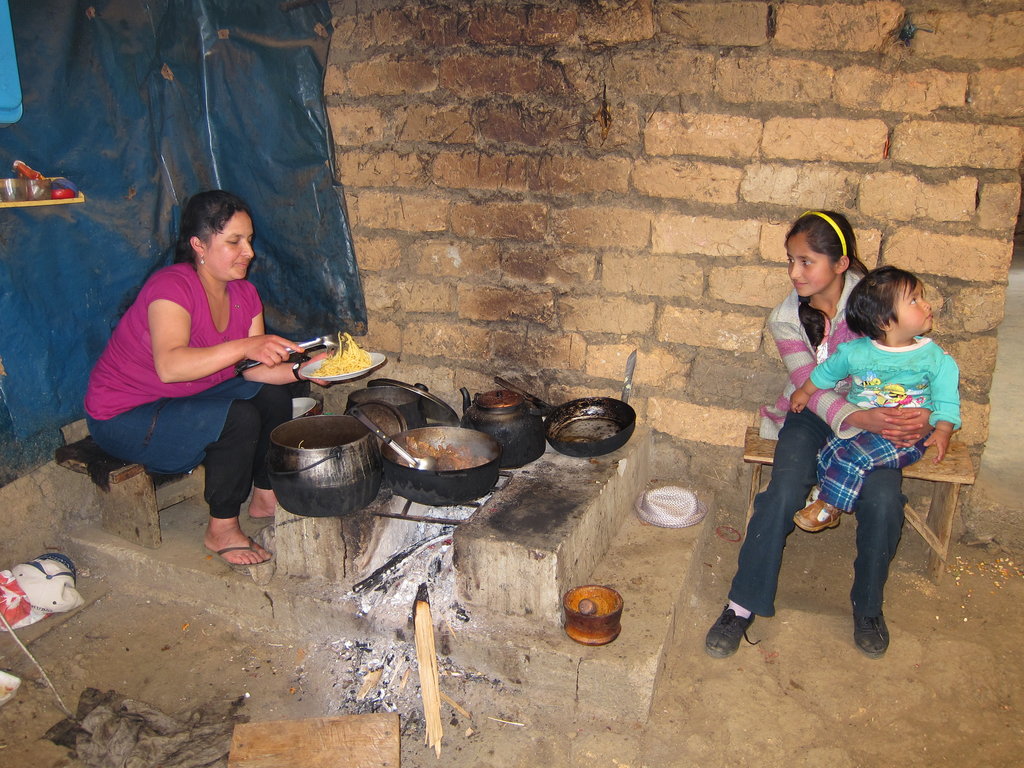
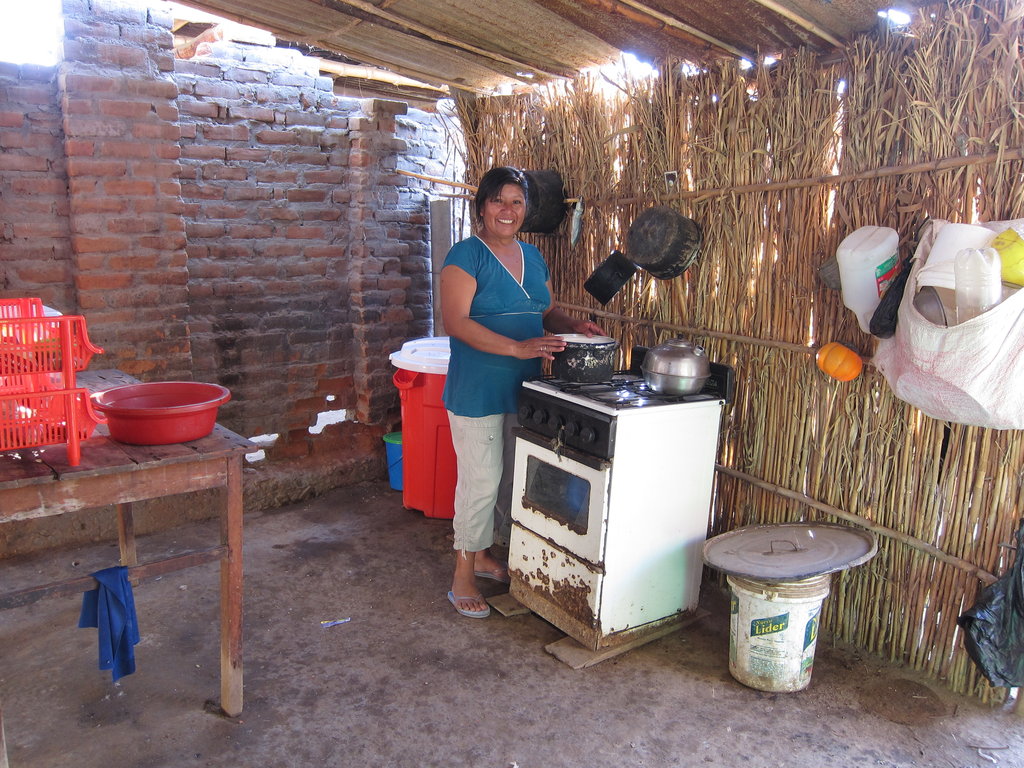
In Peru, women represent as much as 80% of a family's labor force while also managing traditional household tasks and taking care of the children. They work in agriculture, tend livestock, and engage in income-generating activities. Despite their demanding work, many women live in poverty, with as many as 30.4% not having access to personal income, a number that has increased since the COVID 19 pandemic began. The few women who do have access to personal income make 30% less per month than their male counterparts.
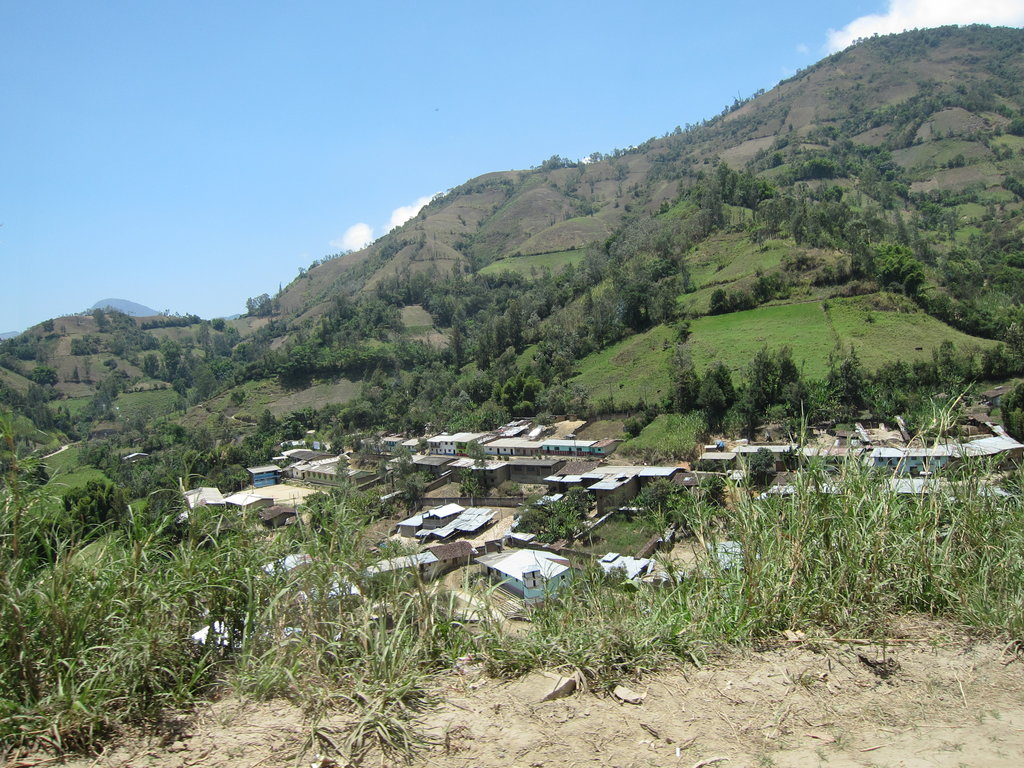
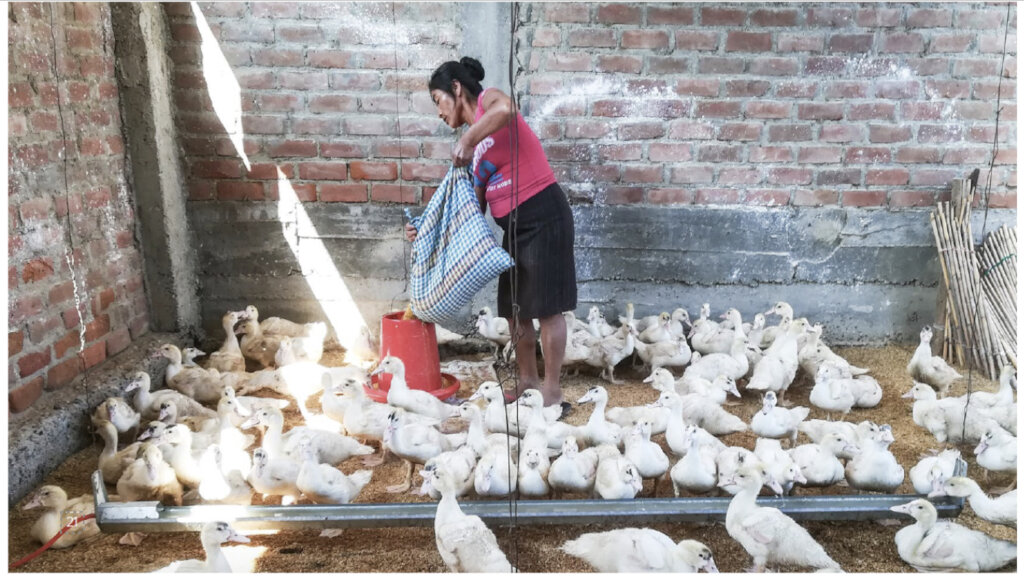
CHOICE Humanitarian (Feed the World) focuses on projects that empower women to act as protagonists in their own communities to open doors to equal treatment and opportunities. As discussed in a previous article, in 2020, CHOICE became acquainted with a group of women from the community of Pampa de Los Silva who were determined to create a new precedent, these women formed a cooperative to raise ducklings despite a lack of initial support from their husbands.
Rather than individually raising their own ducks, which would eventually be slaughtered and sold when money was tight, the women pooled the ducklings and took turns caring for them. They each made sacrifices—time was spent feeding and caring for the ducks—which took time away from caring for their own homes. These women knew that the time spent working on long term business goals would not only benefit their own families but their entire community as well. Upon learning about the undertakings of these ambitious women, CHOICE supported their endeavors by providing materials and training to increase the capacity of the project. This support included additional ducklings, feed, veterinary care, and vaccines.
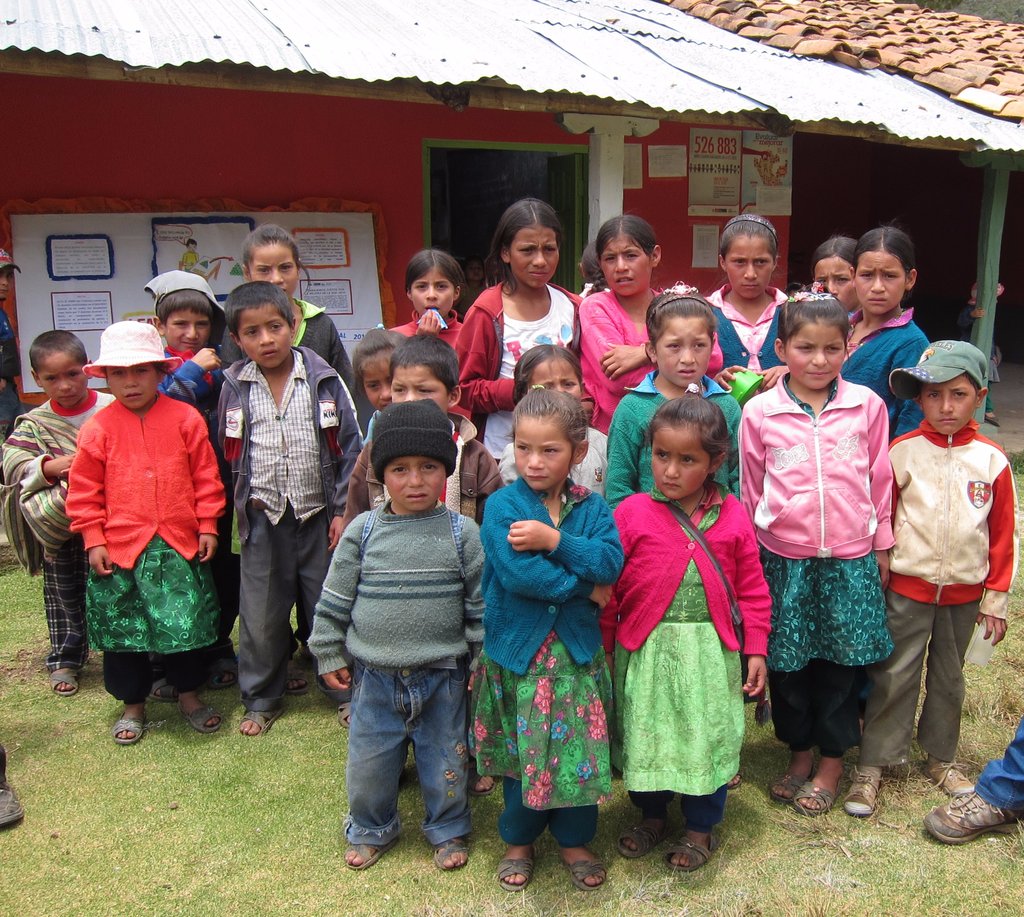
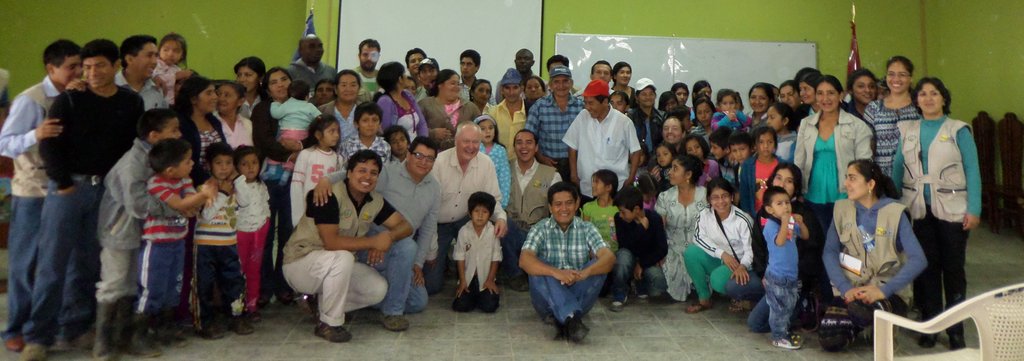
The effects of the women’s cooperative rippled throughout the region. The group’s success inspired their husbands to support their business endeavors. When the women needed to expand the duck pen, their husbands worked alongside them to construct a large new fence.As they grow, the group plans to continue reinvesting their profits back into the co-op. The project became essential to the community as the pandemic caused other forms of income to be lost. These women are now raising their fourth batch of ducks. Today, the group directly benefits 75 families in Pampa de Los Silvas alone. CHOICE has since replicated this project in several other communities in Peru.
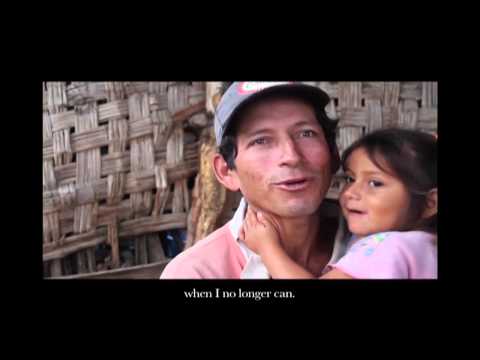
CHOICE has since replicated the duck project in several other communities in Peru. For example, a group of women in Cerritos, Sechura, also benefited from a women’s cooperative focused on raising ducklings. This project became their lifeline as the pandemic quickly isolated their community from other forms of income and food. Since their community was put in quarantine, these mothers adapted the projects to operate in their homes. They’ve been able to subsist on the sale of meat and eggs from their home-raised ducklings. Upon reflecting on the project, America, a co-op participant, said, "We are going out and creating projects and learning about how to create something better for our families.” The ingenuity and hard work of these women are changing norms and fostering hope.
Project reports on GlobalGiving are posted directly to globalgiving.org by Project Leaders as they are completed, generally every 3-4 months. To protect the integrity of these documents, GlobalGiving does not alter them; therefore you may find some language or formatting issues.
If you donate to this project or have donated to this project, you can receive an email when this project posts a report. You can also subscribe for reports without donating.