By Alison Hall MBE | Founder of Seeds for Development
So says a new survey on how young people are feeling about climate change.
10,000 young people from around the world were surveyed (led by Bath University in the UK) and nearly 60% of them said they felt very worried or extremely worried. Three-quarters of them said they thought the future was frightening. Over half (56%) say they think humanity is doomed. Two-thirds reported feeling sad, afraid and anxious. Many felt fear, anger, despair, grief and shame - as well as hope.
It was the finding, that 45% of those questioned said that their feelings about the climate affects their daily lives that got me thinking about how it directly affects the daily lives (not feelings) of the people we support.
In my last report I told you that we are planning for the hunger that will come. We planted 380 acres of maize, which we plan to buy back from the farmers when it is harvested and store it until it is needed.
That time is now and the maize is being harvested and stored as I type this email to you.
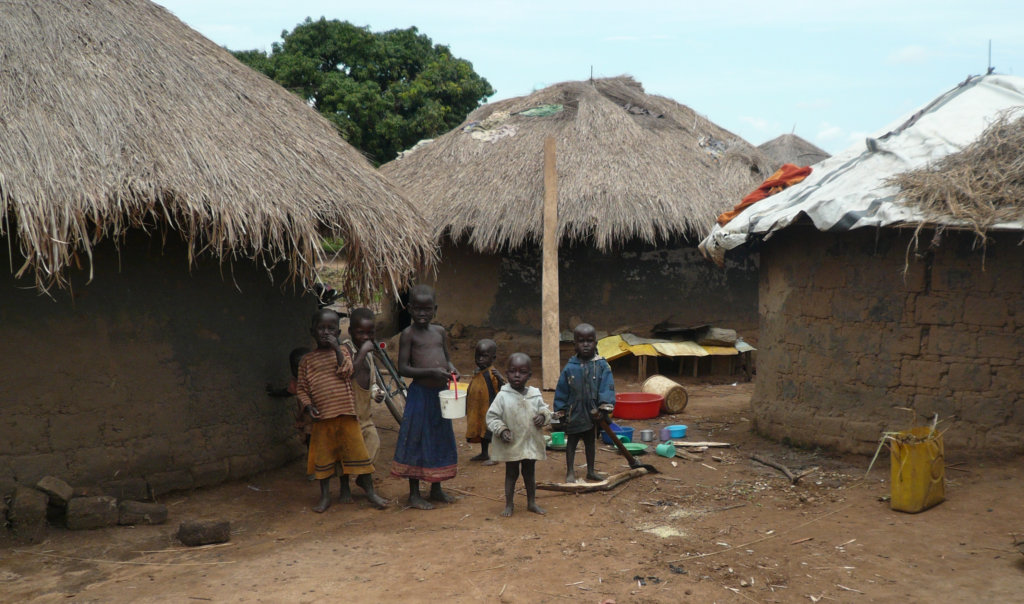
Climate change, environmental damage, too much rain, not enough rain, too much sunshine, not enough sunshine. It doesn't matter how you describe it, the weather is not behaving itself in northern Uganda. This is having a major impact on the food security of the people we support.
When I started Seeds for Development in 2008, maize/corn was planted in March - when the rainy season was under way. In May, the dry season starts, and the maize would be tall, strong and healthy and the sunshine would ripen it so it would be ready to harvest in July.
Now... it doesn't rain until May (maybe a few spit-spots before, but not enough to get your seeds going). The rain doesn't last long enough and then the sun shines down - too soon and too strong. The seedlings can't cope and wilt. The ones that survive just about make it and then the rain comes back again - heavy and hard, washing everything away. The struggling seedlings get flooded and can't cope. Families have no food, no money and no understanding of why this change of weather is happening.
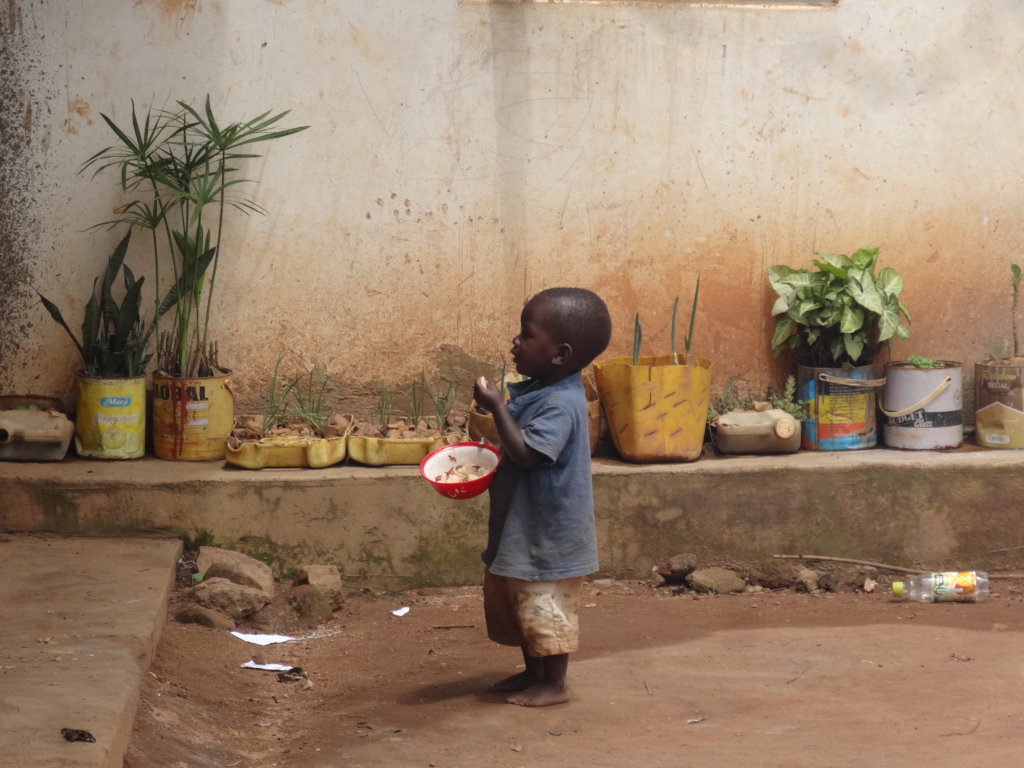
That is where we are today. The farmers are harvesting (it is the middle of September, so 2 months late). The yields are low and the people hungry.
We are buying the maize from the farmers and distributing it to the most vulnerable in the community again. This is the third time this year that we have to do this. We had hoped to store it until next year, but the situation has changed again and luckily we adapt and respond to their needs.
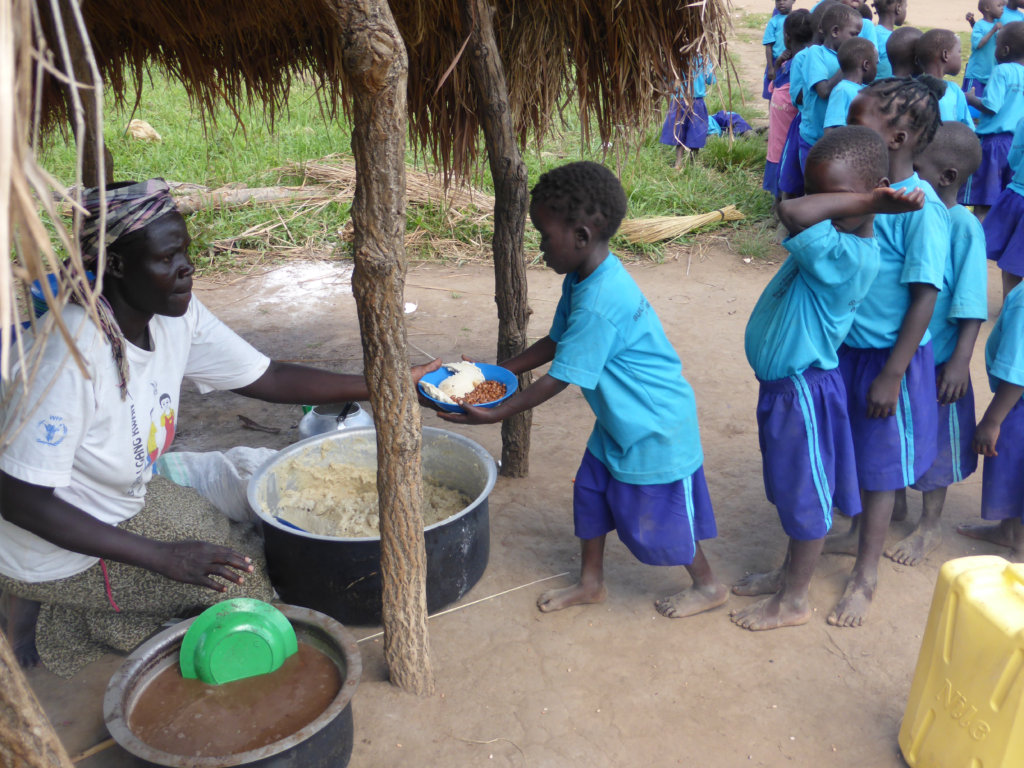
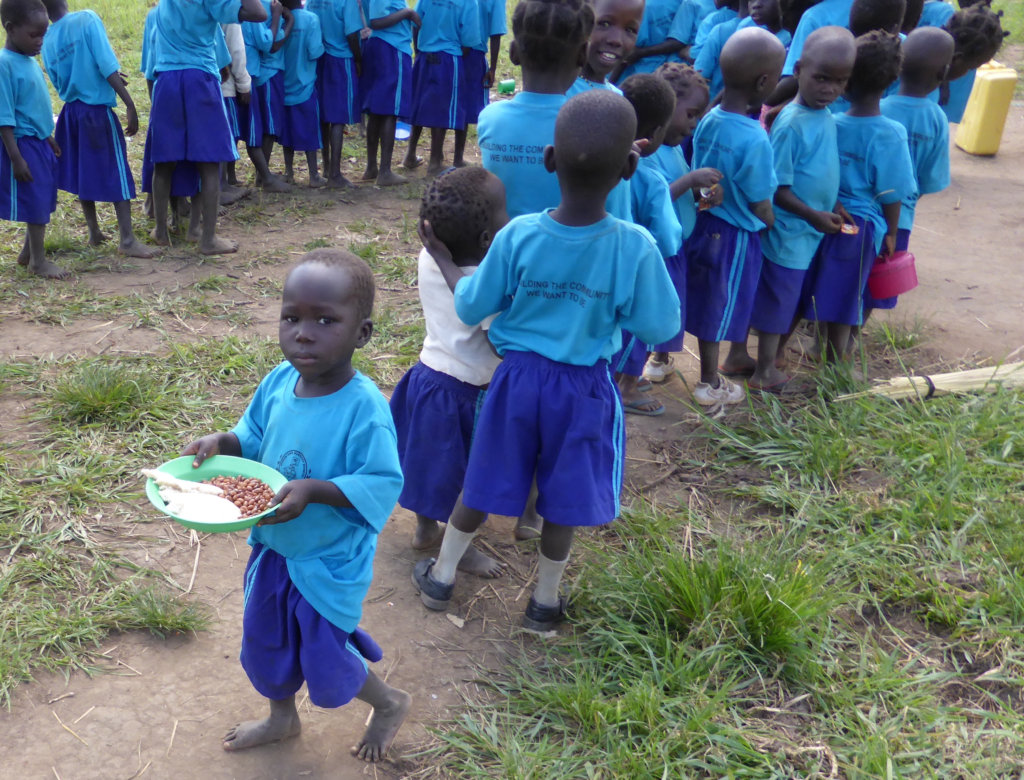
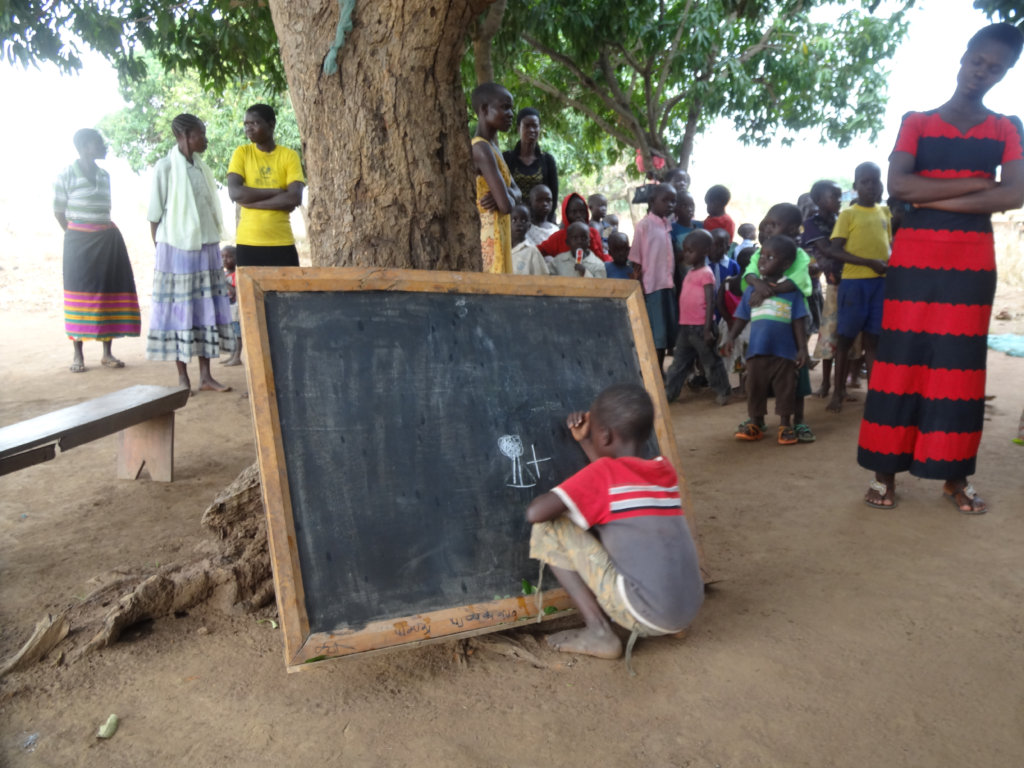
Schools are still shut, because of COVID-19, and so our daily porridge has to reach the children at home. The vulnerable are also the elderly, disabled and young mothers with their babies.
We can't do it without your support. Thank you for helping the people of northern Uganda and giving them hope for the future.
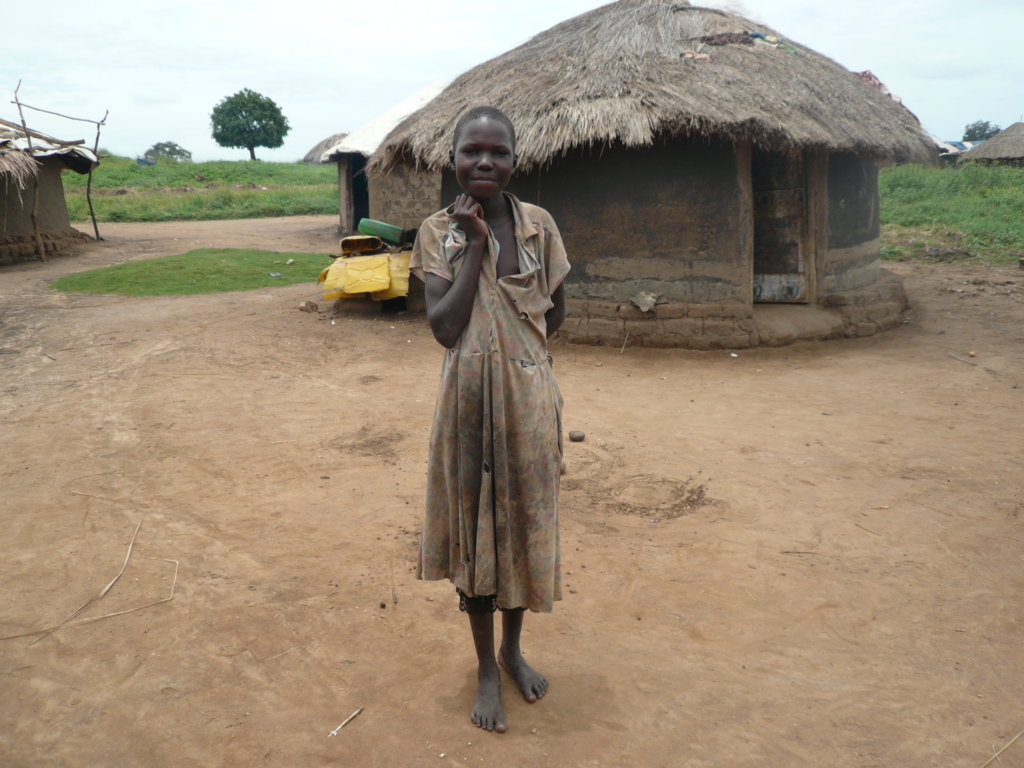
In that survey, one 16 year old said: "It's different for young people - for us, the destruction of the planet is personal." It certainly is personal for every young person in northern Uganda.
With kind regards
Alison
Links:
Project reports on GlobalGiving are posted directly to globalgiving.org by Project Leaders as they are completed, generally every 3-4 months. To protect the integrity of these documents, GlobalGiving does not alter them; therefore you may find some language or formatting issues.
If you donate to this project or have donated to this project, you can receive an email when this project posts a report. You can also subscribe for reports without donating.