By Zinhle Lukhele | Head of Fundraising
The Topsy Foundation - a registered Non-Profit Company and Public Benefit Organisation – has been serving the rural communities of the sub-district of Dipaleseng situated in Gert Sibande in the most southern part of Mpumalanga for 20 years. As of the end of 2020, we expanded our reach to serve the communities of the Govan Mbeki local Municipality also situated in the Gert Sibande District in Mpumalanga.
Dipaleseng is often referred to as a forgotten part of the country due to its scant infrastructure and lack of large-scale industry. It is home to several large rural communities situated around Balfour, Grootvlei and Greylingstad. While eMbalenhle is a peri-urban settlement/township, the challenges faced are also similar to Dipaleseng.
The communities can be described we work in typically face the following challenges:
Nutrition and Food Security Support
According to Stats SA, Mpumalanga is amongst the three provinces with the highest percentage of households with severely inadequate access to nutritional food at 12.3%. This is almost twice the national average. This is true of both the communities we work in where many households are single-female-headed with little to no income. While many vulnerable households are receiving child/pension/disability grants, this is usually not enough to meet the basic needs of families which are usually three or more individuals and extended families in one household are common. The continued rise of food costs and a combination of low to no income means that many families eat what they can afford, which usually does not meet the minimum nutritional requirements. The most affected are children with 16.7% of children aged five years and younger living in food poverty. Without adequate nutrition, children are not able to grow and reach their developmental milestones and are more susceptible to malnutrition, stunting and diminished health.
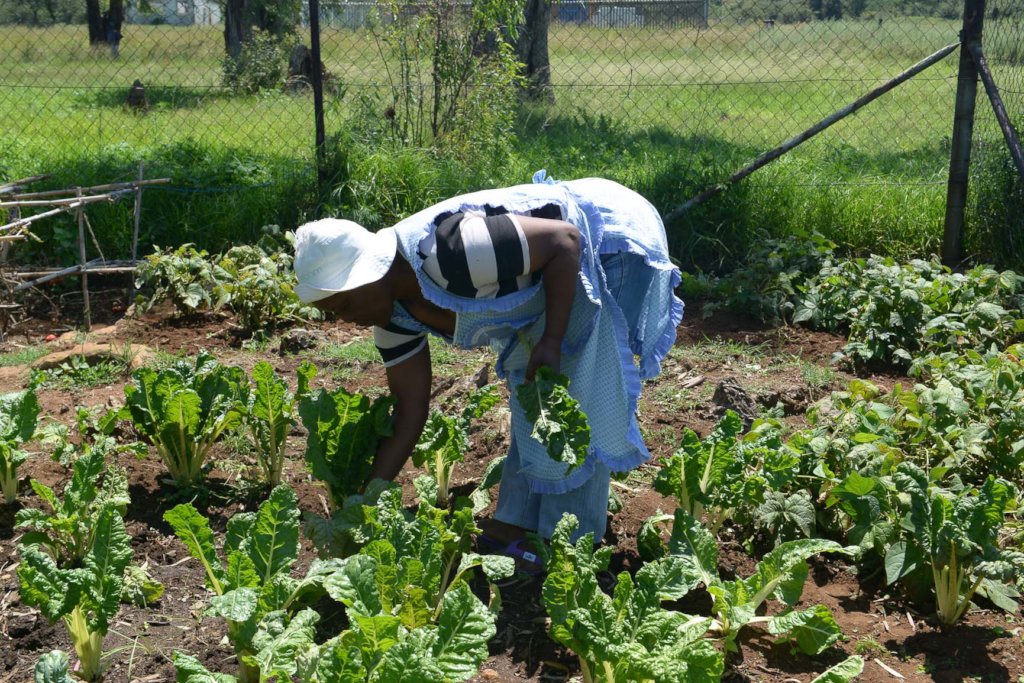
An integral component of Topsy’s strategy to strengthen families and communities is to enable and assist communities served to establish, grow and maintain vegetable gardens as a supplemental nutritional source. Community members are taught how to start and maintain these and supplied with seeds, and basic gardening tools including a garden hose. Provided certain criteria are met (including dedicated gardeners and sufficient land), food gardens are established in ECD centres, at primary and high schools, and all sites must distribute excess produce back into the community at no cost. Topsy also maintains its own food garden at its Play and Learn Centre in order to feed staff, the many visiting children and their teachers.
chromeextension://efaidnbmnnnibpcajpcglclefindmkaj/https://www.statssa.gov.za/publication
s/03-00-14/03-00-142017.pdf
Partnerships
Topsy has the following partnerships in Dipaleseng, which will extend to Govan Mbeki and allow us to provide additional support to ECD centres:
Impact of nutrition support in the ECD centres
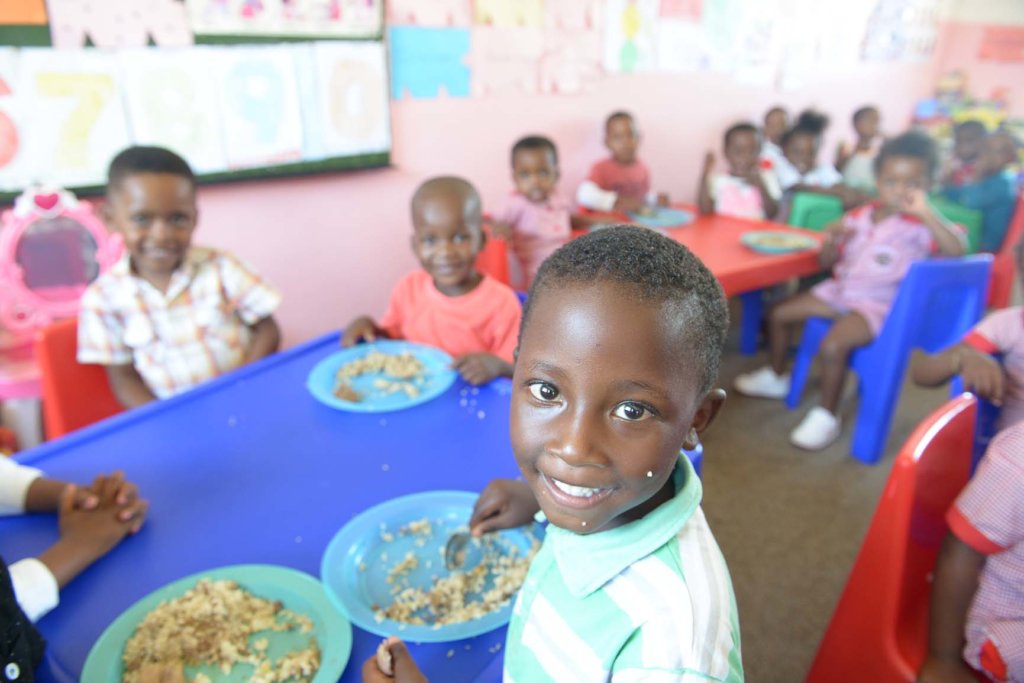
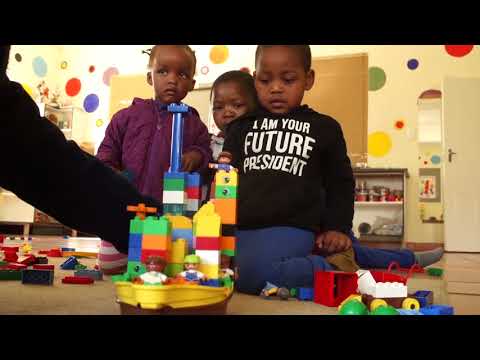
To ensure that vulnerable children in our programme receive a nutritious meal, ECD centres that we work with are required to have a vegetable garden. We also provide centres with supplements and nutritional meal packs. When a child has access to inadequate nutrition they are protected against malnutrition, have a healthy immune system, can take in and retain what they have learned and prevents chronic diseases. A total of 2772 children benefit from the 36 ECD centres we work with.
Head Start Kids Story
We work with Head Start Kids to improve nutrition for children in ECD centres. Topsy receives Little Bits™ for children six months old to five (under six years) old. This is one of the success stories since we introduced HSK Little Bits™ Supplementation to our programme:
My name is Bongi Makwanazi, I am the Staff nurse working with different ECD centres, where we observe the health and growth of children regularly. We are happy to be getting the vitamin supplement for the children because they help stimulate their brains and build their bodies. We work with ECD centres exclusively, they put the powder supplement on the children's cooked food. Working with centres makes it easier to do frequent follow-ups with the children.
One of the success stories from the ECD centres is Star, who always had a runny nose and was underweight. When she started with HSK, she weighed 11kg. I am happy to say that there is an improvement; she is now 14kg, her length is 85.1cm and doing well. Her teachers have also seen an improvement. She was not active in the class before but now participates in the different class activities.
What have been the benefits of establishing vegetable gardens even beyond the ECD centres?
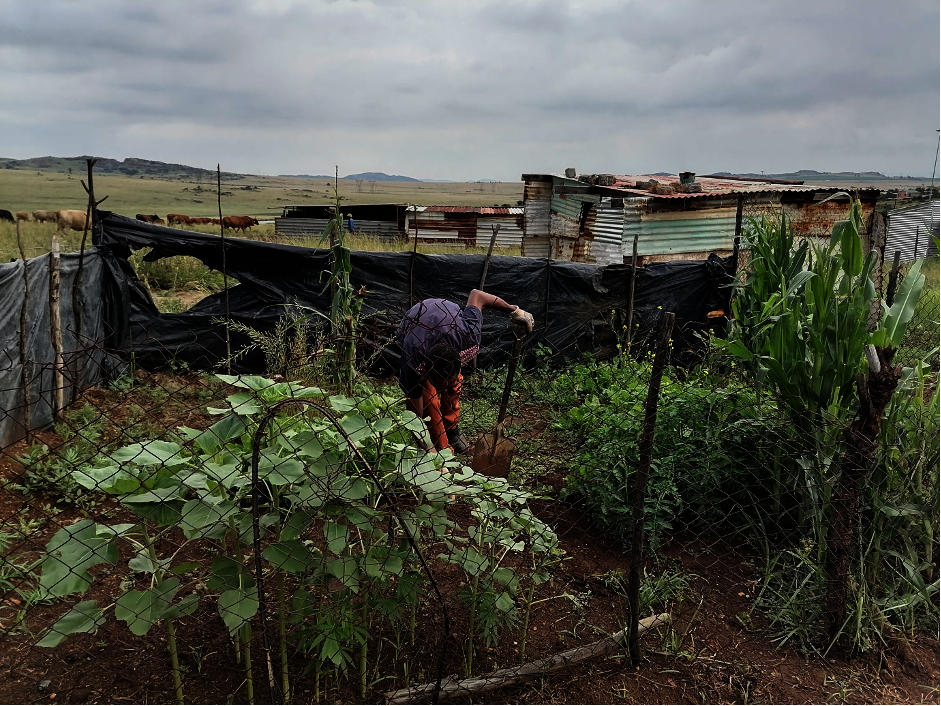
While improvements have been made, food security remains a challenge in South Africa. This is caused by the worsening high unemployment rate. In response, we are supporting the three communities in Dipaleseng Subdistrict municipality and eMbalenhle in Govan Mbeki municipality by empowering them to establish food gardens which are a sustained source of nutritious food.
Families with children identified as at-risk are recruited into the project. One person is trained to establish a garden which will give them access to nutritious food, improving the health and wellness of the children and their families. Over eleven thousand individuals benefit from the vegetable gardens in individual homes, communal gardens and primary schools.
The Nutritional Support Project aims to:
• Teach beneficiaries how to establish and maintain home gardens and encourage the production and consumption of vegetables
• Teach practical nutrition education to promote healthy diets and lifestyles
• Provide beneficiaries with a tool for survival at times of food shortages
• Familiarise beneficiaries with methods of sustainable production of food that applies to their homestead and is important for household food security
• Promote income-generation opportunities.
We also support families identified as in need with food parcels and meal packs that contain all the vitamins and minerals required for a balanced meal, along with sanitary products to about 150 households comprising 600 people between them. The vegetable gardens have brought joy and a sense of purpose to those working in their gardens. They have beautified the communities and enabled some beneficiaries to have a source of income by selling surplus vegetables.
World Food Day
World Food Day highlights global food insecurity and mobilises countries to mitigate hunger. Nutrition is one of the key focus areas in ECD as we recognise the negative impact of hunger on children and its effect on education. We commemorated the day by highlighting the importance of food security and nutrition with the centres we work with. Teachers taught children the importance of nutrition, and how to clean food. Lessons were held outside in the garden and with some of the children picking veggies. While the children are too young to realise the day’s importance, they had fun learning.
Thank you for supporting The Topsy Foundation!
Project reports on GlobalGiving are posted directly to globalgiving.org by Project Leaders as they are completed, generally every 3-4 months. To protect the integrity of these documents, GlobalGiving does not alter them; therefore you may find some language or formatting issues.
If you donate to this project or have donated to this project, you can receive an email when this project posts a report. You can also subscribe for reports without donating.