By Susana Tobar Hurtado | Development Manager
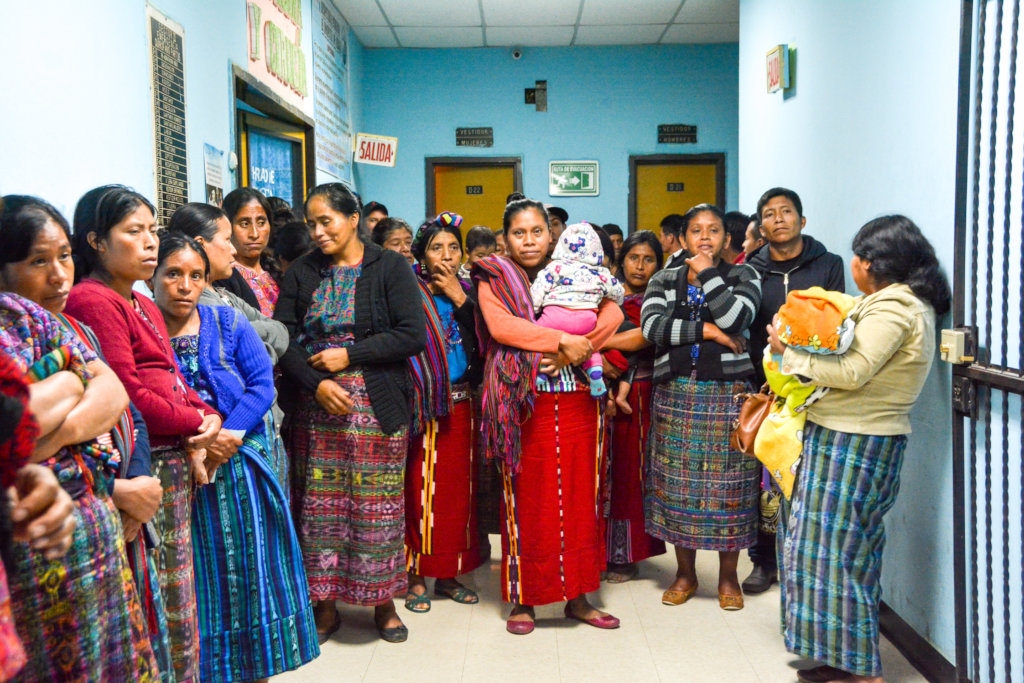
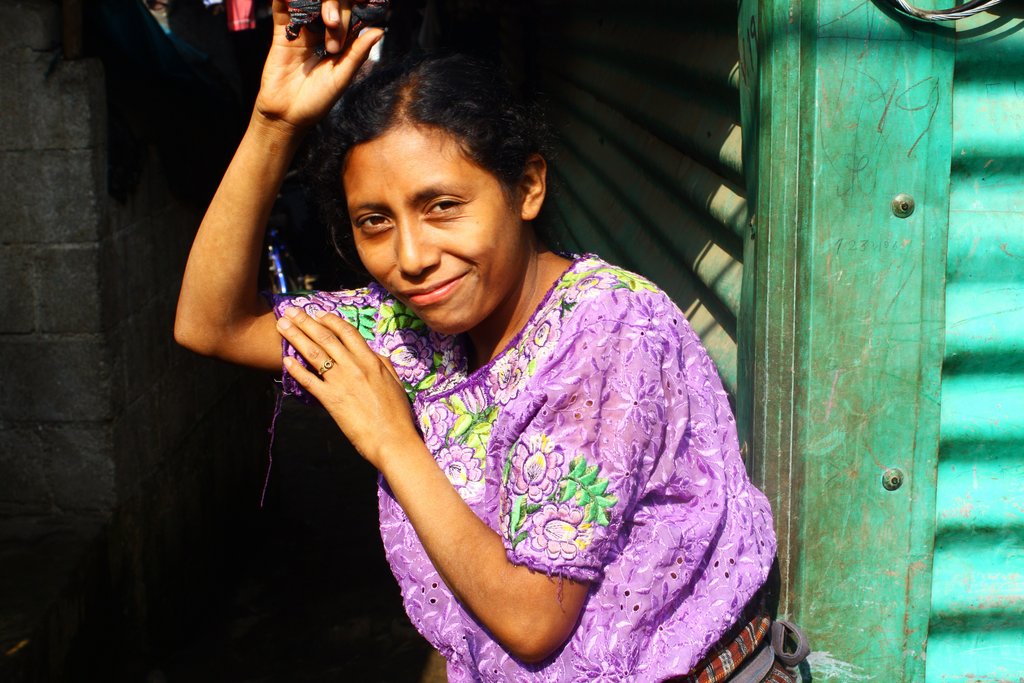
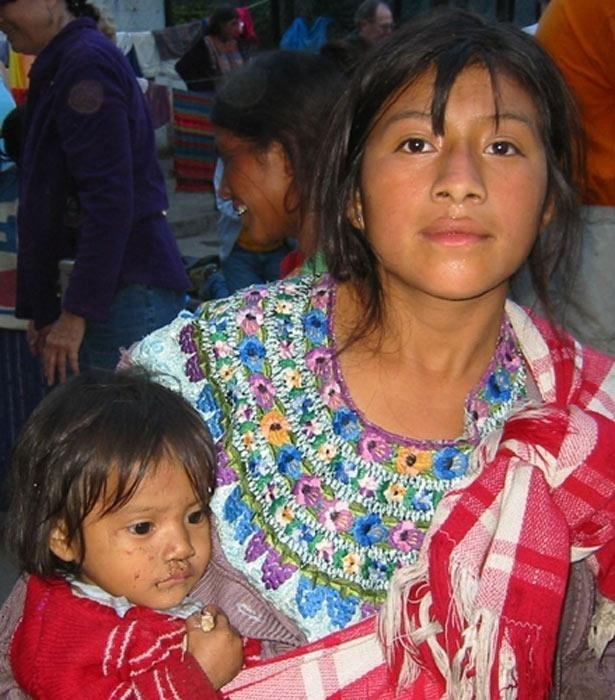
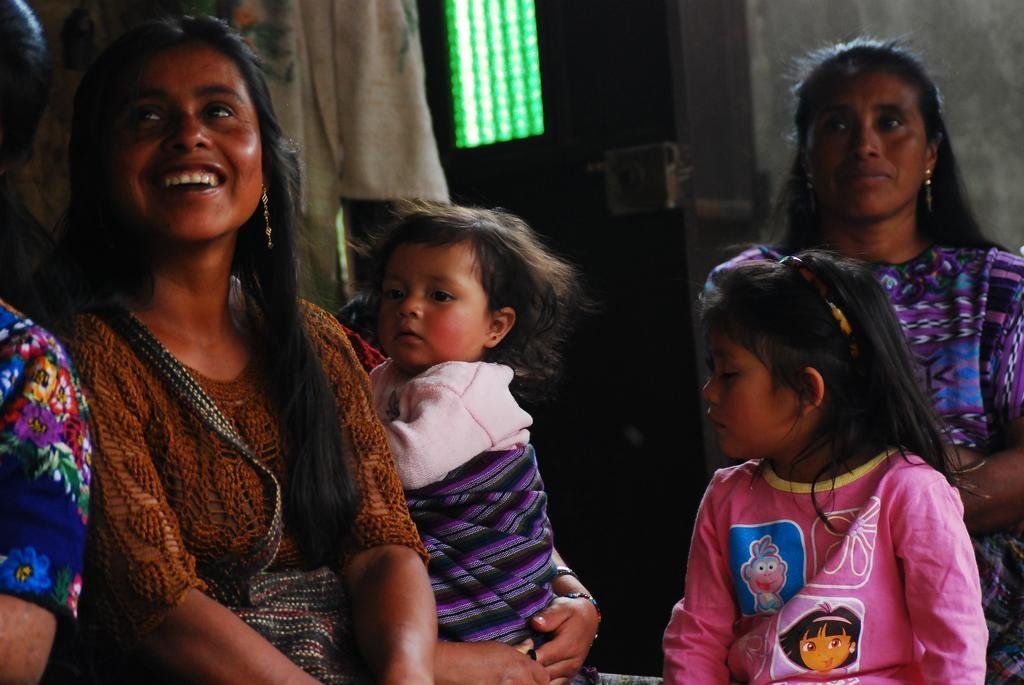
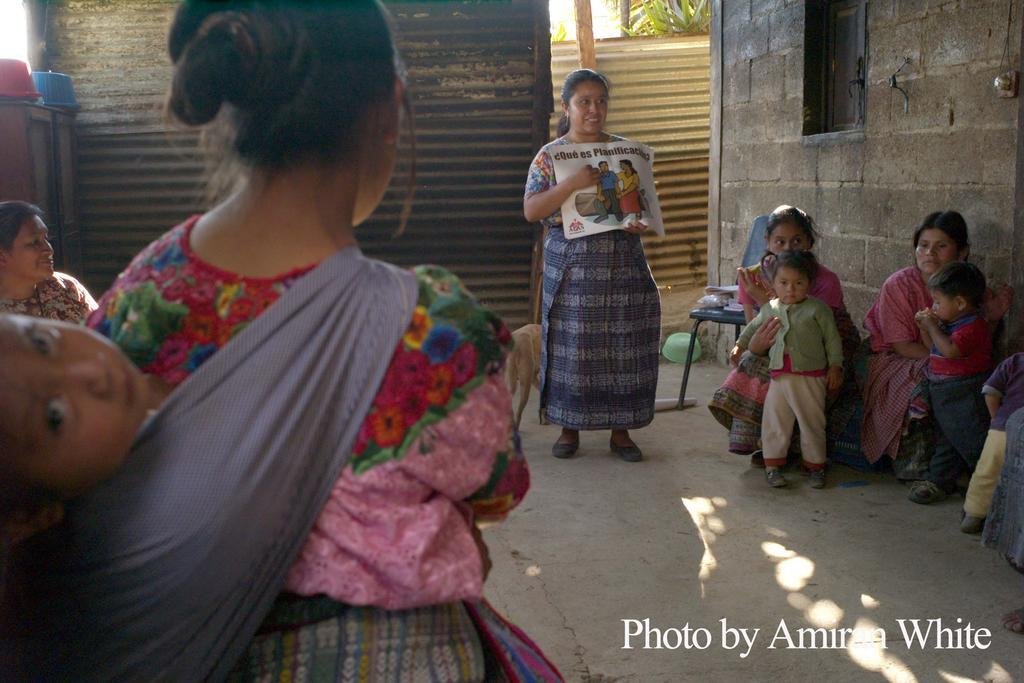
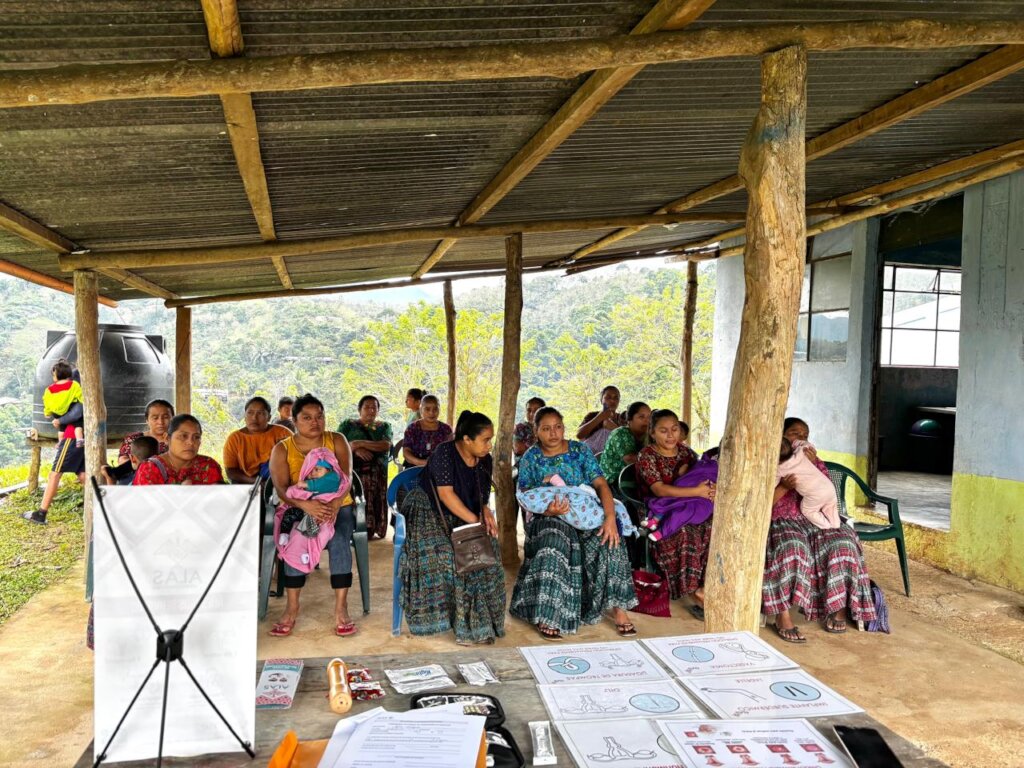
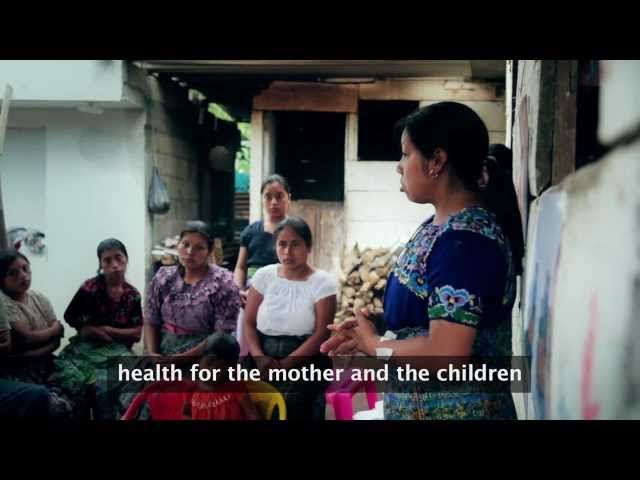
WINGS Guatemala provides quality reproductive health education and services to Guatemalan adolescents and adults, primarily those living in rural and in vulnerable conditions. By bringing services directly to communities through our clinics, mobile units and volunteer promoter’s network, and working with local partners, WINGS helps reduce the geographic, economic, and social barriers that can prevent people from accessing reproductive healthcare. Our work is particularly important as communities across Guatemala face increasing pressures from climate change.
The World Meteorological Organization has warned that the 2026 “El Niño” event could be the strongest in 70 years. El Niño changes weather patterns around the world, pushing some regions into drought while causing flooding in others. In Guatemala, El Niño contributes to rainfall deficits and prolonged dry spells. Drought reduces harvests and agricultural wages, leaving households with less income and food available to them. As families restrict their diets, malnutrition increases, and malnourished people are more likely to become sick. Guatemala’s vulnerability to these effects is systemic. More than half of the population lives in poverty; one in two children under five already suffers from chronic malnutrition, the highest prevalence on the continent; rural livelihoods depend directly on subsistence agriculture or agricultural day labor, both of which depend on rainfall; water is scarce, and the country lacks a law regulating equitable access to water. The degradation of watersheds further amplifies the effects of each rainfall deficit.
According to the Institute for Research in Natural Sciences and Technology at the Rafael Landivar University in Guatemala, the period from May to August 2026 has been among the driest on record in many areas of Guatemala. At least 18 of Guatemala’s 22 departments are exposed to water deficits, and severe drought has resulted in widespread crop losses. A study conducted by Oxfam in Guatemala, Honduras, and El Salvador found that eight out of ten households in the Dry Corridor have lost between 75% and 100% of their maize harvest. This is further compounded by rising oil prices, which increase the cost of fertilizers, transportation, and living baskets, placing additional pressure on already vulnerable households. An estimated 3.2 million people in Guatemala are currently facing acute food insecurity, against a nutritional baseline that is already considered a national emergency. Water scarcity disproportionately affects women and girls, who are often responsible for collecting and managing water within rural households. Previous food crises have shown how economic pressure can increase risks for girls and adolescents, including child marriage and interrupted education, as households adopt coping strategies in response to financial hardship.
In this context, access to quality reproductive health education and services provided by WINGS is an essential part of resilience. When families are coping with food insecurity and reduced income, the ability to decide whether and when to have children becomes even more important. Family planning allows women and families to make decisions that reflect their circumstances and priorities, while helping protect maternal and infant health during periods of heightened vulnerability.
WINGS works to ensure that these choices remain accessible, particularly for people living in rural and underserved communities. During the first six months of 2026, WINGS provided 2,890 permanent contraceptive methods and 3,755 long-acting reversible contraceptive (LARC) methods, including IUDs and hormonal implants. We also provided 23,975 short-acting reversible contraceptive (SARC) methods, including injections, birth control pills, condoms, and emergency contraceptive pills.
Together, these services contributed to an estimated 25,080 unplanned pregnancies prevented, 11 maternal deaths prevented, and 142 infant deaths prevented during the first half of the year. As climate-related pressures continue to affect communities across Guatemala, maintaining access to high-quality reproductive health education and services will be increasingly important.
We are deeply grateful to our GlobalGiving donors for making this work possible. Your support enables us to bring our services to communities that face some of the greatest barriers to accessing reproductive health education and services, including during times of crisis.
Project reports on GlobalGiving are posted directly to globalgiving.org by Project Leaders as they are completed, generally every 3-4 months. To protect the integrity of these documents, GlobalGiving does not alter them; therefore you may find some language or formatting issues.
If you donate to this project or have donated to this project, you can receive an email when this project posts a report. You can also subscribe for reports without donating.



Support this important cause by creating a personalized fundraising page.
Start a Fundraiser