By George Abraham | Project Leader
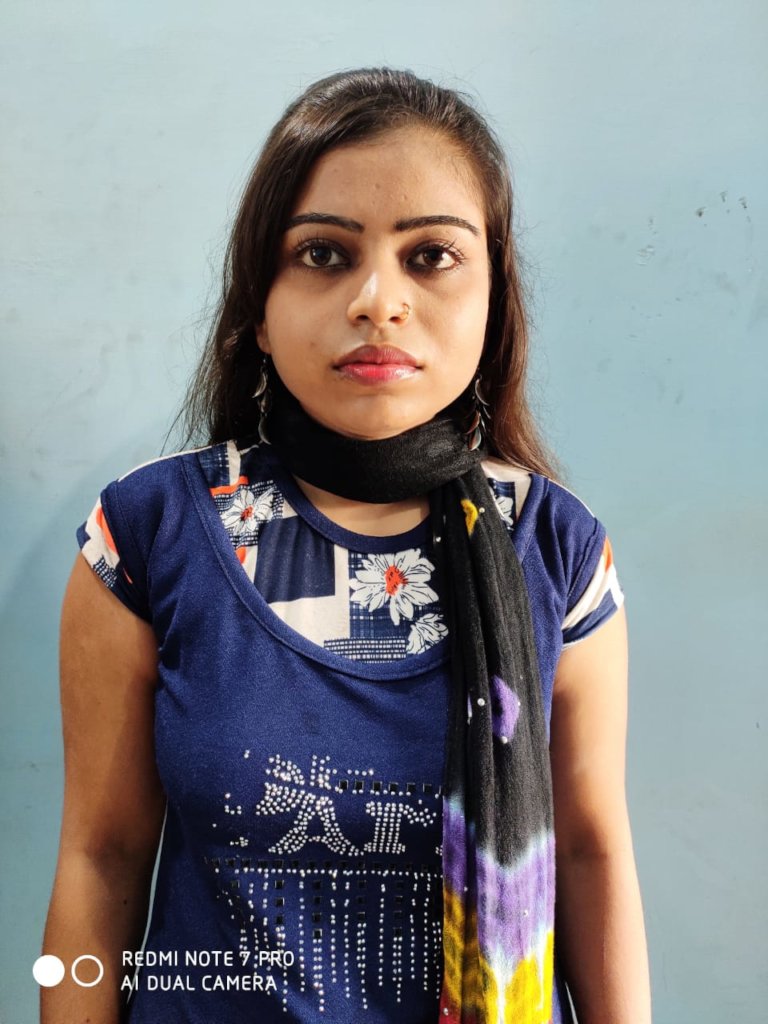
Life came to a standstill for Chandrakanta and her parents, when she suffered from gradual vision loss. She became totally blind when she was pursuing Class 12. Despite the loss of vision, she managed to finish her graduation.
Because of societal pressure and her disability, her parent’s natural instincts of protecting their child took over. They considered their blind daughter to be helpless and dependent throughout her life. But Chandrakanta had other plans. She refused to give in to the societal stereotype of being doubly disabled as blind women.
Chandrakanta had heard about government job reservations for persons with vision impairment. She was looking for help in finding a job. Soon after, she came across Eyeway’s helpline number and immediately made the call.
She inquired on ways to prepare for competitive exams so she could become eligible for employment. While our counselors told her about tools and techniques of accessing study material and filing job applications, the team also helped build her confidence to adjust and deliver in a mainstream work set-up. Eyeway guided her with demos to use screen reading software to access computers and several other apps that would make her independent.
A quick learner, Chandrakanta cracked the state exam, landing a clerical position with a bank. But the bank stalled in issuing her an offer letter. She suspected discrimination on grounds of her disability. Eyeway informed her of the provisions and guidelines laid down by the government for employment and reasonable accommodation in terms of accessibility at the workplace.
Armed with the knowledge of her rights, Chandrakanta confronted the bank officials, explaining to them her abilities and ways in which she could deliver in her role, like any able-bodied person. When she demonstrated how she could work using computers and other assistive devices, the bank caved in.
Today Chandrakanta is employed as a clerk with the same bank. She dreams of climbing up the organizational ladder by acquiring better skills.
Women with a disability tend to face more challenges and difficulties in both personal and public spaces. The impact of these challenges can be seen in their education, employment, personal relationships, and living conditions. In the public sphere, they face discrimination at the time of seeking employment, promotion, and inequality of pay for the same amount of work as their male counterparts. In personal space, they are at a greater risk of experiencing gender-based violence, neglect, mistreatment, and sexual abuse.
Almost 50% of the blind population of India is constituted of women but the majority of calls on the Eyeway helpline are made by men. To be specific, only 7% of our callers are visually impaired women. To change that, a lot of effort and work needs to done to empower these women and their families to challenge the general disbelief in their abilities.
We were able to guide Chandrakanta, but there are many more women like her who still need our help. Eyeway is a platform, where information is provided to such women. Donate and show your support for our work.
Links:
Project reports on GlobalGiving are posted directly to globalgiving.org by Project Leaders as they are completed, generally every 3-4 months. To protect the integrity of these documents, GlobalGiving does not alter them; therefore you may find some language or formatting issues.
If you donate to this project or have donated to this project, you can receive an email when this project posts a report. You can also subscribe for reports without donating.