By Shruti Pushkarna | Project Leader
As soon as someone says the word ‘blind’ or ‘visually impaired’, we instantaneously picture a person with dark glasses, seeking someone’s shoulder for a crutch. How much beyond the dominant picture painted by sympathy and charity, can we visualize, when we think of disability? Common perception of blind people has left the society to think of them as people leading a life devoid of any possibilities, carrying on with life as mere dependents.
But is that really a true picture? Are we assuming that all the millions of visually impaired people in this country, lack ambition and have no dreams? Can we really make such a sweeping statement about a sizeable chunk of our population?
Absolutely not! Because loss of sight doesn’t necessarily translate into a loss of vision! There are many visually impaired people who’ve proven their ability by succeeding in different spheres of life.
Our Eyeway Helpdesk is witness to some such stories of people who exemplify optimism and tenacity. 34 year old Teena has been resilient from all adversities and discrimination from her husband’s family even after 10 years of marriage. Veena a 15 year old girl from Kerala who is aspiring to be a medical doctor, doesn’t want inaccessibility to become a challenge to her aspirations. Doreyappa from Karnataka is industrious, and looking for ways to enhance his business to support his family. And Ranjan from Maharashtra is pursuing school, computer training and music all together to compete well with his sighted counterparts. These are all examples of people who have the will to defeat the odds.
What then is stopping them?
It is the lack of will in the society to alter their persistent narrow thinking. The claws of social and cultural conventions, economic marginalization and lack of political will are holding back the blind citizens of the country from leading equally dignified lives. Setting no or low expectations from blind people and thereof a lack of enabling environment restraints them to a state of dependency. But stories like Teena’s make us rethink and question the stereotypes in our minds.
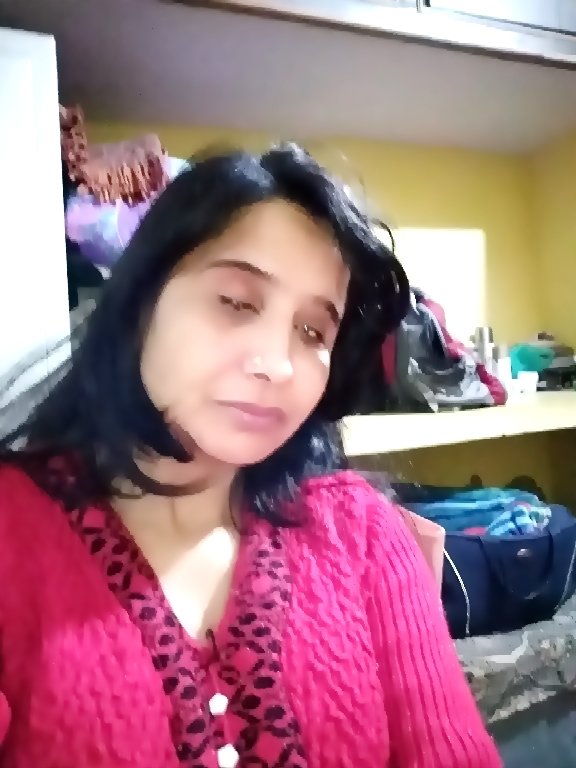
A native of Hapur city in northern Indian state of Uttar Pradesh, Teena is 80% visually impaired. Born into a family of farmers, she is the youngest among two other siblings. Teena has suffered from eye problems right from birth and her vision kept deteriorating over the years. But nonetheless she managed to finish her Masters in Sociology in a mainstream institution.
She was fortunate to find a job as a playschool teacher right after completing college. Later she also worked as a tele-caller in a financial company. At 24, Teena was married and she moved cities to go live with her husband’s family. Before the marriage, her in laws were made aware of Teena’s deteriorating eye sight and her inability to conceive a child. They wholeheartedly accepted her despite all health issues. But once married, Teena was asked to leave her job citing that her husband’s income was enough to provide for everyone in the family. Her vision kept deteriorating further and over a period of few years the in laws including her husband turned hostile towards her.
They started seeing her as a burden, given the lack of sight and ability to bear a child. The family didn’t need her anymore and so they pushed her out. Teena was sent back to her paternal home after ten years of marriage. She struggled with a broken marriage, loss of vision, overall ill health and unemployment. But despite all odds, Teena didn’t completely give up on life. One of her acquaintances told Teena about the Eyeway helpline for blind and visually impaired and she decided to contact us.
She spoke to our Helpdesk counselor, expressing her fears of the uncertainties that lay ahead. She was depressed primarily because she had no means of financial independence. Understanding her concerns and anxiety, our counselor suggested that she upgrade her skills to secure a more viable job as someone with 80% visual impairment. We recommended her to enroll in a computer training program which would enable her to work in a mainstream environment.
Following our advice, Teena moved to the capital city of Delhi with one of her close relatives. With Eyeway’s help, she enrolled for rehabilitation and computer training and also managed to get a job as tele-caller with a BPO.
While Eyeway restored her confidence, it was Teena’s self-determination and strong will which helped her overcome all the odds. Eyeway’s intervention rekindled her life, giving her a new direction to move forward.
Project reports on GlobalGiving are posted directly to globalgiving.org by Project Leaders as they are completed, generally every 3-4 months. To protect the integrity of these documents, GlobalGiving does not alter them; therefore you may find some language or formatting issues.
If you donate to this project or have donated to this project, you can receive an email when this project posts a report. You can also subscribe for reports without donating.