By Daniel Laurendeau | Vice President of Operations
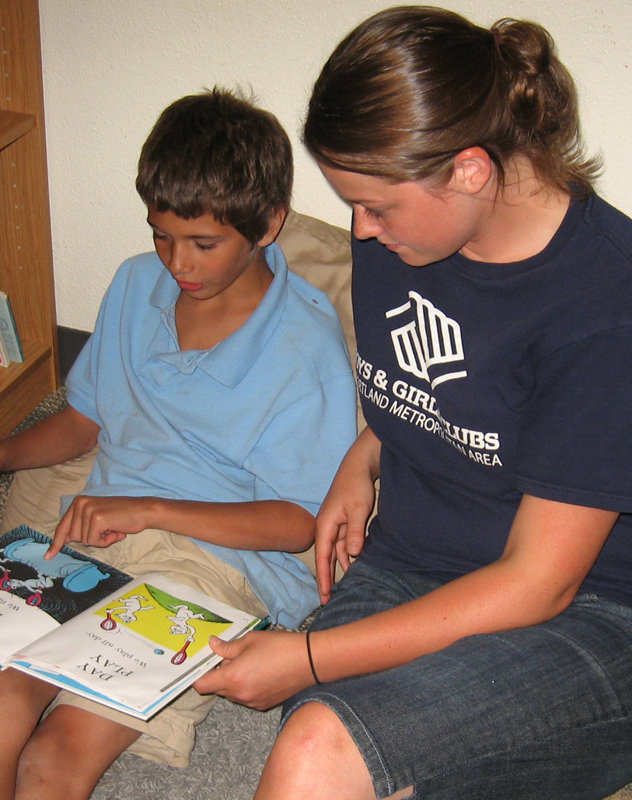
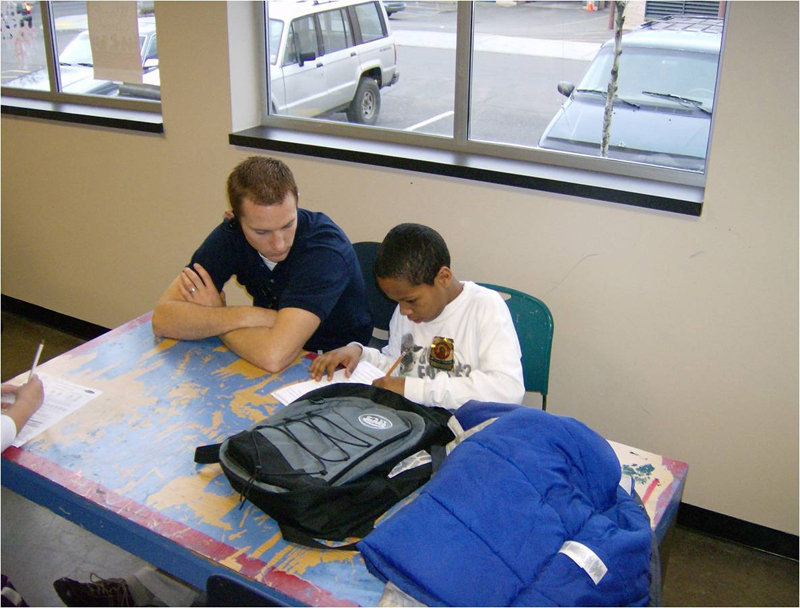
At the start of the program year (September of 2013), there were 223 total youth enrolled in the Literacy Intervention program; however by year end there were 190 of the original youth who maintained enrollment as participants. The 33 youth who did not remain in the program were dropped primarily due to families moving outside of the program service area (an issue that is common among the low-income families who are served by the Boys & Girls Clubs, where families tend to be more transient due to employment needs, loss of housing or other family connections).
As participants dropped out of the program, new youth were enrolled; however, these youth were not tracked with the original cohort group that began in the fall, to ensure that the outcome data would not be distorted. At year end, Including the new youth who joined the program late, there were a total of 221 youth enrolled - 190 who had maintained participation through the entire program year and 31 youth who joined mid-year (December 2013) or later.
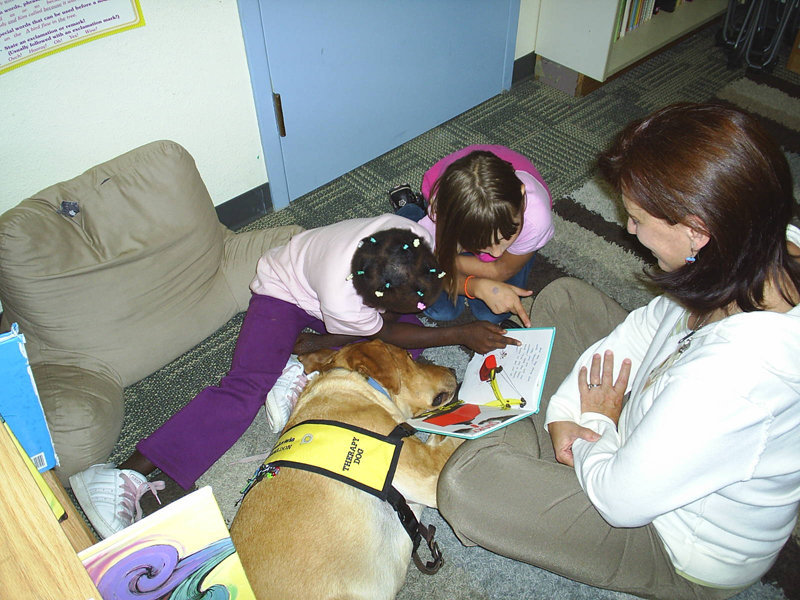
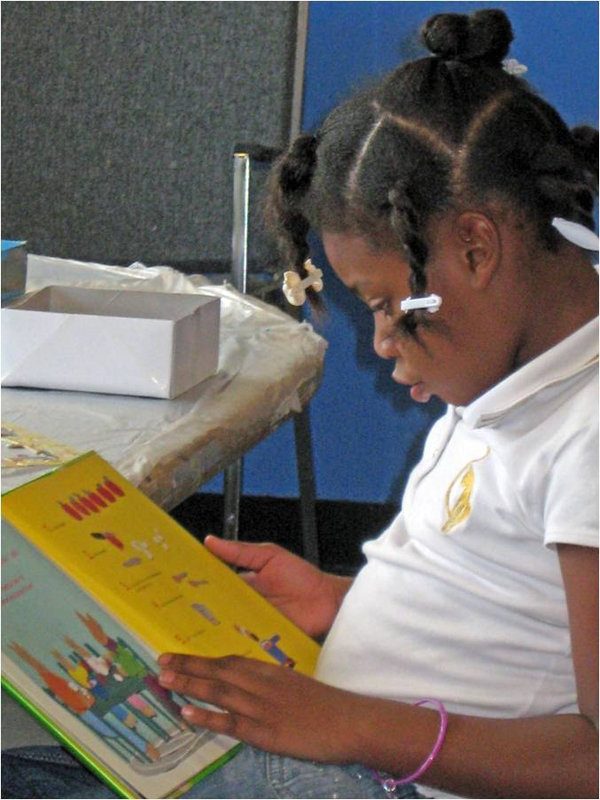
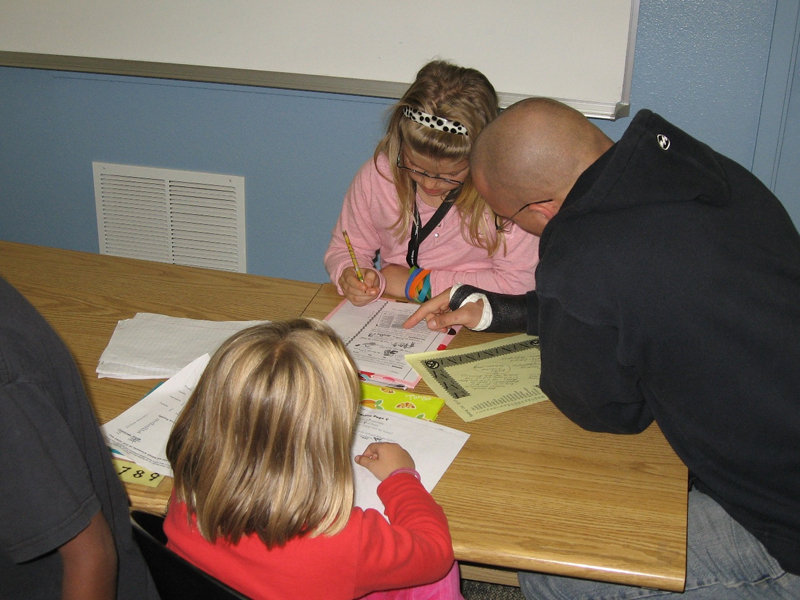
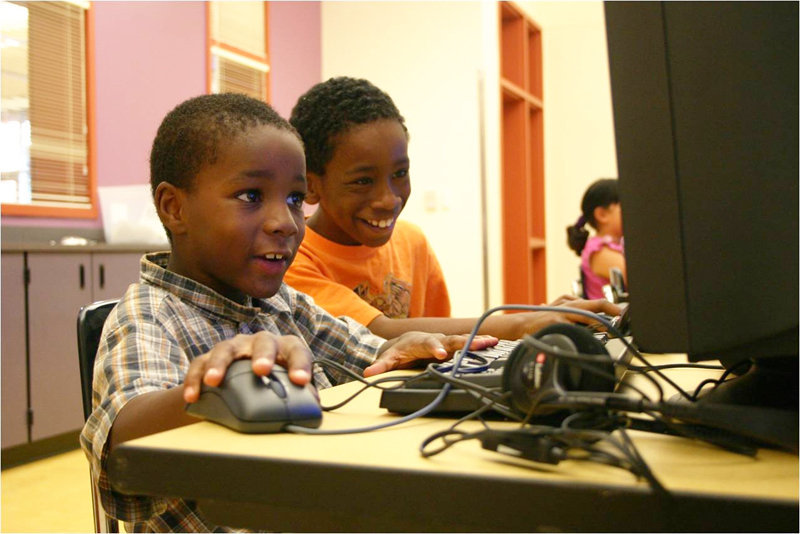
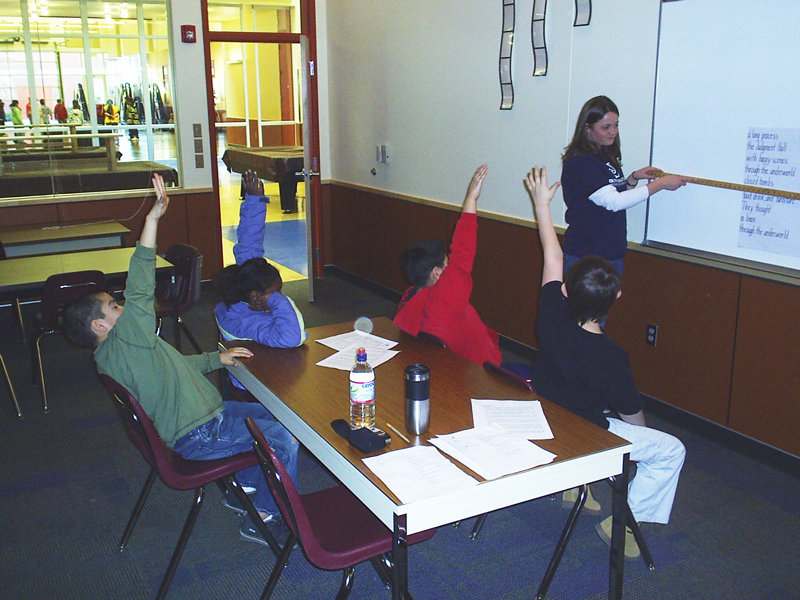
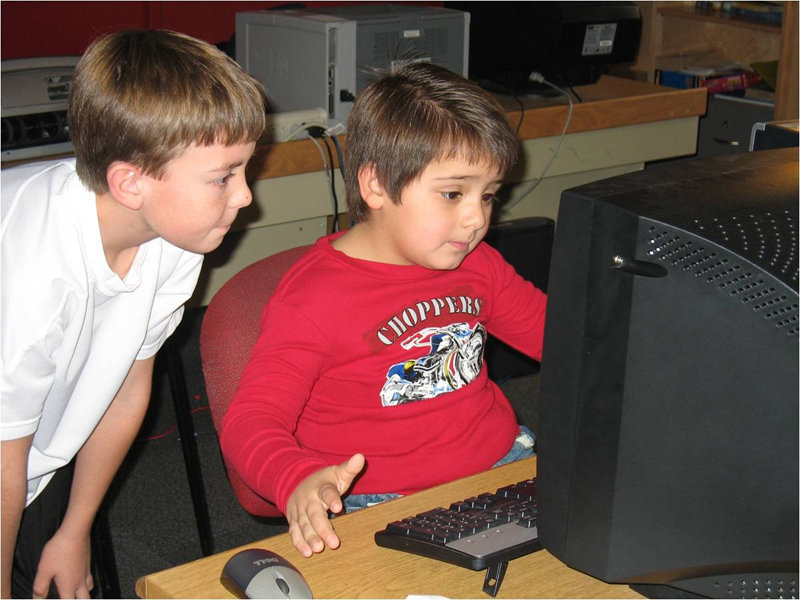
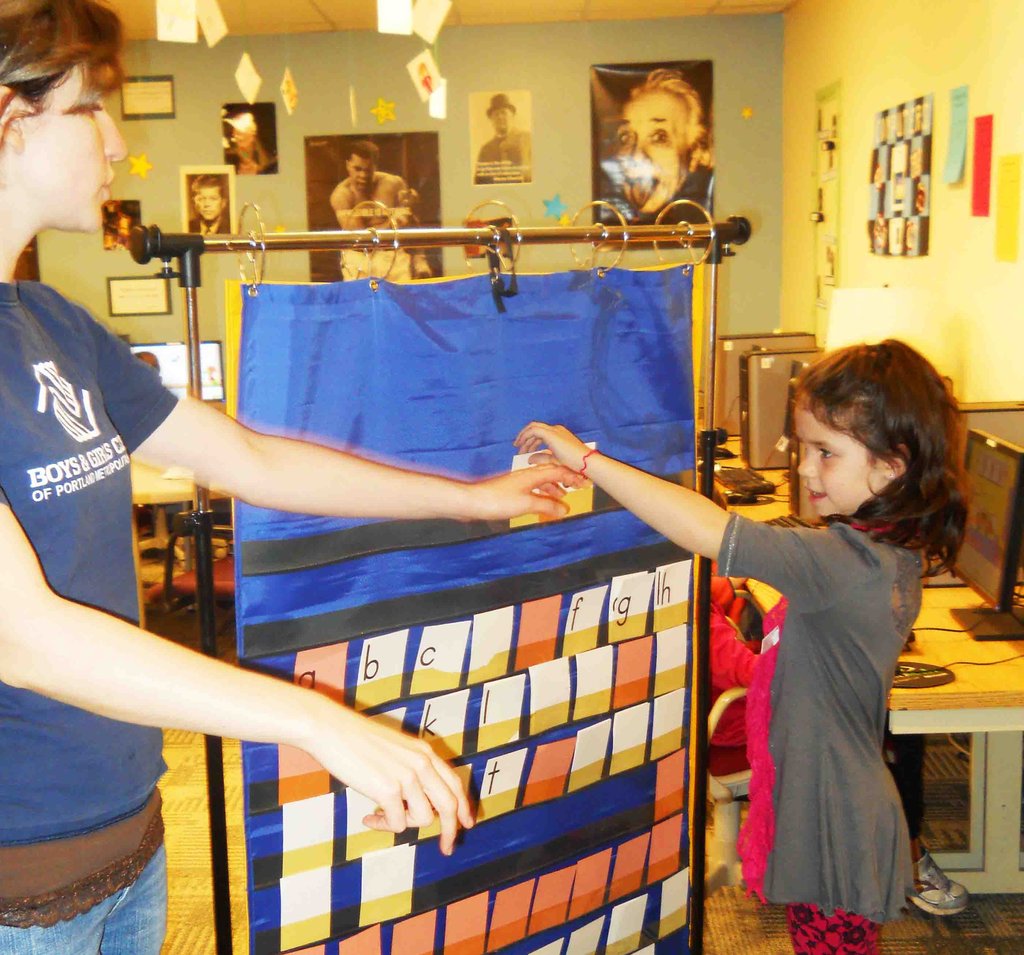
All 190 youth who were tracked for reading proficiency gains ranged from 1st through 5th grade students. The Literacy Intervention staff utilized DIBELS (Dynamic Indicators of Basic Early Literacy Skills) assessments to track and measure the reading proficiency of all participants. The assessments were administered every two months to gauge the progress of youth, with the pre and post test scores for the program year being used to measure participant reading achievement gains. The average documented reading proficiency gain for the 190 youth was 66% at year end. The fact that the entire cohort group achieved 66% median gain demonstrates that the participants clearly exceeded the goal of 40%.
In the coming 2014-2015 program year, which will begin in September 2014, we plan to implement a math intervention component that will help provide opportunity to reinforce math skills among participants. However, at this current time, the final decision on the program implementation has not been completed. We are working in conjunction with five local school districts to receive their input on what this program should be and how to track the outcomes most effectively, while supporting our participant’s in-school time. We do however anticipate being able to report on the outcomes of this academic math program at the close of the next program year.
Project reports on GlobalGiving are posted directly to globalgiving.org by Project Leaders as they are completed, generally every 3-4 months. To protect the integrity of these documents, GlobalGiving does not alter them; therefore you may find some language or formatting issues.
If you donate to this project or have donated to this project, you can receive an email when this project posts a report. You can also subscribe for reports without donating.