By Daniel Laurendeau | Vice President of Operations
The 2012-2013 program year, marks the seventh year of Targeted Literacy Intervention Programs being offered at the Boys & Girls Clubs of Portland Metropolitan Area (BGCP). This locally developed program was first implemented in 2006, to address a critical educational need among Club members who had been identified as struggling readers and who were failing to reach their grade level benchmarks: a trend that BGCP recognized was also coinciding with a dropout epidemic that had exceeded 50% in Portland Public Schools.
In response to this need, in September 2006, the first afterschool Literacy Center was established at the Meyer Memorial Boys & Girls Club, located in the community of Sellwood. In September 2007, the program was expanded to a second location with the grand opening of the Regence Boys & Girls Club in North Portland. In that same year, an in-school pull-out program was established in partnership with Rosa Parks Elementary School (co-located in the same facility as the Regence Club). In 2009, BGCP further expanded the program through the establishment of Literacy Centers at its remaining four Club facilities located across the Portland metro area; today, these programs remain operational at each of the following Club locations:
The high school dropout rate in the Portland area has been studied at length, and it is clear that there are early predictive factors (as early as elementary grade levels) among youth who fail to stay in school: 1) Students of minority are five times more likely to drop out; 2) Only 40% of students living in poverty graduate; and 3) Youth from single parent homes are almost twice as likely to drop out. These contributing factors are the reality for the majority of youth attending the Boys & Girls Clubs of Portland, where nearly 60% of members are minorities, nearly 70% come from low socio-economic circumstances, and one-third of members come from single parent homes. Furthermore, depending upon the disparities found within communities of individual Club sites these statistics rise drastically; for example, in North Portland as many as 85% of Club members served are minorities, 90% of members are from low-come families, and nearly 60% are from single parent homes.
If educators want to shrink the number of students who drop out of high school each year, they must greatly increase the number who can read proficiently by the time they're in fourth grade. Ralph Smith, executive vice president of the Annie E. Casey Foundation, says that for students who aren't proficient in reading by the time they enter the fourth grade, it's "pretty hard for them to catch up on anything."
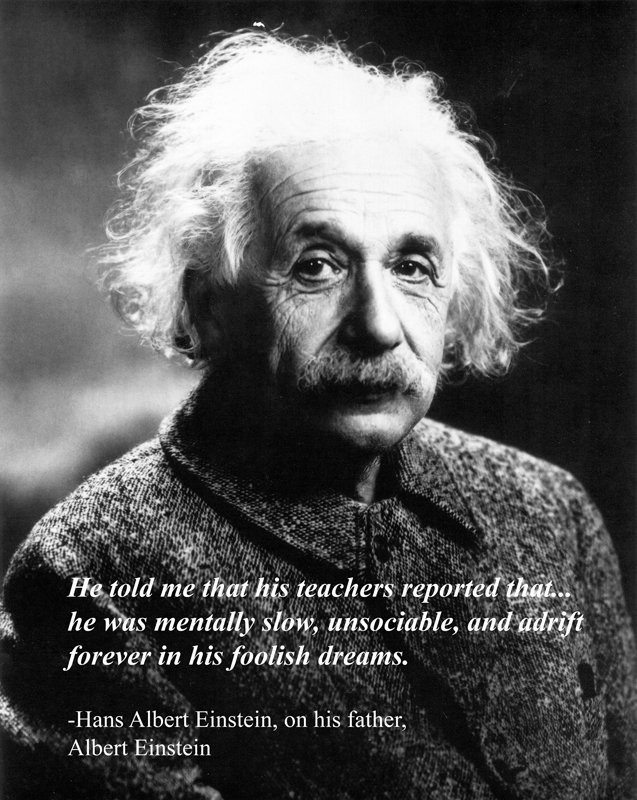
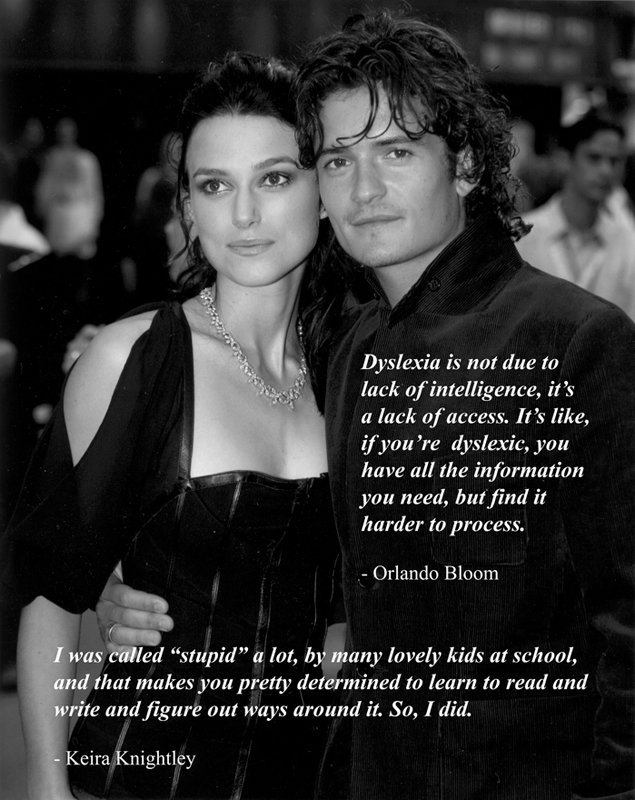
Beyond these well documented factors lies another instrumental issue which impacts the academic success of more than 10 million children in this country. According to the National Institute of Health 1 out of 5 youth (20%) are struggling with unique learning traits which impact the development of their reading success. This reality, compounded with the socio-economic factors listed above, is something that is witnessed each and every day among members who attend the Boys & Girls Clubs of Portland. The alarming rise in dropout rates is not a coincidence—this crucial issue cannot be ignored.
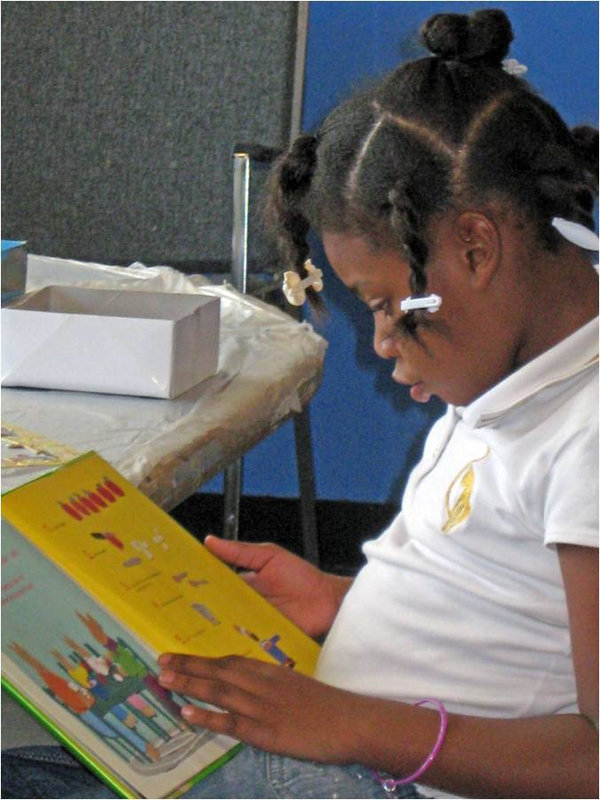
During the 2012-2013 program year, a total of 266 youth participated in the Targeted Literacy Intervention Programs. Most often, youth are referred into the program because they are not meeting their age appropriate benchmark goals, they have been identified with a unique learning trait, or they are displaying signs of becoming disengaged in the educational process. Youth were enrolled into the program with their parents/caregivers authorization.
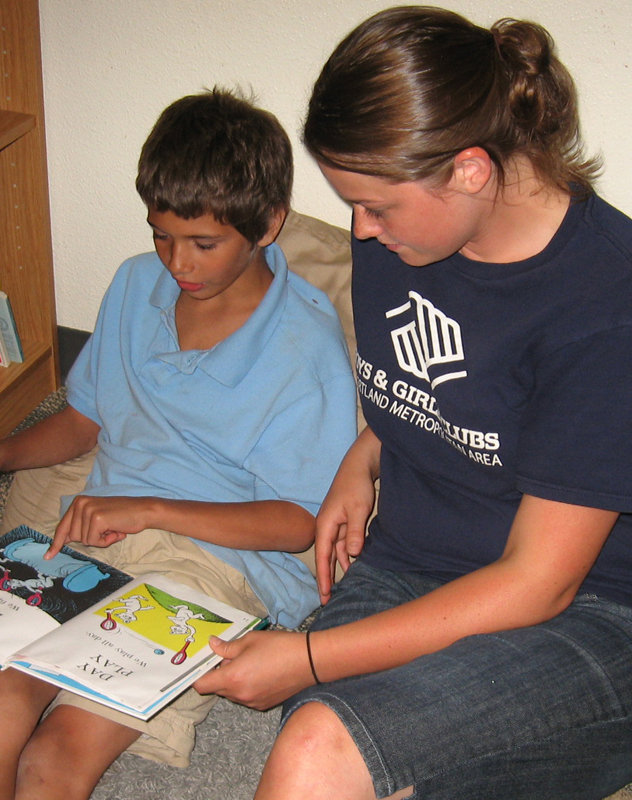
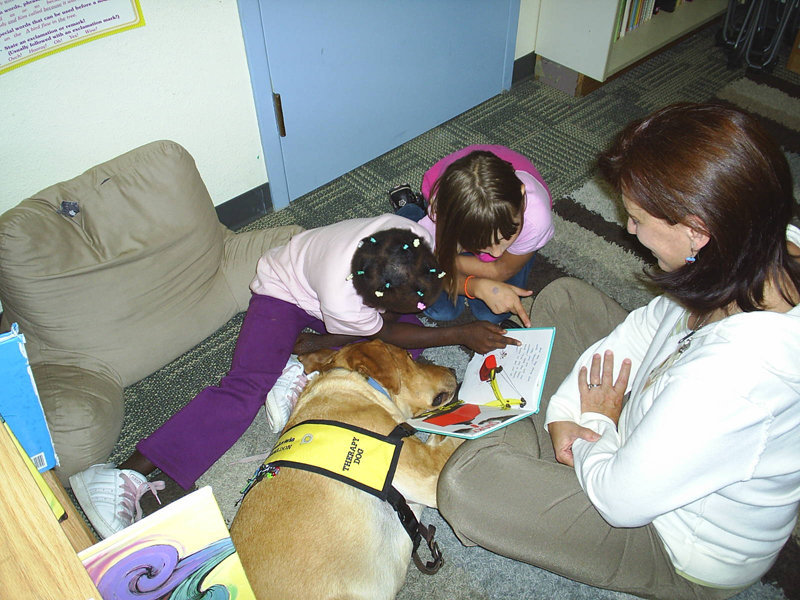
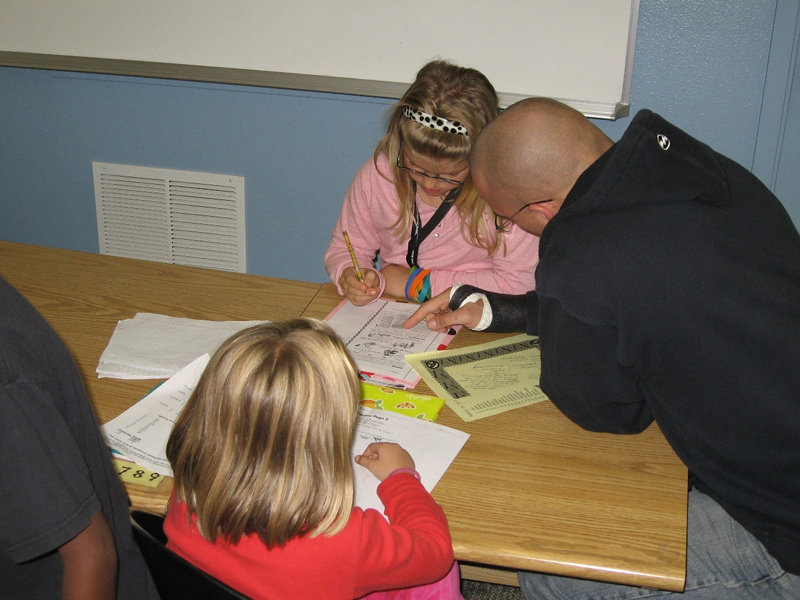
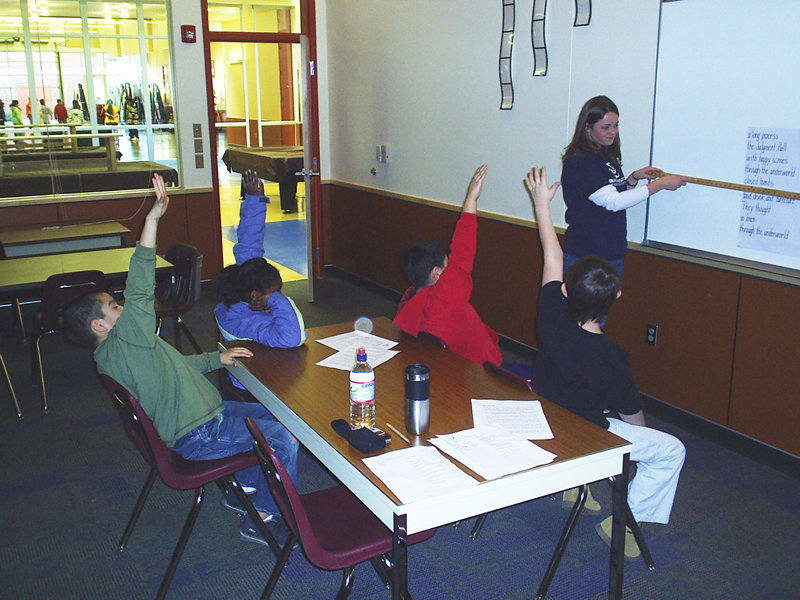
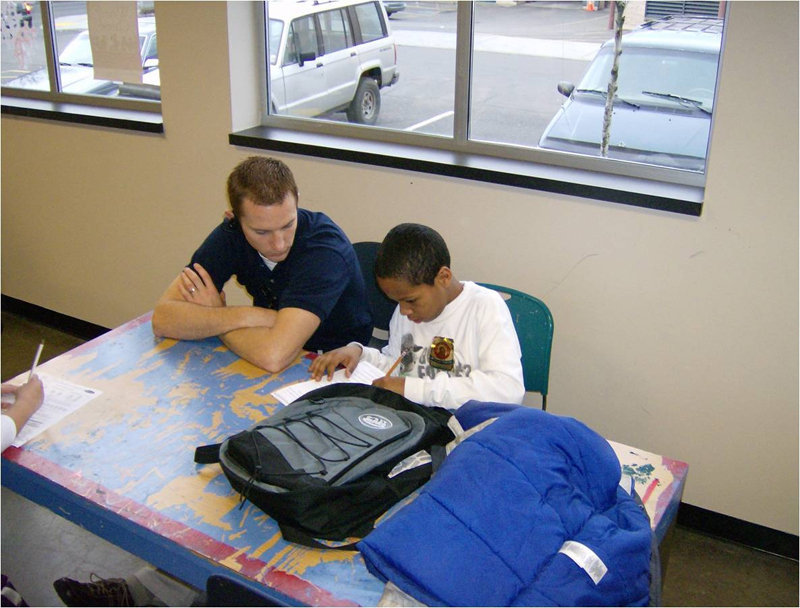
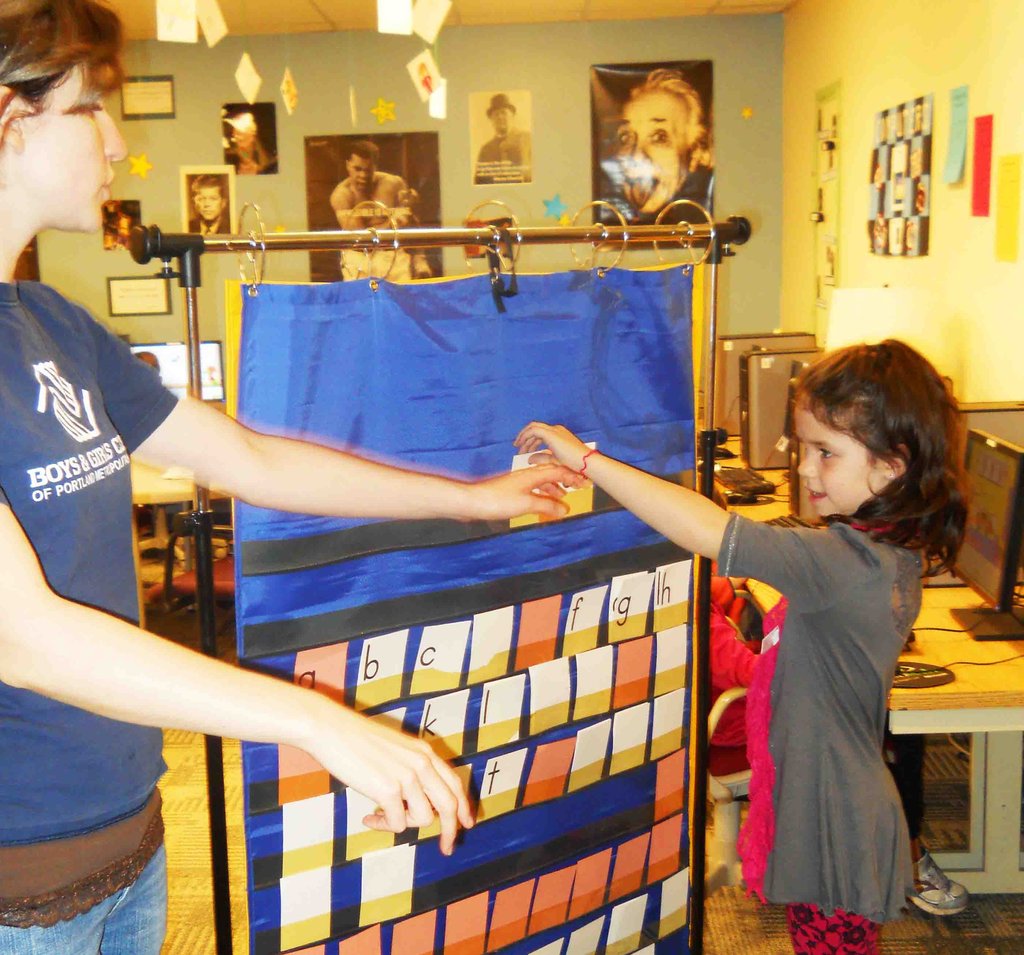
Each of the six Literacy Centers were open between the hours of 2:30 pm to 8:00 pm (Monday through Friday). Literacy Instructors developed hour-long lesson plans for small groups of 8 to 12 children, with multiple groups rotating into the Centers throughout the program day. Small groups consisted of youth ranging from 1st through 5th grades and groups were organized to meet both the age and skill appropriateness of participants. For example; a child may be a strong reader, yet struggle with his/her writing skills, and therefore might take part in a grade level reading group, while he/she is assigned to a writing group more appropriate for their skill level. All instruction time is designed to engage the involvement of the child’s visual, auditory, and kinesthetic modalities, while focusing on the simultaneous teaching of both the phonetic rules and the generalizations of the English language.
Throughout the course of the year, youth participants took part in the Targeted Literacy Intervention programs for an average of 4 hours a week, or for one hour a day during their regular attendance at the Club during afterschool hours. To measure the achievement of youth participants throughout the year, youth took part in regular Oral Reading Fluency testing, using the nationally recognized testing measurement known as DIBELS (Dynamic Indicators of Basic Early Literacy Skills). The outcomes of these assessments enable instructors to gauge the needs of youth and their individual development in reading skills.
Based upon scores obtained from the DIBELS assessments given throughout the program year, youth participants demonstrated the following outcomes:
Additionally, we also can observe that among the six Club sites that the following is true:
The Boys & Girls Clubs of Portland Metropolitan Area’s ultimate focus is centered upon being a catalyst for societal change; an effort that we clearly understand is not accomplished alone, but in-hand with many local community partners. To this end, during the 2013-2014 program year, BGCP plans to expand the number of youth served through the Targeted Literacy Intervention programs, but additionally is committed to obtaining empirical evidence demonstrating the reading proficiency of Club members by the end of the 3rd grade year. BGCP will accomplish this by administering DIBELS assessments to a minimum of 100 youth per site location (600 youth total) at the start and end of the program year.
The youth who will take part in these assessments will be a cohort (enrolled in grade levels 1st through 3rd grade), yet who are not enrolled in the Targeted Literacy Intervention programs. BGCP will use the outcomes of these assessments to further evaluate the effectiveness of our overall youth development programs on the educational success of Club members by the end of the 3rd grade; compared to their grade-level peers throughout the Portland metro area. This cohort of 600 youth will be evaluated during the fall of 2013 and again in the spring of 2014. The expectation of these assessments will be to demonstrate the impact of reading development upon youth who participate in a structured ongoing youth guidance and development program and the impact upon their reading skill development, compared to the general population.
For the past seven years, the academic outcomes which have resulted in the lives of youth who have participated in the Targeted Literacy Intervention programs have been demonstrated by measurable evidence; however, the impact on the lives of program participants has extended well beyond their educational achievements. Other areas of positive impact that are being witnessed in the lives of youth who take part in these programs are:
The evidence related to outcomes of the Targeted Literacy Intervention Programs is clear and has demonstrated the potential to both support and promote healthy learning development among youth who are recognized as struggling readers. Moreover, there is warrant for continued public and private support and investment in these programs, which is closing the educational gap for low-income children whose families have extremely limited resources available to them.
To ensure the continued effectiveness of the Targeted Literacy Intervention Program, BGCP is committed to ensuring ongoing program development and improvements, through providing the following during the 2013-2014 program year:
Since 2006, BGCP's quest for literacy has constantly remained in the process of deveopling key partnerships and supportive relationships with nationally recognized partners committed to the effort ofproviding academic support to youth struggling with reading and writing development. We believe that this review of the Targeted Literacy Intervention programs being offered by the Boys & Girls Clubs of Portland provides strong empirical support for the continuation and ongoing development of theseprograms. We hope these outcomes will continue to stimulate the support of caring donors who have shown thei support through Global Giving over the years.
Project reports on GlobalGiving are posted directly to globalgiving.org by Project Leaders as they are completed, generally every 3-4 months. To protect the integrity of these documents, GlobalGiving does not alter them; therefore you may find some language or formatting issues.
If you donate to this project or have donated to this project, you can receive an email when this project posts a report. You can also subscribe for reports without donating.