By Daniel Laurendeau | Vice President of Operations
I. Project Summary 2012-2013
Thanks to the leadership of the caring donors, during the current 2012-2013 program year, the Boys & Girls Clubs of Portland (BGCP) have been able to expand the tracking of outcome measurements to include youth participants
within a wider range of grade levels, adding 1st grade level participants. With the addition of first grade participants in 2012-2013, BGCP is tracking outcomes for a total of 216 elementary aged youth enrolled in 1st through 5th grades at schools spanning 3 counties across the greater Portland metro area.
BBGCP’s Targeted Literacy Intervention program measures the outcomes of youth through a number of measurement tools; one primary measurement tool is DIBELS (Dynamic Indicators of Basic Early Literacy Skills) used in schools across the county. DIBELS is utilized by BGCP to track the Oral Reading Fluency progress of program participants. Adding first grade participants does present a slight departure in comparison to other grade levels participating in the program. Though BGCP administered DIBELS assessments to the first grade
participants at the start of the program year (pre-test), a benchmark expectation for reading proficiency does not exist at the start of the 1st grade, yet this pre-test does provide us a benchmark to measure progress.
What this means is this, though we can establish a benchmark at the start of the program year, because 1st grade students have typically not yet been provided reading instruction (which begins at the first grade level), DIBELS assessments are not typically administered until 4 months into the school year. Therefore, though the following report provides data on first grade benchmarks at the start of the year, this information is only to demonstrate where this group of participants were at the start of the program, and should not be considered comparable an established national benchmark.
BGCP administers DIBELS assessments to participants three times a year, in the fall (October), winter (January/February) and the spring (June) to measure a child’s reading proficiency at appointed periods
during the program year and to also demonstrate the child’s improvement from start to end of their individual grade level.
The outcomes reported in the remainder of this report include the results of assessments which were performed in October 2012, at the start of the program year, and assessments which were administered to youth in February 2013, which provide mid-year outcomes.
II. PROGRAM DESIGN
During the current 2012-2013 program year, there are a total of 216 youth from six (6) Club site locations who are being tracked for outcome measurements through their participation in Targeted Literacy Intervention
programs which are demonstrated in this mid-year report.
The program currently serves youth enrolled in 1st through 5th grades across six Club sites, which are located in the
following three counties: Multnomah County (OR), Washington County (OR) and Clark County (WA):
Club Sites:
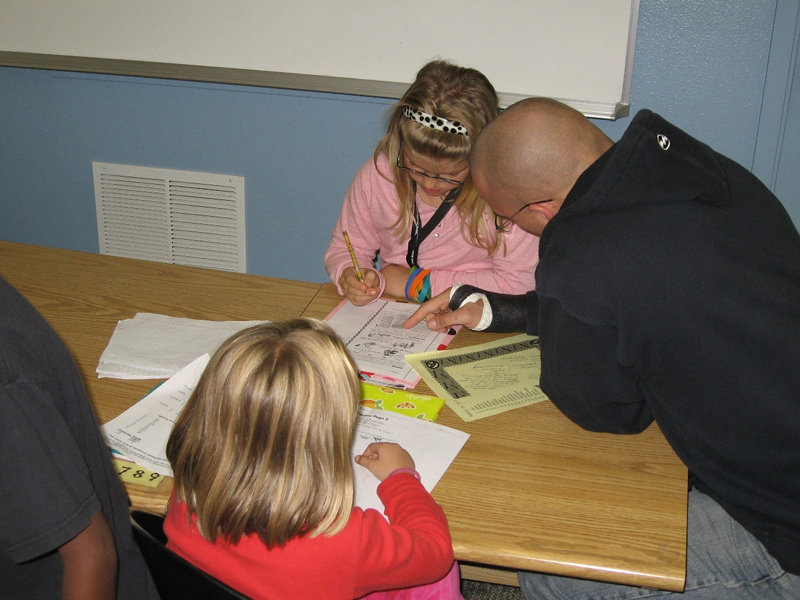
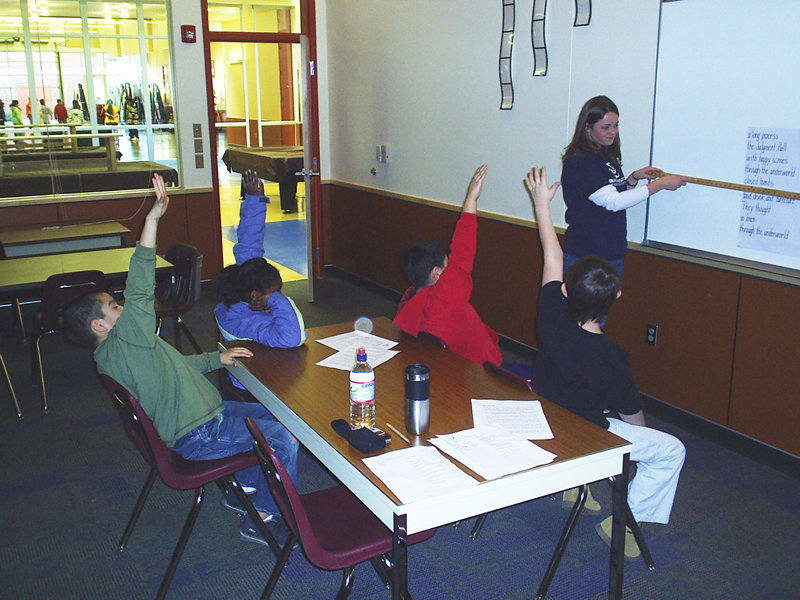
Literacy instructors develop hour-long lesson plans for small groups of 8 to 12 children, with multiple groups rotating into the Centers throughout the program day. Small groups are organized to meet both the age and skill appropriateness of participants, (a child may be a strong reader, yet struggle with his/her writing skills, and therefore might take part in grade level reading groups, while he/she is assigned to a writing group more appropriate to their skill level). All instruction time is designed to engage the involvement of the child’s Auditory, Visual and Kinesthetic modalities, while focusing on the simultaneous teaching of both the phonetic rules and the generalizations of the English language.
The primary instructional method being utilized by the literacy instructors is the Slingerland Multisensory Approach®, which has been utilized in both public and private schools for more than 60 years. The Slingerland Multisensory Approach is not a curriculum, but a teaching method, which is adaptable to any form of academic material.
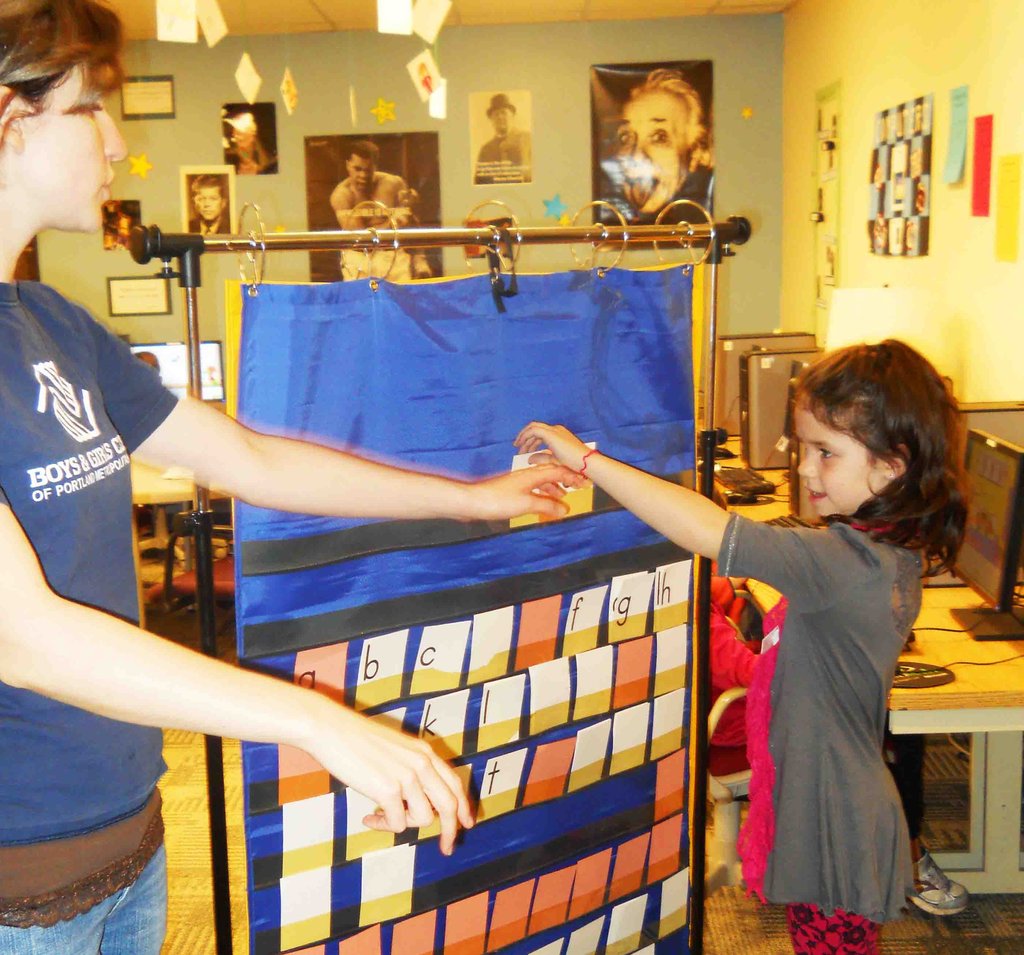
For beginning readers, instruction begins with the smallest unit of sight, sound, and touch—a single letter. Expanding upon that single unit, children were taught through an approach that strengthens intersensory associations, enabling their strongest channels of learning to reinforce the weaker. From single letters, participants are taught how to associate sounds with their visual counterparts, put letters together to spell words, add suffixes and prefixes, write phrases, and sentences and paragraphs. For children in more advanced groups, instead of working on a weekly spelling list for example, instructors provide them a dictation paragraph, teaching them concurrent practice with punctuation, capitalization, and language mechanics, as well as spelling.
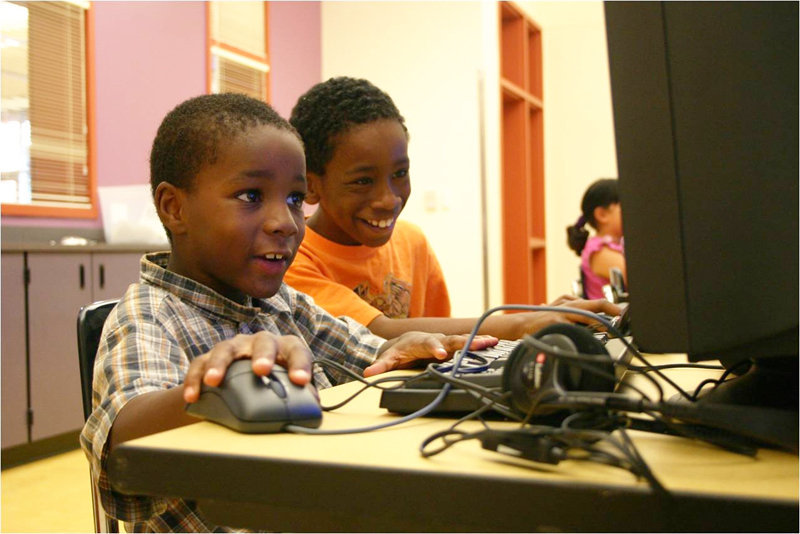
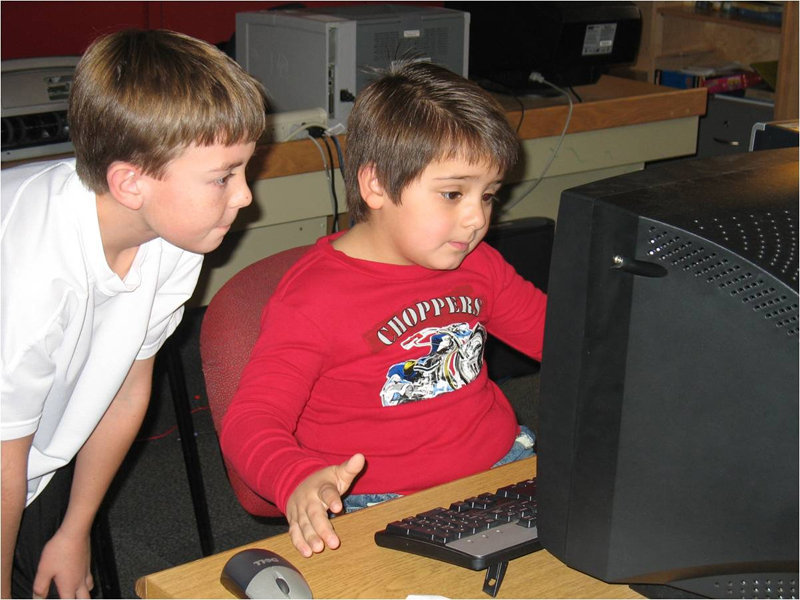
Additionally, each of the Literacy Centers is equipped with up to 10 workstations or laptops with access to multiple on-line education tools. Each of these on-line programs is researched based and has been designed to enhance the academic success of elementary grade students and struggling readers, offering self-paced, interactive, and fun opportunities, which enhance the learning process. The Literacy Centers also offer a variety of academic programs proven to increase engagement in school, promote on-time grade progression and self-sufficiency among members.
Youth participants involved in the after-school programs attend their local Boys & Girls Club an average of 3 to 4 days each week, averaging 4 hours per visit at the Club. During each visit, these youth attend the Literacy Centers to participate in hour-long literacy group sessions, while the remainder of their time at the Club permits them to participate in a number of fun, creative programs, which are designed to keep them productive and engaged, while learning to develop the skills of good citizenship and responsibility. Each participant averages 3 to 4 hours each week involved in after-school targeted literacy programs.
III. OUTCOME MEASUREMENTS ORGANIZATION WIDE
The following information details the combined median scores for all participants from each Club site and by each grade level at pre-testing (October 2012) and at mid-year-testing (February 2013). Additionally it should be noted that the following mid-year scores (though each demonstrate improved reading proficiency by each grade level), represents youth who have been enrolled into the program based upon the need for substitutional instruction,
The need of each of these participants varies from participant to participant as well as by grade level. For example, among all program participants, those enrolled in 4th and 5th grade in the current program demonstrate some of the most identifiable unique learning traits among the youth currently involved in the program, which is clearly demonstrated by the outcome of their oral reading fluency scores compared to their expected mid-year benchmarks demonstrated below. BGCP outcome measurements are not attempting to demonstrate these children are achieving their expected grade level benchmarks, as much as demonstrating their successes.
Based upon scores obtained from the mid-year DIBELS assessments, youth have demonstrated the following outcomes:
Based upon the mid-year outcomes demonstrated in this report, BGCP is confident that final outcomes being reported through the DIBELS data system for the current program year will demonstrate strong achievement gains in the reading development among the total youth who are being served through this program.
Project reports on GlobalGiving are posted directly to globalgiving.org by Project Leaders as they are completed, generally every 3-4 months. To protect the integrity of these documents, GlobalGiving does not alter them; therefore you may find some language or formatting issues.
If you donate to this project or have donated to this project, you can receive an email when this project posts a report. You can also subscribe for reports without donating.