By Stephen Perlman | Consultant, HTAC
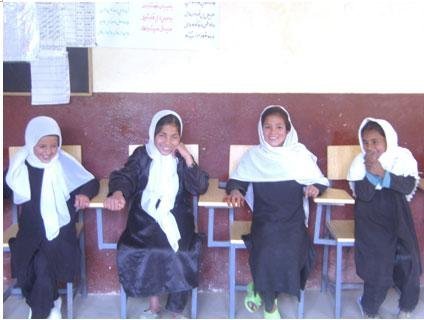
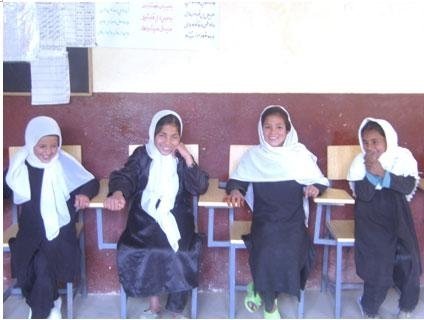
It was the first day of school and Laila, an otherwise bright and energic 14-year-old girl, was struggling to recite the words in the old textbook that had been written for 4th and 5th graders. The more she struggled, the more frustrated and humiliated she felt as she heard the giggling among her classmates. Ms. Zarghona, her teacher, quickly recognized the problem and kindly asked Laila to sit. Laila was illiterate.
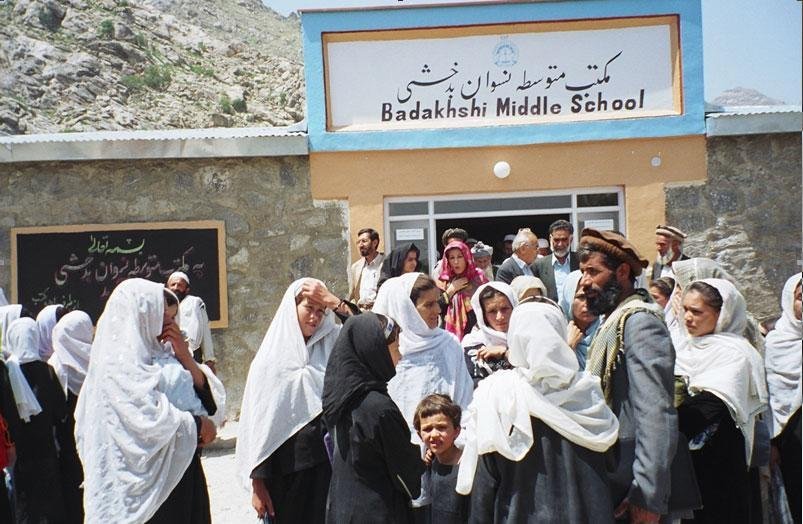
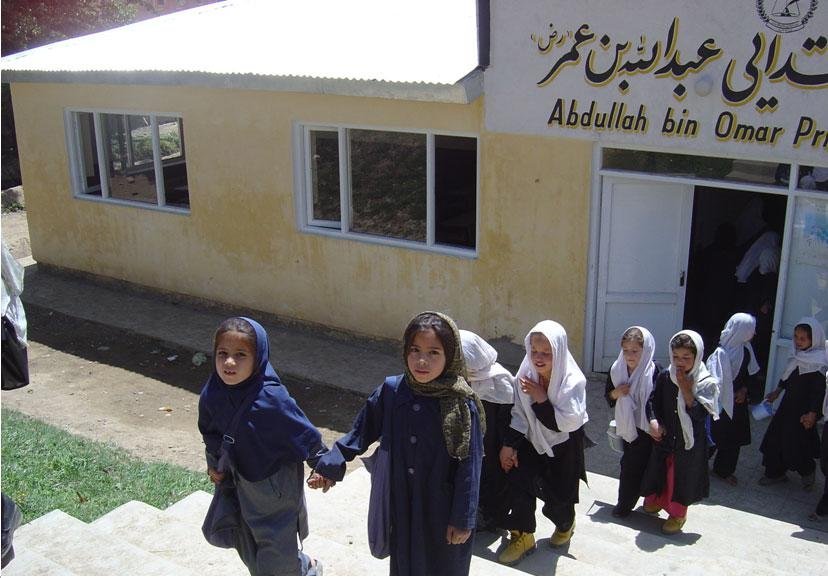
Despite a huge investment in building more schools, enrolling more students (especially girls), and training teachers, literacy in Afghanistan remains dismal. Recent reports suggest current literacy levels among all Afghans is somewhere between 34% to 38%; about 50% to 55% among men, but only 18% to 22% among women. While literacy rates are lowest in the underdeveloped provinces, many adults and children living in urban areas cannot read and write. Without literacy skills, most young men and women are doomed to a life of poverty, unless they belong to or marry into a wealthy family.
Even at many schools where reading is taught, there are serious barriers to literacy. A primary problem is that many Afghan textbooks are out of date and boring; another problem is that too many teachers emphasize memorization rather than comprehension. As a result, children are not sufficiently motivated to learn to read.
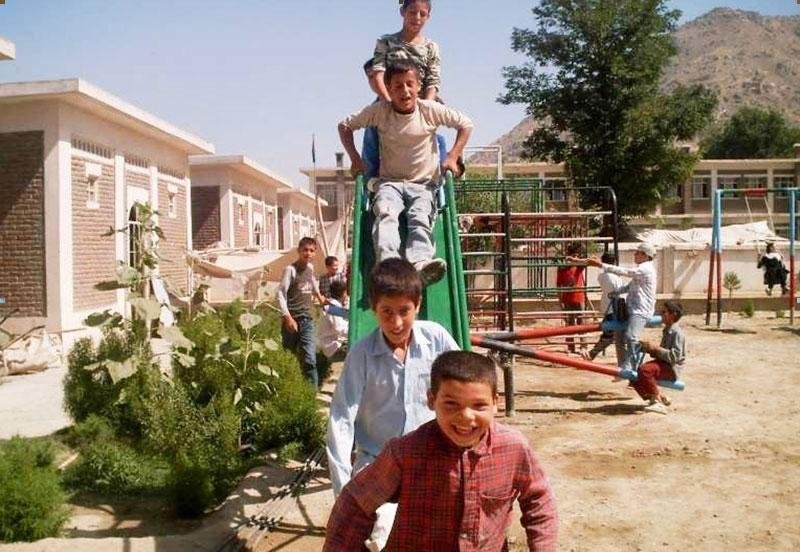
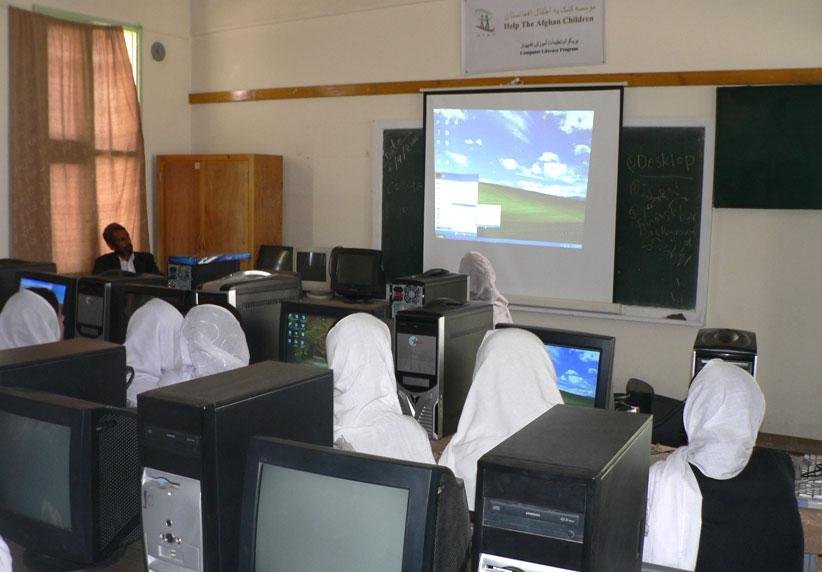
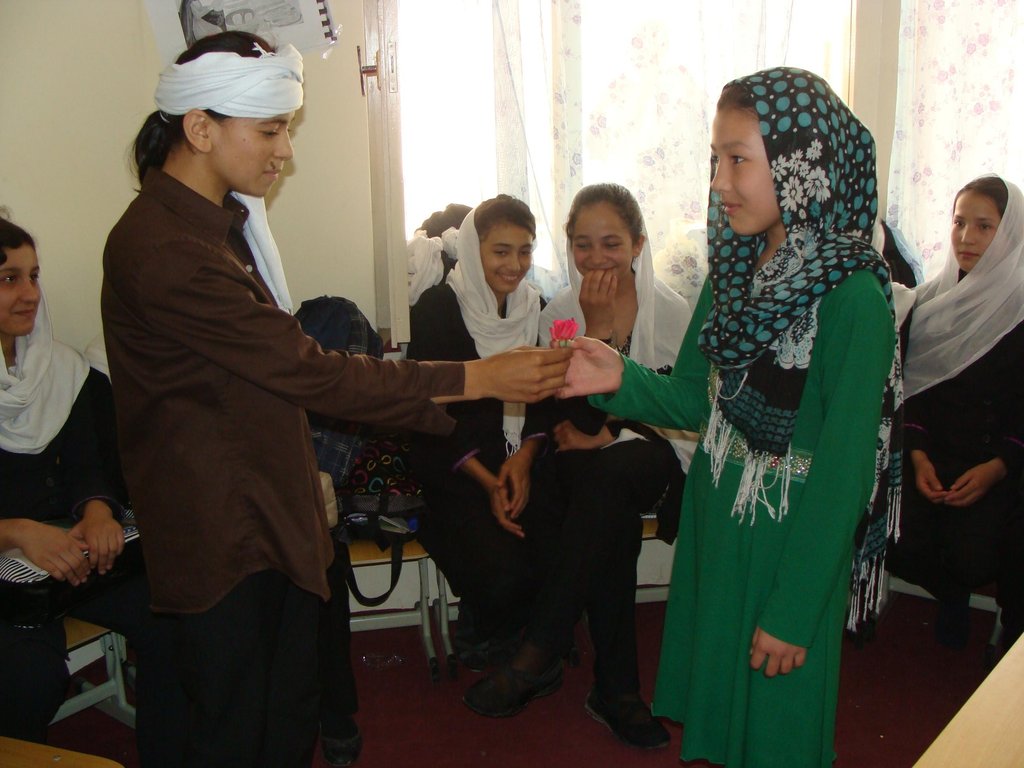
One of Help the Afghan Children's first projects was creating a program that would make reading interesting, engaging and instructive. "Read Afghanistan" is a series of original, illustrated, bilingual stories about present-day Afghanistan and feature characters that children can relate to and emulate. Our teachers are trained to (first) share the stories with their students who are asked to listen for comprehension and later discuss the meaning of each story, including specific themes and life lessons the stories contain. This process stimulates childrens' interest and motivation to learn how to read the stories themselves. To make the reading even more exciting, HTAC teachers will get their students to role play and re-enact key parts of the stories in class. Since their introduction at HTAC-sponsored schools, the "Read Afghanistan" program has benefited over 12,500 students with over 83% of enrollees demonstrating both reading and comprehension competency by the end of the school year.
Ms. Zarghona placed Laila in another class (she taught), where students like Laila were using "Read Afghanistan" storybooks. Laila was startled and overcome with joy when she saw one of the books they were reading: It was called "A New School in the Village" because the fictional heroine was a girl whose name was also Laila! After hearing the story read to her, Laila was motivated to learn to read it and with her teacher's kind help, she mastered the small book and proudly read the story to her classmates. But Laila's greatest pride was taking the book home to read to her illiterate parents who were overcome with joy..
Project reports on GlobalGiving are posted directly to globalgiving.org by Project Leaders as they are completed, generally every 3-4 months. To protect the integrity of these documents, GlobalGiving does not alter them; therefore you may find some language or formatting issues.
If you donate to this project or have donated to this project, you can receive an email when this project posts a report. You can also subscribe for reports without donating.