By Stephen Perlman | Consultant, HTAC
Since 9/11, one of the greatest challenges facing the United States and Western countries has been trying to bridge the polarization between the Muslim and non-Muslim world. In Afghanistan, the media has focused on the war between U.S./NATO forces (now being supplanted by Afghan fighters themselves), and the Taliban. But behind the headlines, there is a furious psychological battle being waged on both sides to win the hearts and minds of the civilian population. As one example, there are many Afghan youth as well as adults who view Western military forces as occupiers, rathe than liberators. The sources behind such beliefs feed on the ignorance and fear of Afghans to build their case.
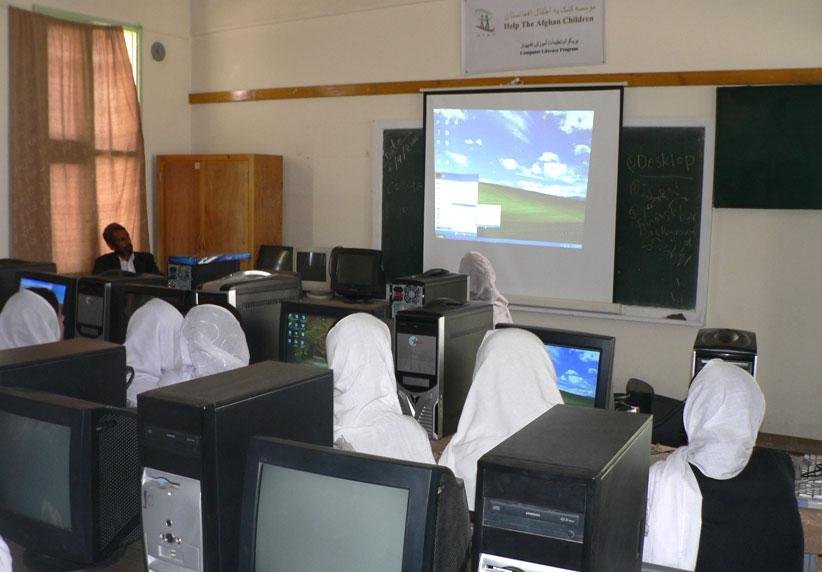
In place of ignorance and fear, one of the best non-violent weapons we have is building cultural bridges of respect and understanding between Afghanistan and the Western world. Since 2005, HTAC's cultural exchange program brings together Afghan and Western students in creating, sharing and discussing meaningful and often life-changing projects and sharing their stories. Bonds between students, teachers, and schools are created, perceptions are positively changed, and the seeds for future collaboration and peace are planted in this next generation of children from both sides of the world.
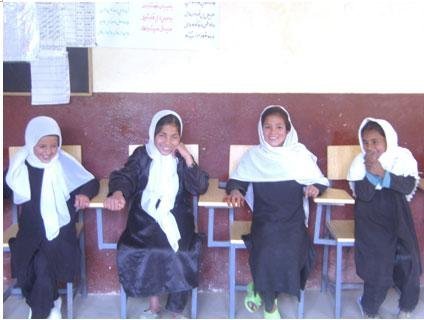
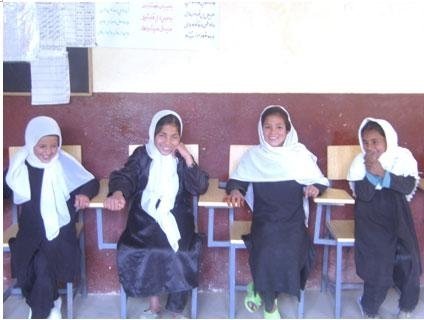
One such partnership has been between Sorya (girls) High School in Kabul, Afghanistan and Jerome Case High School in Racine, Wisconsin, USA. The first exchange seemed benign (and safe) enough - sharing the geographical features and landmarks of their respective cities and nearby region. But what shocked the girls at Sorya wasn't geography, but the photos of girls and boys at Case High School together in the same class. In Afghanistan, boys and girls are segretated once they reach middle school. The geography project soon became a fascinating back and forth discussion about the mixing of girls and boys. The Afghan girls asked many questions and the American students (who had learned about Afghanistan's highly conservative society), responded respectfully. Shock turned to intrigue and the girls at Sorya became more comfortable communicating with boys and girls.
A second exchange project addressed a simple, but profound question- What does democracy mean to you? The American students were surprised to learn about Afghanistan's relatively new constitution, requiring a percentage of delegates to be women. They were also surprised at how passionately the girls spoke about women's rights; seeking higher education, participating in elections, having careers, and becoming productive members of society. Common ground was established when the Case students shared the history and the fight for women's rights in America.
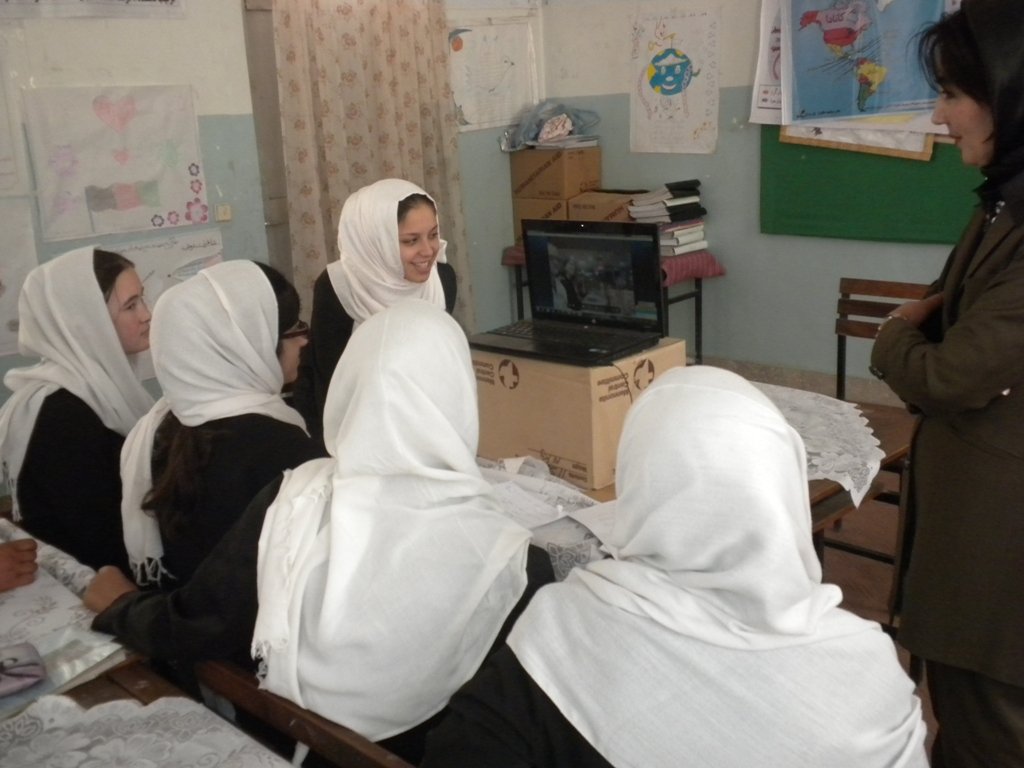
Last month, the students and their teachers conducted a historical Skype broadcast with one another. In Kabul, the girls at Sorya arrived at their class one Saturday,morning at 9AM.in front of a computer screen. In Racine, Wisconsin, a group of Case High School students and their teacher sat around a large table in a restaurant on Friday at 11:30PM. Through the magic of technology, the students could see and speak with one another for the very first time and a 'forever' bond was formed.
Cultural exchange projects at HTAC-supported schools have become a powerful tool for students to appreciate other views and ideas that may be different from their own, while often discovering that they may also share common values and core beliefs. Over time, perceptions are changed for the better.
Project reports on GlobalGiving are posted directly to globalgiving.org by Project Leaders as they are completed, generally every 3-4 months. To protect the integrity of these documents, GlobalGiving does not alter them; therefore you may find some language or formatting issues.
If you donate to this project or have donated to this project, you can receive an email when this project posts a report. You can also subscribe for reports without donating.