By Betsy Waalen | Project Management
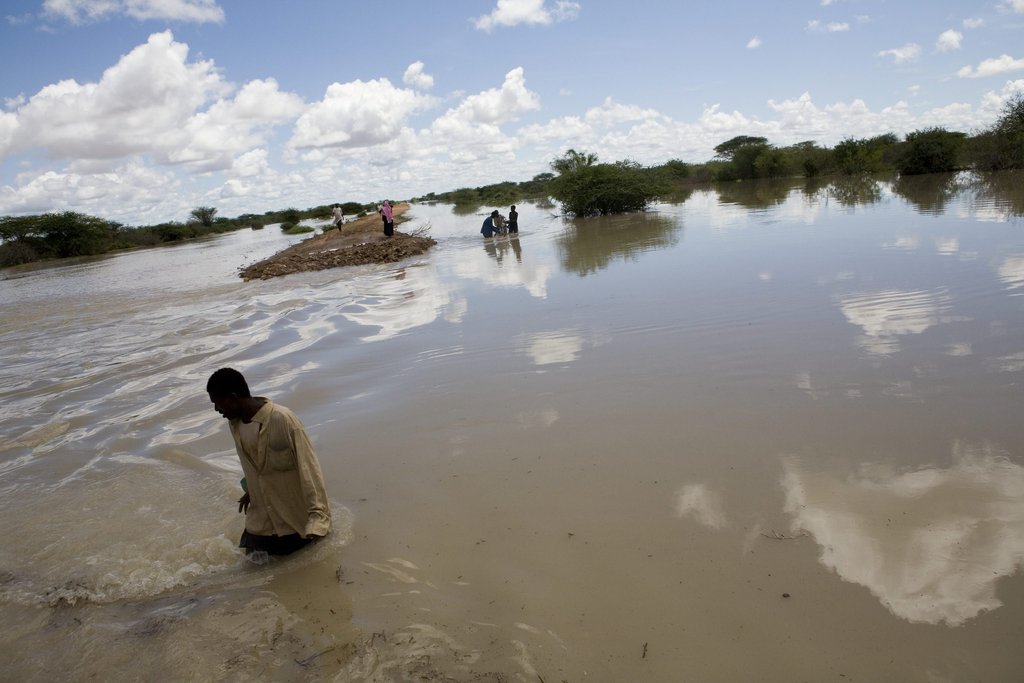
Flooding and landslides affected thousands of families across Kenya in April this year. Several hundred people drowned. Up to 60,000 Kenyans were displaced from their homes and lost livestock and valuables.
Even though this story did not merit the attention of the global media, its human and financial cost was vast.
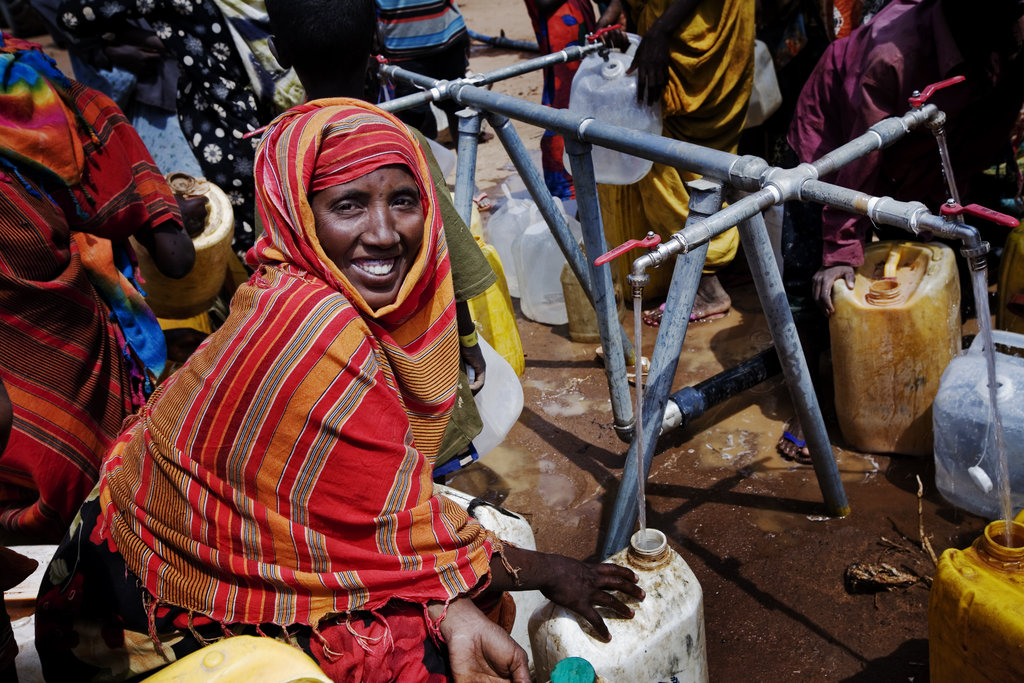
Aid agencies had to somehow find the money to pay for the search, rescue and evacuation operations, and then to house, feed and provide clean water to the 30,000 people who flocked to refugee camps, where they remained for months afterwards. And local economies were devastated:- crops, food stocks, agricultural tools and valuable seeds were swept away and lost forever. Farmland was ruined. Fishermen lost entire stocks of fish, as well as all their equipment. Food prices in the affected areas rose dramatically, so locals became prone to malnutrition, and more likely to succumb to the water-borne diseases which were spreading due to contaminated water sources.
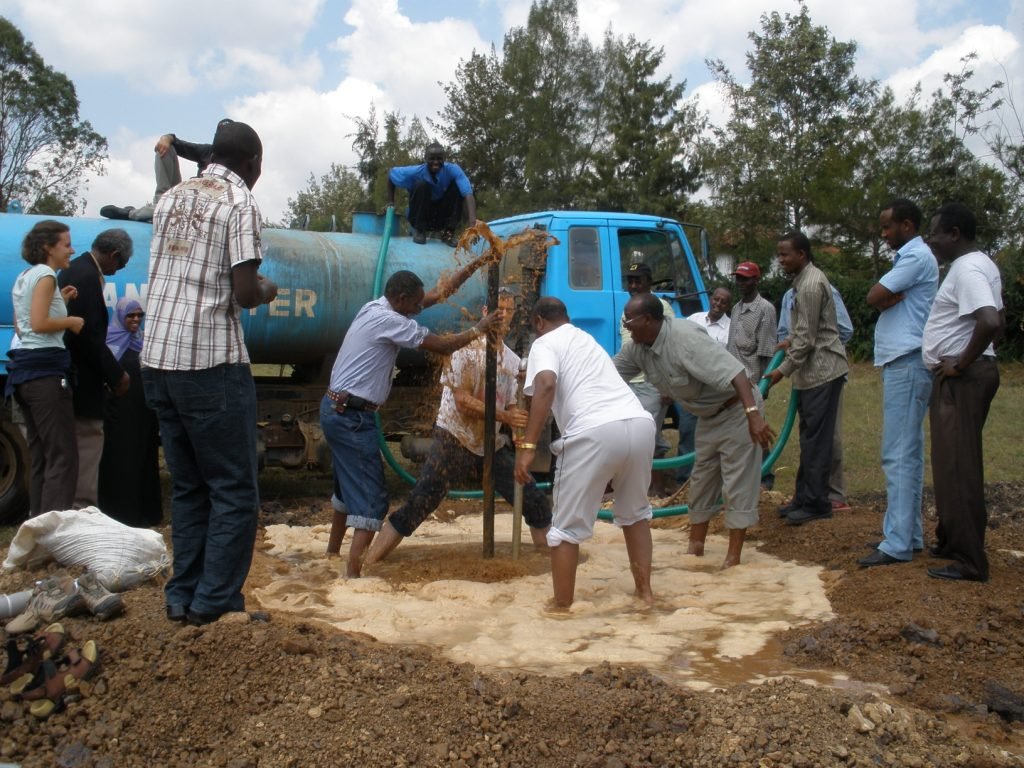
These communities should have been better prepared. Early-warning, hazard-mapping, risk reduction initiatives are all preventative measures which can be taught. Just days after the floods hit, while heavy rains were still falling causing further damage, RedR ran crucial training skills like these for aid workers in the affected areas. These aid workers have since been working with the community to prepare them for next year’s floods.
Links:
Project reports on GlobalGiving are posted directly to globalgiving.org by Project Leaders as they are completed, generally every 3-4 months. To protect the integrity of these documents, GlobalGiving does not alter them; therefore you may find some language or formatting issues.
If you donate to this project or have donated to this project, you can receive an email when this project posts a report. You can also subscribe for reports without donating.