By Brian McIver | Founder
This project report is a submission to GlobalGiving’s 2017 Fail Forward Contest, where organizations are asked to share a story of when they tried something new that didn’t go as planned and how they learned from it. Enjoy!
Introduction
The Kookaburra Community School was established in 2010. The mission was to rescue a group of students and orphans from a tyrant who was physically and sexually abusing the children, and keeping all the money being sent by volunteers from an international organization, that did nothing to protect the children they were supposed to be serving.
What Next?
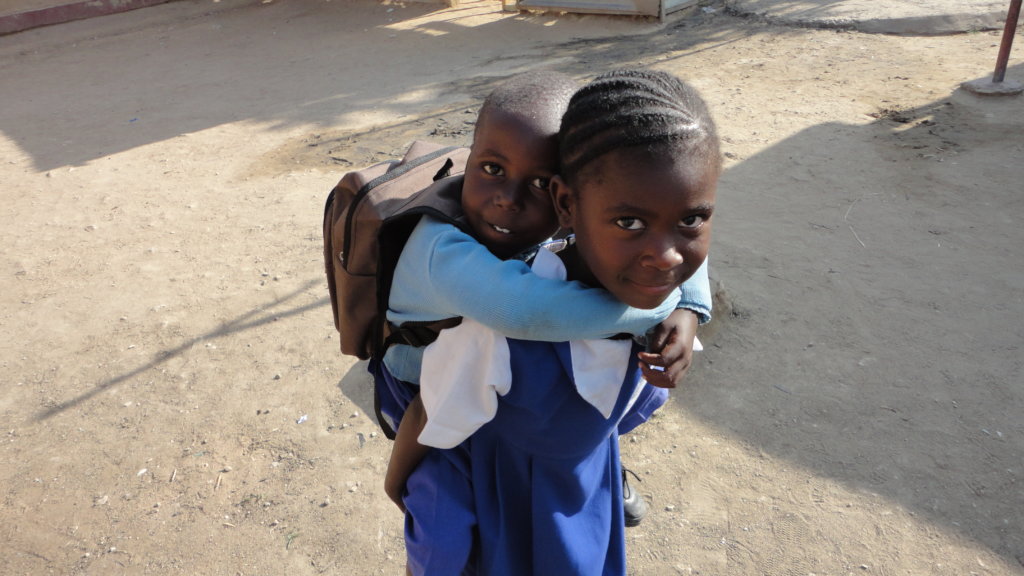
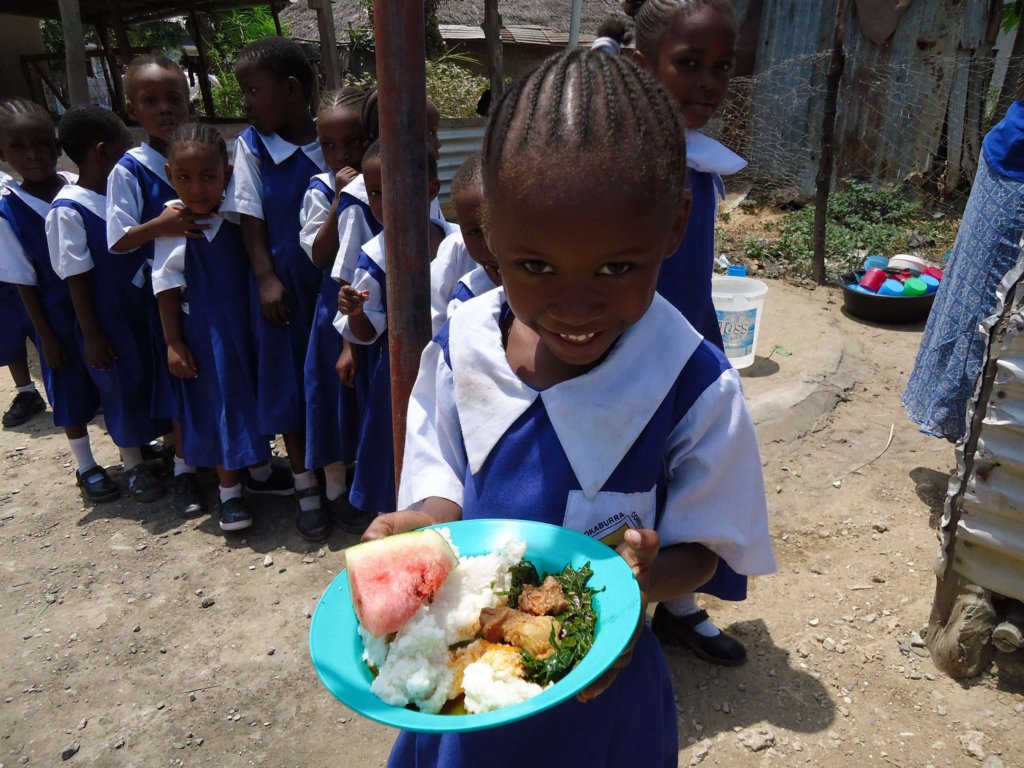
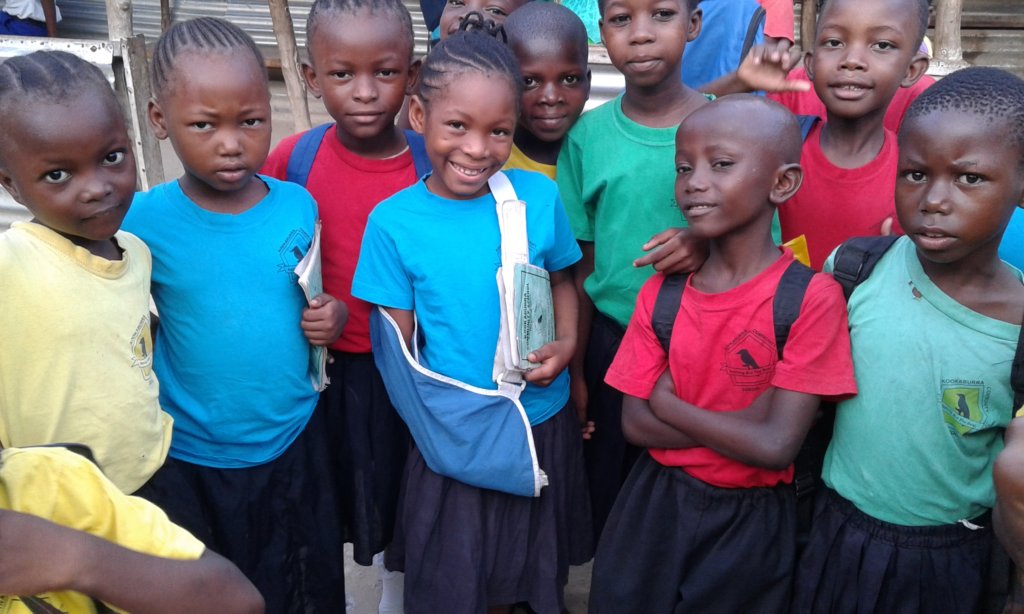
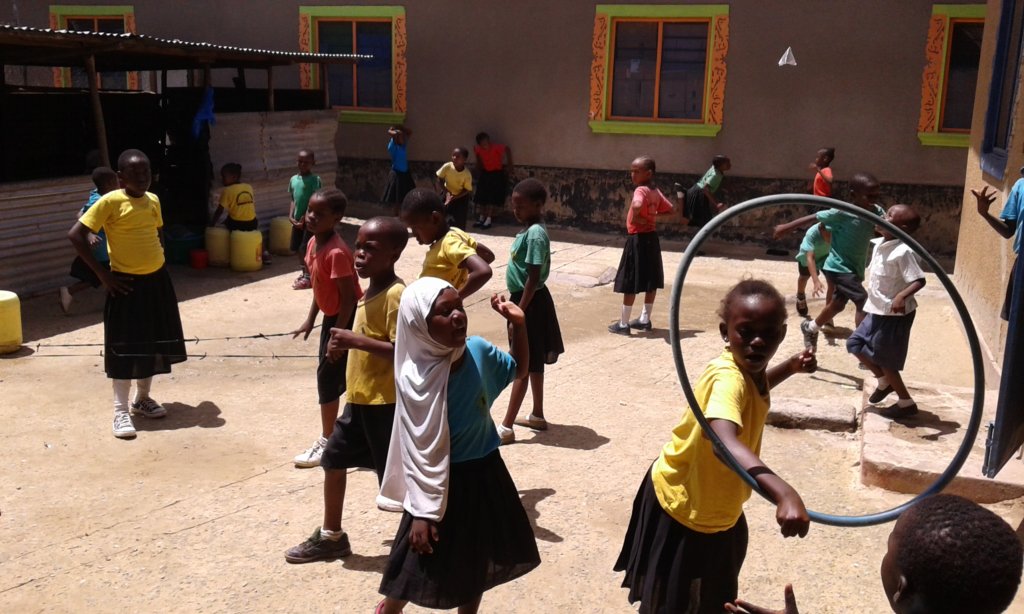
With community support we established a new school and emergency home. We started educating the children, all 144 of them, in an environment of care, nurture and learning. Past volunteers who visited the new school all said the same thing, “It was great to see the children looking so happy.” When it came to enrolment time at the end of each year we gave preference to existing families, reasoning that it was better for the parents to have all their children schooled in the one place. We already knew they were needy families so we considered our enrolment policy sound.
Complaints & Complacency
Over time we heard grumblings from other families in the community who thought we were being unfair not giving their children a chance to join the school. We also noticed that many parents began taking their children’s place in the school for granted. Parental involvement in the child’s education was minimal. Some of the children, especially the female students, told us their parents only sent them to school to take their younger siblings out of the house for the day, to be cared for and fed by us. We cannot successfully shape and change a child’s world without full support from home. Something had to change.
Remember the Mission
We reviewed our mission statement. We wanted to provide free primary education to extremely disadvantaged children and we were certainly doing that. But our mission was also to educate children who had the potential to make a real difference in the longer term. Our enrolment selection criteria needed revisiting to support the mission statement. By keeping enrolments “in-house” we had bred a culture of entitlement without the need for true support, participation, and achievement, from the children and their families. And we were perceived as being unfair by sections of the community.
Learnings
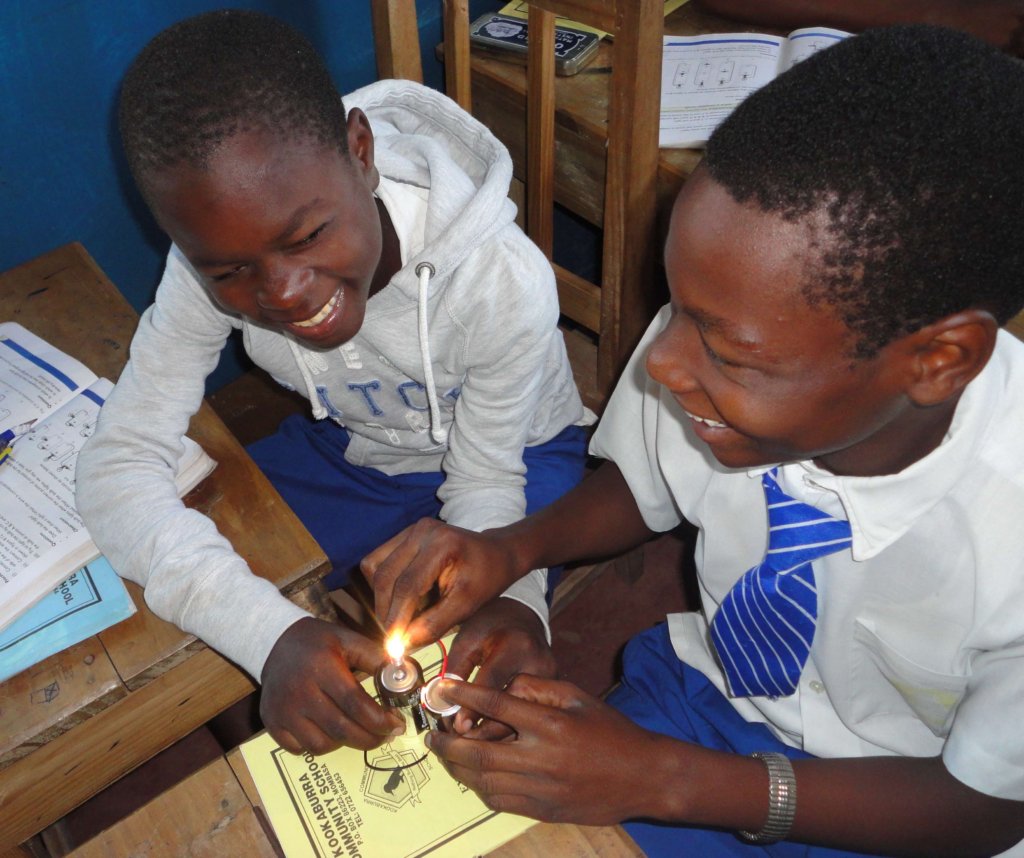
Bringing competition for places into the enrolment process, by testing and interviewing the children and their families, created a lot more work for us. But we were now seen as representing the whole community, not just a number of privileged families. We made a place in our school something to be earned and valued. We were also recruiting children who proved themselves academically and had the best chance of success in their educational career, and would therefore have the best chance of bringing long term change to their community.
Links:
Project reports on GlobalGiving are posted directly to globalgiving.org by Project Leaders as they are completed, generally every 3-4 months. To protect the integrity of these documents, GlobalGiving does not alter them; therefore you may find some language or formatting issues.
If you donate to this project or have donated to this project, you can receive an email when this project posts a report. You can also subscribe for reports without donating.