By Gillian Wilson | Communications Director, IDEX
On a recent trip to Udaipur, India, IDEX Communications Director, Gillian Wilson, visited IDEX partner Sahyog Sansthan to learn how rural communities are adapting to climate change and mitigating its impact.
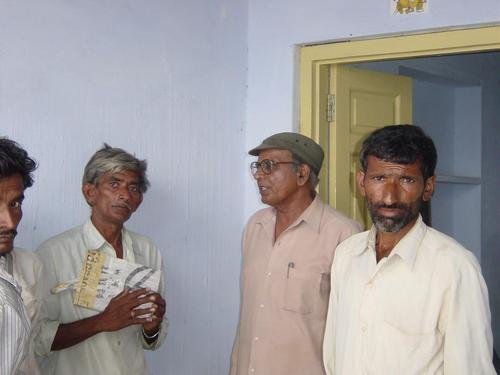
Heera Lal Sharma, the founder and Executive Director of Sahyog was my guide. Heera Lal knows the area around Udaipur well; he was raised here, and understands the importance of sustainable agriculture methods.
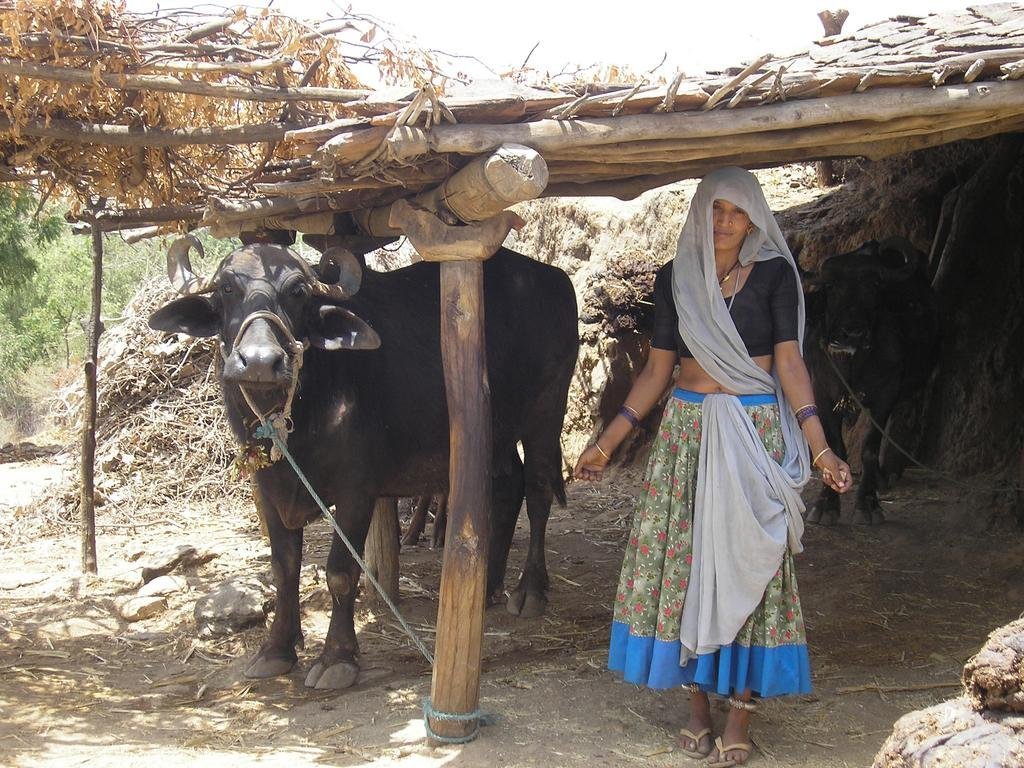
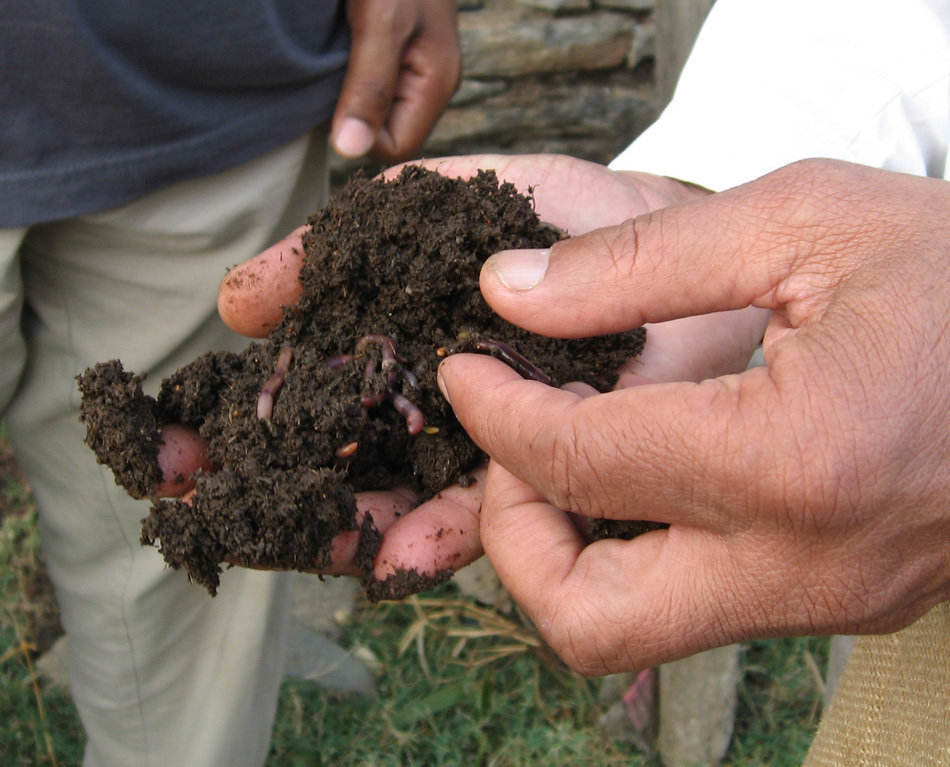
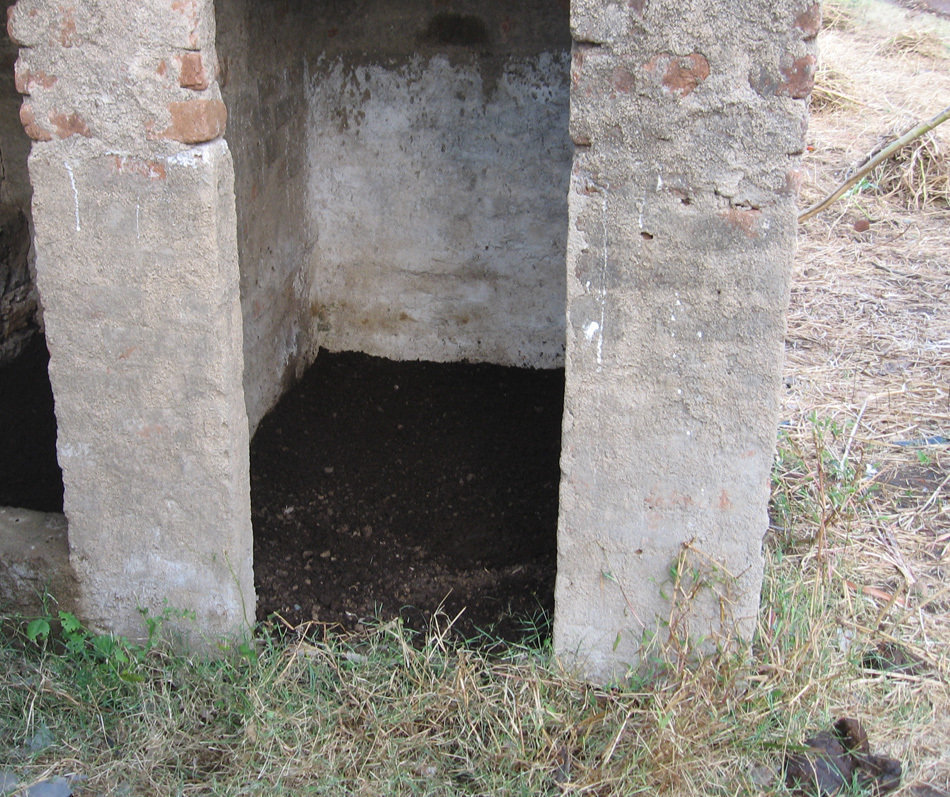
Sahyog encourages vermiculture, a composting method using earthworms to create rich, organic soil. Sahyog has started a number of vermiculture projects and provides training and funds to initiate vermiculture. The soil produced enriches the land, fertilizes crops, and improves the soil’s ability to retain moisture. Even during drought years, crops grown with soil from vermiculture produce greater yields.
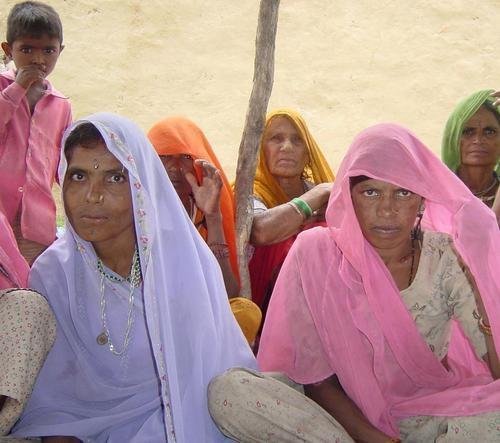
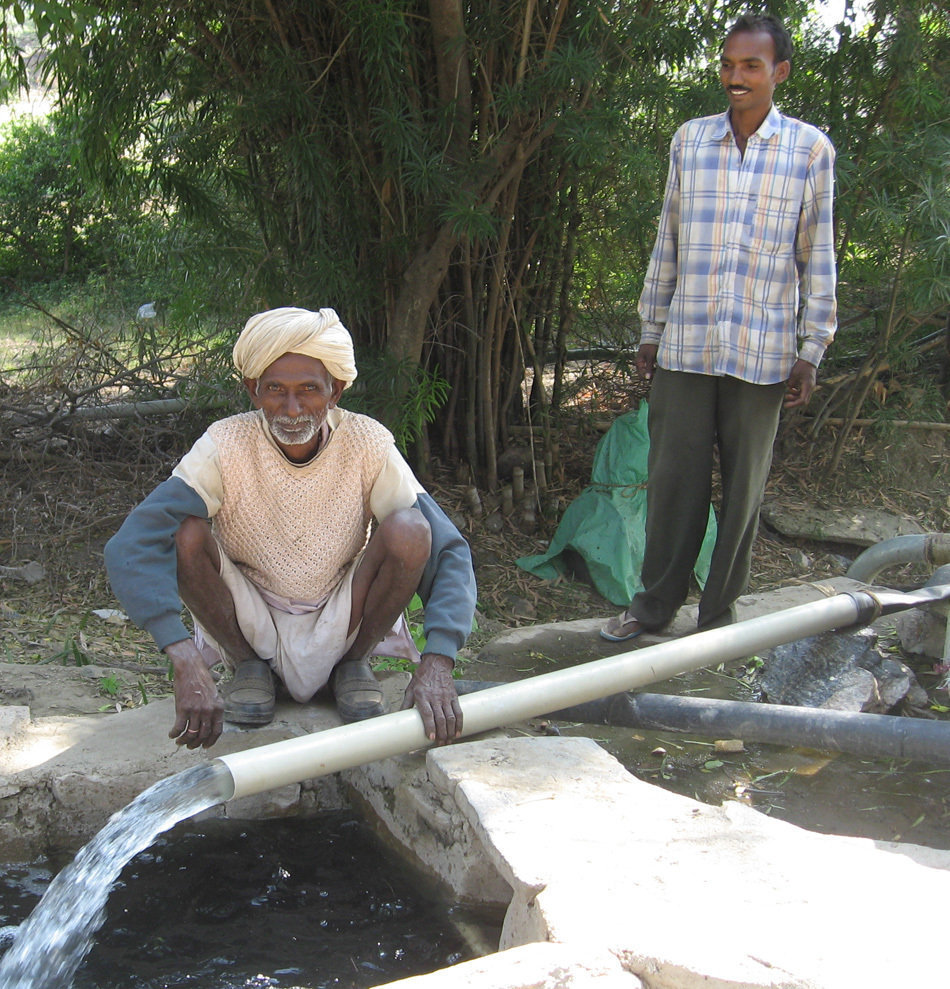
I met with three Self-Help Groups. In each case I saw how fulfilling water needs was the priority. Sahyog does this in two ways; they renovate wells and they build bunds or berms to control the flow of water and irrigate crops.
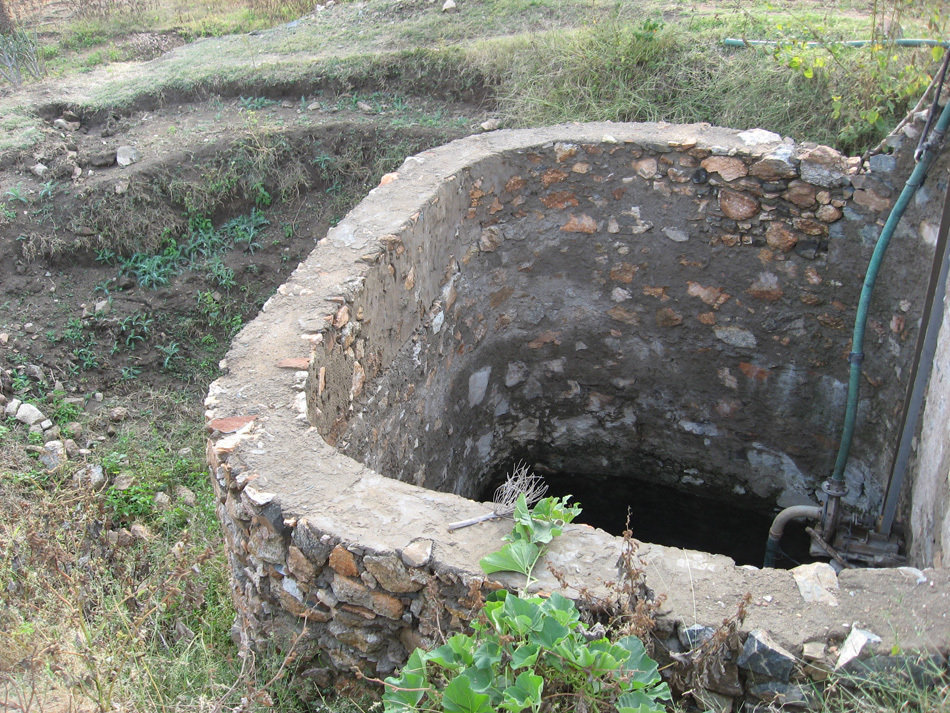
During the monsoon, soil becomes waterlogged, collapsing the walls of the well rendering it useless. Sahyog works with SHGs to renovate wells. They insist that the SHG contribute at least 25% of the costs, plus labor. Sahyog and the local government fund the rest. Sahyog’s goal is to build relationships between communities and government and ensure everyone is a stakeholder in the renovation.
To improve crop irrigation Sahyog analyzes the terrain and identifies the best location to build bunds. Bunds are dams, usually foot-high mounds of earth and small rock that run the width and length of fields. They are multi-purpose and slow the flow of the rainwater and minimize erosion by containing the topsoil. But the dams are carefully constructed to allow water to seep through the rocks, and onto other communities. This method of water harvesting ensures nothing is wasted.
With your support IDEX has funded a number of such projects. At Bharave Village, I was shown the newly renovated well and bridge across the fields. The bridge also operates as a levee during the monsoon. Women and children pointed happily at the well and told me they could now drink fresh water.
I was really impressed by everything Heera Lal showed me. Then we went to the community of Kundai, which completely blew me away. At Kundai there are no incremental changes. This community has completely adopted sustainable agriculture and managed biodiversity without looking back.
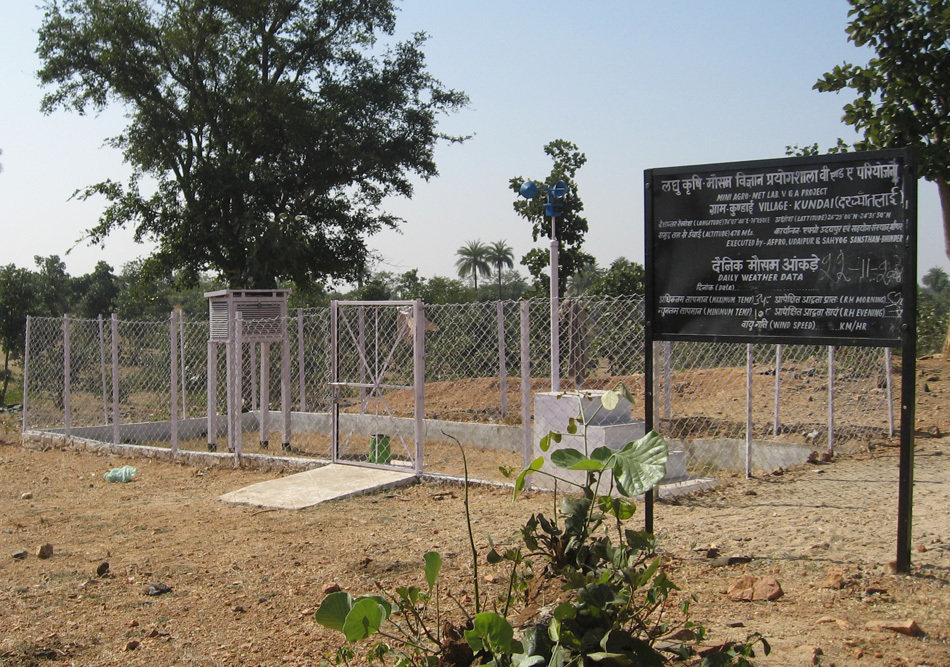
Since climate change has begun to take effect, rain has become more irregular. Farmers used to rely on local weather patterns to know when to plant their crops. But climate change renders this knowledge useless. At Kundai they have learned simple, yet effective meteorological practices. They monitor and collect data on rainfall, temperatures and wind and share this with both their local community and the Indian government.
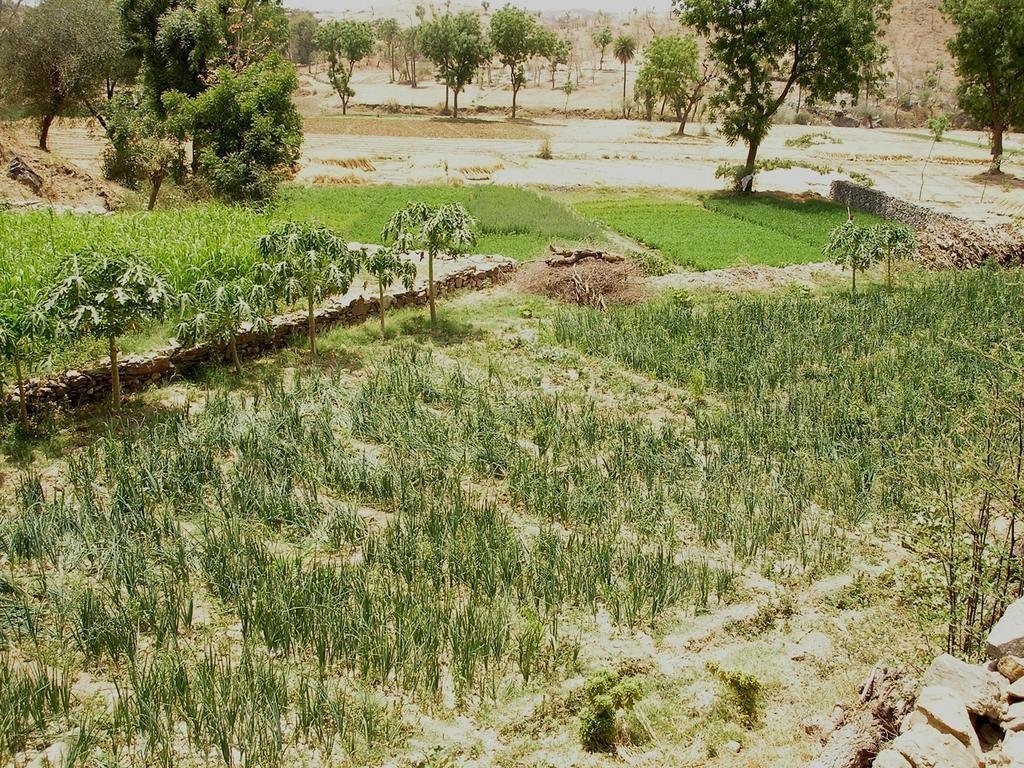
I was introduced to Deepak who lives in Kundai; he showed off the benefits of the program, such as the renovated well, the irrigation channels strategically placed around fields and the diversity of the crops. Kundai farmers are growing plump eggplants, bright chilies, leafy greens, wheat, barley and much more. Close to the well, bamboo and sugar cane were growing. The crops are enough to feed families in Kundai while the bamboo and sugar cane help pay for their children’s schooling.
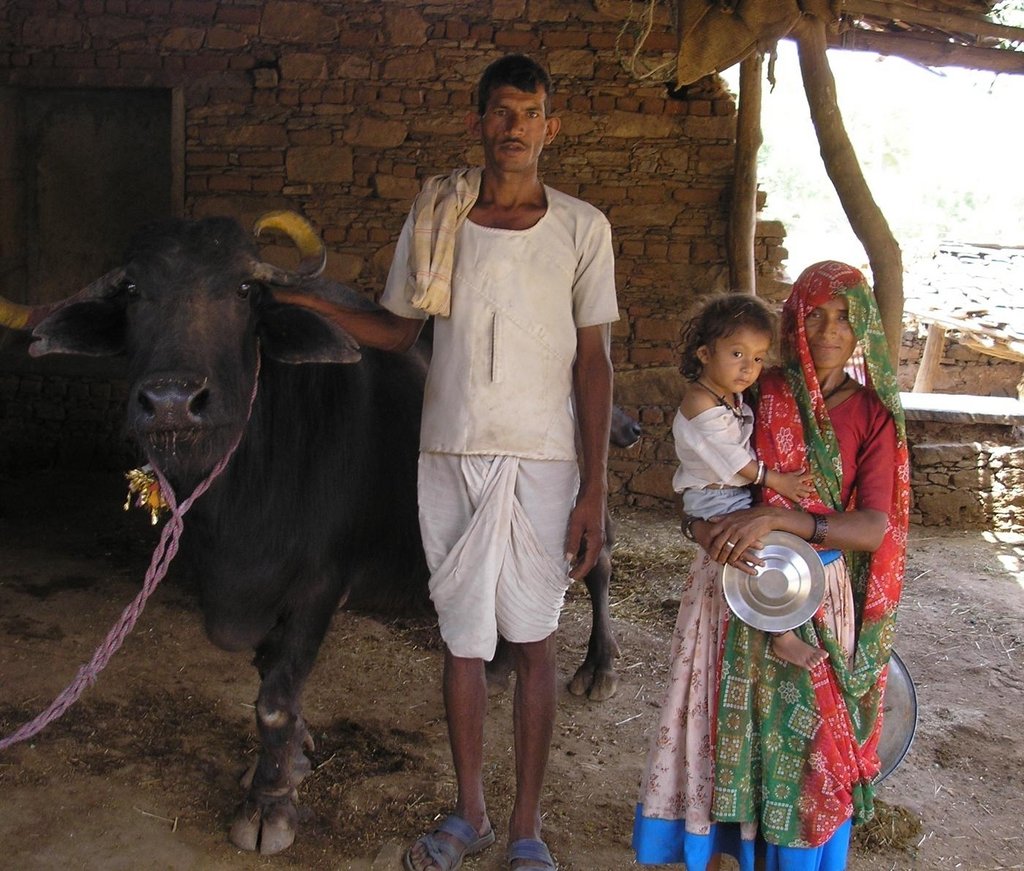
Kundai is in year three of a five-year project. This was the first year the community had been able to plant their crops. Despite the monsoon in 2008 bringing just half of the expected rainfall, crops were flourishing Deepak was very happy at what they had accomplished so far. It meant he did not have to leave the family and migrate to Udaipur or Delhi to look for work. The family could stay together. His daughter clung to his hand, clearly delighted to know her father was not going anywhere.
Migration is a growing problem. As crops fail, people must move to look for work to feed their families. It was clear to me that sustainable agriculture is not just good for the planet, but also for families and communities who practice it.
Like many IDEX partners, Sahyog works to improve the livelihoods of rural communities. A focus on resource management and sustainable agriculture has helped people better prepare and surmount the growing threats of food and water crises. Water harvesting, vermiculture, and organic agriculture offer viable ways for communities to adapt to, and mitigate, the impact of climate change.
Donate to Sahyog now, through April 28 and in honor of Earth Day (April 22) GlobalGiving will match your donation at 50%. Please share your support of these families with your family and friends.
By Gillian Wilson | Communications Director
By Katherine Zavala | Coordinator of Programs
Project reports on GlobalGiving are posted directly to globalgiving.org by Project Leaders as they are completed, generally every 3-4 months. To protect the integrity of these documents, GlobalGiving does not alter them; therefore you may find some language or formatting issues.
If you donate to this project or have donated to this project, you can receive an email when this project posts a report. You can also subscribe for reports without donating.