By Kencho Tshering | Programme/Communications Officer
Students Take Their Communities' Problems Straight to Parliament
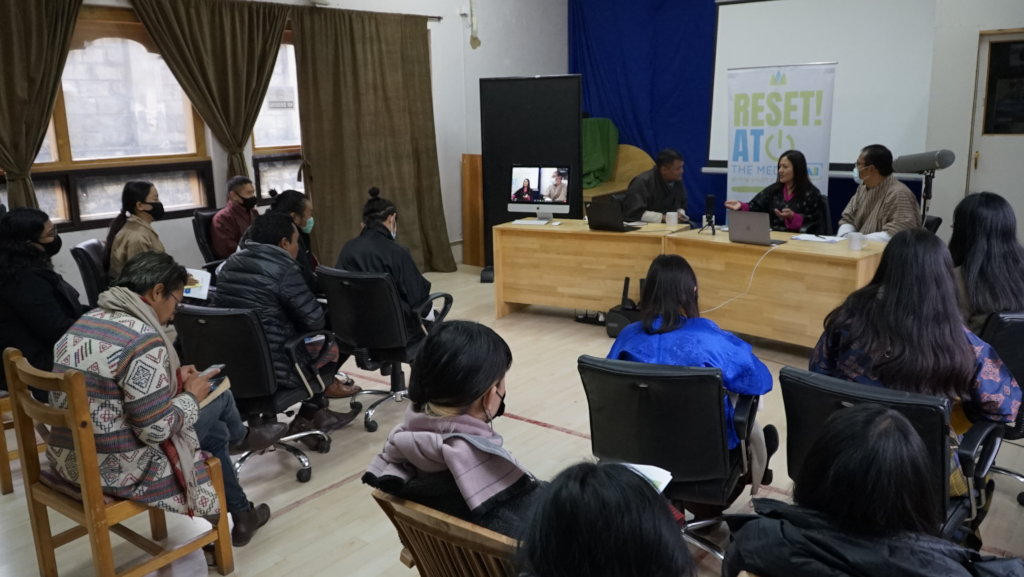
When a student from Dorokha stood up in front of the Chairperson (Member of Parliament) of the National Council in July, he was not describing an abstract policy problem. He was describing the bridge that used to connect his gewog to the rest of Samtse, which was washed away by a flash flood, and the temporary zipline also failed and killed three people. His team had spent the week turning that loss into a policy brief. Members of Parliament told the room that reconstruction was already a national priority.
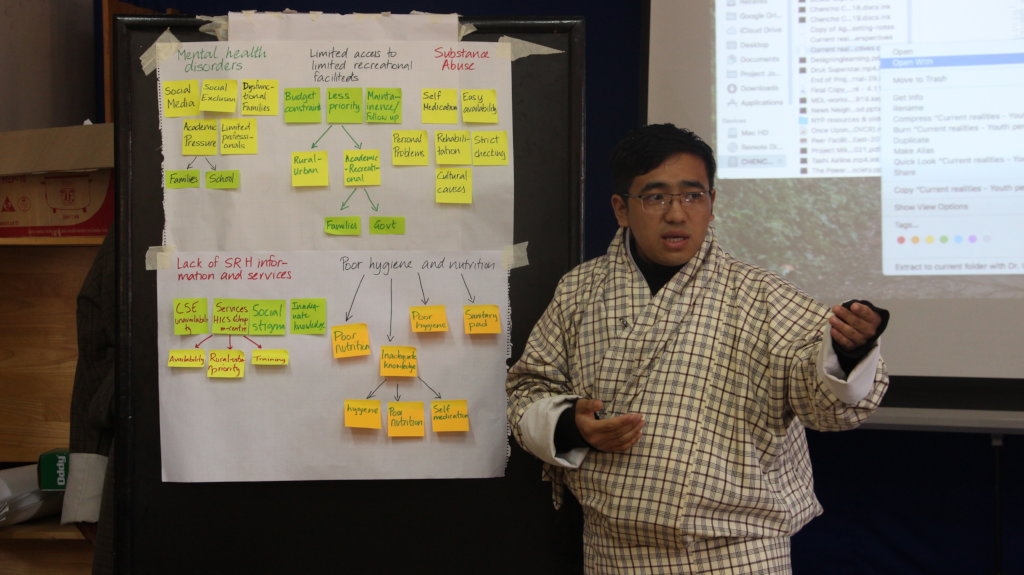
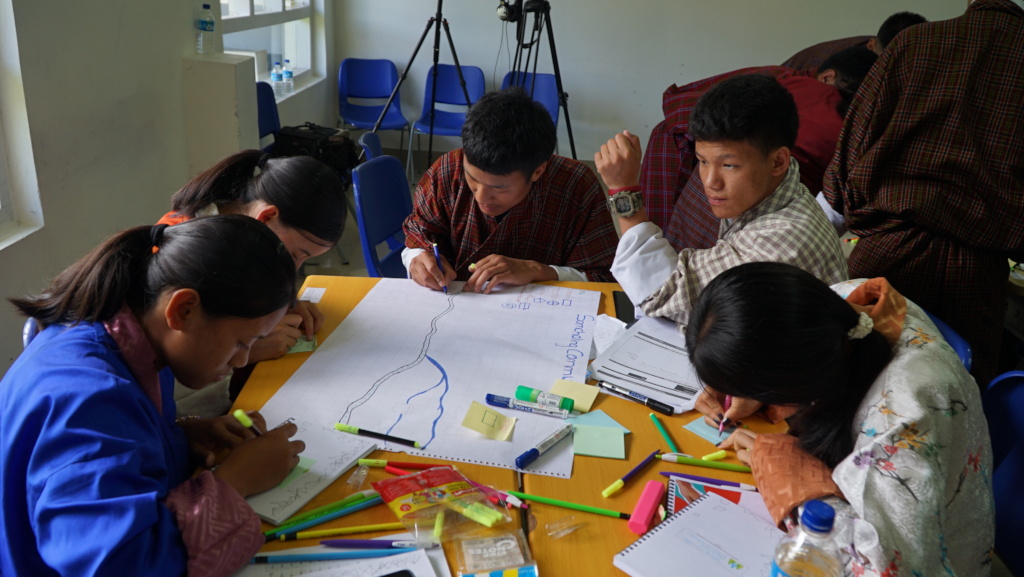
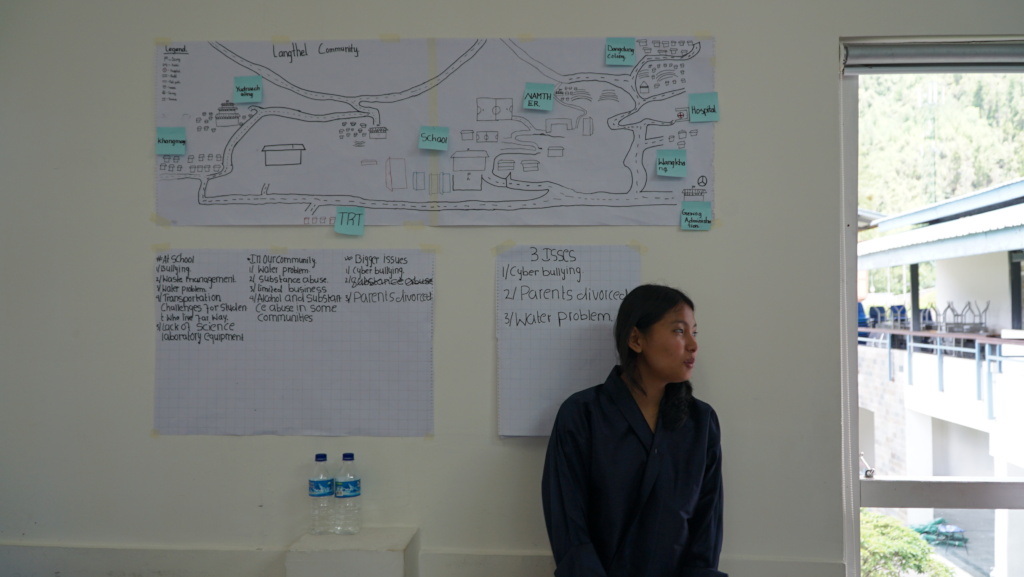
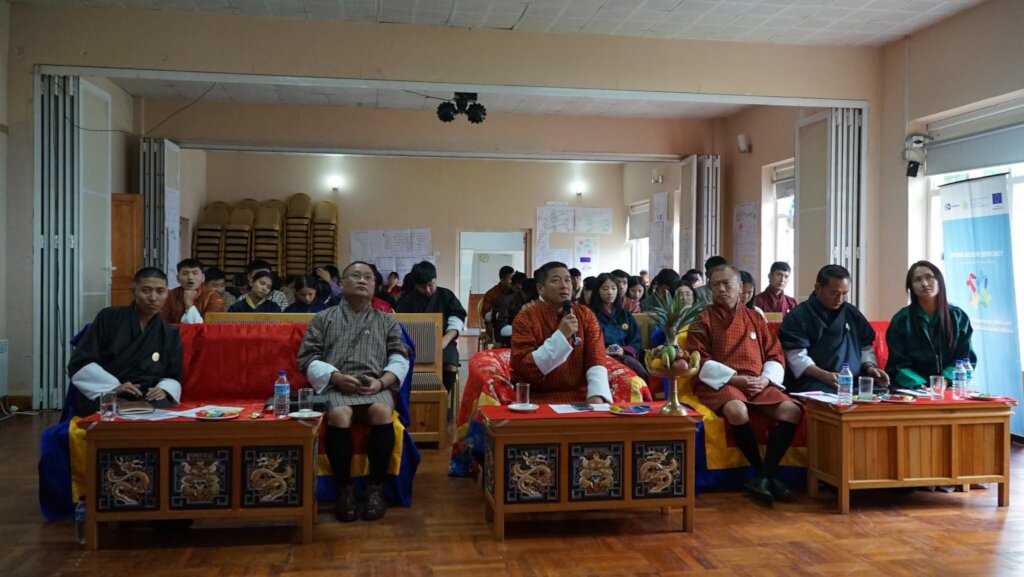
Over six days in July, 50 students from 12 schools across Samtse, Tsirang, Trashigang and Trongsa came together for Youth in Action: From Issues to Impact, a residential camp. The camp followed a deliberately slow route: problem identification first, evidence second, policy third, recommendations fourth, engagement fifth. Teams were not allowed to jump to solutions. They mapped their own communities, narrowed to one priority issue, traced its root causes, and only then examined the laws and policies, asking whether the law was missing or simply not being implemented. For several teams, that question reframed everything. The team working on bullying concluded the legal framework was adequate and the real failure was that students did not trust the confidential reporting channels that already existed.
By the final day, all ten teams had produced a full policy brief with evidence, a named responsible agency, and a proposed timeline:
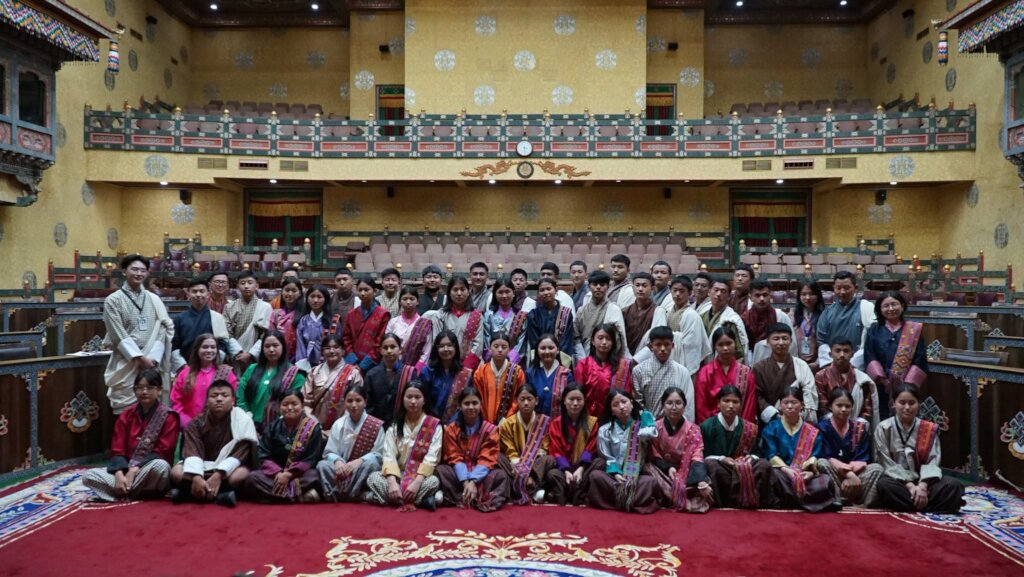
The Chairperson of the National Council told the students that they were not merely citizens but "beloved young nation-builders," and urged that media and democracy clubs be adopted as a whole-school approach rather than left to a handful of interested students. Members across several sessions explicitly invited the students to keep generating recommendations, and committed that parliamentarians would listen. The camp closed with a reminder that leadership is not about having all the answers, but about the courage to care, the willingness to learn, and the effort to try.
Project reports on GlobalGiving are posted directly to globalgiving.org by Project Leaders as they are completed, generally every 3-4 months. To protect the integrity of these documents, GlobalGiving does not alter them; therefore you may find some language or formatting issues.
If you donate to this project or have donated to this project, you can receive an email when this project posts a report. You can also subscribe for reports without donating.



Support this important cause by creating a personalized fundraising page.
Start a Fundraiser