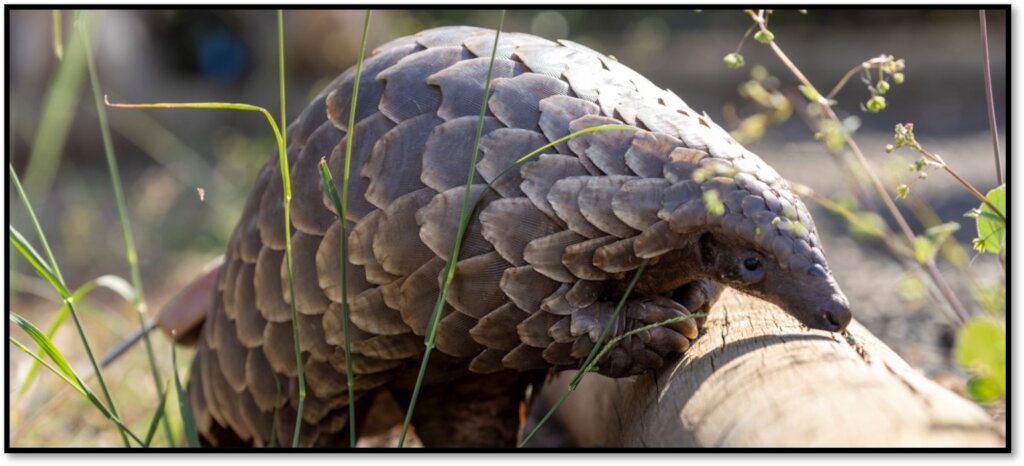
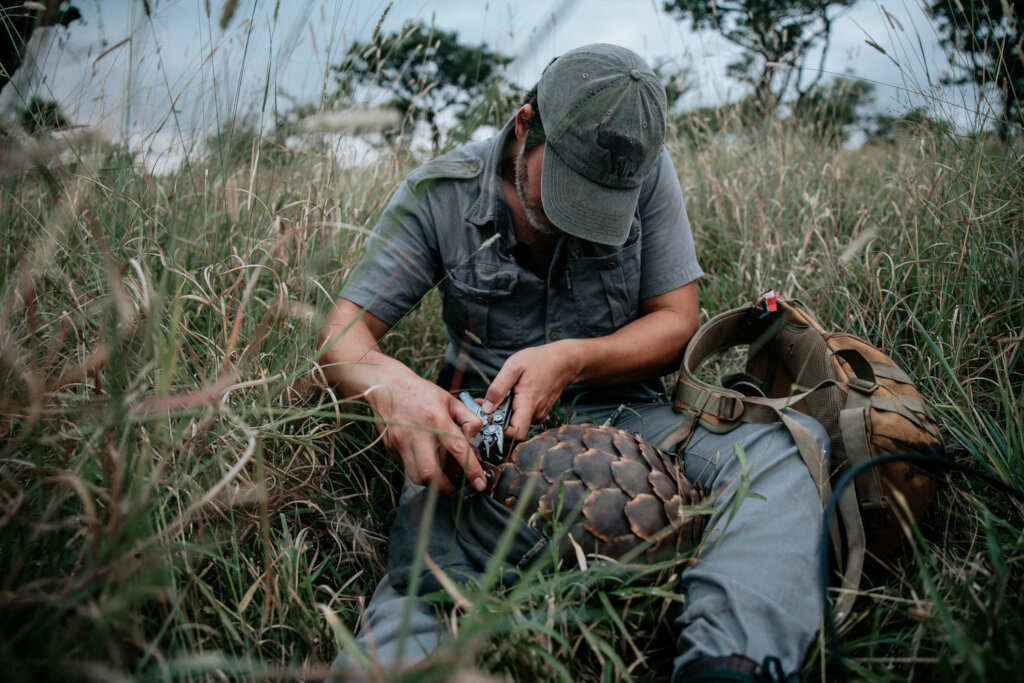
Pangolin conservation remains an important part of the endangered species work supported by the Zululand Conservation Trust. The project focuses on the reintroduction and monitoring of pangolins within suitable protected areas, with the aim of helping rescued or relocated animals settle safely into secure habitat.
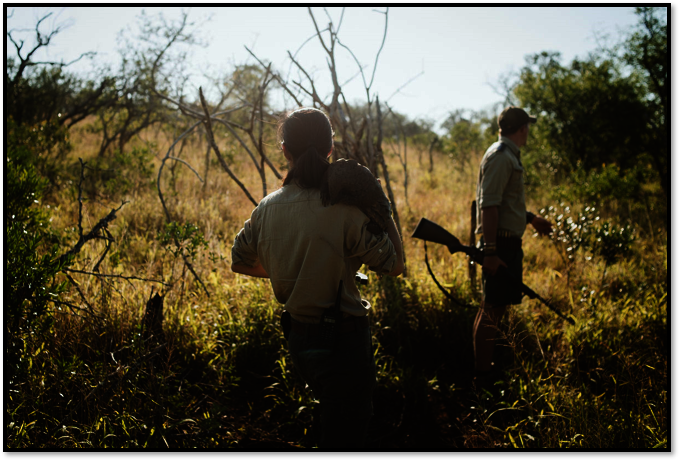
During this reporting period, continued support was provided towards the monitoring of reintroduced pangolins. This work is important because pangolins are secretive, nocturnal animals that require careful follow-up after release. Monitoring allows the team to track their movements, assess how they are adapting to the area, and respond where any concerns are identified.
The project has also contributed to the broader effort to strengthen pangolin populations within the region. Each successful reintroduction adds to the long-term objective of establishing a more secure and connected population across protected landscapes. This is especially important given the ongoing threats faced by pangolins, including illegal wildlife trade, habitat loss and human disturbance.
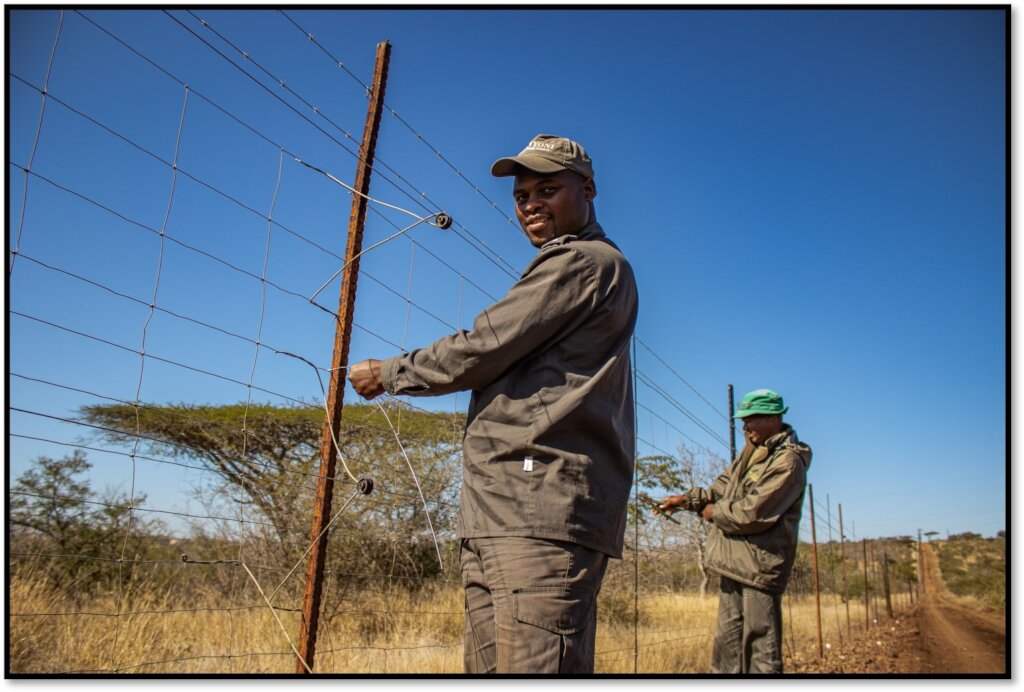
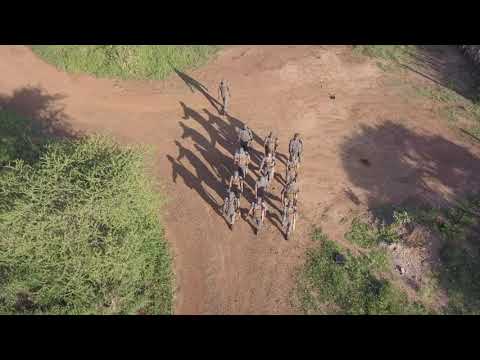
The work requires patience, field time and specialist input. Pangolin reintroduction is not a once-off release, but a long-term process that depends on ongoing monitoring, suitable habitat, and effective protection of the wider conservation area. The project is therefore closely linked to broader reserve management, anti-poaching support and habitat protection.
Through continued donor support, the Zululand Conservation Trust is able to contribute to practical, on-the-ground pangolin conservation. This support helps ensure that vulnerable pangolins are given the best possible chance of surviving, adapting and contributing to the recovery of the species in Zululand.