By Nola Paterni | Development Officer
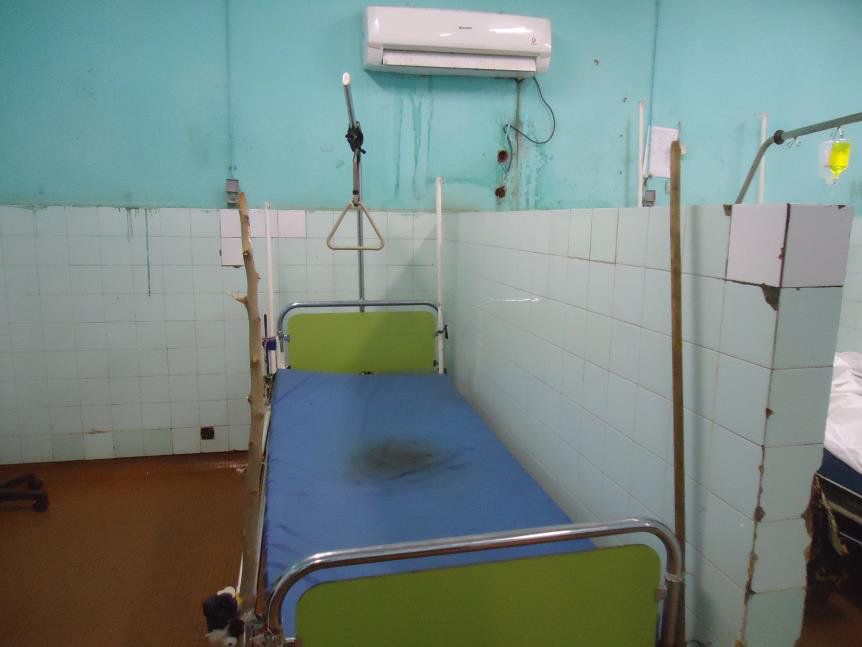
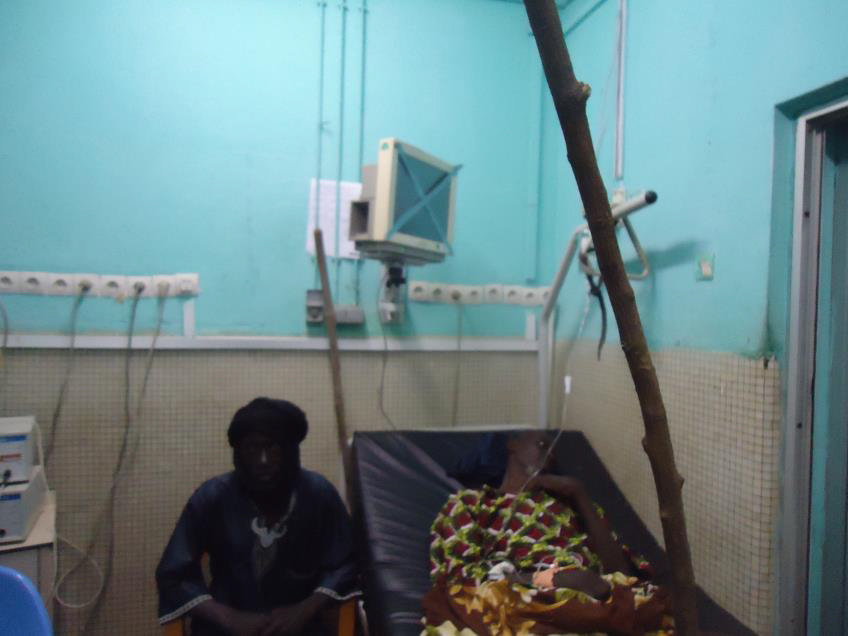
Can you imagine walking into a hospital room pregnant and vulnerable and seeing broken medical monitors, stained beds, and sticks being used as IV poles? This would be an upsetting shock for those accustomed to high-quality, fully equipped medical facilities, but for many women in rural Mali, a medical center, no matter how ill-equipped, is preferable to suffering at home. However, in order for a facility to operate effectively, it must be equipped with not only a trained staff who can help treat and repair fistula, but also with medical equipment and supplies to ensure a comfortable (and sanitary) visit.
In Mali, high fertility, low use of modern contraceptive methods, early marriage, and low rates of facility births place an estimated 2,400 women at high risk of fistula each year. The majority of these women live in rural areas, often over 15 kilometers from a health facility. Recent progress has been made to open new facilities and, over the last several years, 25 obstetric fistula teams have been trained to work in regional hospitals and health centers. The next priority is to outfit these centers with fistula-specific supplies and equipment which will strengthen the facilities ability to provide care, as well as their capacity to expand the breadth and depth of fistula services.
A recent survey of facilities in Mali found that some housed entire rooms and wards devoid of equipment and supplies and many more were limping by with broken beds, unsanitized utensils, and/or a dearth of equipment tailored to the predominant patient caseload. For example, the pediatric ICU in Koulikoro hospital lacks infant-specific equipment and supplies, although the predominant caseload is pregnant mothers and infants.
The survey also developed a priorities list of supplies and equipment specifically related to fistula treatment and prevention. The top three items requested include oxygen concentrators, surgical kits, and beds with new, clean mattresses and linens.
As the ultimate goal of the project is to increase access to high quality, sustainable, and resilient fistula treatment and prevention services, it is imperative to have both trained and equipped staff. The physical and mental toll fistula can have on a women is severe enough without the indignity of recovering in a broken bed with unclean sheets. Supporting this project will help ensure that women who suffer from fistula have not only the personnel available to aid with recovery, but also the simple provisions that many take for granted: anesthesia, exam lights, a clean towel.
Project reports on GlobalGiving are posted directly to globalgiving.org by Project Leaders as they are completed, generally every 3-4 months. To protect the integrity of these documents, GlobalGiving does not alter them; therefore you may find some language or formatting issues.
If you donate to this project or have donated to this project, you can receive an email when this project posts a report. You can also subscribe for reports without donating.