By Nola Paterni | Development Officer
It is well documented that the women who suffer from obstetric fistula suffer not only physically, but also psychologically. Due to the social isolation and stigma associated with fistula, patients often suffer from depression and other mental health dysfunctions.
The team of health workers at the Koulikoro referral health center in Mali has seen enough patients and witnessed sufficient behavior patterns to understand there is a clear link between physical and mental trauma associated with fistula.
To better assess the need for mental health services among the women who receive care through this project, IntraHealth International and the Duke Global Health Institute have introduced an adapted version of the Patient Health Questioner (PHQ-9), a multipurpose instrument for screening, diagnosing, monitoring, and measuring the severity of depression. The team is using this accredited tool, along with some additional questions specific to the effects of fistula on mental health, to learn more about the connection so they are better equipped to treat and counsel patients.
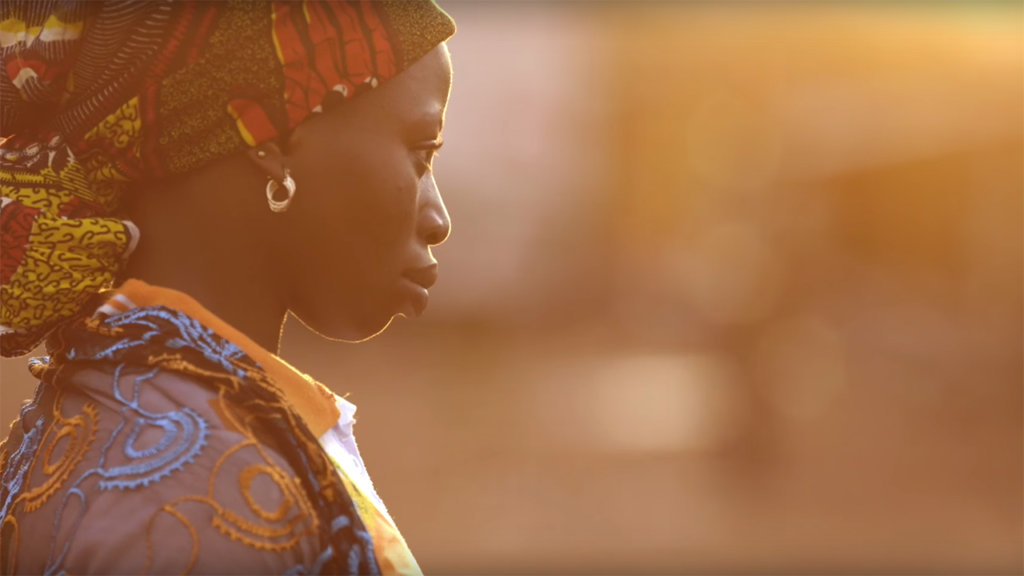
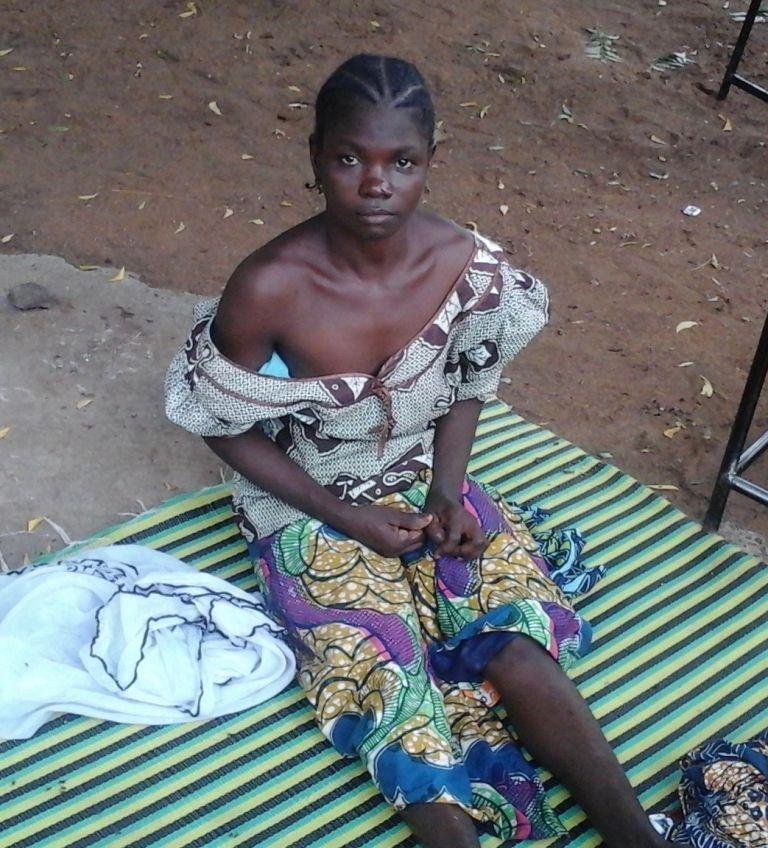
Mariam, a recipient of fistula repair surgery at the center, suffers from an undiagnosed mental health disorder, which most likely stems from and is exacerbated by the stress of being isolated from her community, unable to contribute to her family, and in constant physical discomfort.
Mariam is quiet unless spoken to, her demeanor proud—almost stoic. She has a slow, shy smile that only occasionally breaks through. She attended a previous fistula repair campaign, accompanied by her mother, and experienced episodes of severe agitation. This time Mariam is at the hospital alone because the rest of her family needed to work in the fields.
The results of the PHQ-9 survey will help the project explore options to address the psychological issues these women struggle with. Women like Mariam.
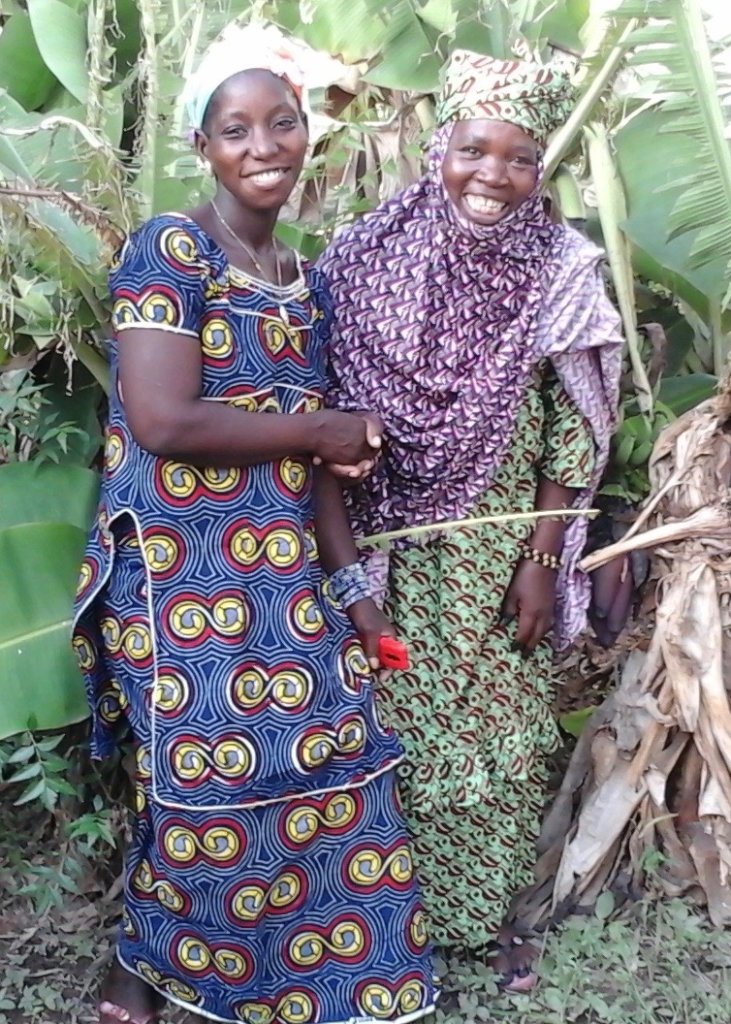
When these women return home after surgery, they will continue to receive follow-up support from the community health agents, who have been trained in fistula counseling, including psychosocial care, postsurgery guidelines, and family planning. The agents make more than a dozen house calls throughout the region in any given month and provide emotional support through countless phone calls.
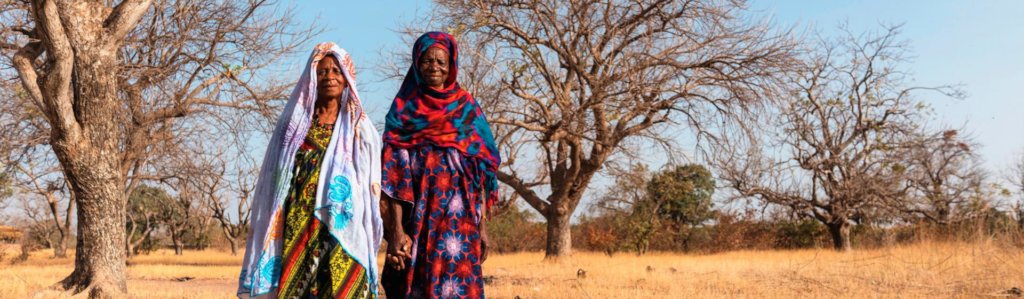
Now that Mariam has begun her postsurgery recovery, she spends much of her day sitting under a shade tree with the community health agents and the other fistula patients. There is a lot of talking and sharing. The camaraderie is contagious. These women stick together. “She’s going to be okay,” says Coulibaly, a community health facilitator, “She’s already improved so much since she’s been here, and I’m going to make sure her family understands that.”
* A version of this report written by Ingrid Marzoula was orginally published on Vital, IntraHealth's blog
Links:
Project reports on GlobalGiving are posted directly to globalgiving.org by Project Leaders as they are completed, generally every 3-4 months. To protect the integrity of these documents, GlobalGiving does not alter them; therefore you may find some language or formatting issues.
If you donate to this project or have donated to this project, you can receive an email when this project posts a report. You can also subscribe for reports without donating.