By Nola Paterni | Development Officer
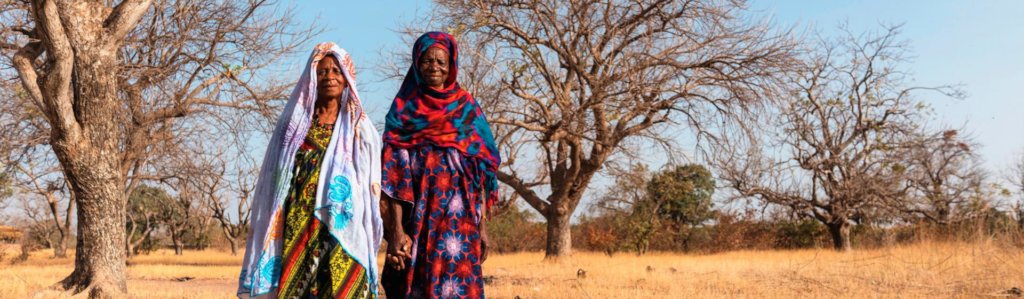
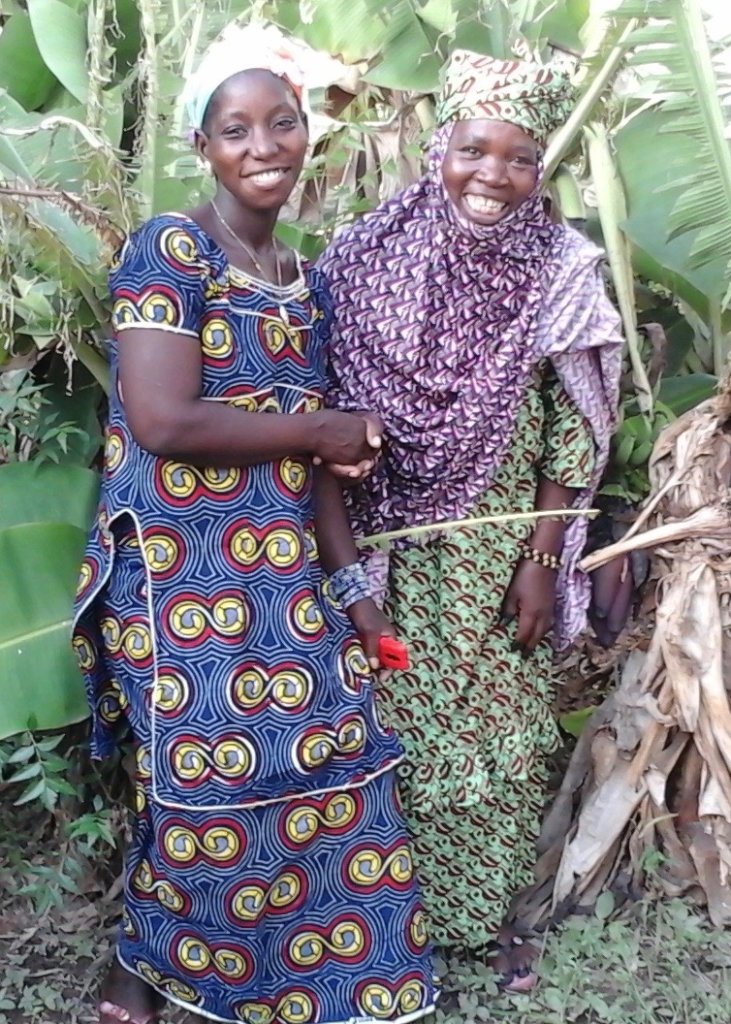
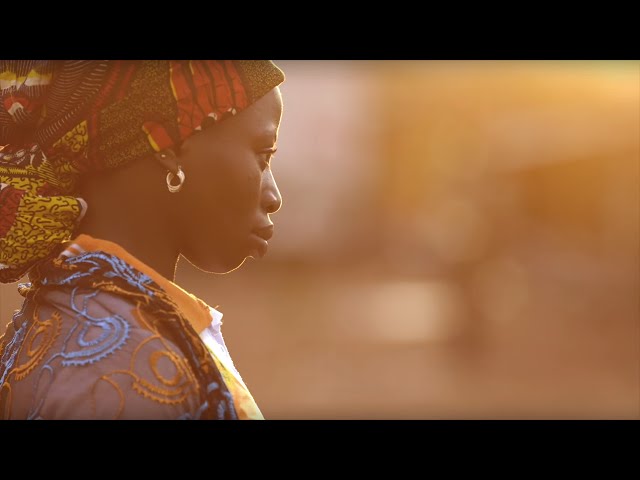
The stigma surrounding fistula is a challenge to overcome in its own right. Education and awareness campaigns are essential to overcoming the stigma that surrounds this devastating birth injury. Stigma is often the culprit that prevents women from seeking the medical help they need to heal. The Restore Dignity project seeks to counter stigma in a variety of ways, from radio messages and TV ads, to working with community health workers to identify those in need of treatment. Women who have undergone fistula repair surgery are often key ambassadors in helping identify and contact other women in the community who are in need of treatment but do not feel comfortable or safe seeking it out.
The Restore Dignity project takes into account the suite of barriers that prevent women from seeking care and undergoing surgery – a simple surgery that will change their life for the better and allow them to reintegrate into society. The project and its partners seek to advance the global community’s understanding of the physical, social, and financial needs of women who have suffered, or continue to suffer, the scourge of fistula, and to augment the innovations and resources aimed at ending fistula and restoring women’s dignity.
This holistic approach this project takes to fistula treatment and prevention has yielded impressive results. The training and recruitment of health workers at all levels has resulted in 609 women receiving surgical fistula repair and 78% of eligible women repaired are now using a family planning method. The increase use of family planning is a result of the education and awareness campaigns which are interwoven into the care package. In addition, treatment addresses women’s physical and psychosocial needs.
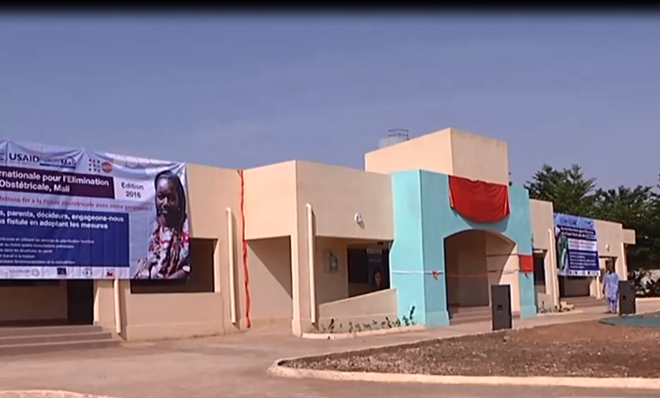
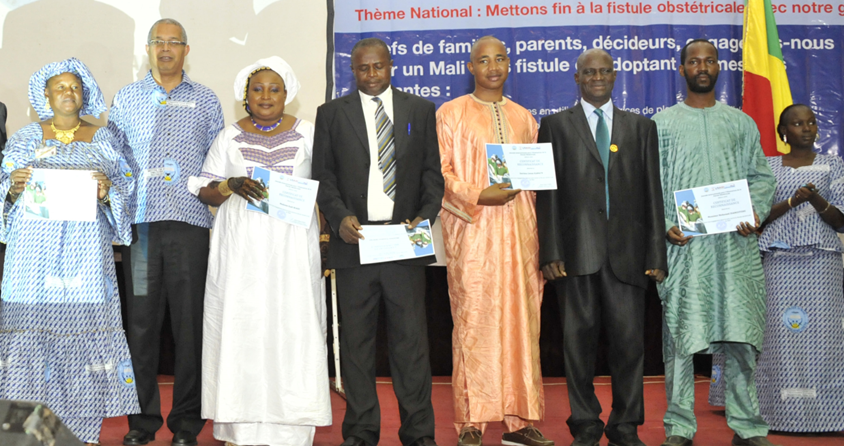
During the World Fistula Day celebration on May 23, two IntraHealth staff members – the Mali Country Director and the International Program Director for West Africa – received awards from the Mali Ministry of Health and Public Hygiene for the project’s dedication to restoring the dignity of women suffering from fistula. These leaders and their teams have overseen the opening of a new welcome center for fistula clients at Sikasso Hospital, distributed 280 dignity kits to women undergoing repair, expanded the availability of repair services into two additional districts, implemented income generating opportunities for 50 women, and planned mental health interventions for all affected women.
Despite these achievements, the need is still great. Every year more women and girls develop fistula. It is imperative that the treatment approach include an understanding of societal norms in Mali and address not only physical needs, but also the deep-seeded societal stigmas that played a leading role in creating the problems to begin with.
Project reports on GlobalGiving are posted directly to globalgiving.org by Project Leaders as they are completed, generally every 3-4 months. To protect the integrity of these documents, GlobalGiving does not alter them; therefore you may find some language or formatting issues.
If you donate to this project or have donated to this project, you can receive an email when this project posts a report. You can also subscribe for reports without donating.