By Gillian Wilson | Project Leader
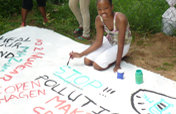
Empowering South Durban community members, especially women and youth, to engage in environmental justice issues that impact their lives is SDCEA’s concern.
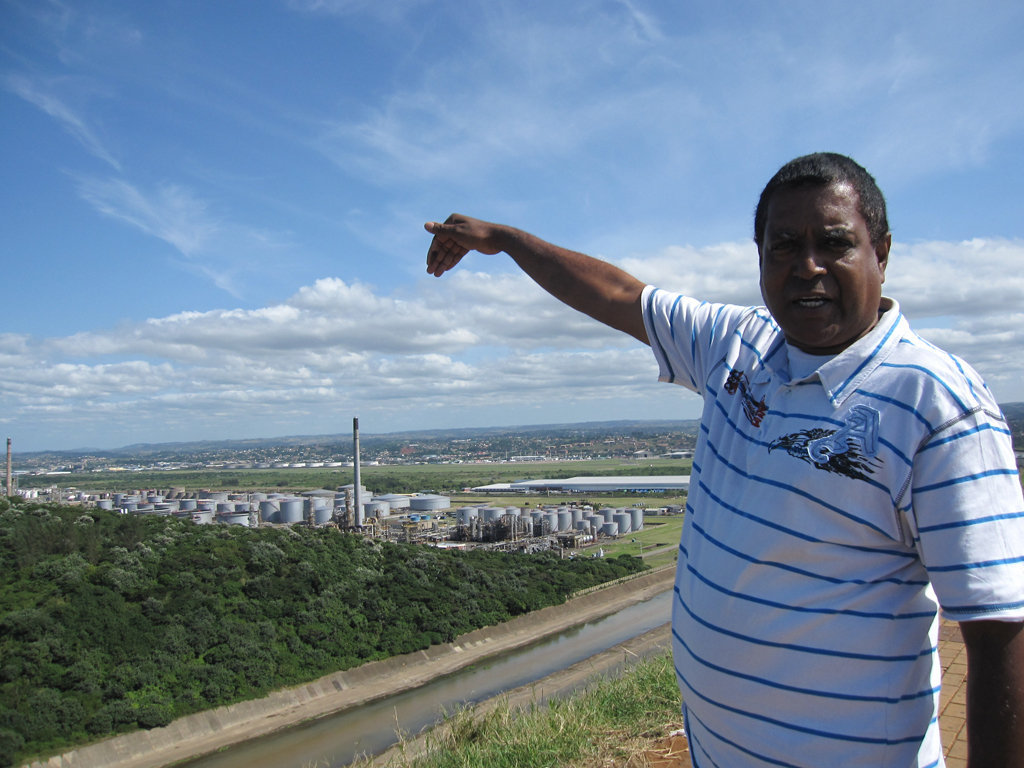
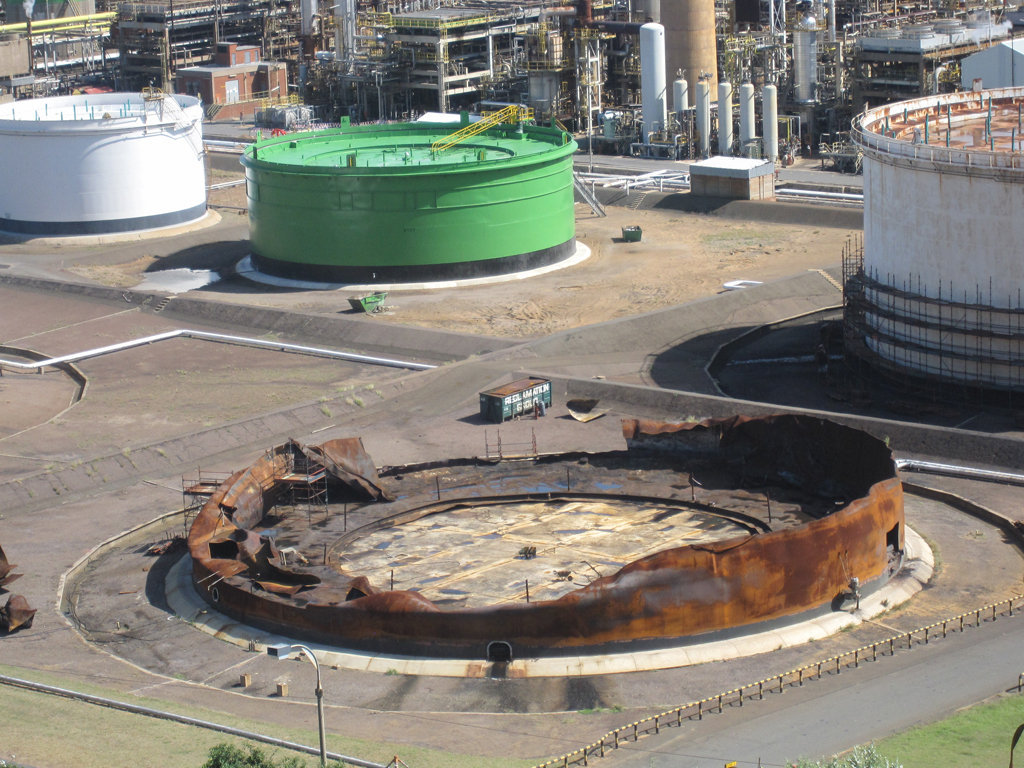
Through its advocacy and community education campaigns, SDCEA has been instrumental in bringing environmental issues to the attention of South Durban’s policy-makers and has enjoyed significant success—most notably, the closure date of the toxic Bul-Bul Drive Landfill site. The closure date is due to the decision made to fight this toxic polluter by community members who formed the Bul-Bul Drive Dumpsite Action Committee in 2008.
More recently, SDCEA was also able to mobilize people to take action to stop the proposed Transnet Pipeline Project, which would build a massive multi-product pipeline through many of South Durban’s poor and marginalized communities. SDCEA knew that building the pipeline would undoubtedly damage the culture, livelihoods, health and safety of the people living alongside of it. They called for a public hearing to be conducted by the Department of Environmental affairs to hear directly from the residents; they demanded an independent social needs study to be undertaken in conjunction with local educational institutions to determine how the pipeline will impact their immediate and long-term future.
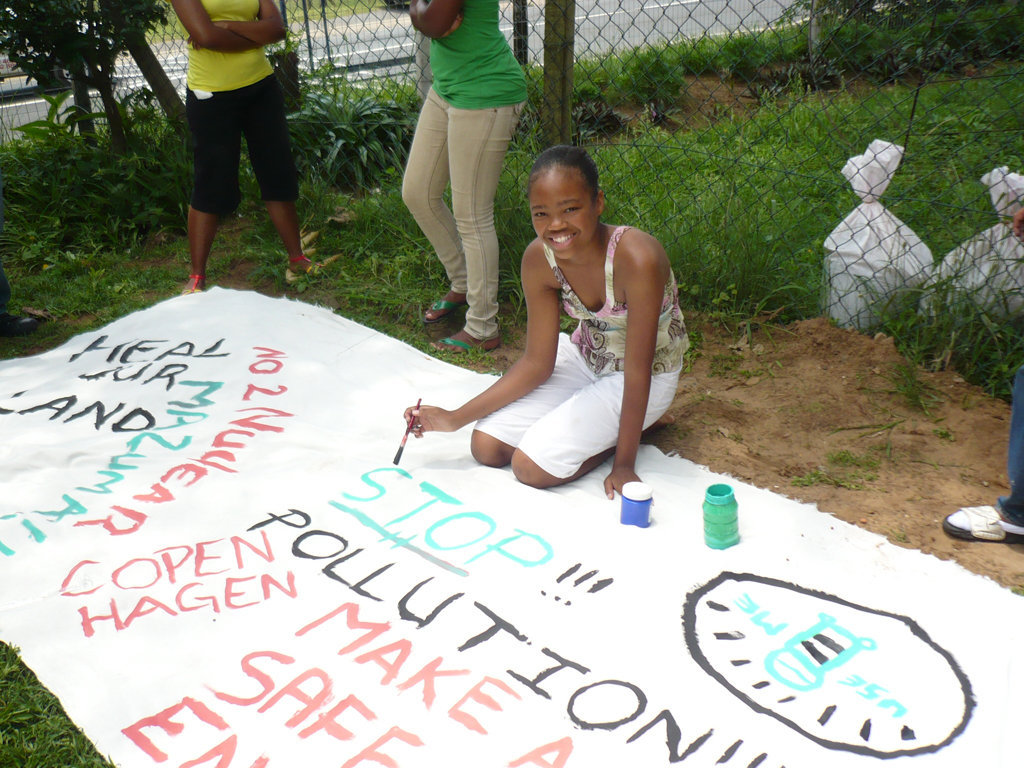
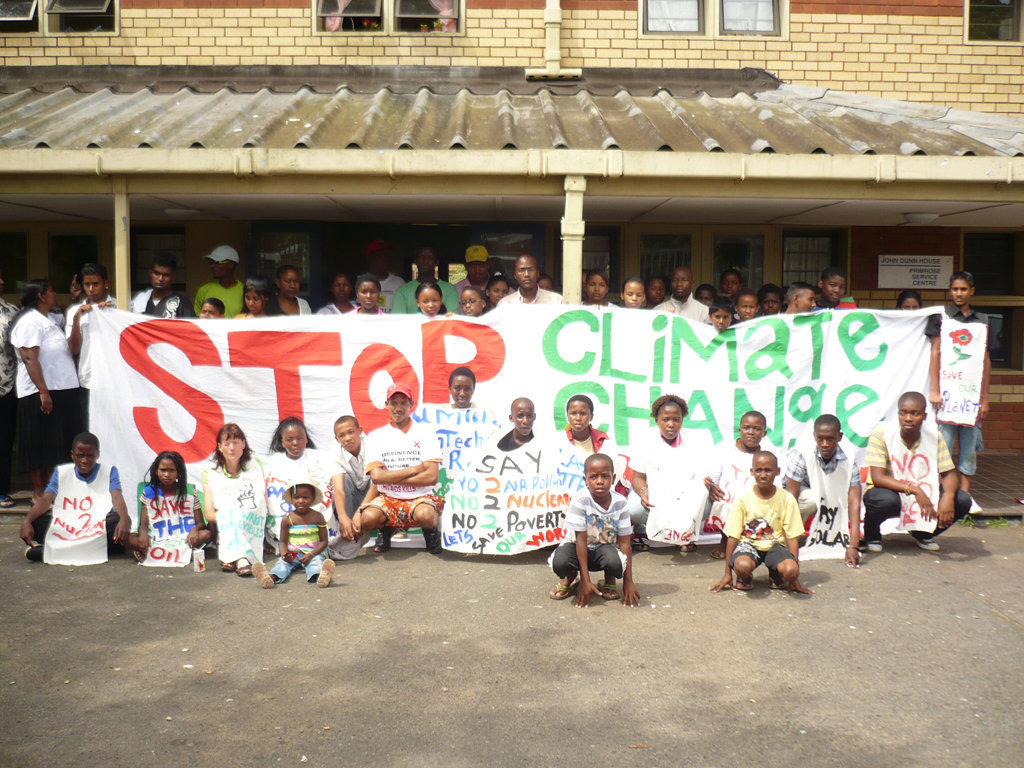
To help further SDCEA’s mission of strengthening local action for environmental rights, they have developed solid relationships with local academic institutions where they provide educational workshops on air quality monitoring, pollution and climate change, and renewable energy systems. These types of workshops and seminars equip people with the knowledge to understand the effects of climate change and the impact it may have on the lower lying coastal areas and towns of South Durban, as well as all of Africa.
Because of SDCEA’s work, the public now understands that the environment is the foundation upon which all other development rests.
Your donations will ensure that SDCEA continues to invest in South Durban’s future by enabling communities to understand the essential relationship between their basic needs and a healthy environment, and how to support equitable and sustainable development.
Project reports on GlobalGiving are posted directly to globalgiving.org by Project Leaders as they are completed, generally every 3-4 months. To protect the integrity of these documents, GlobalGiving does not alter them; therefore you may find some language or formatting issues.
If you donate to this project or have donated to this project, you can receive an email when this project posts a report. You can also subscribe for reports without donating.