By Prama Verma | Marketing & Partnerships Manager
This year marks 40 years since the first cases of HIV/AIDS were identified. Since then, it has become increasingly clear that inequalities worsen pandemics, make them last longer, and affect marginalised people the most. As mothers2mothers (m2m) Community Mentor Mother Rosa can attest—we see this with HIV, and we’re seeing it again with COVID-19. With the emergence of the Omicron variant, we are reminded once again that pandemics know no boundaries—no-one is safe until we are all safe.
“As if HIV itself were not enough, COVID-19 has brought more fear and insecurities to the communities. I felt the same things with the COVID-19 pandemic that I did when I heard I had the HIV virus—fear, anxiety, stress, and limitations. In the community, they say COVID-19 will be the end of the world because we are still struggling so much with HIV.” — Rosa, mothers2mothers (m2m) Community Mentor Mother in Matola, Mozambique.
Despite the tremendous progress that has been made to prevent and treat HIV, it has been highly uneven, and some of the world’s most vulnerable people remain disproportionately impacted by the virus. As a result, the world is not on track to meet the global goals to end AIDS by 2030.
These health disparities are particularly acute in sub-Saharan Africa which, according to UNAIDS, is home to the greatest number of people living with HIV, new HIV infections, and AIDS-related deaths in the world. Among the populations bearing the greatest burden are women and girls, who account for 63% of all new HIV infections in sub-Saharan Africa. Children are also being left behind in the HIV response—just 54% of children living with HIV in 2020 received treatment globally, compared to 74% of adults. Furthermore, many children were not tested for HIV at birth and remain unaware of their HIV status, leaving them vulnerable to illness and death.
Health for all is possible when we invest in women, and put communities at the center of the solution.
Luckily, the world is waking up to the impact of inequalities, with agencies such as UNAIDS explicitly tackling inequities and public health in an integrated way. For two decades, local African women living with HIV have been at the center of m2m’s work. m2m has demonstrated the power of community-based female leaders to respond to the exact needs of their communities with regards to HIV and other critical health issues, resulting in real and tangible change.
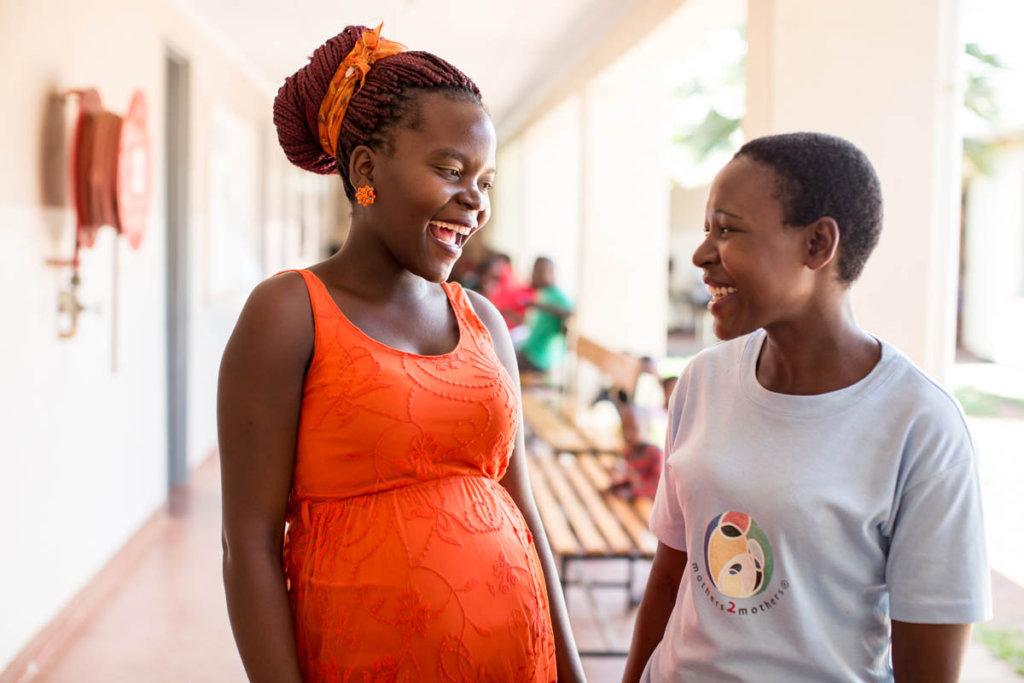
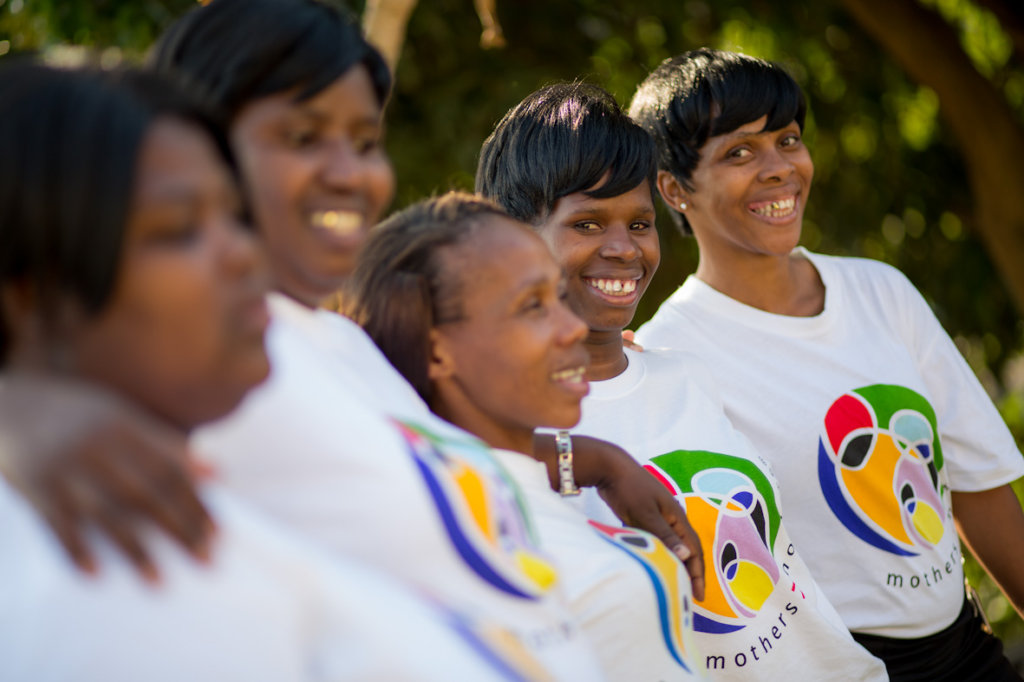
The 1,800 women living with HIV currently employed by m2m as frontline health workers, called Mentor Mothers, understand first-hand the barriers to health facing their communities, having overcome their own challenges. These Mentor Mothers break down barriers to health by becoming health workers, leaders, and role models, and providing health services, education, and support so women and families can stay healthy and thrive.
“I believe that local women are critical to educating the community about pandemics and making sure they get the health services they need because of the simple fact that we are part of the community. We know the community’s challenges, not because we Googled them or read them in some article, but because we experience them also,” explains Rosa.
Project reports on GlobalGiving are posted directly to globalgiving.org by Project Leaders as they are completed, generally every 3-4 months. To protect the integrity of these documents, GlobalGiving does not alter them; therefore you may find some language or formatting issues.
If you donate to this project or have donated to this project, you can receive an email when this project posts a report. You can also subscribe for reports without donating.