By Melissa Marrocco | Institutional Giving Officer
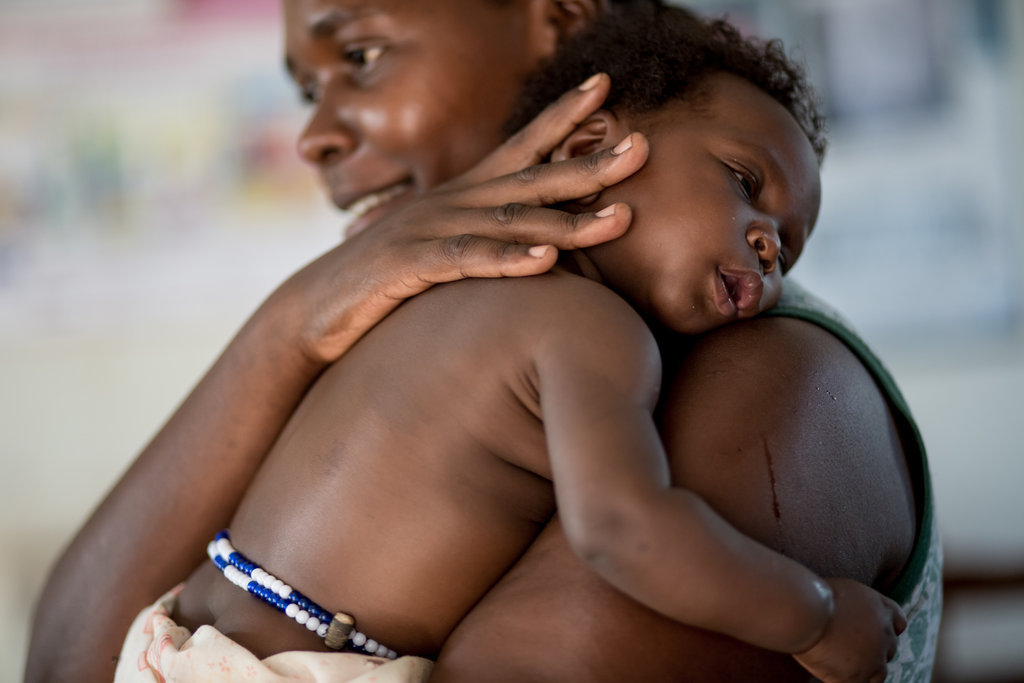
While children may be less vulnerable than adults to the psychological effects of COVID-19, there is no doubt that the youngest generation will bear one of the biggest burdens of the pandemic. Widespread closures of schools and early childhood development programs; increased unemployment resulting in food insecurity and malnutrition; and greater difficulty accessing essential health services—combined with the emotional impact of the crisis—these COVID-19 effects are exposing children to health and developmental challenges that could last a lifetime, particularly in the world’s poorest countries.
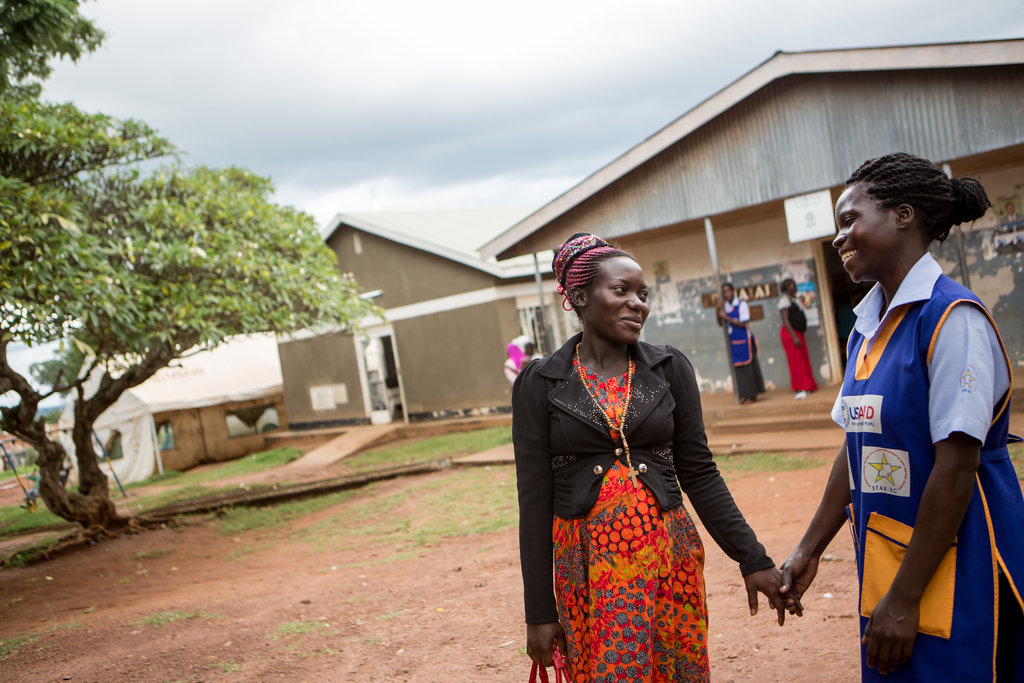
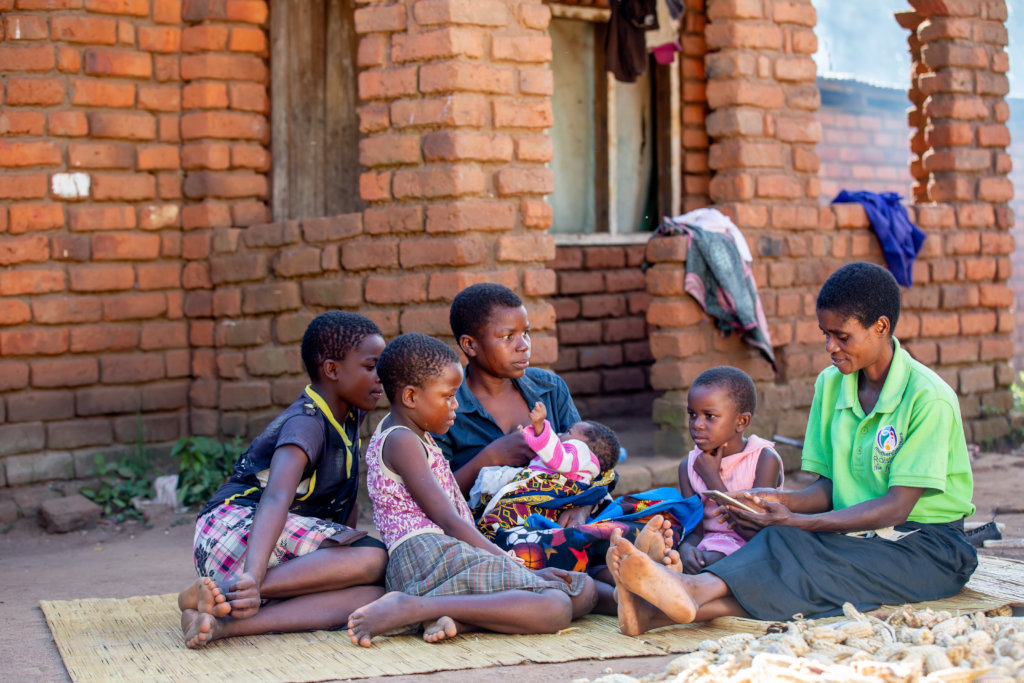
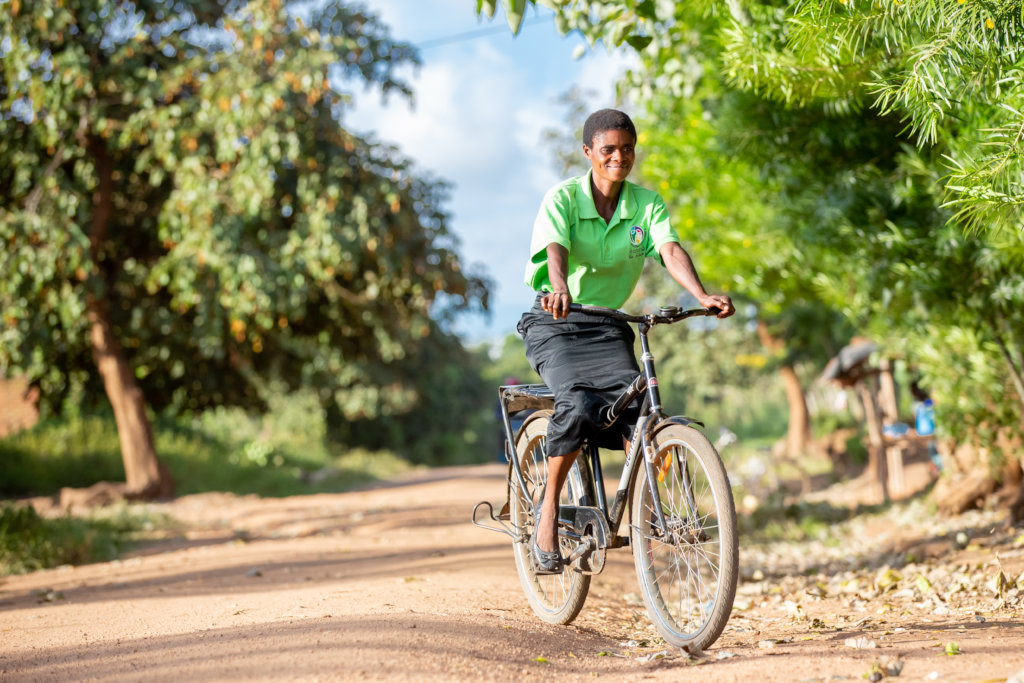
“I am very concerned about the long-term impact that COVID-19 could have on the children in my community,” says Promise James, a mothers2mothers (m2m) Community Mentor Mother in southern Malawi. Promise says the coronavirus is having a deep impact on her community. Many families are struggling for food. Schools and childcare centers are closed, depriving children of learning opportunities and interactions with their peers, and causing job losses among teaching and support staff.
Challenges accessing health services
Some mothers are not accessing health services for themselves or their children because they fear they will be infected with COVID-19. For those who do walk miles through this rural area to reach the nearest health center, they cannot always get the services their families need—services ranging from immunizations to the final test for the child for HIV to viral load monitoring—because medical staff are working in shifts to limit the number of people in the facility at any given time.
Furthermore, many people living with HIV in Malawi have received a six-month supply of their treatment, which is good practice. However, Promise says it also creates a disincentive to make the long trip to the health center. “Some clients have missed equally important appointments—such as antenatal care visits, infant HIV tests, childhood immunizations, to name a few—if they are scheduled before the date to refill their ARV prescription,” she says.
Compounding the risks
In sub-Saharan Africa, the risks to children of not accessing health services are compounded by the fact that millions of them are living with HIV or exposed to the virus. According to a UNAIDS report released earlier this month, 200 children contracted HIV each day in Eastern and Southern Africa in 2019. Just as worrisome, only 58% of children (aged 0-14) living with HIV in the region were on lifesaving treatment, compared to 73% of adults. Now, with UNAIDS warning that COVID-19 has “seriously impacted the AIDS response and could disrupt it more” by limiting HIV treatment and medical supplies, these children could face even greater health consequences.
Furthermore, according to a study of low- and middle-income countries by the Johns Hopkins Bloomberg School of Public Health, 1.2 million more children under age five could die in six months due to challenges accessing routine health services and adequate nutrition.
Unstoppable
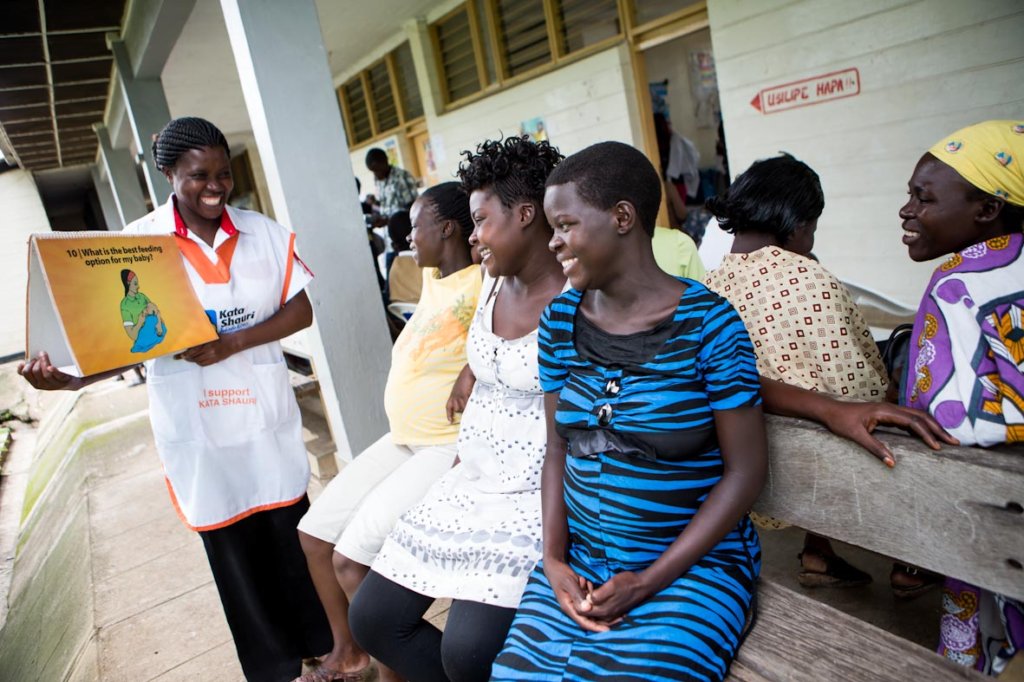
While COVID-19 restrictions prevent Promise and her fellow Mentor Mothers from going door–to–door and holding group support sessions in her community to provide m2m’s full range of family-centered services—which span pregnancy, childhood, and adolescence—this hasn’t stopped them from making sure parents are doing everything possible to keep their children healthy and safe.
Promise now spends a considerable amount of time helping her clients navigate the health system, educating them on COVID-19, and supporting them to make it to their medical appointments and stay on HIV treatment. With only 60 percent of her clients in possession of a phone, Promise has become creative in her outreach—calling family members and working with government health workers still allowed to go door-to-door in the community to share messages to clients she has been unable to reach.
To protect the health of her youngest clients, Promise checks they are tested for HIV, are receiving all of their childhood immunizations, and getting the nutrition they need. She also talks to parents and caregivers about activities to stimulate their child’s early development, especially during this unprecedented time, and confirms children are meeting all of their developmental milestones.
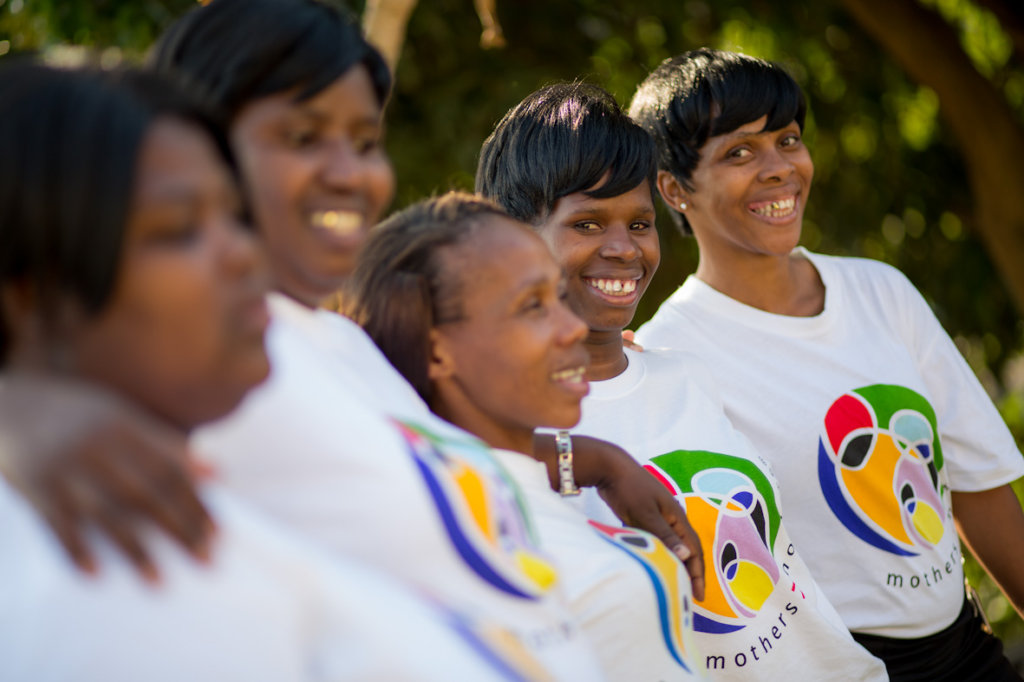
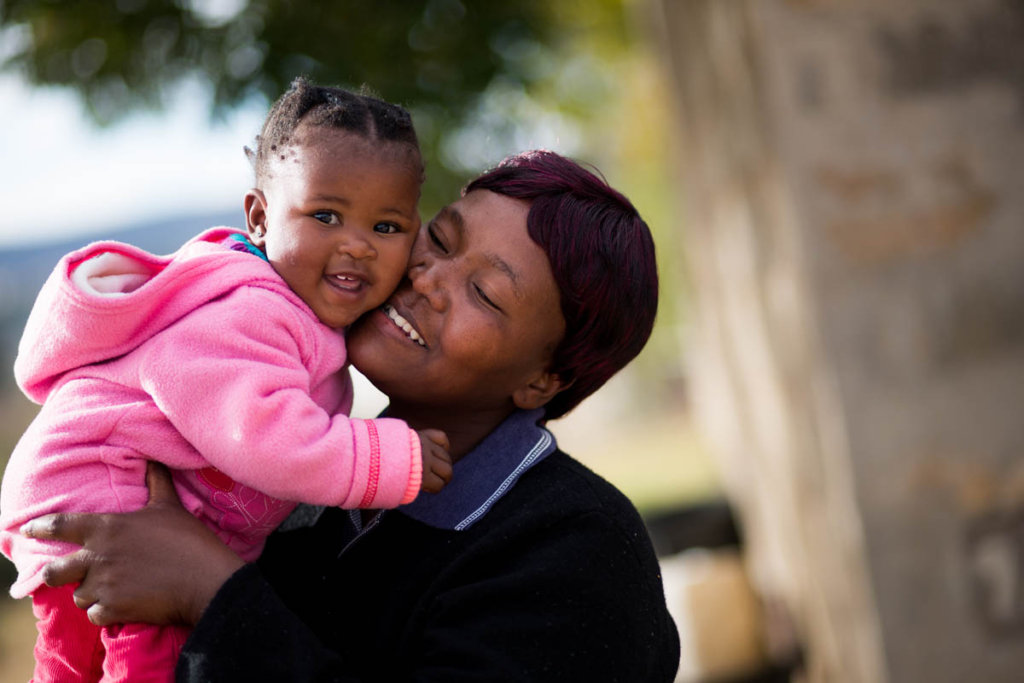
Remarkable women like Promise, one of more than 1,700 m2m Mentor Mothers across ten African nations, are working to protect Africa’s future, by ensuring children have the opportunity to stay healthy and thrive, even in the face of this global pandemic. We are inspired by their efforts and committed to making sure they have the tools and resources to do this work.
Project reports on GlobalGiving are posted directly to globalgiving.org by Project Leaders as they are completed, generally every 3-4 months. To protect the integrity of these documents, GlobalGiving does not alter them; therefore you may find some language or formatting issues.
If you donate to this project or have donated to this project, you can receive an email when this project posts a report. You can also subscribe for reports without donating.