By John Bosco Bugingo | Project Leader
Persistence to Challenge Unfair Proceedings in Rwanda: the story of “Hope” and IBJ lawyer Mary Katushabe
There is sometimes a blurred line between being the author of a criminal act or a victim of unjust circumstances. It takes a perceptive and compassionate legal professional to distinguish between the two. For Mary Katushabe, one of the IBJ Legal Task Force representatives, the ability to separate a criminal act from an act of desperation is a natural instinct. In countries in which certain fundamental legal norms, such as the presumption of innocence, are not fully internalized, a defender with Mary’s talent is rare.
In July, Mary took the IBJ case of an orphan accused of infanticide. The young girl, whom we will refer to as Hope, had fled her home after repeated mistreatment by her adoptive father. After leaving, Hope learned that she was pregnant. She had few people to whom she could turn. Upon approaching the boy whom she claims impregnated her, he denied his involvement in the conception. Prenatal or maternal care for most young girls in such a dire situation is not available in Rwanda. Aggravated by poor living conditions and malnutrition, the incidence of miscarriage or premature birth among young girls is high. Young, uneducated, and poor, Hope had few good options.
To secure a livelihood and stable housing, many young girls in Rwanda undertake domestic work. Hope did so too, yet over time she became too weak to perform her duties. The mistreatment she received from the father of the household for whom she worked was even worse than the mistreatment she had received from her adoptive father.
One day, Hope went to the bathroom thinking that she was experiencing digestive pains. As soon as she positioned herself over the toilet basin, the baby began to come out. Hope says that when she realized this, she tried to stand up and go outside. In the process, the baby somehow exited and fell into a bucket of water in the bathroom. The baby died, and Hope was arrested shortly thereafter.
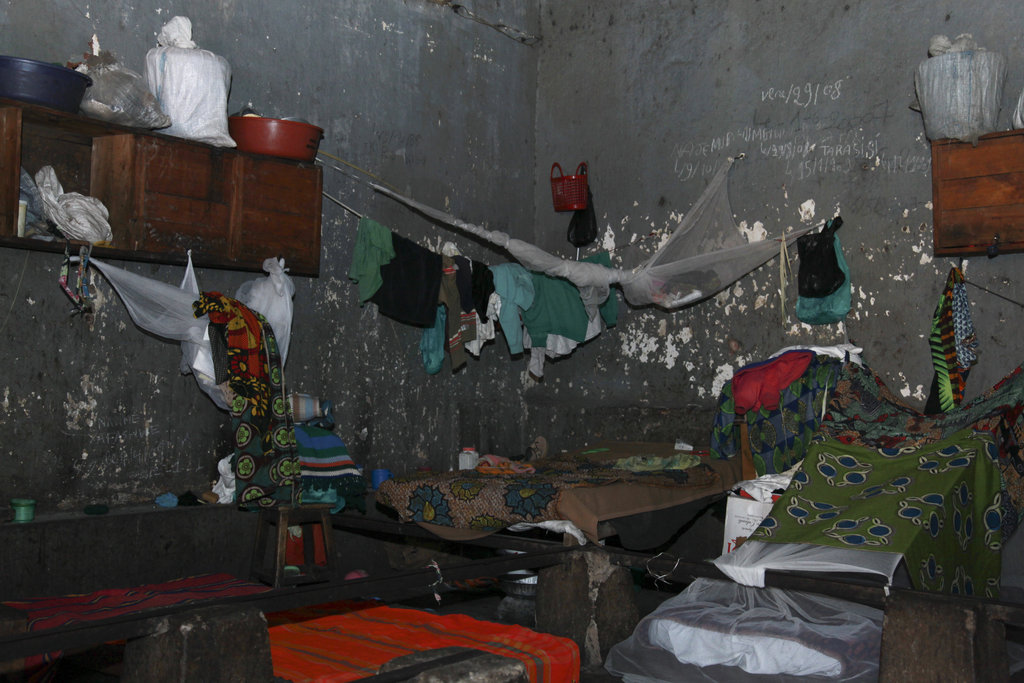
The initial charge levied against Hope was abortion. The charge was then changed to infanticide. Though Hope was imprisoned in April 2008, her first court appearance did not occur until June 2010. Soon afterwords, Mary took Hope’s case as an IBJ volunteer.
At the trial on September 2nd, the prosecutors requested life imprisonment, but Mary, with her advocacy skills, was able to persuade the presiding judge to give Hope a seven-year sentence. Committed to ensuring that vulnerable, destitute individuals like Hope are afforded due process under Rwandan law and convinced that she can obtain an even lower sentence, Mary has filed an appeal.
Links:
Project reports on GlobalGiving are posted directly to globalgiving.org by Project Leaders as they are completed, generally every 3-4 months. To protect the integrity of these documents, GlobalGiving does not alter them; therefore you may find some language or formatting issues.
If you donate to this project or have donated to this project, you can receive an email when this project posts a report. You can also subscribe for reports without donating.