By Doris Kananu | Program Director
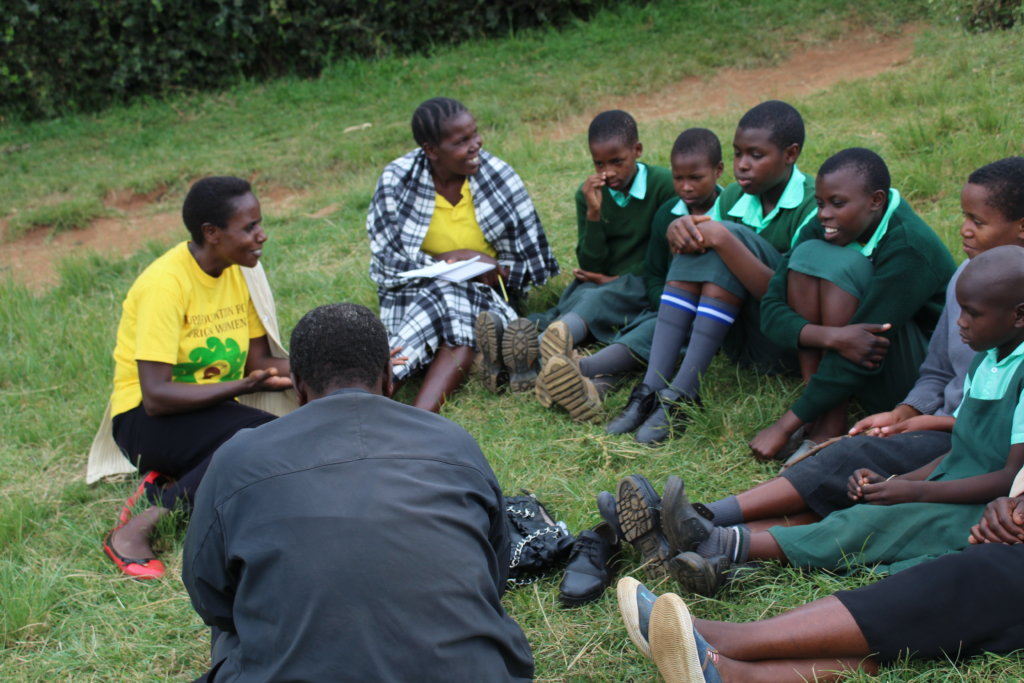
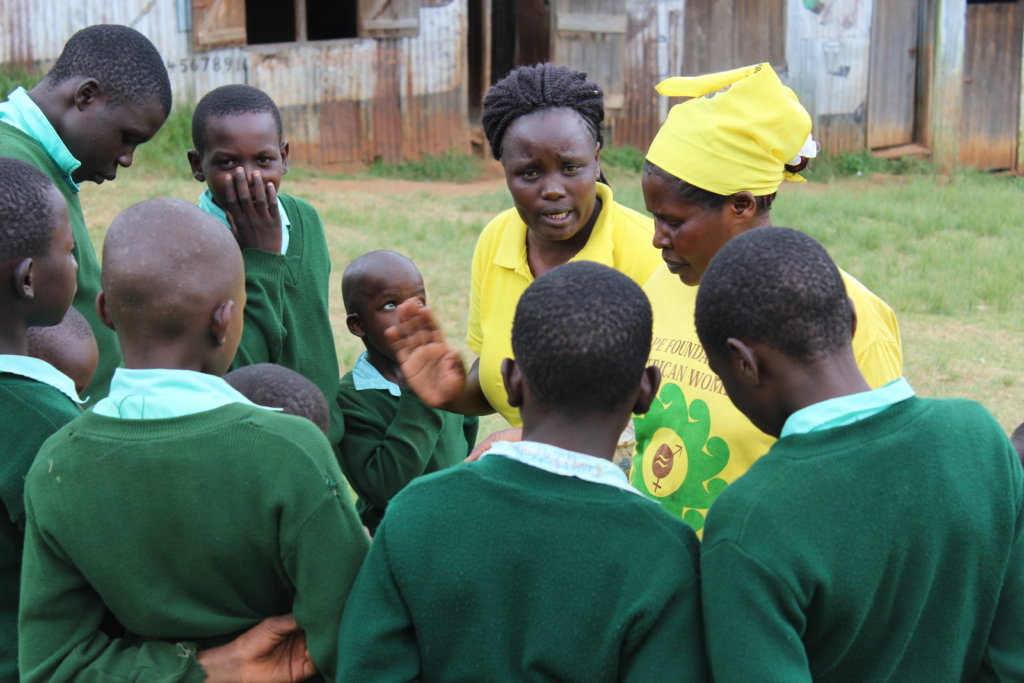
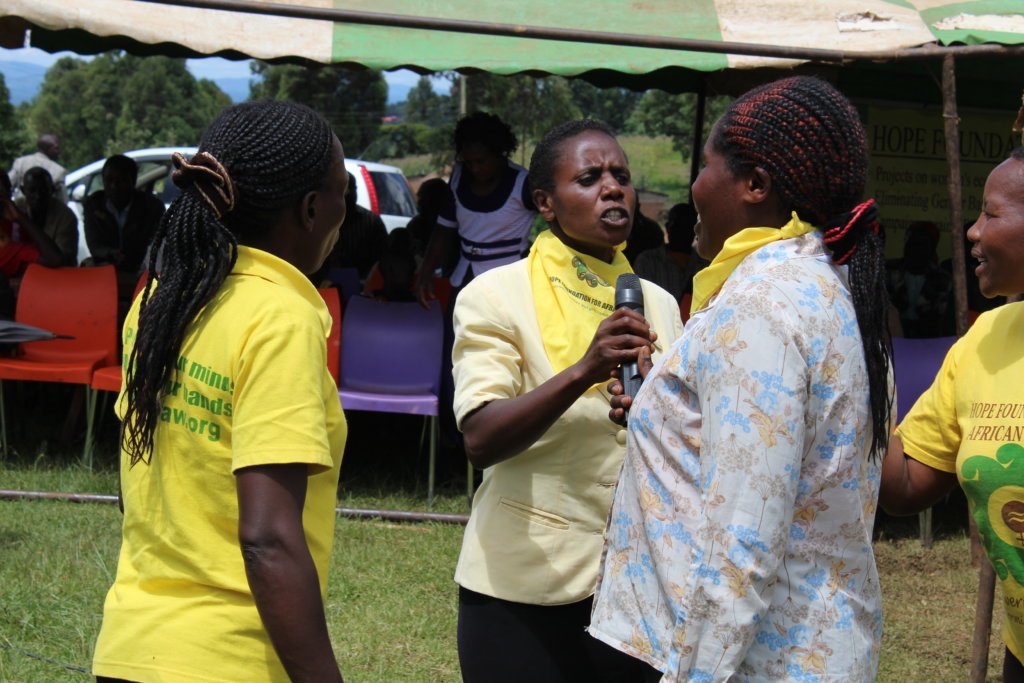
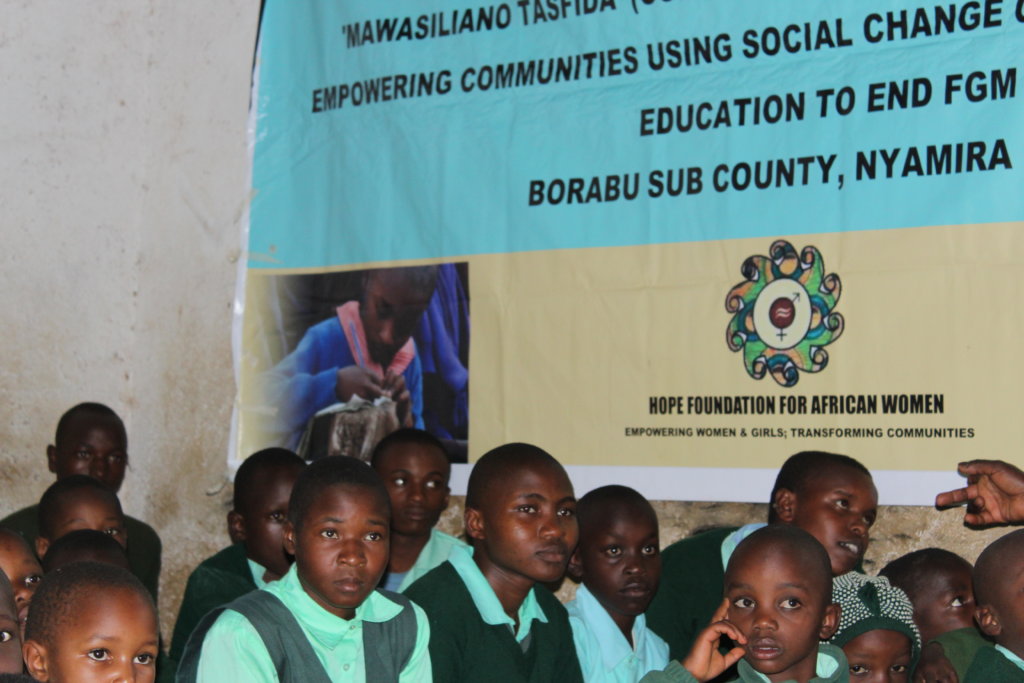
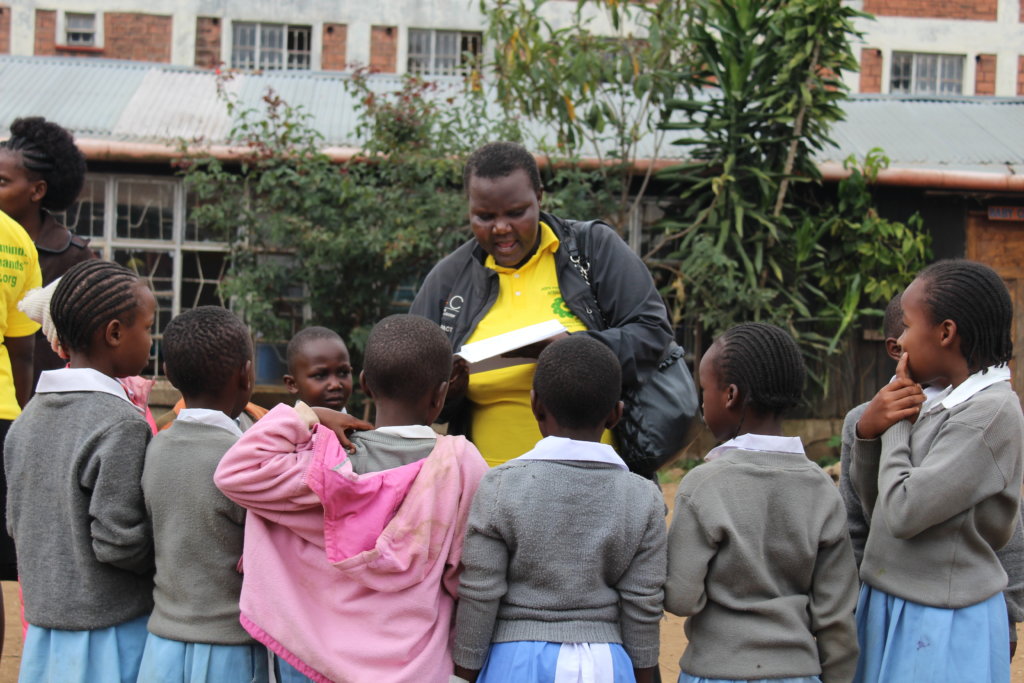
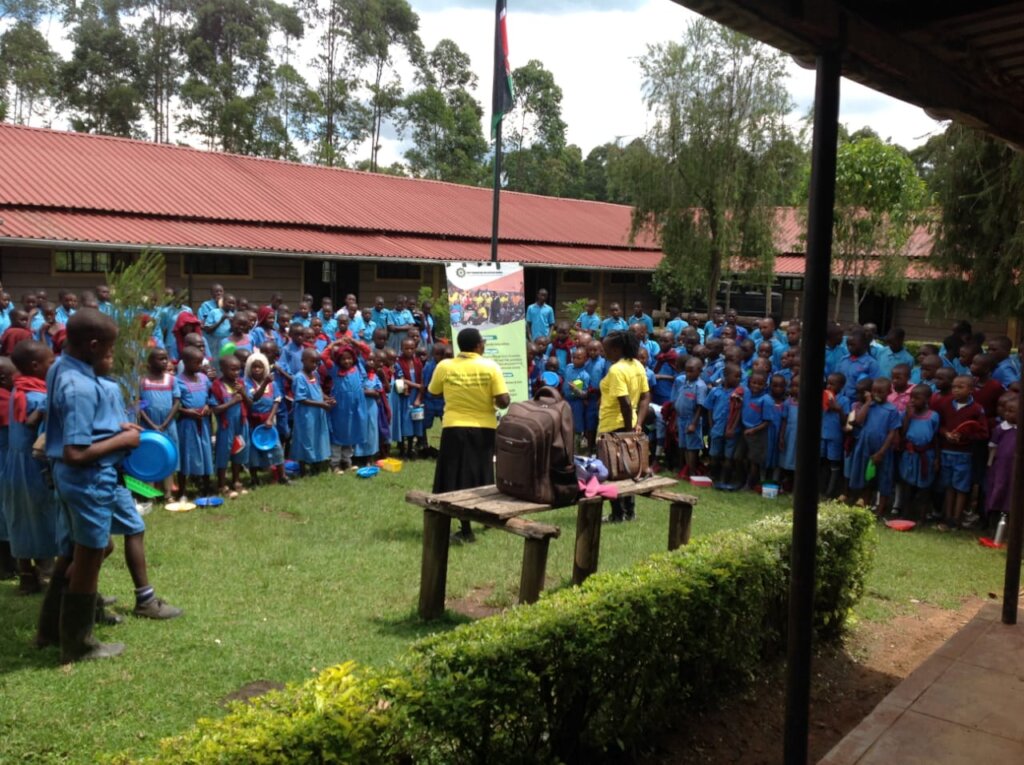
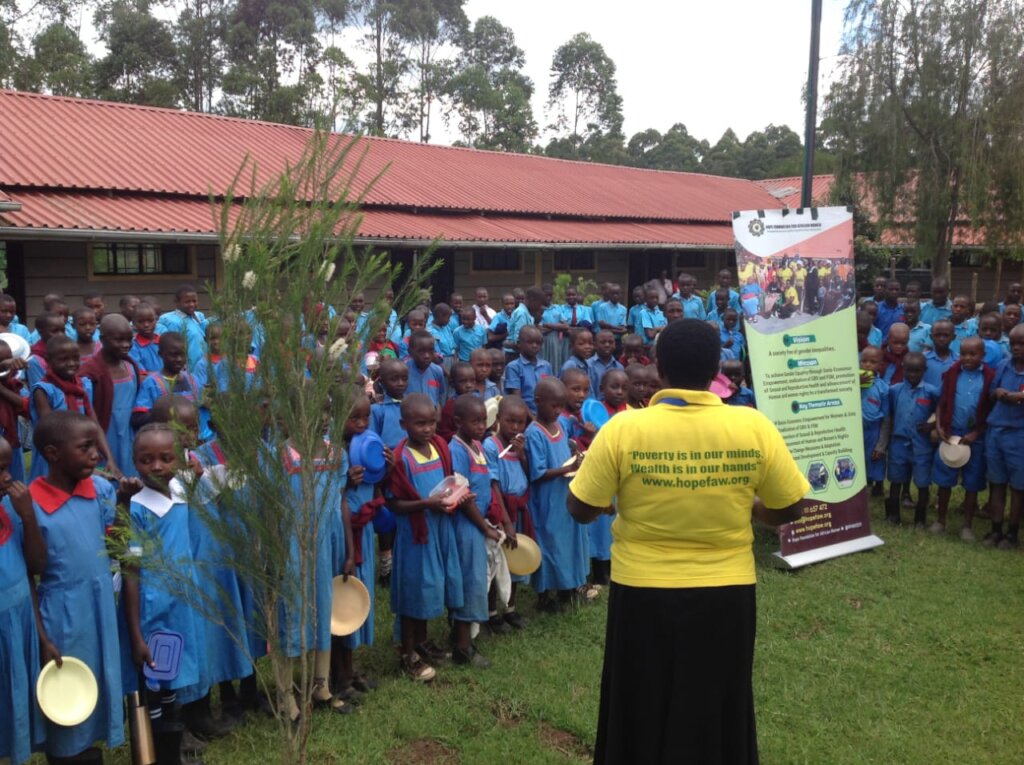
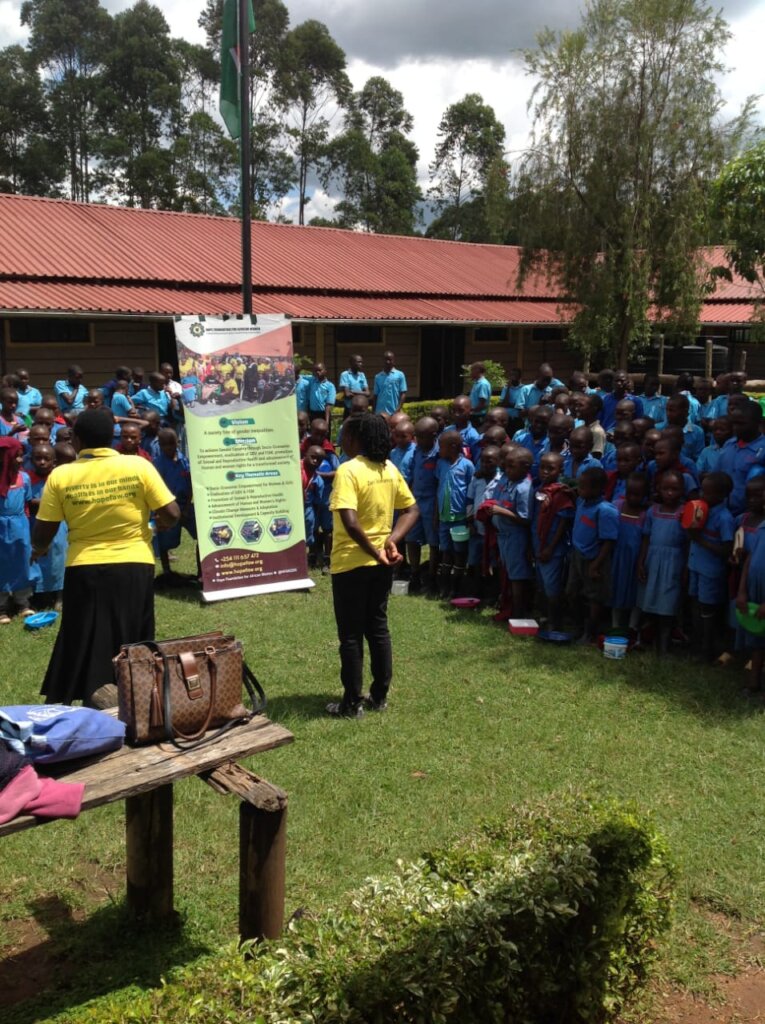
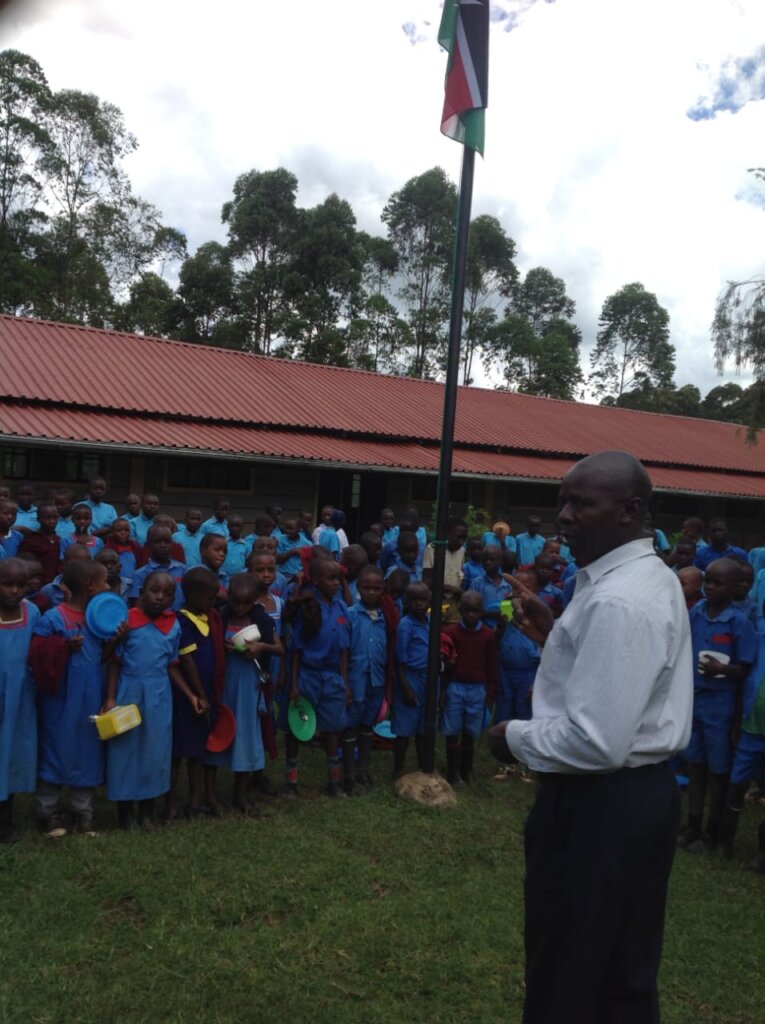
HFAW conducted an awareness and sensitization session on Female Genital Mutilation (FGM), teenage pregnancy, child rights, and child protection at Matutu P.A.G Primary School. The session aimed to equip learners with knowledge and confidence to protect themselves from harmful practices, abuse, and other risks affecting children.
The school had a total population of 253 people, comprising 239 pupils—115 boys and 124 girls—13 teachers, and one male subordinate staff member. Through interactive presentations, group discussions, experience sharing, and question-and-answer sessions, learners were sensitized on the physical, psychological, and social effects of FGM, causes and consequences of teenage pregnancy, children's rights, reporting mechanisms, and the importance of making informed decisions.
The session generated active participation, with learners raising important questions. Mary Bisieri asked, “Why do some communities still practice FGM despite it being illegal?” Tiffany Ndege asked, “What should a child do if they are being forced into marriage?” Eugine Ombagi sought guidance on avoiding peer pressure that may lead to teenage pregnancy. Stacy asked, “Who should learners report to if they experience abuse at home or in the community?” Brandon asked whether boys can also experience abuse, while Brian asked about the legal consequences for people who perform FGM.
The questions provided an opportunity to emphasize that both boys and girls have the right to protection and that children should seek help from trusted adults whenever they feel unsafe. In responding to the question on forced marriage, facilitators explained that forcing a child into marriage is a form of child protection concern and that children should not remain silent or accept such pressure. Learners were encouraged to seek help from trusted adults and to report cases to appropriate protection authorities. HFAW also provided relevant local information on where children can report abuse, forced marriage, and other protection concerns and where they can seek assistance and referral services.
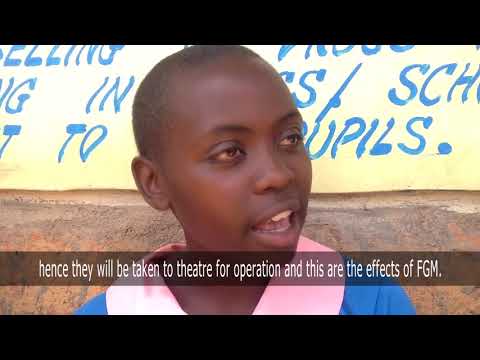
Learners were encouraged to report abuse or threats to teachers, parents, guardians, or relevant child protection authorities and to support friends who may be at risk. One learner reflected, “I have learned that if someone wants to harm me or force me into something, I should not keep quiet. I should tell an adult I trust.” Another added, “I want to finish school and make good choices because my future is important.” A teacher also emphasized the importance of such sessions, stating, “Children need to know that they have rights and that they can speak to someone when they are facing a problem.”
The session resulted in improved awareness of FGM, teenage pregnancy, child rights, and protection mechanisms. Learners demonstrated greater understanding of the importance of education, positive decision-making, self-confidence, speaking up against abuse and harmful practices, and knowing where to seek help when faced with protection concerns.
The main challenges included limited time to address all questions, some learners' shyness when discussing sensitive issues, and limited educational materials for learners to take home. It is therefore recommended that similar awareness sessions be conducted regularly, parents and guardians be sensitized, and the school strengthen its child protection, guidance, counselling, reporting, and referral mechanisms.
The awareness session at Matutu P.A.G Primary School was successful and well received by learners and teachers. The active participation demonstrated the learners' willingness to learn and protect themselves and others. As one learner aptly stated, “We have the right to be safe, to go to school, and to have a future.” Continued collaboration among schools, families, community leaders, HFAW, and relevant stakeholders remains essential in protecting children, promoting education, preventing teenage pregnancy, and contributing to the elimination of FGM.
We sincerely appreciate our donors and partners for their continued support in protecting children and preventing FGM and other harmful practices. We kindly request your continued support and encourage you to share our work with your networks so we can reach more communities and strengthen our impact.
Project reports on GlobalGiving are posted directly to globalgiving.org by Project Leaders as they are completed, generally every 3-4 months. To protect the integrity of these documents, GlobalGiving does not alter them; therefore you may find some language or formatting issues.
If you donate to this project or have donated to this project, you can receive an email when this project posts a report. You can also subscribe for reports without donating.



Support this important cause by creating a personalized fundraising page.
Start a Fundraiser