By Merith Basey | Haiti Liaison
Greetings to all our Haiti supporters!
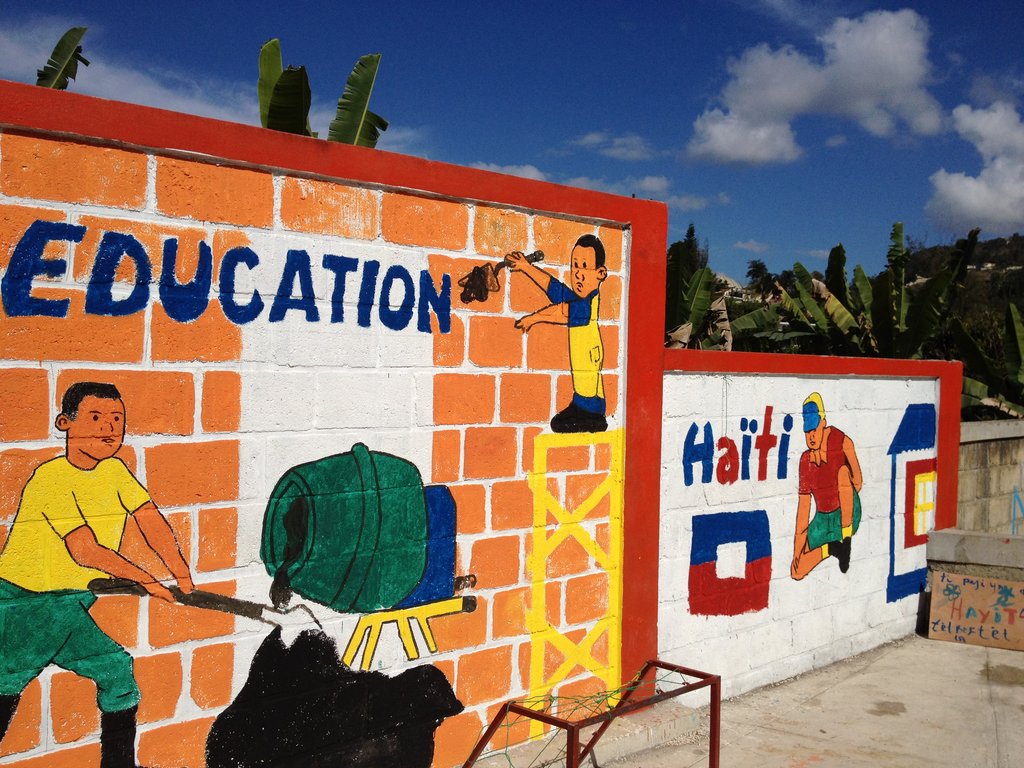
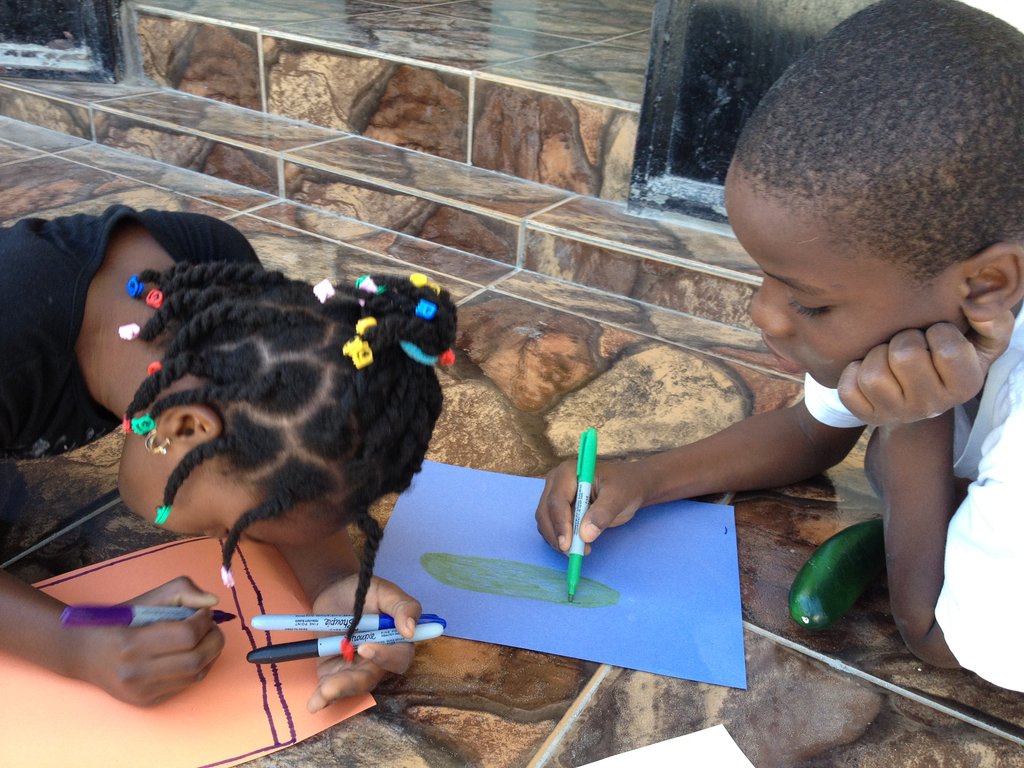
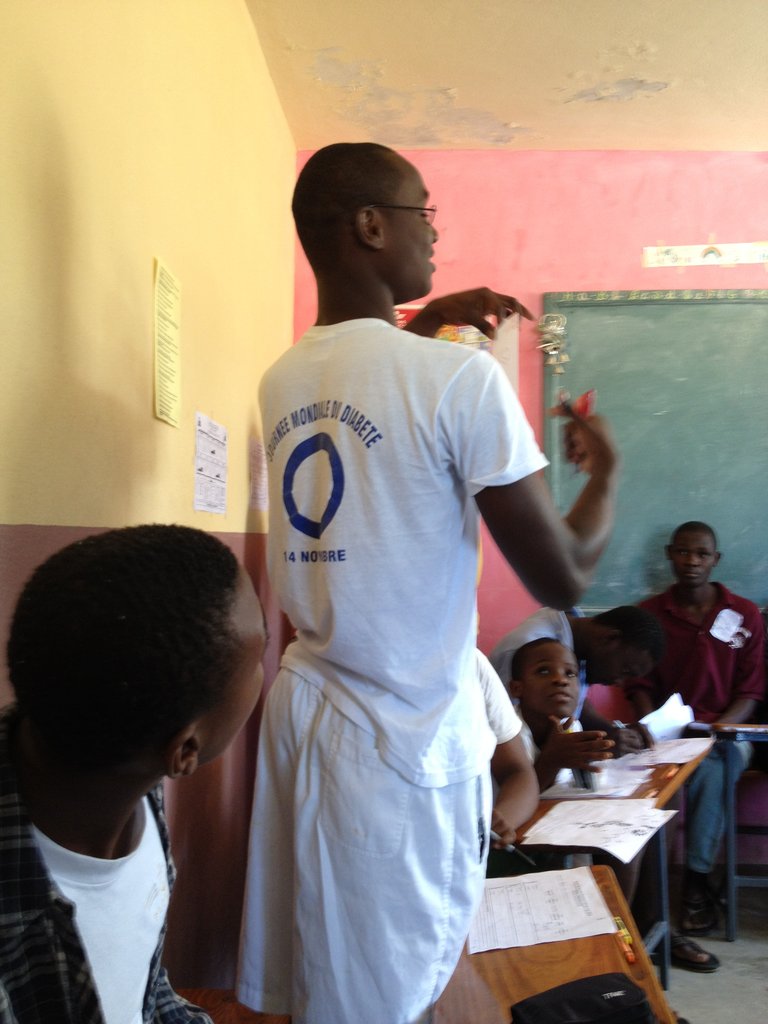
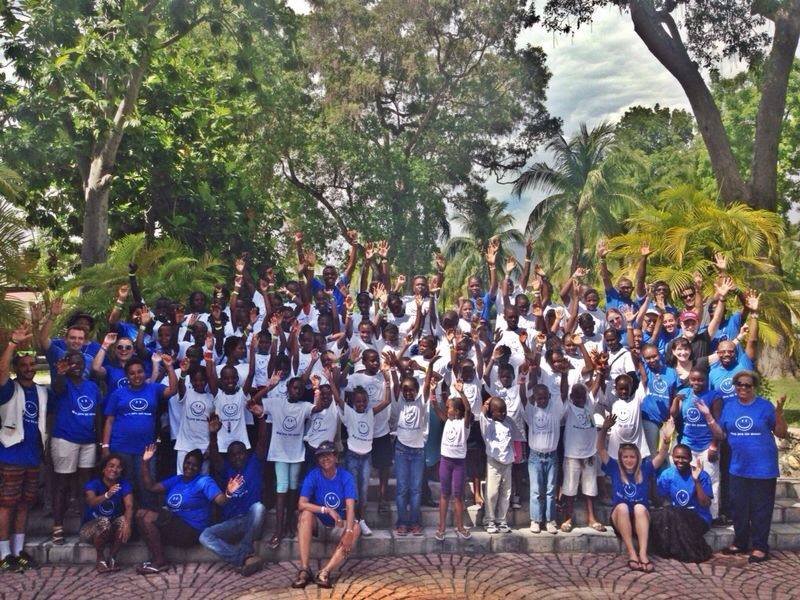
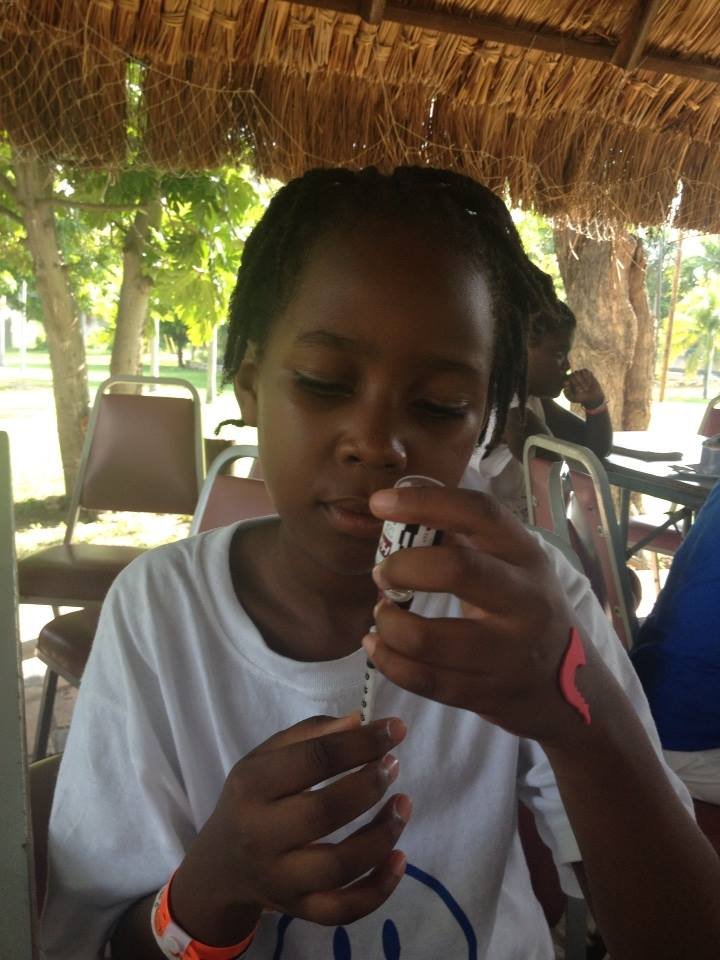
We are pleased to report that on the 21st April 2014, five AYUDA volunteers journeyed to Port-au-Prince, Haiti in support of a diabetes education program for 68 children and youth living with diabetes. For AYUDA, this was a pilot volunteer program, condensed into 7 days and nights after 10 weeks of training and preparation (and of course fundraising). FHADIMAC (fhadimac.org), AYUDA’s local partner based out of Port au Prince, had selected a location for camp one and half hours north of the capital in a beautiful coastal location called Moulin-sur-Mer. The setting was one of the most beautiful locations in which AYUDA had ever co-hosted a camp and it turned out to be the first opportunity for many of the campers to enjoy a dip in the sea despite living on a Caribbean island.
The AYUDA volunteers were a mixed group with diverse skillsets but who brought much more to the experience that the sum of their parts. Four of the five were living with diabetes themselves (some for more than 20 years each) and four of them had prior experience in-country with AYUDA, but for one this would be her first overseas introduction to AYUDA. Although team members spoke French (along with some basic Haitian Creole), we managed to overcome language barriers with the help of the young leaders who spoke some English, French and Creole to provide a safe, educational and recreational diabetes camping environment.
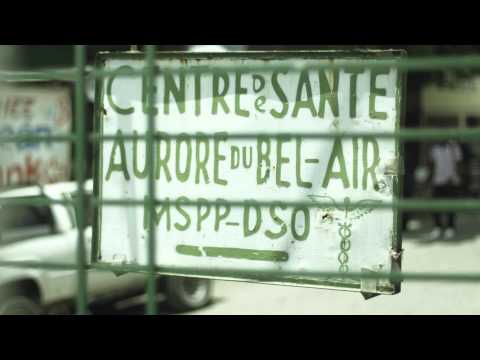
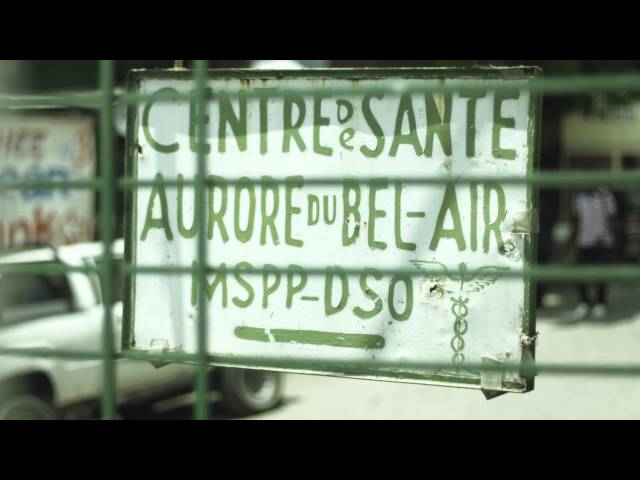
Two and a half days were spent in the Caribbean nation’s capital revising activities for camp, preparing materials and getting to know some of FHADIMAC’s young leaders. FHADIMAC is lead by the tireless Dr Nancy Charles Larco, daughter of Dr Rene Charles Larco who founded the organization more than 25 years ago. Keeping it in the family, experienced AYUDA volunteer and granddaughter of the founder, Vanessa Larco, took a leadership role in the camp and helped to merge the AYUDA and FHADIMAC teams into one. The team also spent some time at the University State Hospital in Port au Prince, the pediatric department still functioning 4 years post-earthquake in temporary buildings. A shift to more permanent home is hoped for in the near future but hasn't yet happened.
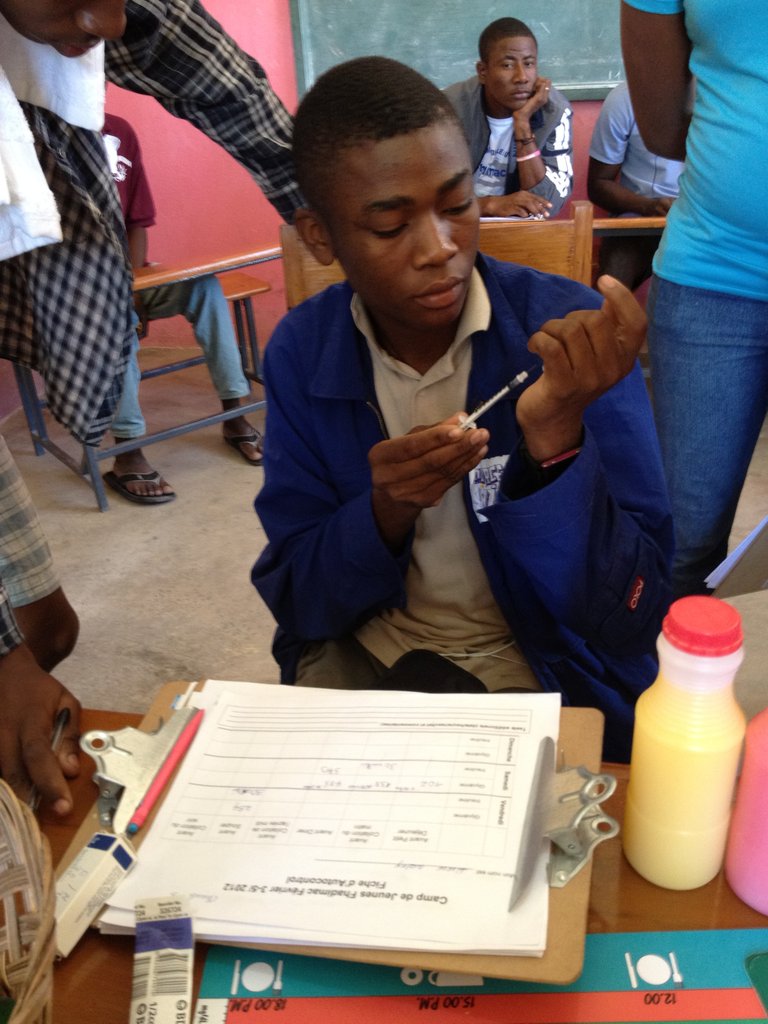
On Thursday 24th April, the AYUDA team supported the FHADIMAC staff in registering the campers at FHADIMAC, testing blood sugars and ensuring everyone had taken their insulin. A packed lunch was provided and once everyone’s paperwork was done, the AYUDA team jumped into a car to head to camp ahead of the FHADIMAC buses that were following behind.
‘Do you have diabetes?’ one of the campers from Cap Haitian asked AYUDA volunteer Chris who has been living with diabetes for 2 decades diagnosed as a small child, ‘how is that possible if you’re so big!?’. These sort of revelations were heard multiple times over the camp days, since this was the first time that many had had the opportunity to engage with other young people living with the same condition who weren’t from Haiti.
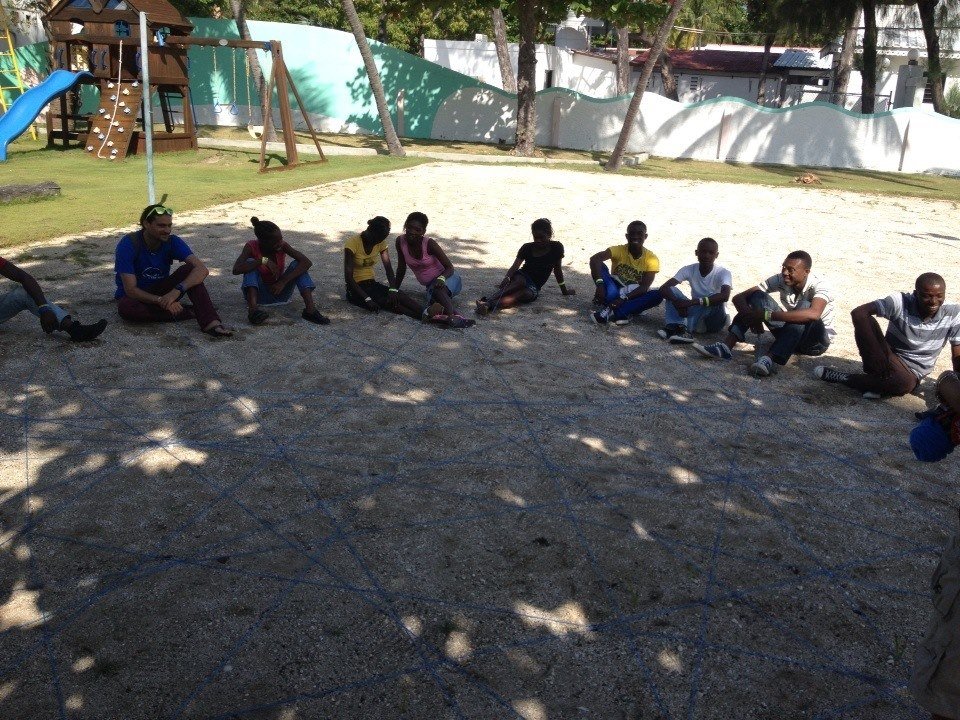
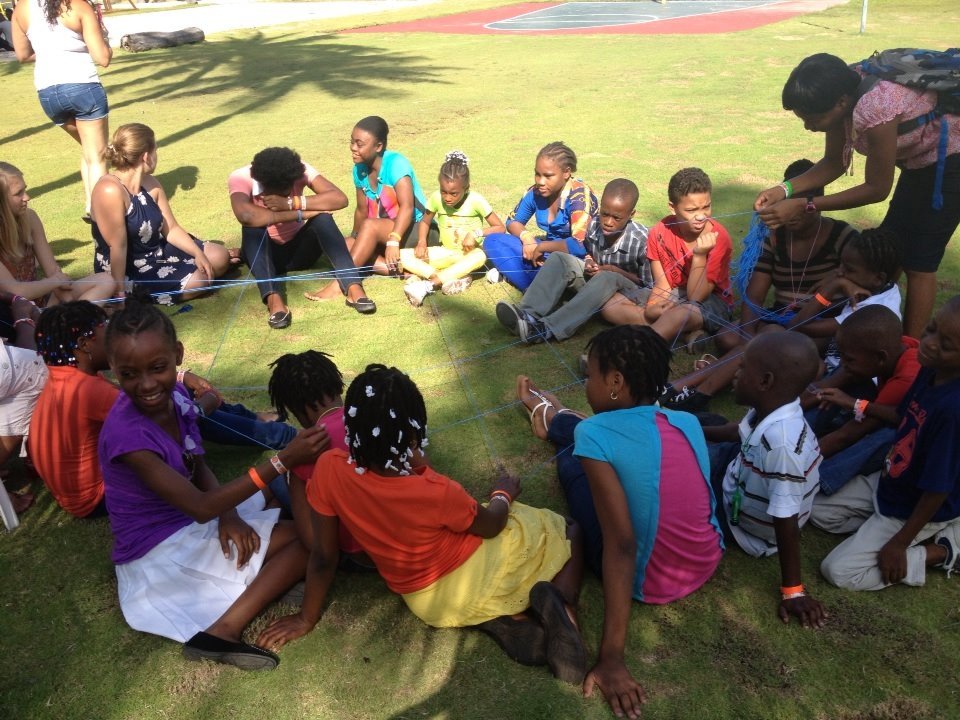
The camp was 3 days and nights during which the AYUDA team worked tirelessly from the 7am morning blood sugar checks to the 1am night rounds. The FHADIMAC young leaders quickly took on leadership in their new camp counselor roles. Meanwhile, the night activities revealed an intensely competitive Haitian spirit for musical chairs and a constant desire to dance whenever possible. New friendships were formed and many talents were shared in the final evening’s talent show.
As the camp wrapped up on the Sunday morning, an emphasis was made on the community aspect of the program and the feeling that everyone was connected, not just by diabetes but the shared experiences during the four days. As the groups departed back to their respective communities in Port au Prince, Cap Haitian and St Marc the organizers remained to evaluate and discuss opportunities to improve for our next activities.
Thank you for your continued support!
Project reports on GlobalGiving are posted directly to globalgiving.org by Project Leaders as they are completed, generally every 3-4 months. To protect the integrity of these documents, GlobalGiving does not alter them; therefore you may find some language or formatting issues.
If you donate to this project or have donated to this project, you can receive an email when this project posts a report. You can also subscribe for reports without donating.