By Abby Juhlmann | Educator
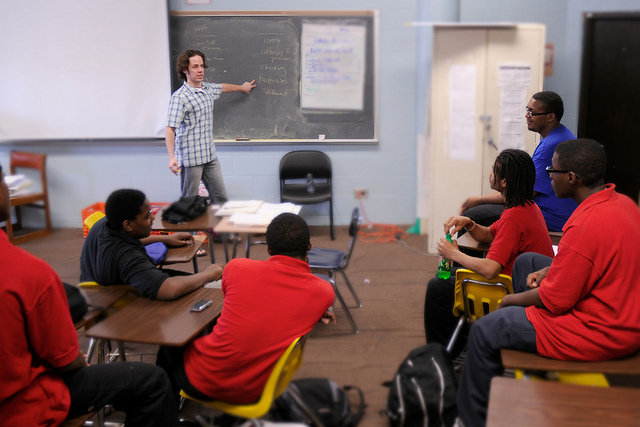
In January alone, our education team has worked within four schools and alongside hundreds of students. We’ve barely occupied the four walls of our office, but I’d venture to say we prefer it this way.
No two days in the classroom are the same. It is incredible to witness the rich contributions and high volumes of questions from our students when we talk with them about gender violence and sexual exploitation. These topics often feel enormous to tackle in 45-minute segments, especially because we directly challenge aspects of culture that are ubiquitous. The curriculum stretches our students and demands much critical thinking of them. Needless to say, class is not always easy! Yet, we know that the journey we invite our students to embark on in those four short weeks is transformative. We see evidence of this in students’ post-survey responses, written reflections throughout the week, and of course, in the ways they engage in discussion with their peers.
By no means can we take credit for the people they are when the curriculum has been completed and we are saying goodbye, nor can we lay claim to the adults they will become as they build upon the ideas we have sparked in them. Our students (and really, all students) are smart and curious, vocal and questioning, and more often than not empathic. Yet our lessons provide the critical space and structure for young people to learn about, debate, question, and challenge key societal norms that cause pain and perpetuate inequity. We are filling a gap in the education of these young people in a way that they not only benefit from but desire.
Last week, as one of my students slung her backpack on her shoulder and proceeded to leave our final session, she said to me, “Thank you for what you are doing. What you’re doing is important.” Her words brought me an immediate sense of joy and accomplishment as feedback of this kind always brings. Yet beyond a personal sense of gratification, I knew that her words were speaking to how relevant the curriculum is to her world. Our sessions touch upon what young people are experiencing, questioning, and feeling, facets of everyday life that they want to engage with but simply never had the opportunity to explore. Too, we pose an option for these young people to reject aspects of our culture that bring harm to themselves and others, and lay the foundation for this difficult work to begin.
I am proud of the work we do, and grateful for your continued support that makes these collaborations with students possible. On behalf of the team, thank you. We can’t wait to share more stories with you as the school year progresses.
Project reports on GlobalGiving are posted directly to globalgiving.org by Project Leaders as they are completed, generally every 3-4 months. To protect the integrity of these documents, GlobalGiving does not alter them; therefore you may find some language or formatting issues.
If you donate to this project or have donated to this project, you can receive an email when this project posts a report. You can also subscribe for reports without donating.