Provide Period Products across rural India

by The Desai Foundation
Play Video
Provide Period Products across rural India

Project Report | Apr 8, 2025
Empowering Women in India with Menstrual Health

By Aarushi Gupta | Intern- Special Projects

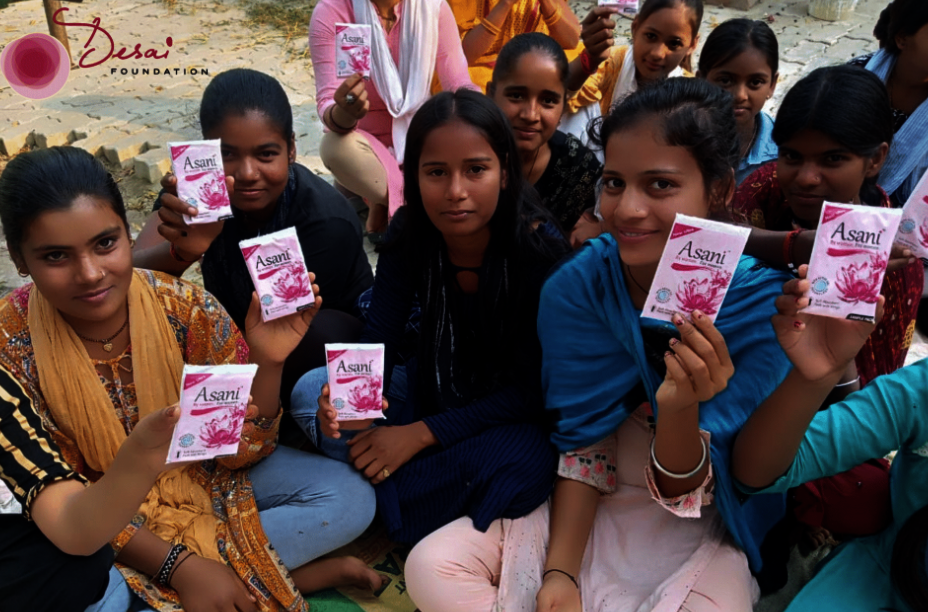
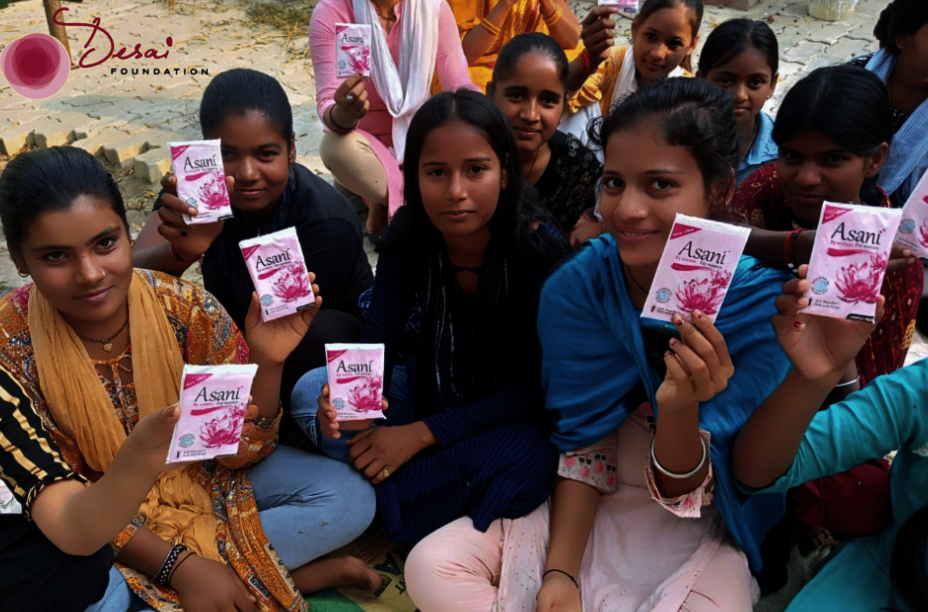
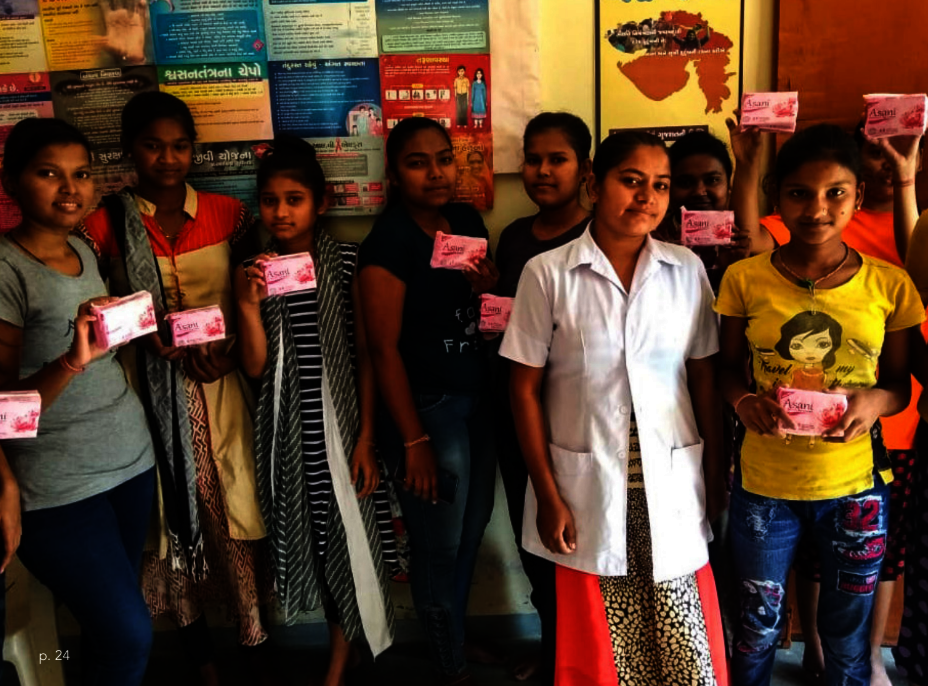
Girls holding Asani Sanitary Pads

In rural India, menstruation-related challenges significantly affect women’s and girl’s health, access to education, meaningful employment, and overall physical and mental well-being. Period poverty i.e. the lack of access to safe and hygienic period products, related facilities (such as clean water, soap, underwear etc.), and accurate menstrual health education is rampant in rural areas of India, with over 36% of women and girls not having access to safe and hygienic period products. In some states such as Uttar Pradesh, the prevalence of period poverty was as high as 71%. 

The Desai Foundation’s Menstrual Hygiene Management (MHM) program is working to address not just the lack of access to hygienic period products, but also dismantling of entrenched stigma and taboo around menstruation so as to ensure that a woman or girl’s period will never stop them from pursuing an education or meaningful employment - so that every rural woman and girl can #DreamBeyond her circumstances. 

Program Overview

At the heart of the initiative is the Asani Sanitary Napkin Program, which focuses on:

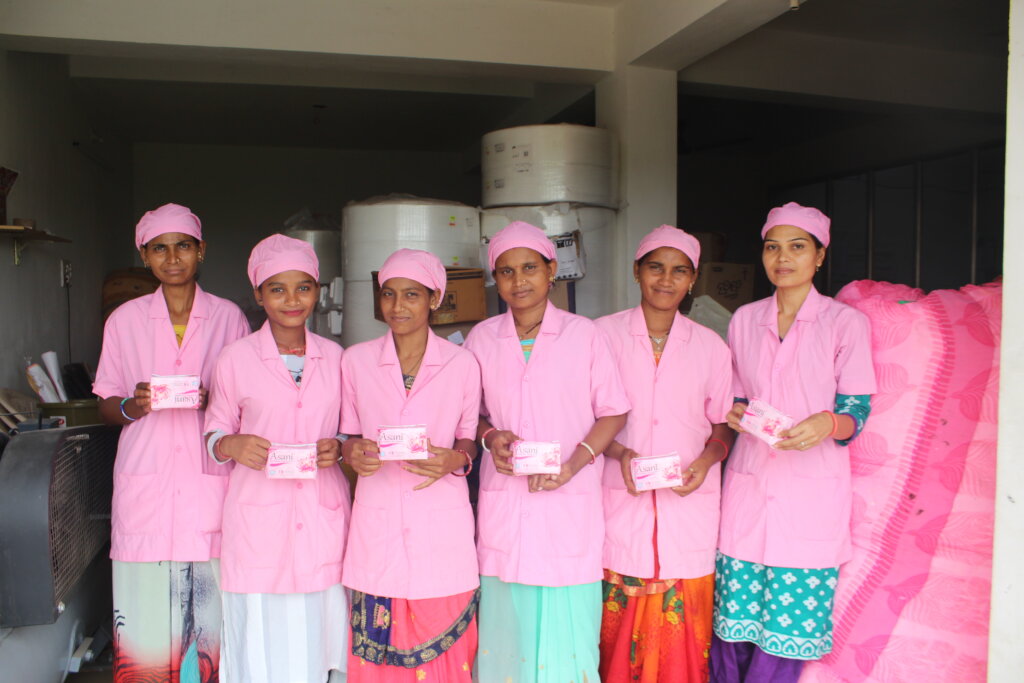
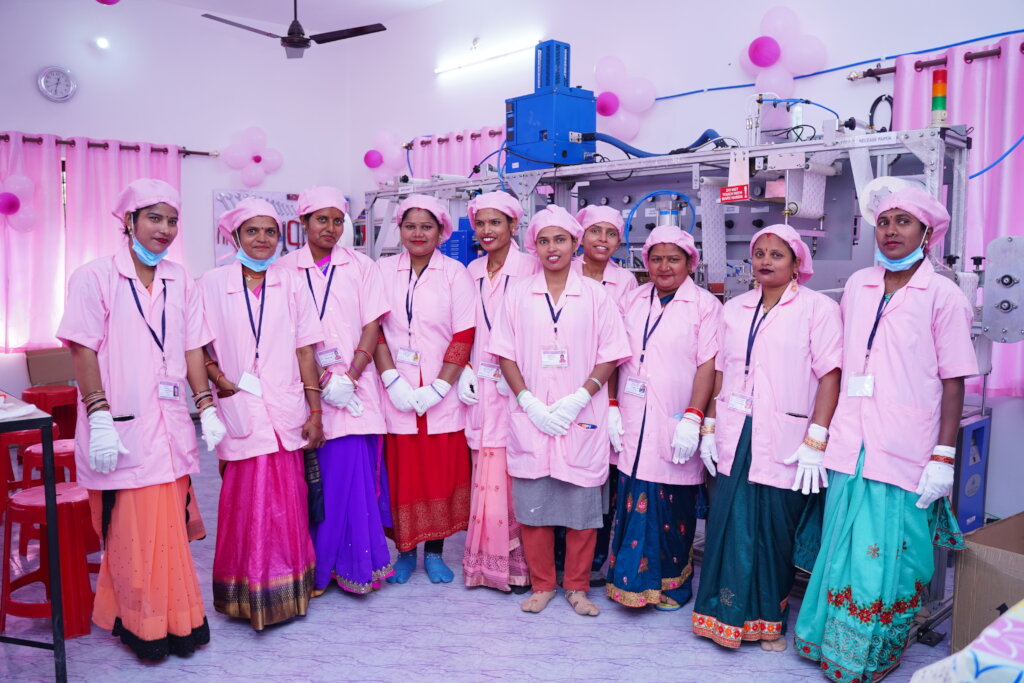
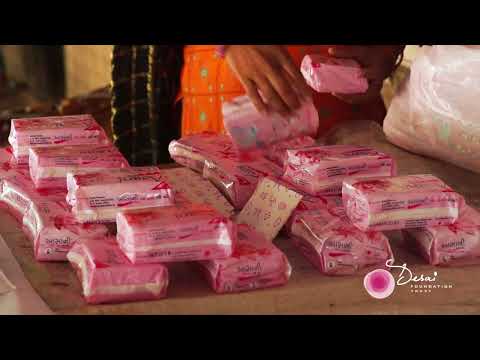
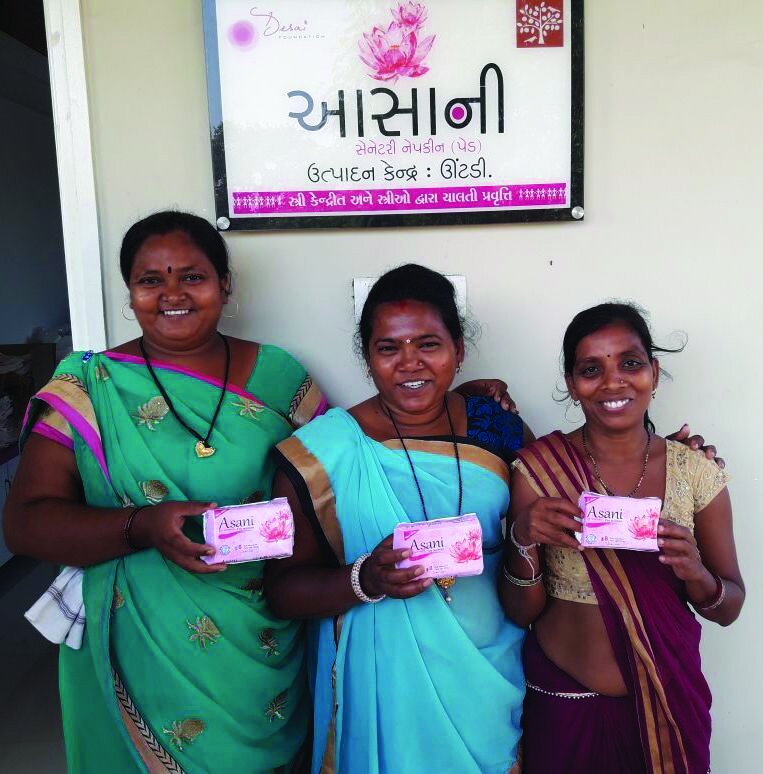
  1. Production of high quality, low-cost Biodegradable Sanitary Napkins: Locally made, eco-friendly pads ensure women and girls have access to a safe and hygienic period product, compared to commonly used alternatives such as unwashed cloth, dirt, and sand. 
  2. MHM Awareness and Educational Sessions: Menstrual health education sessions and workshops engage communities, including men and boys, to normalize conversations around menstruation, tackle misinformation and period stigma, and empower women and girls to make informed decisions about their body. 
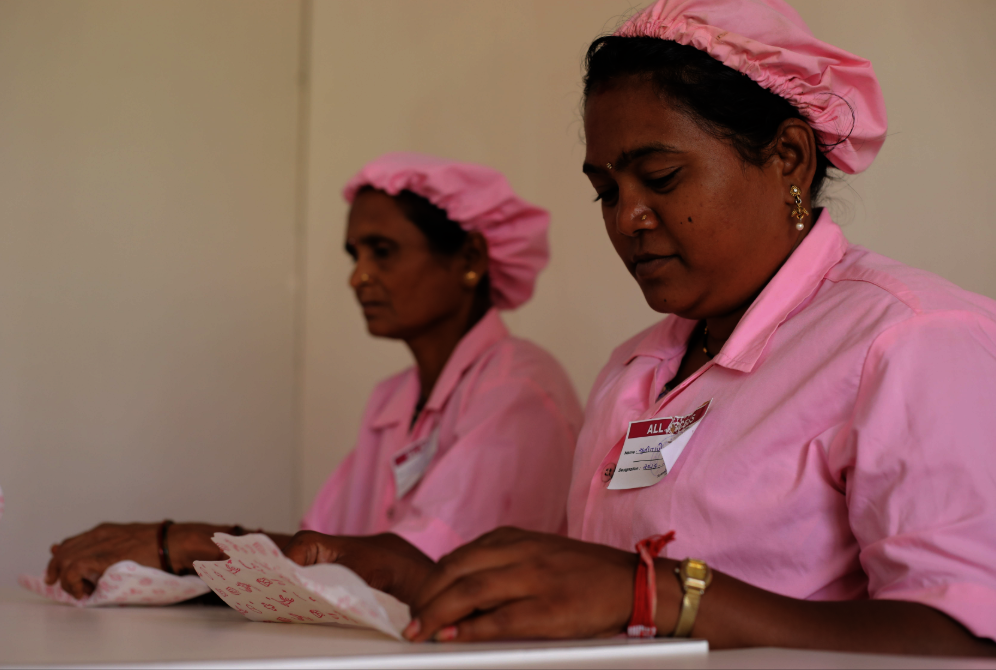
  3. Job Creation for Women: Women are trained as sanitary napkin manufacturers and distributors (called Sanginis), earning a livelihood while contributing to community health and breaking the cycle of stigma.


Program Impact

Beyond providing immediate support, the program delivers far-reaching, long-term benefits:

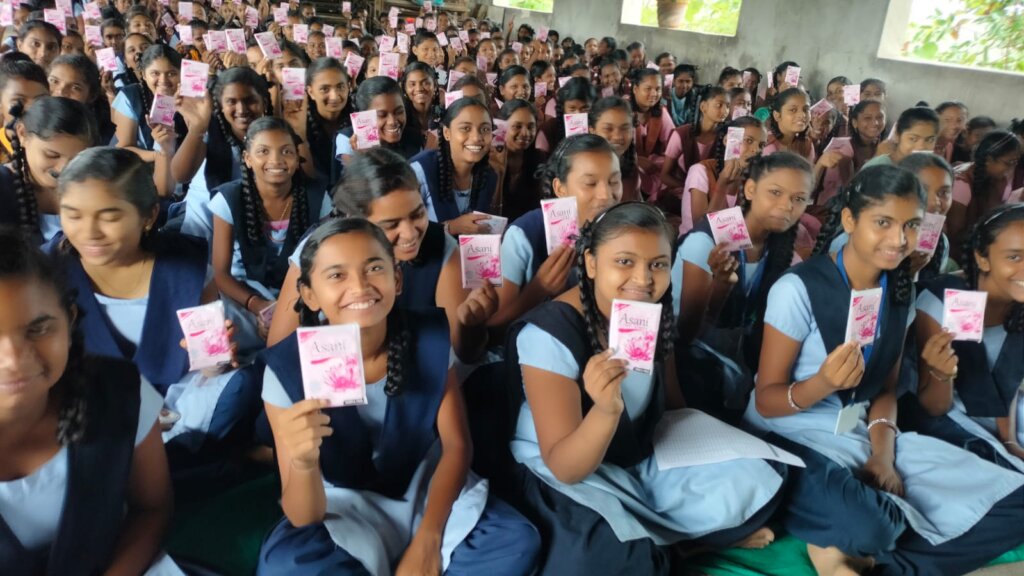
  • Keeping Girls in School: With access to safe and hygienic sanitary pads and better awareness, more girls are able to pursue an education without interruption, thereby countering rampant school absenteeism rates.
  • Healthier Families: Awareness campaigns encourage good hygiene practices that ripple out to benefit entire households.
  • Promoting Gender Equity: Engaging men and boys in these conversations creates more inclusive and supportive communities.
  • Economic Independence for Women: Women involved in production and distribution achieve financial stability and serve as role models for others.

Impact Numbers

  1. Production and Accessibility:
    • Over 9,00,000 sanitary napkins produced to meet the needs of rural women and girls.
    • 865,000+ pads distributed for free, ensuring that even the most vulnerable individuals have access to safe menstrual products.
    • 2.7 Million women and girls reached through MHM programming 
  2. Awareness and Education:
    • 31,004 individuals were educated through menstrual health awareness camps, including over 1,000 men. These efforts help break taboos, normalize menstruation, and create supportive environments for women.
    • 1438+ local schools now have regular MHM programming to educate a new generation on menstrual health and hygiene. 
    • 43,000 MHM seminars conducted. 
  3. Economic Impact:
    • 13,000+ women trained in sanitary napkin production, gaining valuable skills that enhance their confidence and help them gain financial independence. 

Conclusion

The Desai Foundation’s Menstrual Hygiene Management program is more than an initiative—it is a locally-led movement that is transforming lives of women and girls and shaping futures. By addressing both practical needs and societal barriers related to menstrual health, the program is empowering women and girls to live healthier lives and make informed decisions about their bodies. Uplifting women and girls creates a ripple effect - fostering stronger, more gender equitable communities.

Links:

Share on Twitter Share on Facebook

Dec 11, 2024
Empowering Women with Menstrual Health Management

By Harshita Kesarwani | Development Manager

Aug 13, 2024
Empowering Women with Menstrual Health Managment

By Cora Woloson | Development Coordinator

About Project Reports

Project reports on GlobalGiving are posted directly to globalgiving.org by Project Leaders as they are completed, generally every 3-4 months. To protect the integrity of these documents, GlobalGiving does not alter them; therefore you may find some language or formatting issues.

If you donate to this project or have donated to this project, you can receive an email when this project posts a report. You can also subscribe for reports without donating.


Sign up for updates

Organization Information

The Desai Foundation

Location: Woburn, MA - USA
Website:
Facebook: Facebook Page
X / Twitter: Profile
Project Leader:
Aarushi Gupta
Woburn , MA United States
$1,027 raised of $50,000 goal
 
22 donations
$48,973 to go
Donate Now

Help raise money!

Support this important cause by creating a personalized fundraising page.

Start a Fundraiser

Learn more about GlobalGiving

Teenage Science Students
Vetting +
Due Diligence

Snorkeler
Our
Impact

Woman Holding a Gift Card
Give
Gift Cards

Young Girl with a Bicycle
GlobalGiving
Guarantee

Get incredible stories, promotions, and matching offers in your inbox

WARNING: Javascript is currently disabled or is not available in your browser. GlobalGiving makes extensive use of Javascript and will not function properly with Javascript disabled. Please enable Javascript and refresh this page.