By C. Latifi | Resource Development Officer
UN officials have called DRC the epicenter of rape as a weapon of war, and former Secretary of State Hillary Clinton visited rape victims in eastern Congo in 2009 in an effort to draw more attention to one of Africa’s most disturbing conflicts.
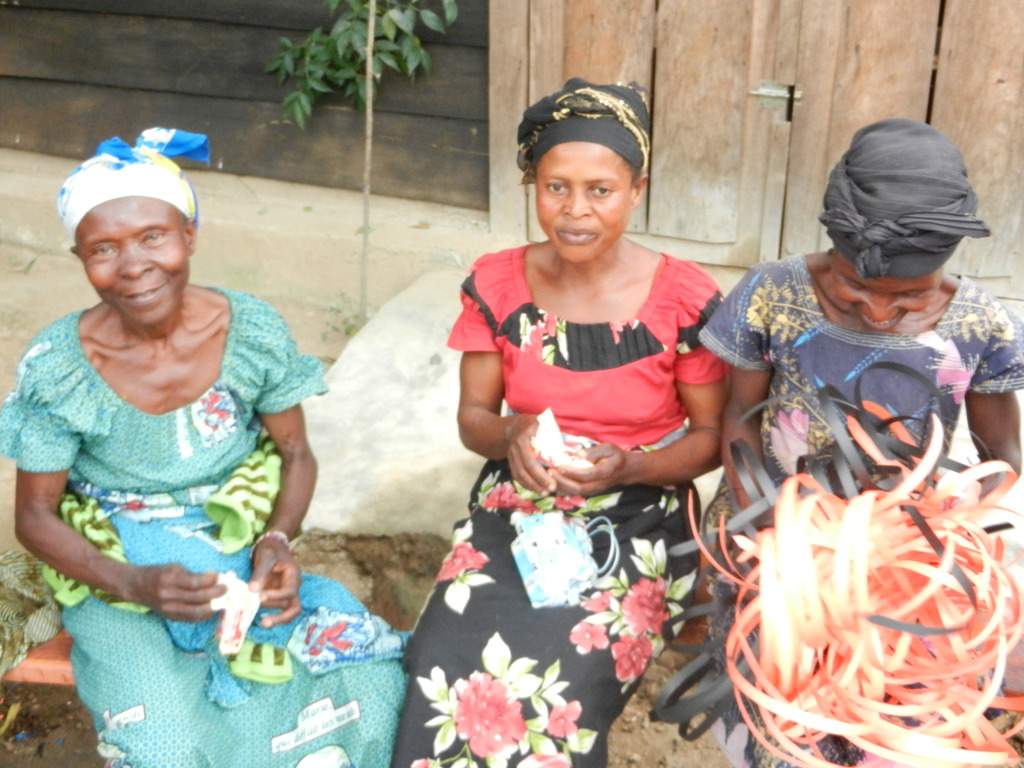
In the DRC, International Medical Corps takes a holistic approach to addressing violence against women, so that survivors have access to medical, psychosocial, legal, economic, and social resources needed to recover as well as work with communities to prevent and reduce violence against women. We offer case management and emotional support services for survivors of GBV. We also provide legal services, livelihoods training and economic opportunities to help survivors recover and become self-reliant.
Over the last 2 years in North and South Kivu, International Medical Corps has:
Justice for victims of violence is elusive in DRC. Perpetrators of violence walk free within days—if ever caught in the first place. What’s more, social stigma prevents women from seeking treatment or reporting attacks.
But, International Medical Corps is working to change attitudes towards women.
“Community leaders in Bukavu were called for training on women in leadership. When I heard, I was not interested in attending, but the M’ze (chief) sent me to represent him. For me, it was a women’s issue. Though I have daughters, I have never thought I have something to discuss with them. And these young women came (project facilitator) and talked about how girls can face problems outside of home, in schools, in the street and how they need our support as family heads, as parents. On the second day, we discussed the benefit of including girls at all level of decisions.
I felt impressed and touched by the message. I have four daughters whom I had never find necessary to discuss something different from my food to be served. From this training venue, I think I will start to start.‘’
-60-year-old man , Bukavu
International Medical Corps’ efforts in the Democratic Republic of Congo focus not only on women, but also on their families. The participant quoted above took part in a training session on the inclusion of women in decision-making for community and religious leaders. The workshop included both men and women, and discussed topics from the principles of community mobilization to the legal instruments that protect women and advocacy. These topics are key to educating communities about women’s rights.
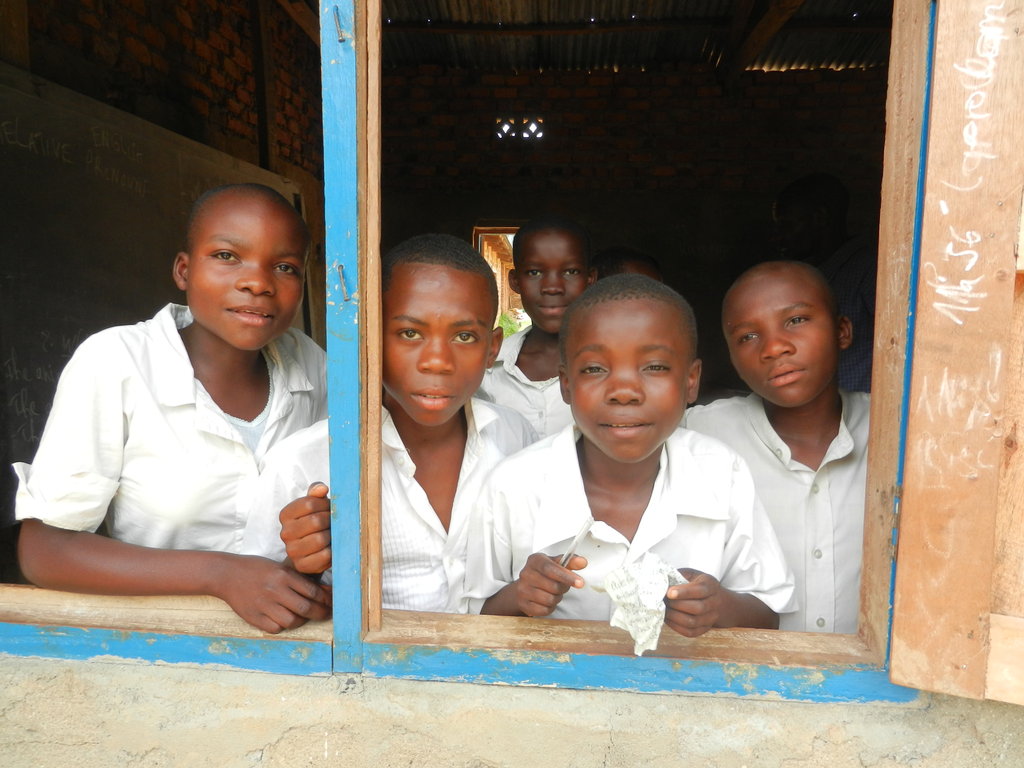
Workshops like the one described above bring together community leaders and empower them to create change within their own families. By educating community elders – and their sons, daughters, wives and husbands, International Medical Corps helps leaders set an example for the entire community, changing the way women and girls are treated.
Project reports on GlobalGiving are posted directly to globalgiving.org by Project Leaders as they are completed, generally every 3-4 months. To protect the integrity of these documents, GlobalGiving does not alter them; therefore you may find some language or formatting issues.
If you donate to this project or have donated to this project, you can receive an email when this project posts a report. You can also subscribe for reports without donating.