By Yuxin Xie | Project Leader
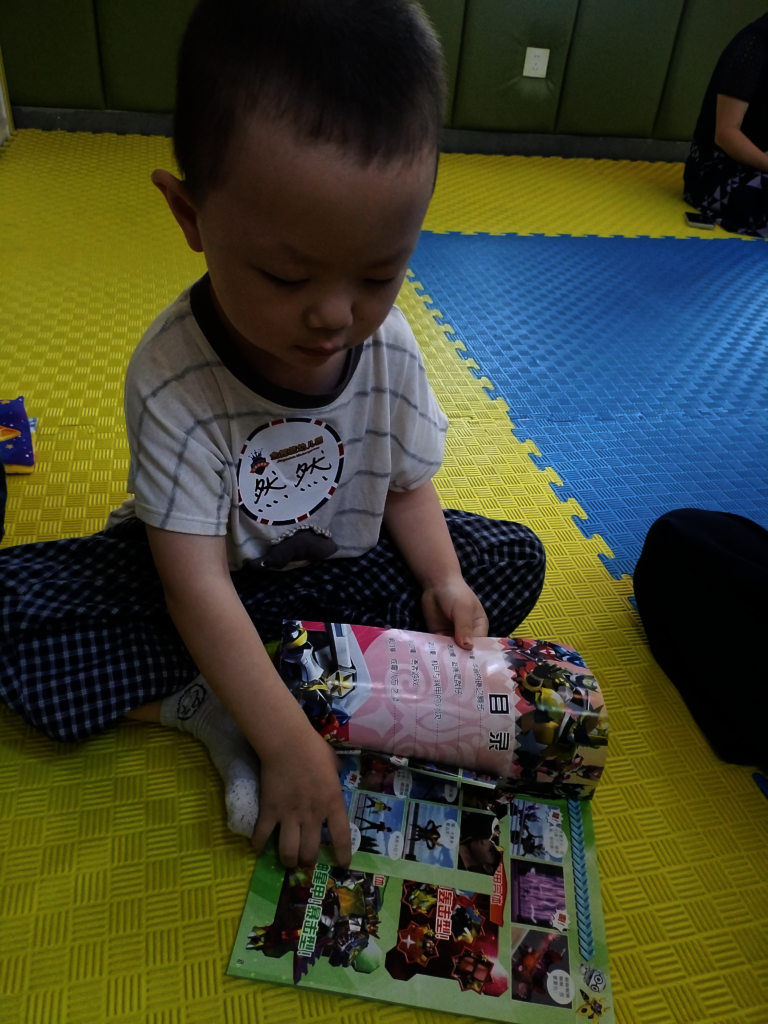
This quarter, we want to tell you about one child's morning. In July, at one of our "Growing Up in the City" Children's Homes, a three-and-a-half-year-old boy named Ranran had been coming for six months.
Ranran's Wednesday
Ranran has never spoken a word in our centre.
Doctors have flagged autism-spectrum tendencies. Every week, his great-grandmother — his daytime caregiver — brings him to our early childhood session. She loves him fiercely, but the silence is wearing her down. "He's growing taller every day," she told our social worker, "and people look at him like something is wrong. They look at our family differently."
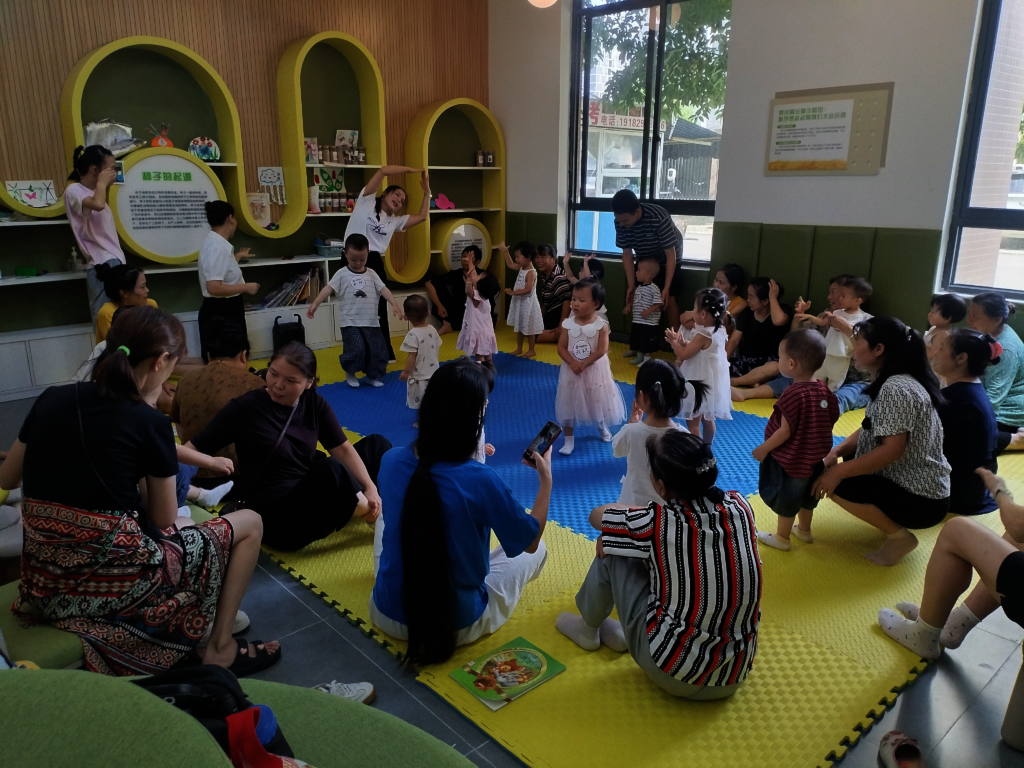
That morning, fifteen children filled the room. When the rhythm exercises began, Ranran didn't copy the teacher's movements — but he shuffled over to sit beside her, then in front of her, grinning, clapping, stomping his feet, keeping time to a rhythm only he could hear. His great-grandmother muttered: He's not even watching the teacher.
The social worker gently corrected her: He is watching. He's watching in his own way — through sound, through movement, through joy. He didn't disrupt anyone. He's fully present.
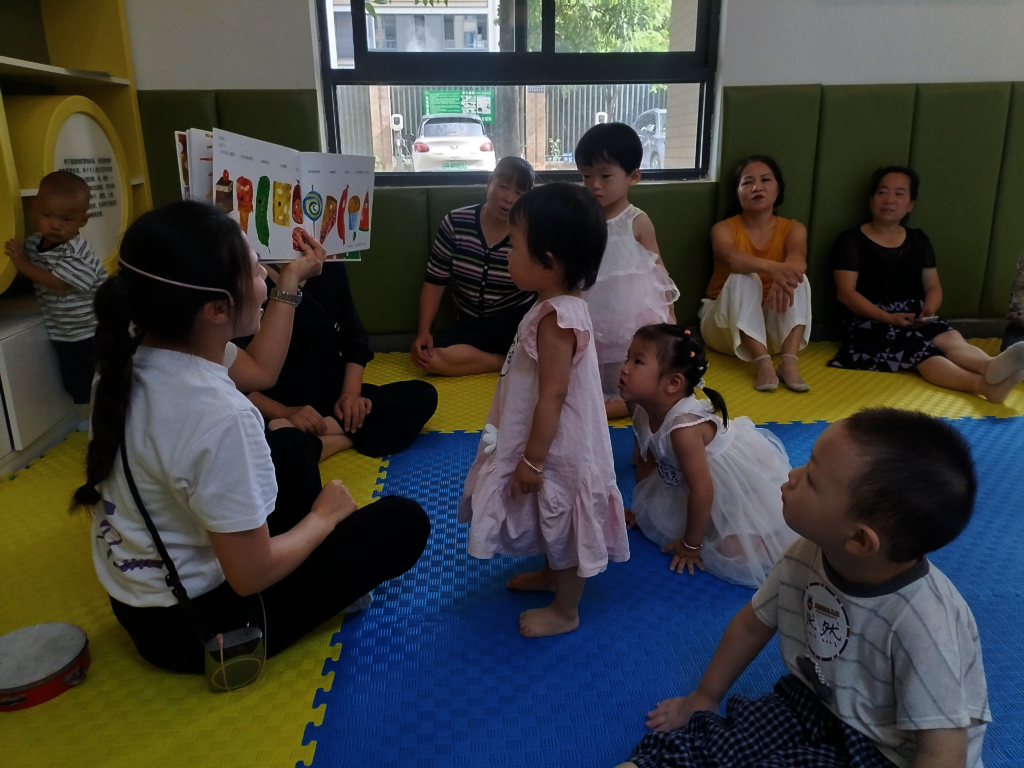
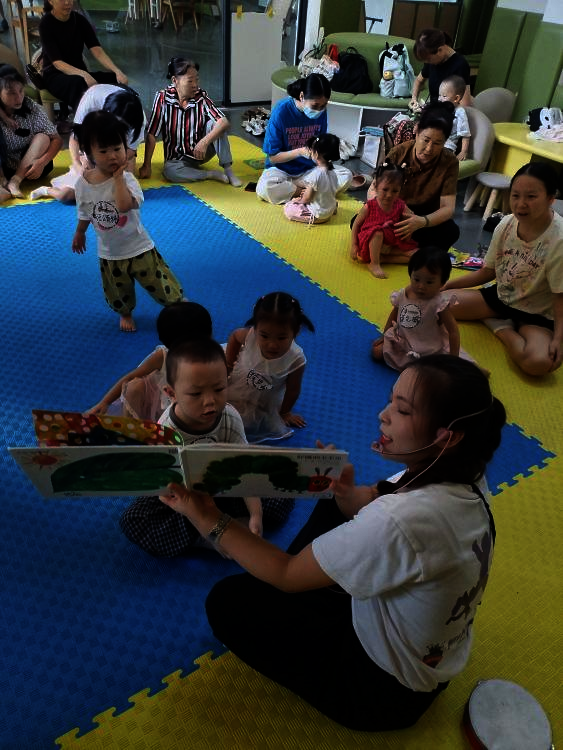
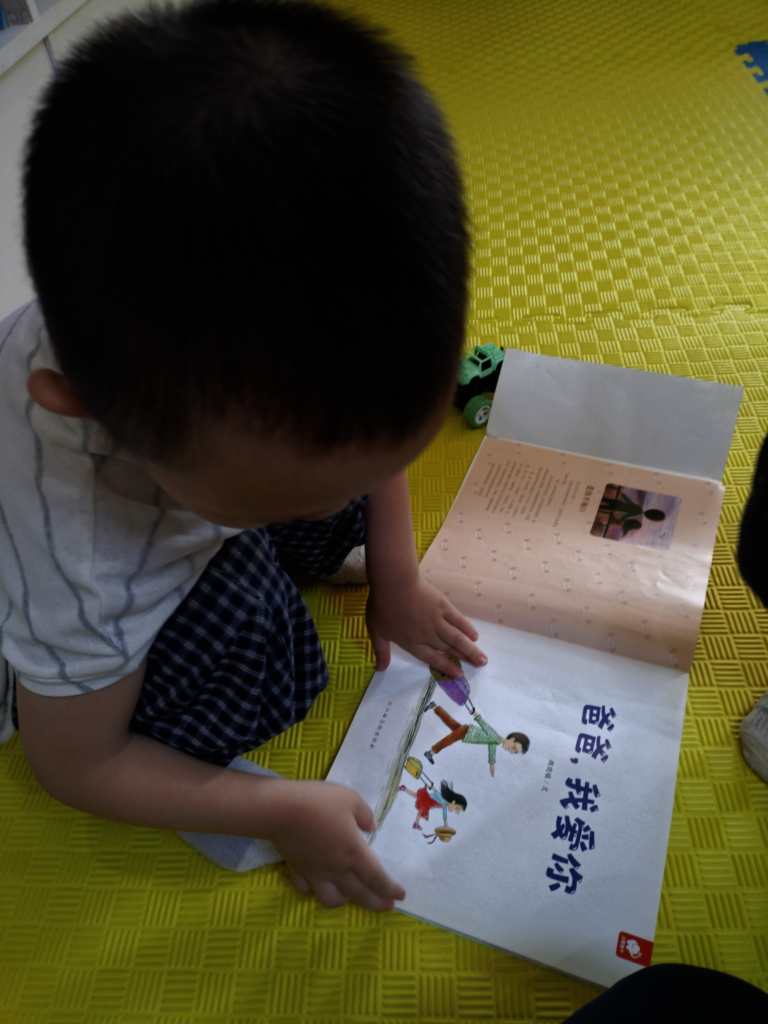
Story time was The Very Hungry Caterpillar. Only two of the fifteen children stayed from beginning to end, and Ranran was one of them. He stood, lay on the floor, reached for the pages — but never left the teacher's side. He pointed at the pictures and made sounds. That was him saying: Tell me more about this one.
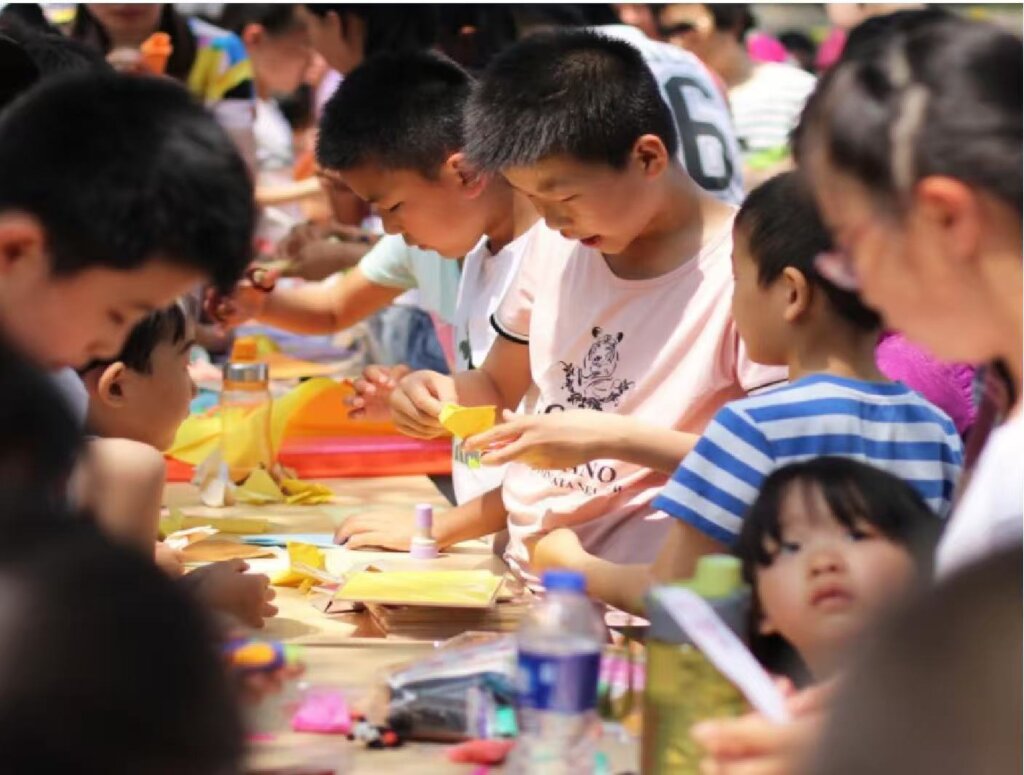
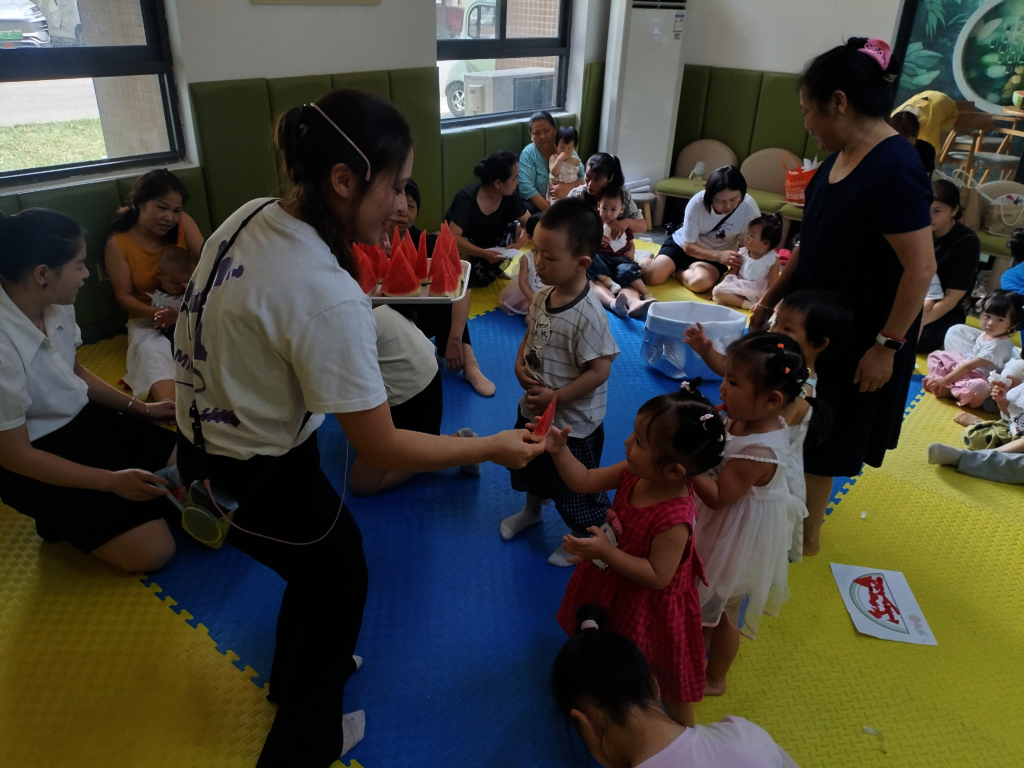
Later the teacher brought out a real watermelon, and Ranran walked over on his own. The craft activity that followed didn't hold him for long, but the social worker sat beside him and turned it into a story: "Let's rip this red paper and make our watermelon ripen. When it's ripe, we can eat the real one." Ranran joined in. He pressed paper onto the outline, peeled it back, examined it, pressed again. Not for long. But he was there.
At the end, he ate his slice of watermelon quietly. The social worker handed him a tissue and said, *Not clean yet, one more time. He took the tissue and wiped again.
What This Wednesday Means
Ranran's story is not a miracle. He didn't speak that day. He may not speak next quarter. But what happened that morning is what your donation makes possible: a trained social worker who sees a child's silence not as a deficit but as another language — and who helps the child's family see it that way too.
After the session, the social worker sat with Ranran's great-grandmother. She said: Your pressure transfers to him. He can feel whether you're happy with him or frustrated. That makes him pull away.The great-grandmother listened, then said something we keep coming back to: "He doesn't listen to us at home. But when you play with him — he listens to you."
This is the work. Not a curriculum delivered to a roomful of children, but a relationship built one child at a time — at the pace that child can bear.
A New Voice: Paper Puppets
This quarter, volunteers donated a full set of handmade paper puppets to our Children's Homes. For children like Ranran — children who don't speak, or who find words too heavy to carry — the puppets became an outlet: a way to be heard without talking.
In a shy child's hands, a paper puppet is a stand-in. The child speaks through the puppet, not asthemselves. The pressure of direct expression is gone. We've watched children who wouldn't raise their hands in circle time bring their puppet to the front and tell a whole story — in the puppet's voice, not their own.
For our team, the puppets have added something tangible and playful to our Social and Emotional Learning (SEL) toolkit. Children manipulate them, build scenes with them, project feelings onto them — and in doing so, practice recognising and naming emotions they couldn't otherwise put into words. The puppets also draw children toward one another: two children who rarely interact will stage a puppet conversation, and before they know it, they've become friends.
We see this most clearly with children on the autism spectrum, or those carrying the weight of family disruption and frequent relocation. The puppet gives them a safe distance — close enough to express, far enough to feel protected. Ranran communicates through gesture, gaze, and sound. We're exploring whether a puppet might become another bridge for him — another way to show us what he means.
The Bigger Picture
Ranran's Wednesday is one morning in one Children's Home. Behind it, your donations keep an entire system running.
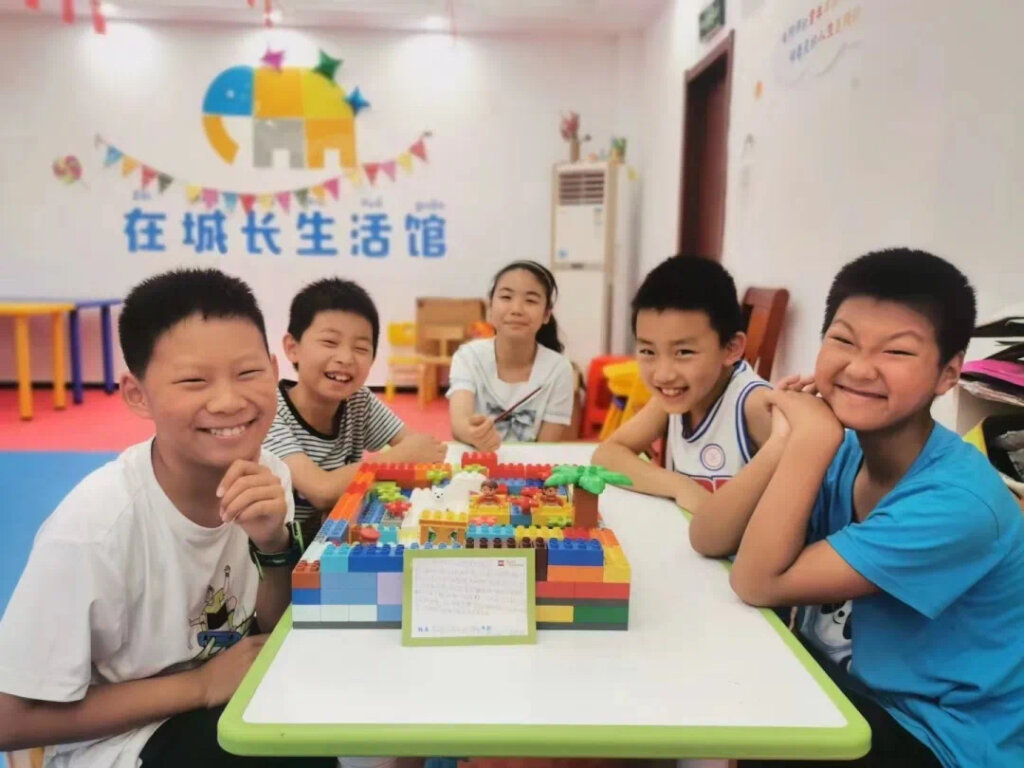
Across our national network, "Growing Up in the City" Children's Homes continue to operate on the model of government support + professional social work + volunteer empowerment. The three homes opened last quarter in Henan, Beijing Fangshan, and Guangxi have moved from launch into regular service. Our national directors' meeting gathers monthly for peer learning, toolkit calibration, and quality review — making sure that what happened in Ranran's room can happen, and keep improving, in every home.
Social and Emotional Learning remains our core approach. But this quarter reminded us again: SEL is not a lesson plan. It is a social worker sitting on the floor beside a child who won't speak, turning a watermelon craft into a small story, and telling his great-grandmother: accept him as he is, don't compare, keep loving him — and let us help.
With Gratitude
Your donation is why a social worker can sit with one child for forty-five minutes instead of rushing to the next activity. It became those paper puppets. It became the lighter step of a great-grandmother walking out of our centre — not because her grandson spoke, but because someone told her: he is communicating, he is learning, and he is enough.
Project reports on GlobalGiving are posted directly to globalgiving.org by Project Leaders as they are completed, generally every 3-4 months. To protect the integrity of these documents, GlobalGiving does not alter them; therefore you may find some language or formatting issues.
If you donate to this project or have donated to this project, you can receive an email when this project posts a report. You can also subscribe for reports without donating.



Support this important cause by creating a personalized fundraising page.
Start a Fundraiser