By Timothy Bouldry | Fundraising Coordinator and Program Director
Em[POWER] Energy Group Bangladesh
Travel Report 11.02.14
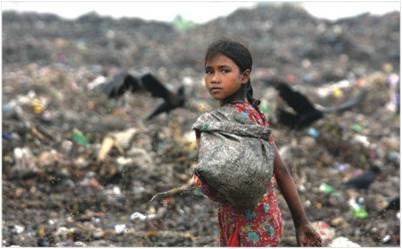
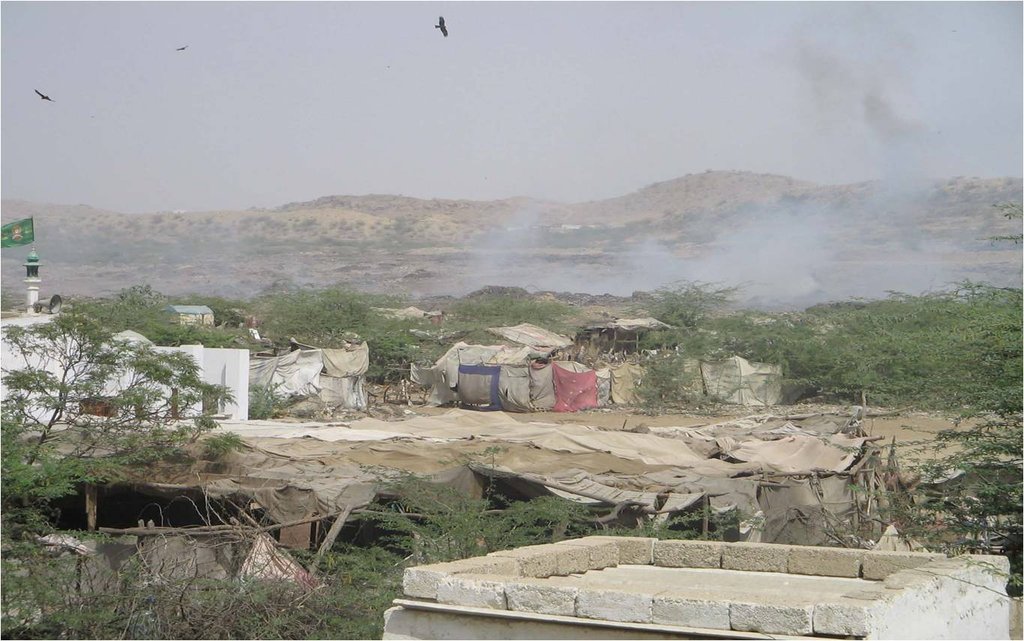
Em[POWER] Energy Group’s site in Bangladesh is located on the outskirts of Matuail Landfill in Dhaka. It is the largest landfill in this country and measures to be 100 acres. I sat down with Director, Maksud A.K.M. and, Project Manager, Reza Khan from the Grambangla Unnayan Committee who run em[POWER] Energy Group’s project at this site. Maksud also has projects including the Grambangla Nursery and the Grambangla School for the children of informal recyclers, a campaign to provide informal recyclers with better tools and knowledge about safety and health, an environmental section run by informal recyclers and a woman’s waste picking co-op.
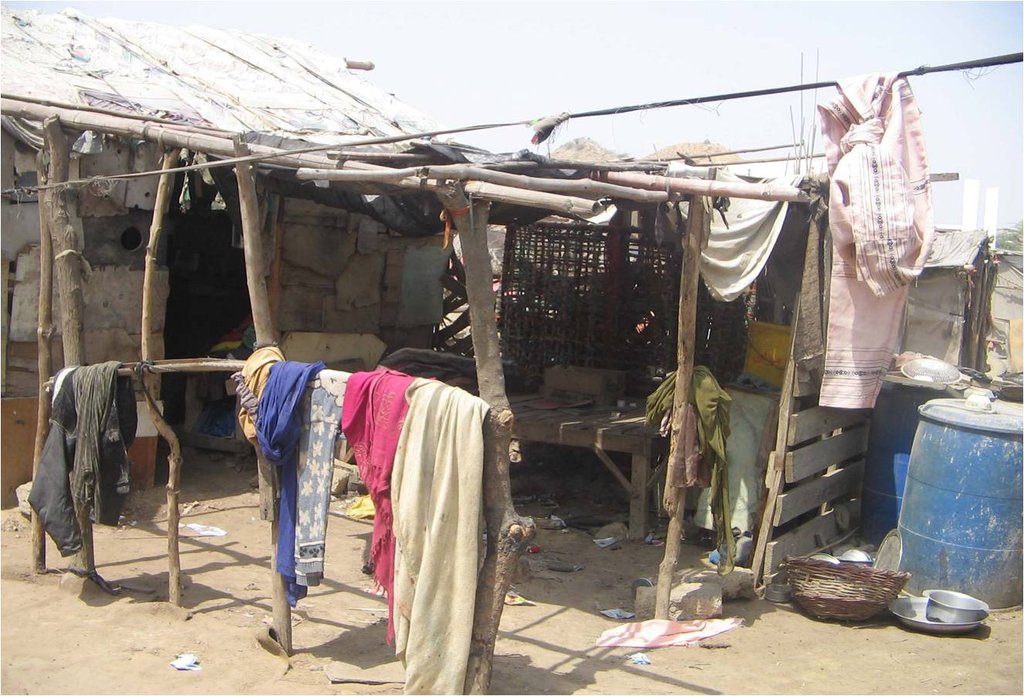
There are 2000 informal recyclers at Matuail Landfill and 75% of them are women. There are always 400-500 informal recyclers in the landfill. This means that a informal recycler will work a 12 hour shift while a family member rests, and then the ‘rester’ replaces the worker, and the cycle continues, so most families have someone working in the landfill at all times. There are times when people need a few days off to rest because the working conditions are very harsh. One waste picker can make 150-200 taka ($1.89-$2.52) in one day alone. If the family has a shanty next to the landfill, then they are required to pay 50 Taka a day for rent to keep their space.
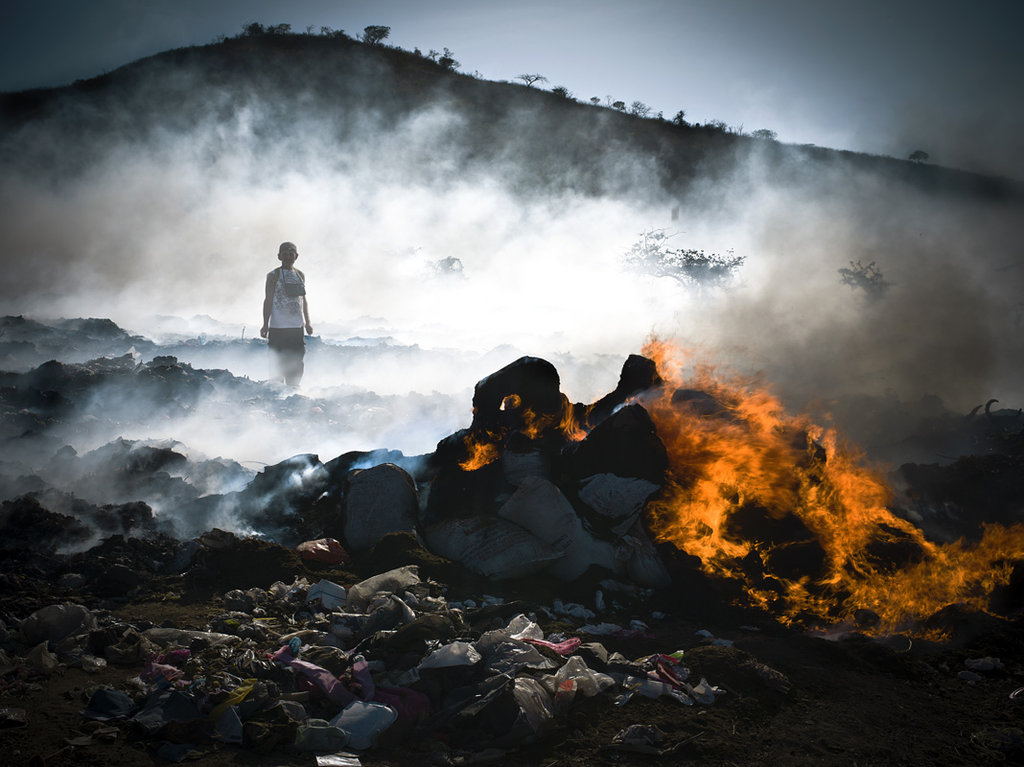
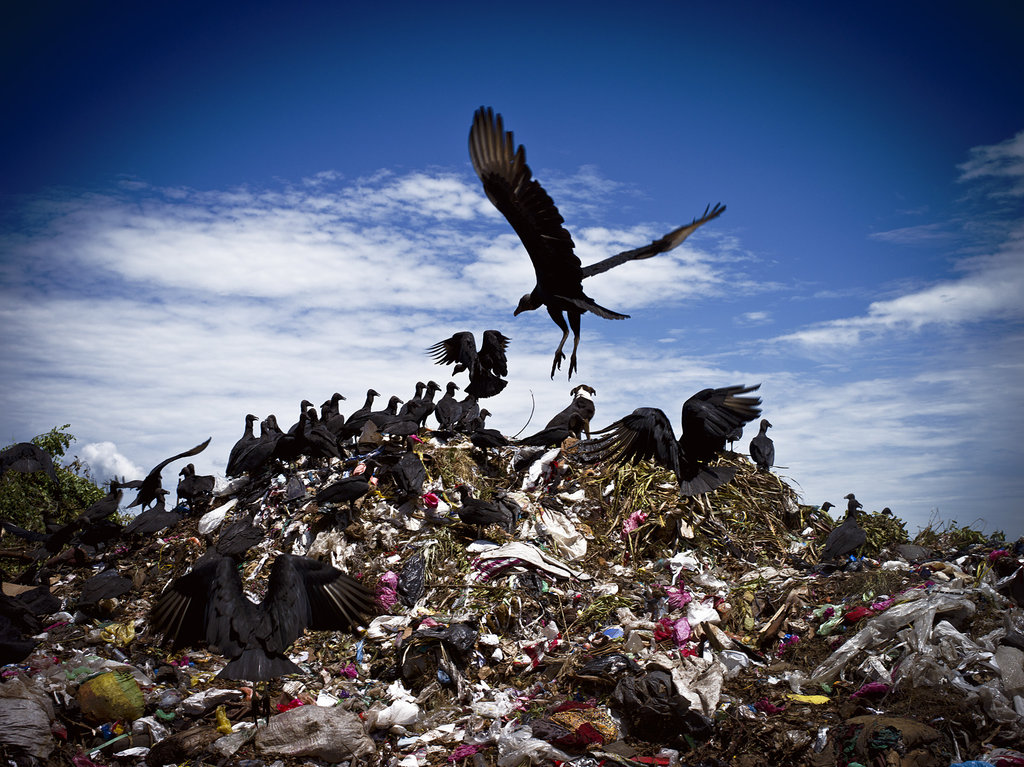
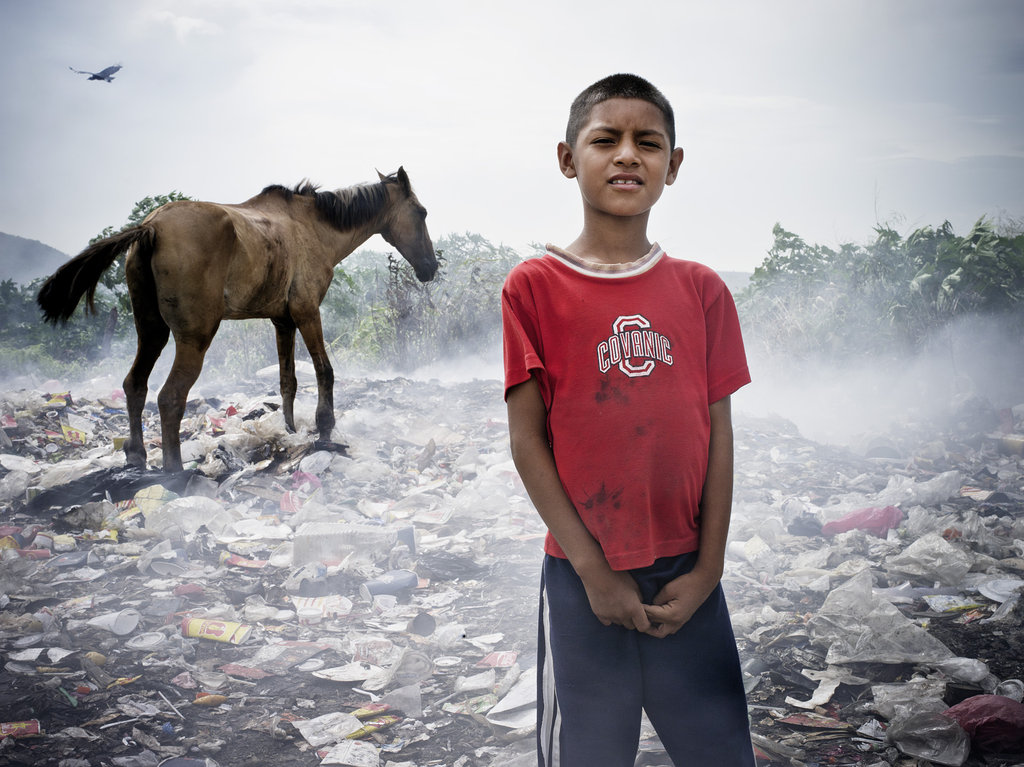
When I first looked into the landfill, it was hard to imagine what could possibly be valuable enough there for thousands of people to become so reliant on it. A closer look at the piles they extract from the trash, revealed pieces of plastic, bones, and rubber soles. It’s not much but it proves how resourceful these people have become to survive. What comes into this landfill appears to be mere scraps because there are about 2000 small depositories throughout the city and trash is collected in different regions and dumped into these large sized dumpsters. Often, people have already picked the more valuable items out of these containers before they are brought to the landfill. This makes a majority of the Matuail Landfill organic waste. I remember the landfill was very mushy and the methane was so strong that it stung my eyes.
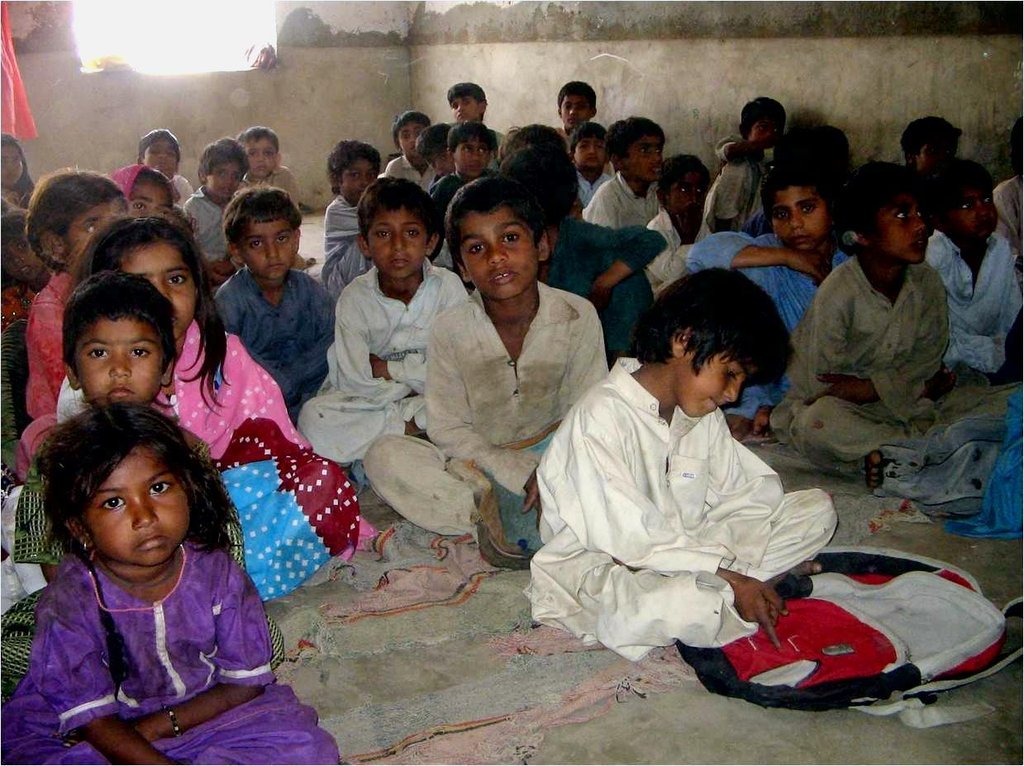
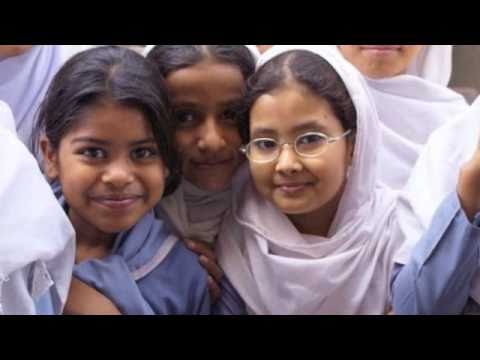
The Grambangla Nursery has 2 staff members caring for 30 children ages 2-5. There are about 100 more children in need of care but the budget can only provide for those 30. At the Grambangla School there are 3 teachers and 80-110 students ages 6-12 years in grades 1-3. This number changes due to graduates, the number coming in, and dropouts. Sometimes children realize they are able to sell trash for candy and this has been a cause of diversion away from the school. When students graduate there is an intervention to encourage them to find life beyond the landfill and it’s perimeters. The woman’s co-op exists because it is known that these woman are going to be working out of the landfill anyway. The co-op provides more organization and tools to contribute to health and safety. They are also fed, as are their children in either the daycare or school. Em[POWER] Energy Group partly funds and oversees these projects, and they support the environmental sector that is still in development.
Currently, composting of organic waste is used to pot plants. The plants are sold at a market to help support the project. This part of the Environmental sector seems to be successful.
There is a blue composting barrel but it is still a work in progress. It is not producing the rich compost that it was expected to do because of the air to soil ratio. This project has been put aside for the moment and composting is better held in the direct ground.
A wastewater into Biogas tank was installed but that project is on hold until it can be taught how to use it in order to create propane. Money was used to set it up but there was no training on how to use it.
For the recycling center, the old center was built and then abandoned due to an increase in rent. Now a new recycling area is being created closer to the rest of the other environmental projects. This area is still being made and there are no signs of sorting occurring here yet.
Em[POWER] Energy Group works in 3 phases.
1. Creating partnerships.
2. Assessing the needs of the local people and how they can be helped with Environmental, Educational and Healthcare Programs.
3. Conducting Environmental projects to make the local people become self-sustaining.
Em[POWER] Bangladesh is in Phase 3 with building and executing plans. However, during this phase, projects are still working to become successful. A site audit and report is necessary to understand the projects direction.
The Environmental part of this project has been set up, but is currently either lacking or stagnate. Further attention is needed in this department in order for Phase 3 to sustain itself. Funding was used to create this initial module, but in order for it to continue there would need to be more funding and direction for the areas that are not working.
As a whole, Phase 1 and 2 are holding together. Phase 3 has a baseline, but it's foundation appears to be in a more elementary state. Where this project is taken next from this stage is what needs to be determined next.
Project reports on GlobalGiving are posted directly to globalgiving.org by Project Leaders as they are completed, generally every 3-4 months. To protect the integrity of these documents, GlobalGiving does not alter them; therefore you may find some language or formatting issues.
If you donate to this project or have donated to this project, you can receive an email when this project posts a report. You can also subscribe for reports without donating.