By Cath Ritchie | Communications Lead
Celebrating Marvelous Mangroves
Mangroves are magnificent and, in the face of climate change, restoring these coastal guardians to the lush, thriving forests they once were has never been more important. And to mark the International Day for the Conservation of the Mangrove Ecosystem last week, we thought you'd enjoy a spotlight on how mangrove conservation is gathering momentum in our movement, with communities restoring mangroves in The Philippines and in Kenya. While the landscapes may be different, the path to recovery is the same: it is strongest when ecological knowledge and community leadership grow together.
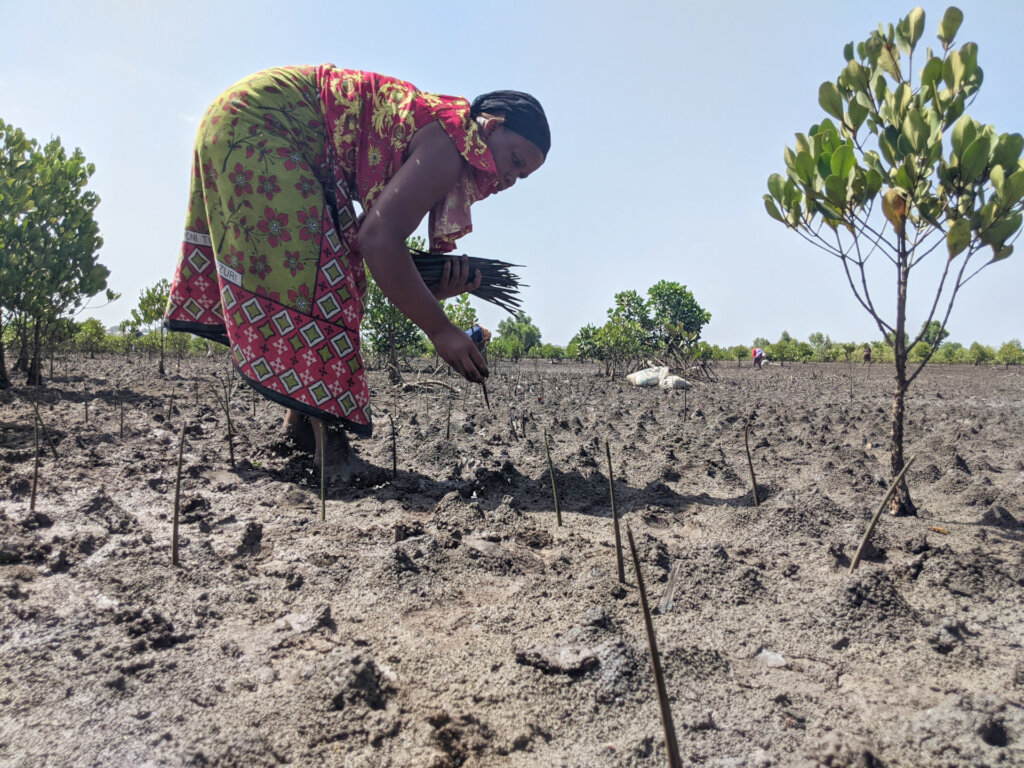
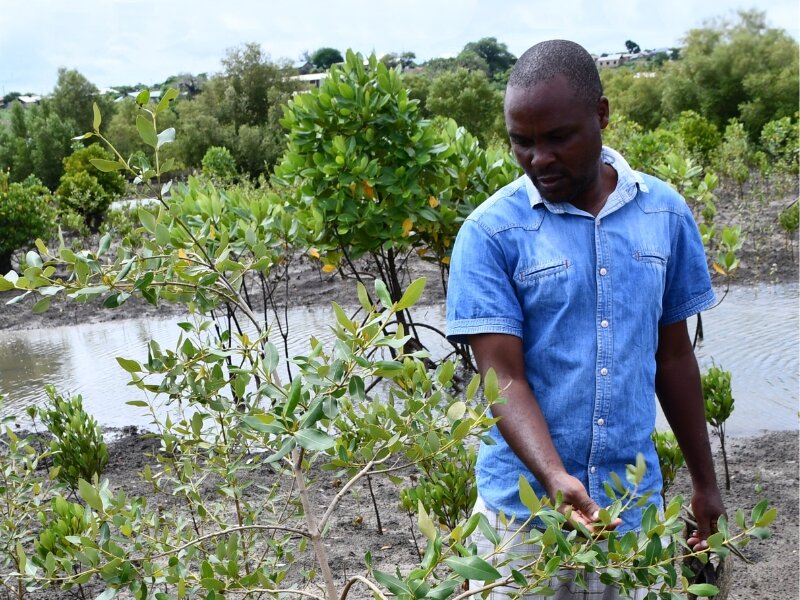
ERC Mombasa Mangrove Forest in Kenya brings that principle to life. Tudor Creek is a highly pressured peri-urban ecosystem. Here, local entrepreneur and biodiversity advocate Mbaraak Abdalla and a broad community of volunteers, businesses, schoolchildren and elders are helping bring a damaged mangrove landscape back into function. Millions of planted saplings are creating habitat for fiddler crabs, water salamanders, giant golden orb-weaver spiders and birds. Fishers returned to the creek in early 2023: an early, tangible indication that ecological recovery can also restore livelihoods.
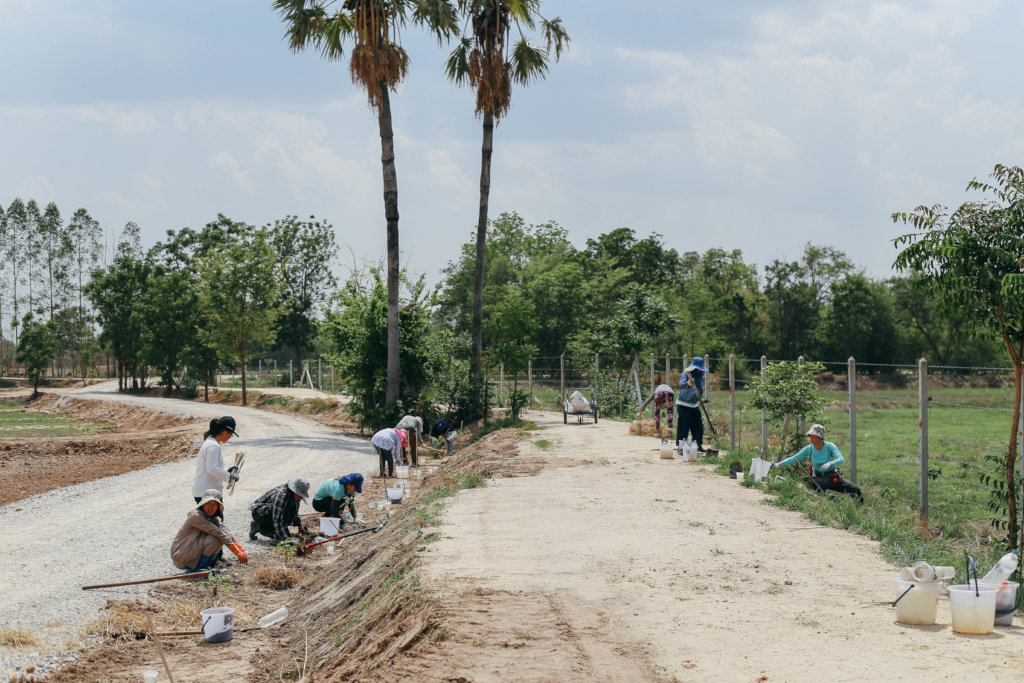
In the Philippines, passionate regenerative systems designer Yani Amores Dutta and the team at ERC The Regenesis Project are addressing mangrove restoration in Inabanga, Bohol Island. Over the next five years, their goal is to plant approximately 90,000 mangrove saplings across 35 hectares of coastal land. Recognising that community involvement is key to the project's success, they are training and compensating local planters (including women's groups and fisherfolk) to keep income circulating locally. They are also creating value through small livelihood pilots such as crab fattening, honey production, eco-tourism (kayak tours and mangrove walks), and women-led eco-products. This approach is guided by a circular principle: restoration fuels livelihoods, and livelihoods fund continued restoration.
These two initiatives offer more than another uplifting planting story, they demonstrate that mangroves have remarkable regenerative power, and our task is to give them the conditions to use it.
Let's welcome the newest champions of our growing restoration movement
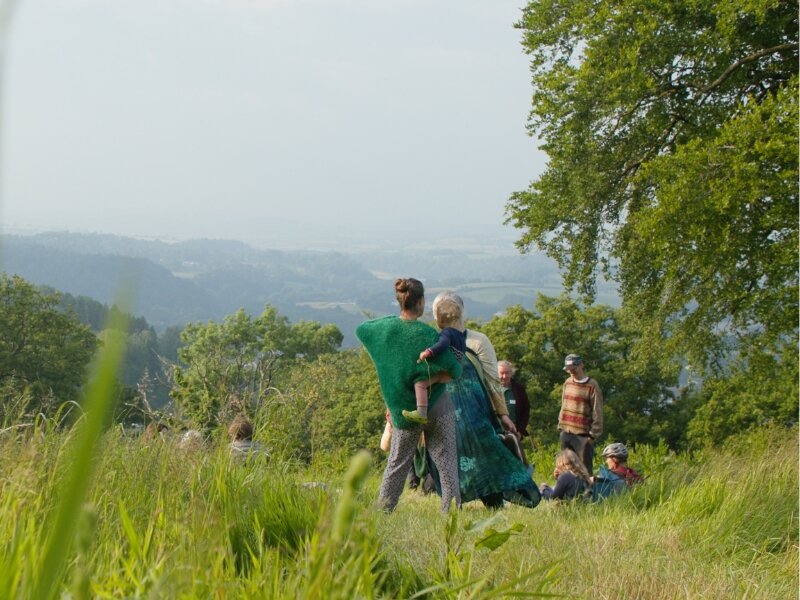
Located in Devon, UK, Bowden Pillars Future is creating a nature reserve, low-carbon village and permaculture farm, restoring 30 ha of land, growing food and community, and responding to climate, housing and biodiversity challenges. It’s still early days, but their stewardship is already helping a rich diversity of insects, mammals and birds return and thrive.
Estampa Verde is restoring two ecologically diverse watersheds in Mexico's Sonora and Veracruz states through community-led regenerative agroforestry, silvopasture, water retention and native forests. Their overarching vision is simple yet powerful: Living watersheds, thriving communities, and restored ecosystems where hope grows back with the forest.
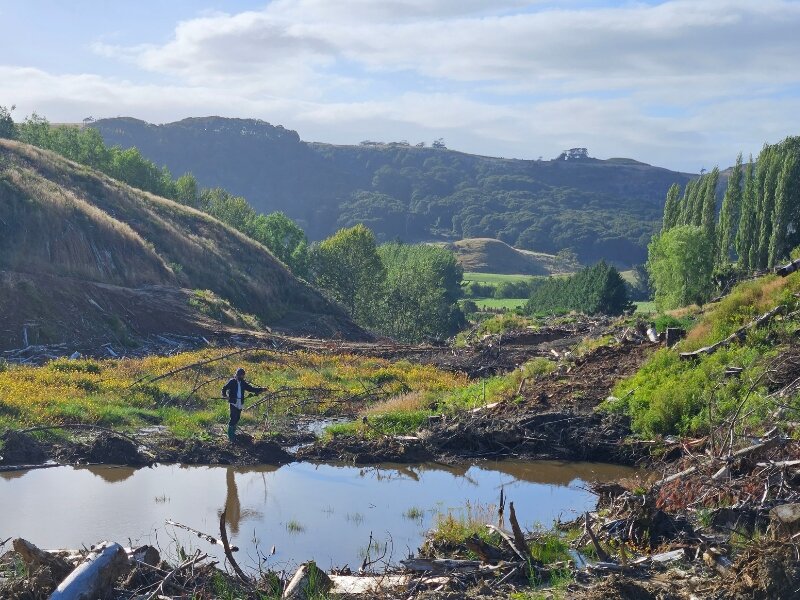
Lin Haven is a former degraded former sheep farm and monoculture forest in New Zealand, now being lovingly stewarded by Passionate Permies through native bush regeneration, fencing, low livestock numbers, tree planting and predator control. The natural forest is already showing signs of returning!
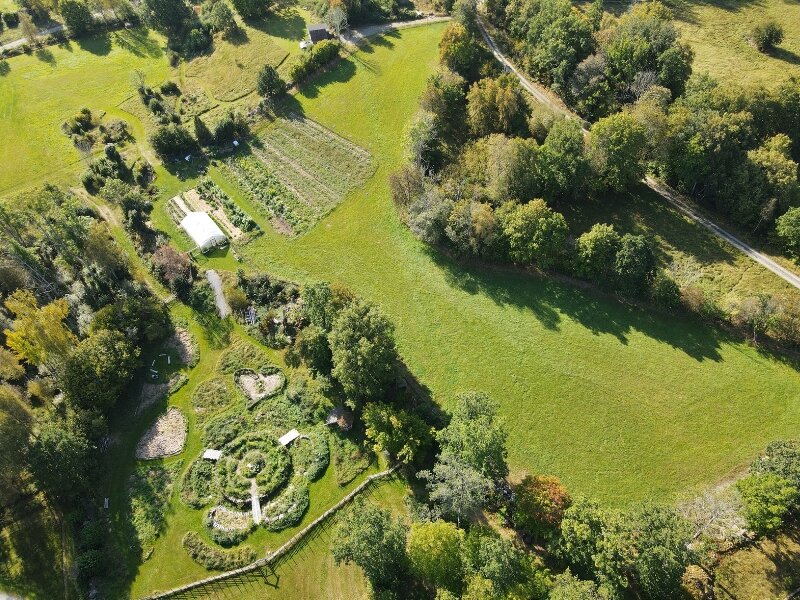
Mundekulla is a regenerative hub in Sweden, where 75 hectares of land are being transformed through biodiversity restoration and sustainable forestry, empowering individuals and organizations to learn, grow, and thrive by fostering ecological resilience and intentional living.
From Coffee Plantations to Living Fences: The Path of Regeneration in Costa Rica
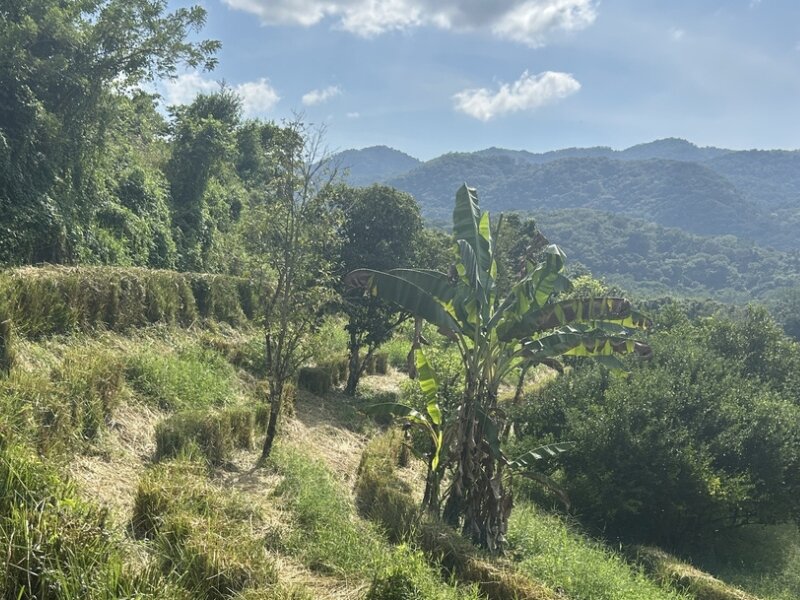
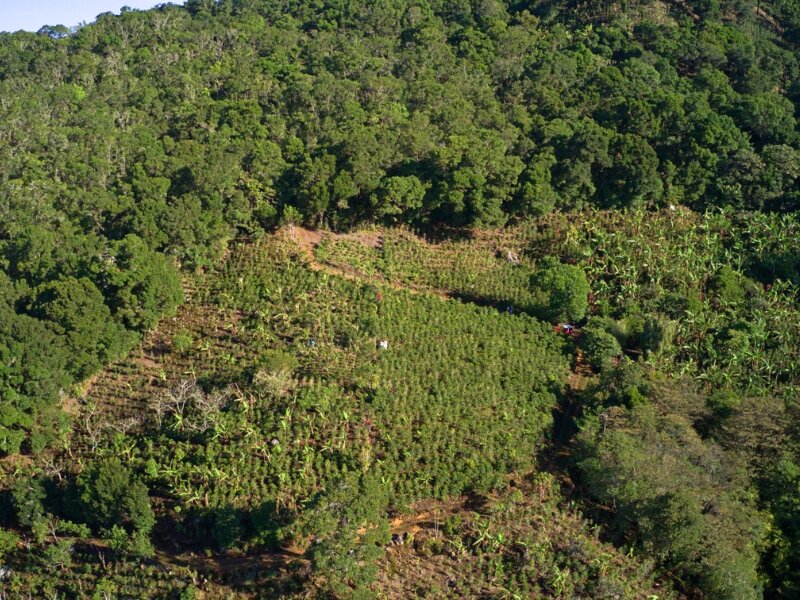
The Zona de los Santos Natural Monument lies within one of Costa Rica’s most iconic coffee-growing regions: León Cortés Castro in San José Province. Rich in biodiversity, its underground aquifers supply water to more than 30,000 people.
However, decades of intensive coffee farming have degraded the land and threatened water security. Some plantations lose more than 20 tons of soil per hectare annually, while over 85% of soils have low or very low fertility. Pollinator and bird populations have also declined.
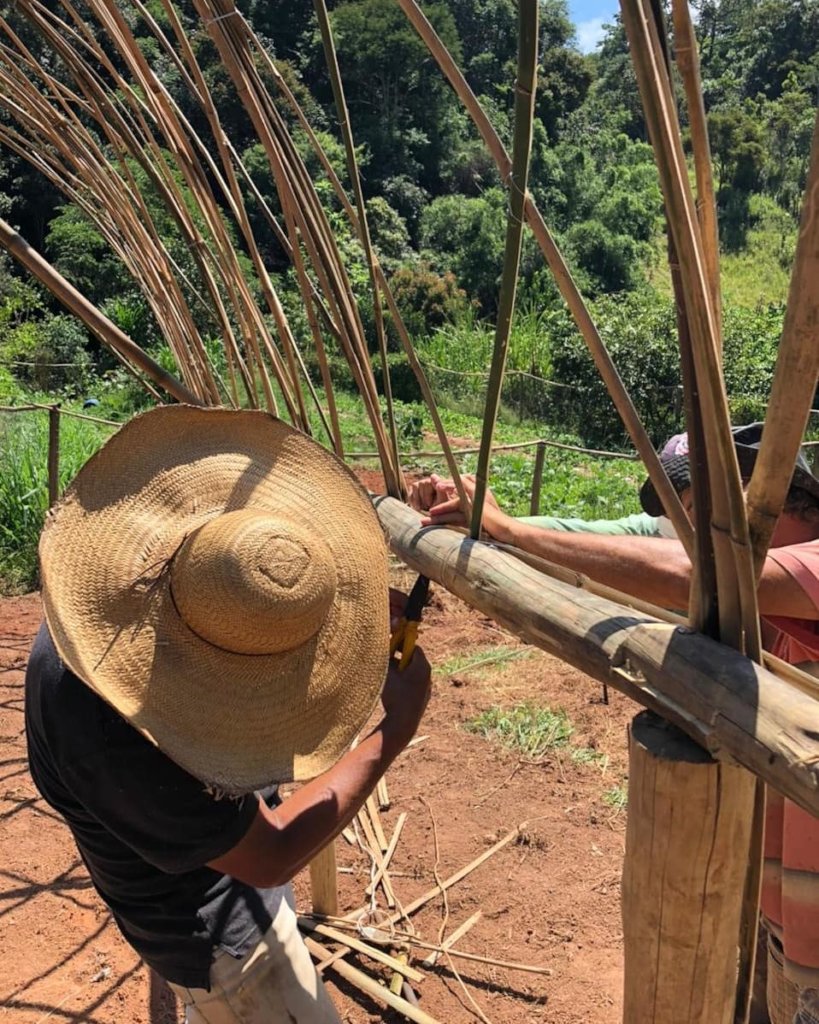
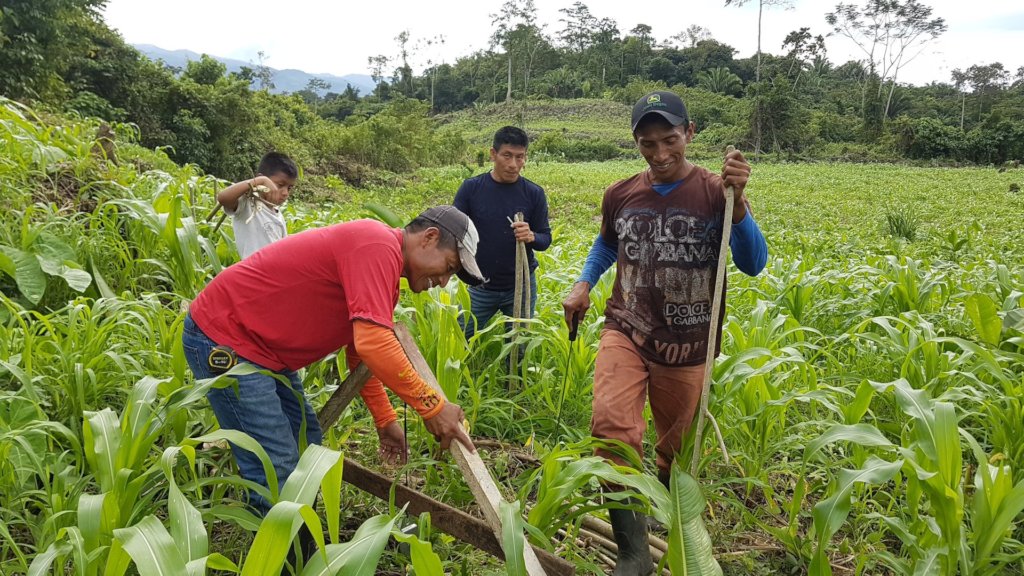
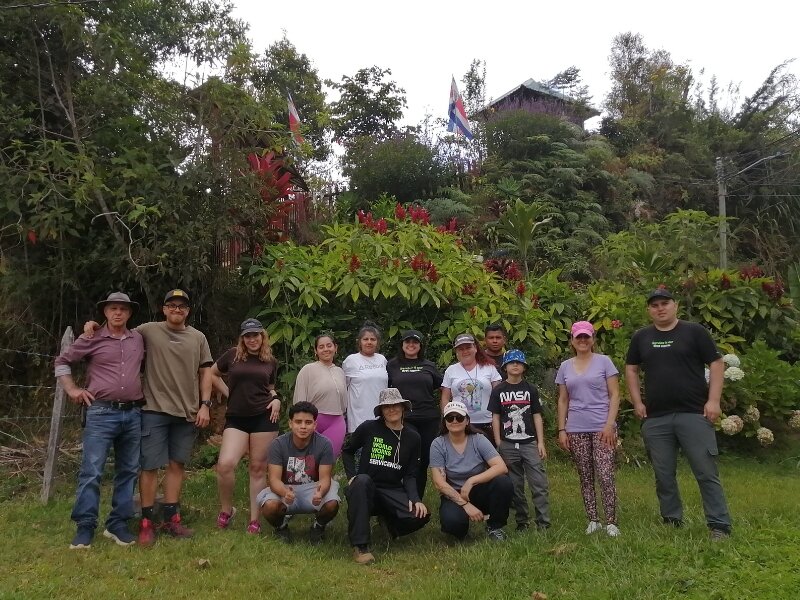
In response, ERC Asociación Defensores del Monumento Natural Zona de los Santos (ADMNZS) launched De Cafetales a Cercos Vivos (From Coffee Plantations to Living Fences). The pilot is transforming 2,000 m² plots on 15 farms into demonstration sites for soil recovery and regenerative agriculture.
With support from community volunteers, partners including the Costa Rican Coffee Institute (ICAFE), and funding from the Costa Rican Electricity Institute (ICE) and the ChangeX ServiceNow fund through the ERC Foundation, the project helps farmers adopt:
Agroforestry: Trees, bananas, and cover crops to stabilize soil.
Soil restoration: Biofertilizers, organic fertilizers, and dolomite lime.
Conservation: Living barriers and terraces to prevent erosion.
Training: Technical guidance and farm-impact monitoring.
During its first year, the project planted 900 trees - 600 native forest trees and 300 citrus trees - to create living fences and provide shade. It directly benefits 120 farmers and family members, while 90 participants have attended workshops and field tours.
The project also brings together youth, adults, and seniors, supporting the transfer of knowledge between generations. Women play an important role in training, decision-making, and farm monitoring.
ADMNZS now hopes to expand the model, secure environmental and regenerative certifications, and connect farmers with sustainable buyers. The pilot shows that restoring ecosystems and strengthening rural communities can go hand in hand - and that regeneratively grown coffee can be a force for good.
Become a Forest Maker!
Great news! Together with our pioneering project partners, we’re in the final stages of developing a practical, online “how-to” training that makes reforestation accessible to everyone.
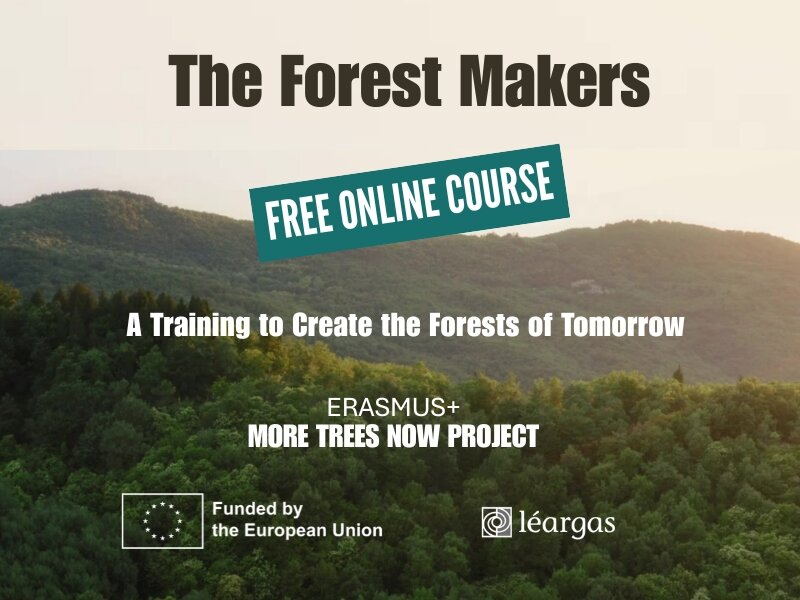
Launching September 2026, The Forest Makers: A Training to Create the Forests of Tomorrow will give you the tools to:
Assess your local environmental, social, and economic context
Select the most effective reforestation strategies for your area
Navigate funding, engage communities, and overcome regional challenges
Create a complete, site-specific tree-planting plan ready to implement & scale
The documentary-style course blends proven methodologies - including the “More Trees Now” approach and tailored techniques for both wet and dry climates - with hands-on guidance you can apply immediately.
This training is part of the Erasmus+ More Trees Now project, a pan-European initiative to accelerate ecosystem restoration and climate action through education and innovative tree planting methods. The project is being led by ERC and Stichting Meergroen (The Netherlands), ERC Siolta Chroi ( Ireland), ERC Virsoleil (France), ERC Rocciaviva (Italy) and Regeneration Academy (Spain).
Thanks to funding from the European Union’s Erasmus+ programme and Léargas, the course is completely free and available in English, French, Spanish, and Italian. You can pre register now!
Thank you for being an important part of our journey towards a regenerative planet, for all!
Warmest wishes,
Cath and the ERC team
Project reports on GlobalGiving are posted directly to globalgiving.org by Project Leaders as they are completed, generally every 3-4 months. To protect the integrity of these documents, GlobalGiving does not alter them; therefore you may find some language or formatting issues.
If you donate to this project or have donated to this project, you can receive an email when this project posts a report. You can also subscribe for reports without donating.



Support this important cause by creating a personalized fundraising page.
Start a Fundraiser