By Erin Hale | Development Associate
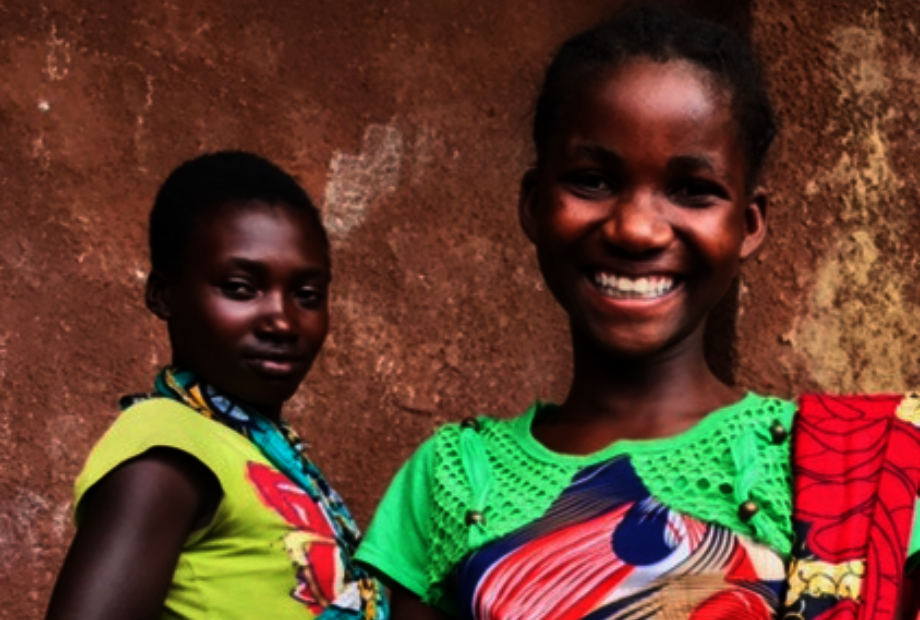
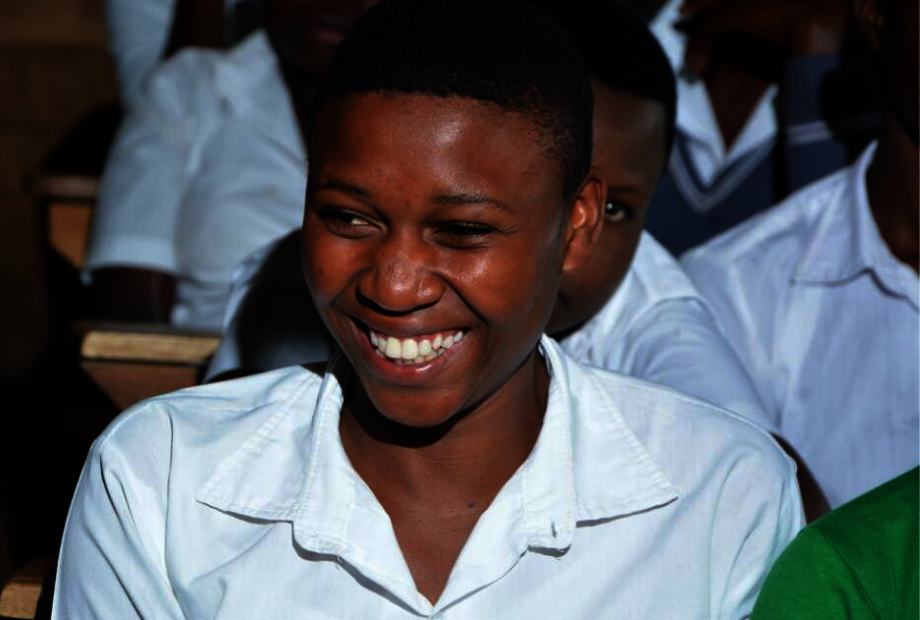
Your contribution to Days for Girls’ Empowering African Girls with Health & Education project has made a difference in the lives of women and girls in multiple regions across the African continent. Our recent monitoring, learning and evaluation (MLE) in Malawi indicates that DfG programming had a markedly positive impact on the menstrual health knowledge, attitudes, confidence and experiences of school-age girls. We are pleased to share some of our findings in this report.
Evaluation data was collected using the DfG Malawi MLE survey tool which includes both qualitative and quantitative questions. The surveys were administered before the education session (pre-test), and after the education session (post-test). Girls were also asked to participate in an additional post-survey regarding their menstrual health experiences 3-4 months after they had received and used their DfG Kits. We surveyed a total of 1,083 students from ages 11-23 (median age: 16 years) across seven districts.
High Level Results
1. DfG programs improved students’ knowledge of menstrual health and SRHR issues. Prior to DfG training, the majority of students scored as having Average knowledge of MH topics. After DfG training, 56% of students scored as having Good knowledge of MH – increasing from just 8.5% in the pre-test. There were even 91 students who scored perfectly on their post-test, an impressive demonstration of all they learned during the training.
2. DfG programs helped to increase students’ confidence surrounding the topic of menstruation. After DfG education, we saw a 13% increase in the number of students who felt comfortable discussing menstruation with an older family member and a 27% increase in the number of students who felt comfortable discussing menstruation with a teacher. This latter detail is essential, as teachers are often an important source of support and information for students throughout puberty.
3. DfG programs heped to cultivate more positive attitudes surrounding menstruation among participants. For example, we saw:
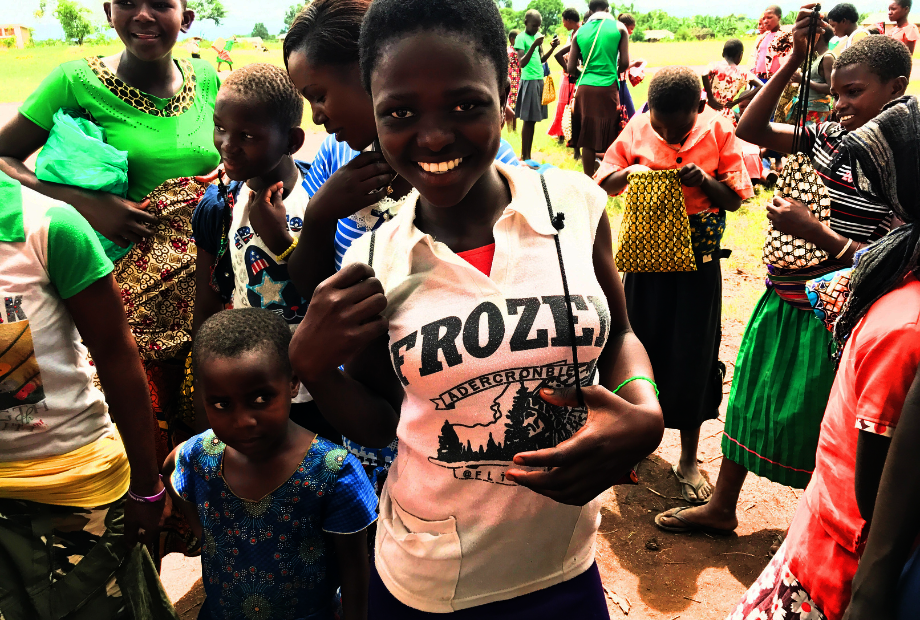
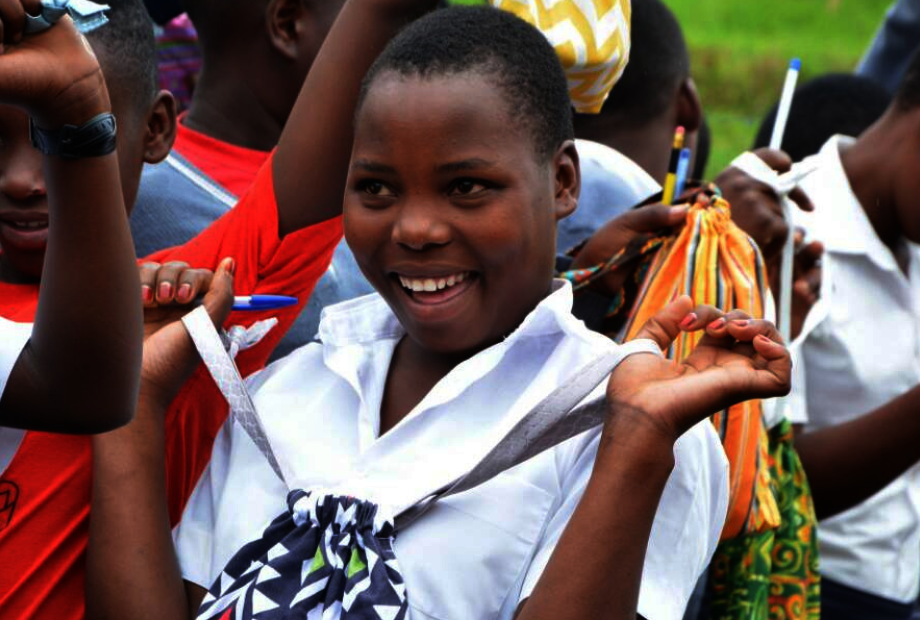
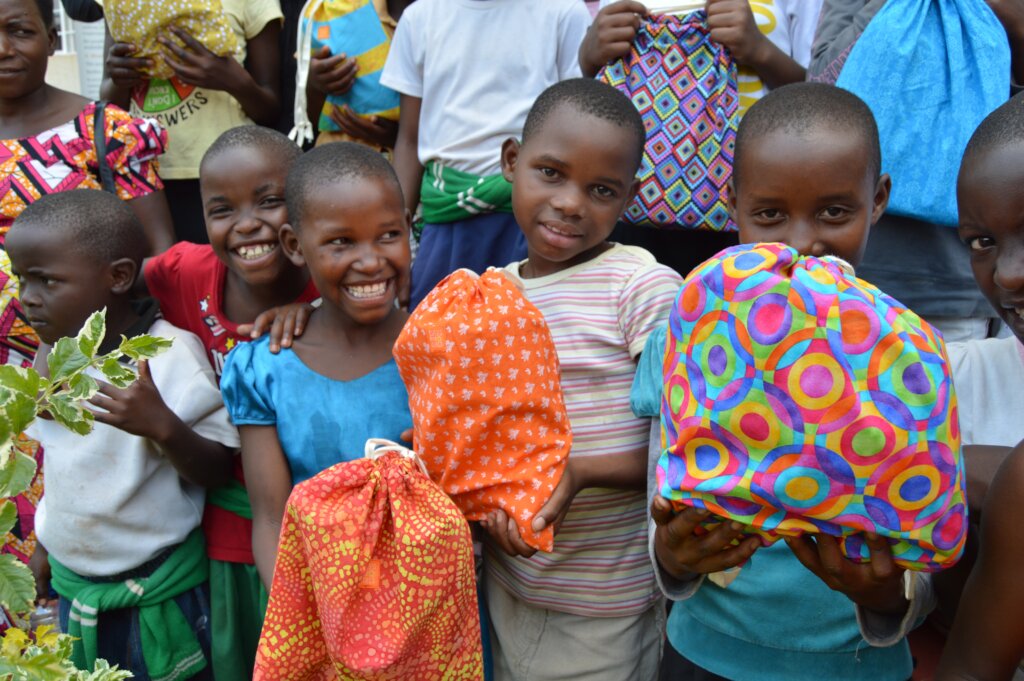
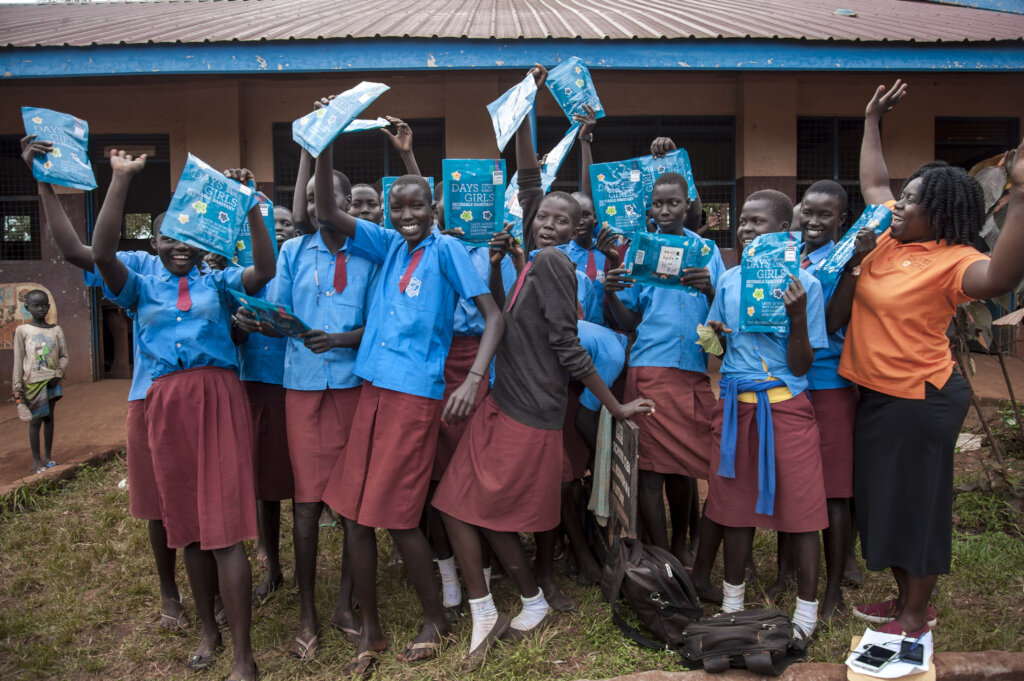
4. DfG Kits helped to improve the overall menstrual health experiences of girls compared to before they had access to DfG Kits. Prior to receiving a DfG Kit, the majority of girls listed disposable pads, cloth or towel scraps or another form of washable pad as their most commonly used menstrual materials. Three months after distributing the Kits, we completed a survey with a sample of 520 girls who received them. We saw that the girls demonstrated strong knowledge of how to use their pads safely and properly, with the majority changing their pads every 1-4 hours, and 75% reporting that they always allow their pads to dry completely in the sun after washing to sanitize them.
Across the board, the vast majority of students (96% or more) agreed with the following statements:
Girls shared additional feedback on their experience using DfG Kits:
Overall, our evaluation data indicates that DfG programs in Malawi have had a positive impact on the menstrual health knowledge, attitudes, confidence and experiences of girls who participate in our programs. We are thrilled at the opportunity to continue engaging with these communities to meet the needs of additional women and girls, and to grow our impact. We are confident that our findings in Malawi will greatly influence our work throughout the continent. Thank you for your part in this progress toward menstrual equity for school-age girls in Africa!
Project reports on GlobalGiving are posted directly to globalgiving.org by Project Leaders as they are completed, generally every 3-4 months. To protect the integrity of these documents, GlobalGiving does not alter them; therefore you may find some language or formatting issues.
If you donate to this project or have donated to this project, you can receive an email when this project posts a report. You can also subscribe for reports without donating.



Support this important cause by creating a personalized fundraising page.
Start a Fundraiser