By Shweta-Tara | Krantikari & Staff
Dear Kranti Family,
As I sit down to write this update, I keep coming back to something I witnessed over these past five months: what happens when girls who have spent much of their lives being told who they are, what they can become, and where they belong begin to decide these things for themselves.
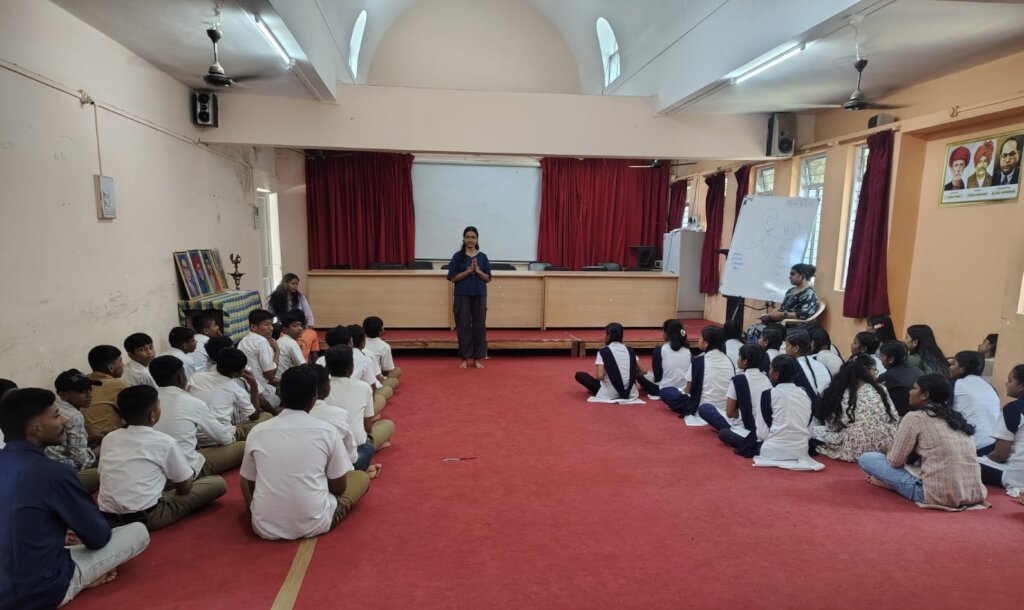
May and June were about finding their voices. Praveen spent three sessions with three groups of Krantikaris, using children's books and playful activities to explore friendship, home, and belonging. These might seem like simple concepts, but for girls whose relationships with home and family have often been complicated, they carry a different weight. I loved hearing the girls make sense of these words in their own ways.
Then Sophie joined us for two weeks of songwriting and rap. By the end, three groups had written and performed their own songs about independence, self-reliance, and freedom. The younger girls rapped about life at Kranti: waking up, going to school, doing chores, and navigating friendships. There was something wonderful about watching them take the ordinary rhythms of their lives and turn them into something entirely their own. Bold, funny, and unapologetically theirs.
In mid-July, the girls went home for the monsoon break, returning on 7 August. As always, those who didn't have a safe place to return to were welcomed into homes within the Kranti network. I don't think we talk enough about what it means to have somewhere to go when the world outside hasn't made room for you. This is the community we have tried to build: a family that shows up, not just when things are easy, but when they aren't.
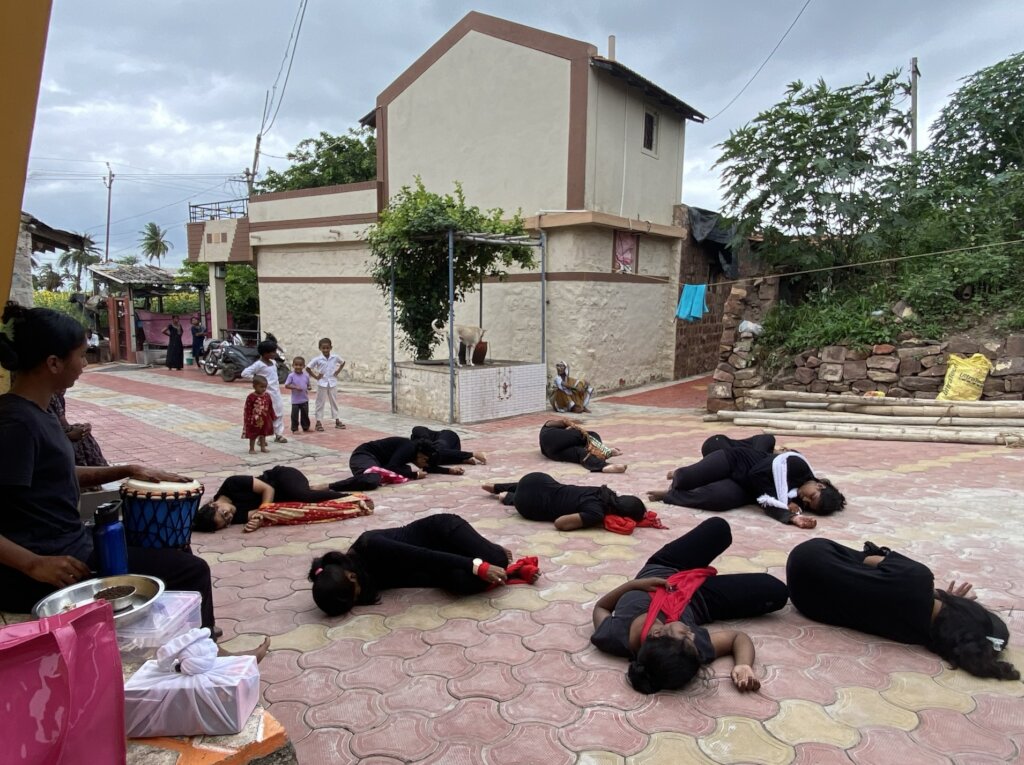
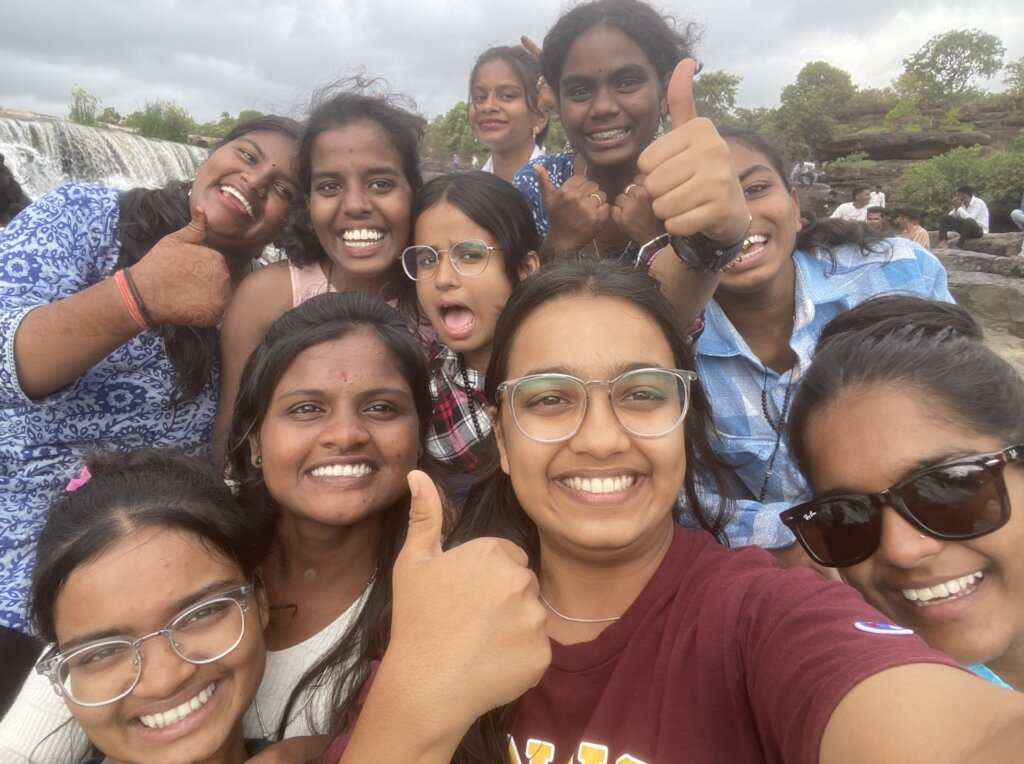
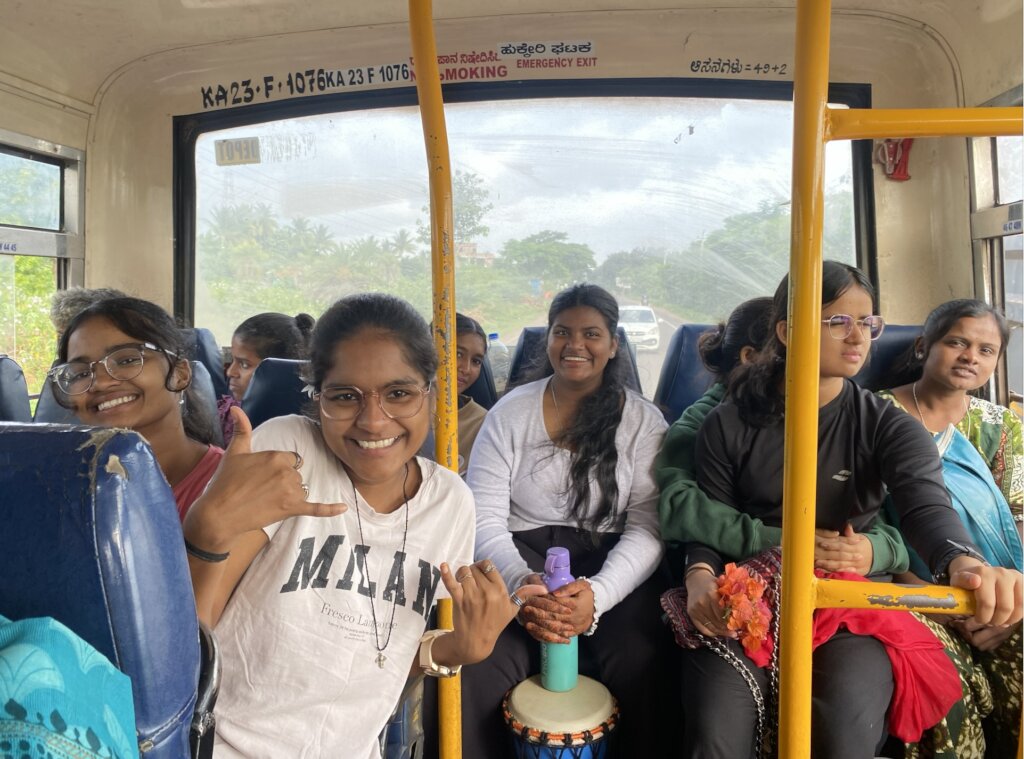
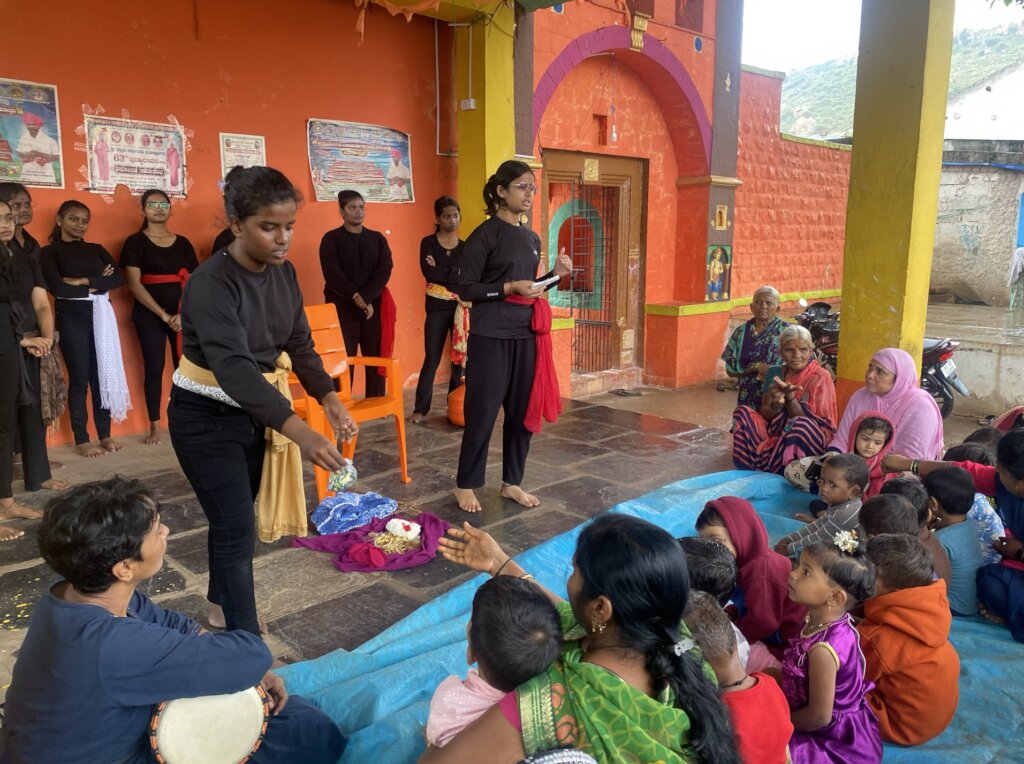
The older girls in our theatre group barely had time to catch their breath before we regrouped in Ghataprabha, Karnataka, for a theatre tour with Jaya. What followed was one of the most significant experiences I have witnessed in our girls' lives.
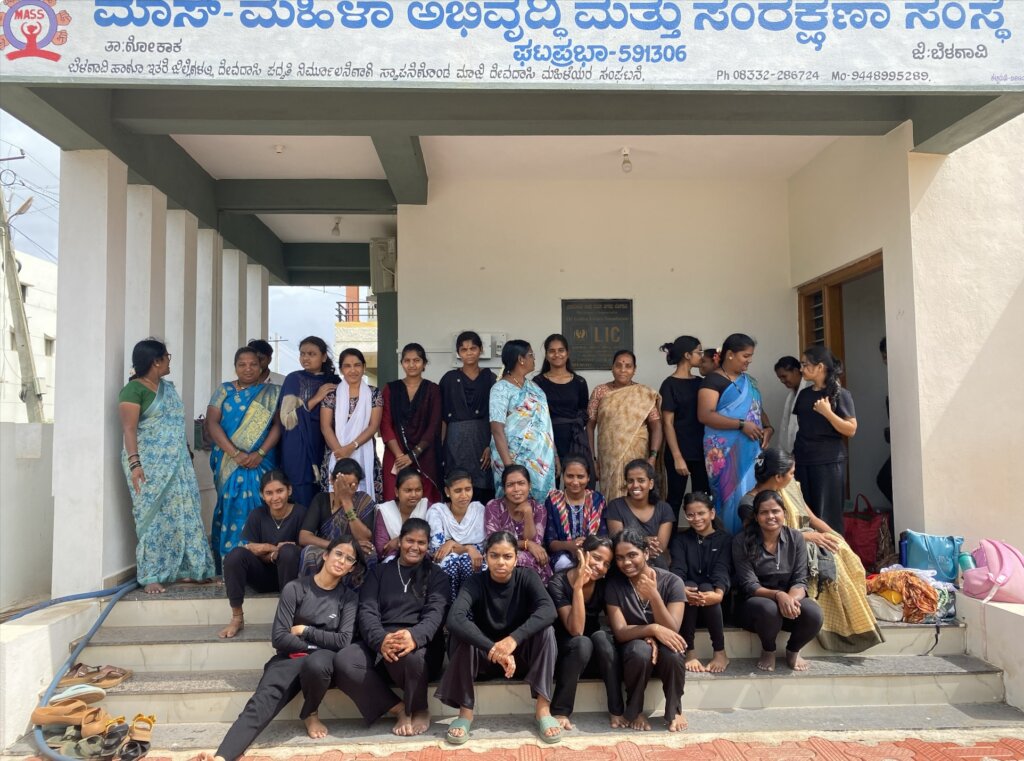
Over ten to twelve days, the girls performed their play for organisations working with former Devadasi women and women challenging the Devadasi system, including Amma and MASS. They performed in Gokak for an organisation working with sex workers across northern Karnataka, in Belgaum at a shelter home for girls living with HIV, and in Ghataprabha for Sangam, a gathering of young politicians from across India. We ended in Kolhapur, where a dear friend of Kranti brought together an audience that included daughters of sex workers, members of the LGBTQI+ community, local politicians, and journalists.
This was the girls' first time performing on the road, and I wish everyone who supports Kranti could have been there to see what I saw.
Through theatre, Jaya helped the girls explore what their mothers' lives might have been like. The process brought up enormous emotions and many tears. These weren't abstract stories about injustice. They were stories that touched the girls' own lives, their relationships with their mothers, and the ways they had come to understand themselves. They worked through those emotions together, and then they stood in front of strangers and spoke openly about their lives.
At one point, someone in the audience questioned whether the performance was re-traumatising the girls. The girls answered for themselves. This wasn't re-traumatising, they explained. It was claiming their space.
That distinction matters enormously to me.
Our girls are not ashamed of what their mothers have done to support them. But they refuse to accept the injustices their mothers have faced, or the injustices they themselves have inherited as their daughters. They are learning that they can love their mothers without accepting the systems that have hurt them both. They can honour where they come from without being limited by it.
I watched these girls walk into rooms full of strangers and speak about things that many people spend their entire lives hiding. I watched them do it without shame, without apology, and with a confidence I had never seen in them before. They were discovering something I wish every girl could know: you do not have to hide who you are to be seen, respected, and loved.
Of course, the tour wasn't without its challenges. Two girls were hospitalised, one after falling ill and another following a fall, and we cared for them as we continued the journey. Somewhere in between everything else, the girls even managed to fit in jiu-jitsu sessions. Life at Kranti is rarely uneventful!
When we returned to Mumbai, we were confronted with one of the hardest moments of the year.
One of the mothers told us she didn't want her daughter to return to Kranti. Her daughter had become too confident, she said, and was no longer listening to her.
This is one of the most painful contradictions in our work. We want our girls to find their voices. We want them to question injustice, recognise violence, and understand that they have the right to make decisions about their own lives. But what happens when they take that newfound confidence home, into families where obedience has long been equated with respect?
Many of our mothers have survived circumstances most of us can barely imagine. They have had to navigate systems that offered them very few choices. In that context, a daughter who questions, disagrees, or insists on a different future can feel frightening. For many families, the idea of a girl following the 'right path' is still closely tied to obedience and early marriage.
That evening, we reached out to everyone we could think of. We sent a very upset girl home for the night, promising her that we would find a way to bring her back. Early the next morning, just hours before our train was due to leave, her mother called us.
What she needed, we realised, was reassurance that her daughter was on the right path. After many calls and voice notes, she agreed to let her return. The girl made it onto the train with us and is back at Kranti, continuing her studies, with a promise to her mother that she will keep up her prayers.
For a while, it felt like we had failed her. But the situation was more complicated than that. We were looking at a mother who deeply loves her daughter and a daughter who is trying to build a different future, both navigating patterns that have existed for generations. Neither of them has an easy path ahead.
Our work isn't simply about helping girls become confident. It is about supporting them as they navigate what that confidence means in the real world, including within the families they love. Sometimes progress looks like a girl standing up in front of an audience. Sometimes it looks like a difficult conversation, a frightened mother, a sleepless night, and a phone call just in time to catch a train.
And sometimes, progress is simply that the girl comes back.
August also brought some rather extraordinary news.
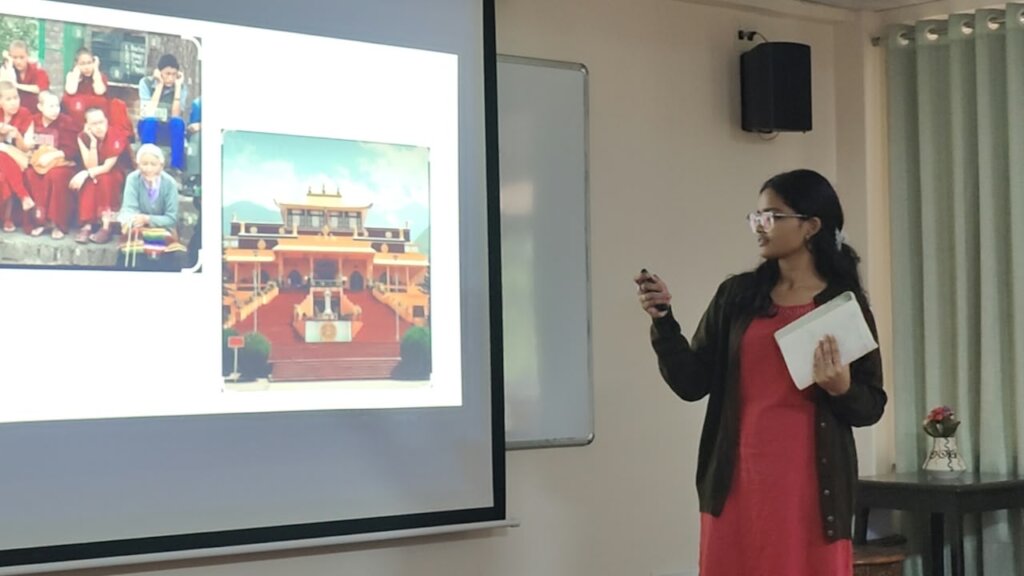
Hema, a 19-year-old Krantikari from Bangalore who grew up largely in hostels across Karnataka, has dreamed of becoming a software engineer for years. After spending a semester at the International People's College in Denmark, she received scholarship offers from several universities abroad.
Then came the US visa ordeal. For months, we tried to secure an appointment, watching available slots disappear within seconds of opening. It was exhausting, frustrating, and, at times, seemed almost impossible. But people across our community rallied behind Hema, and eventually she was able to share her story in person and secure an appointment. Her visa was approved just days before classes began.
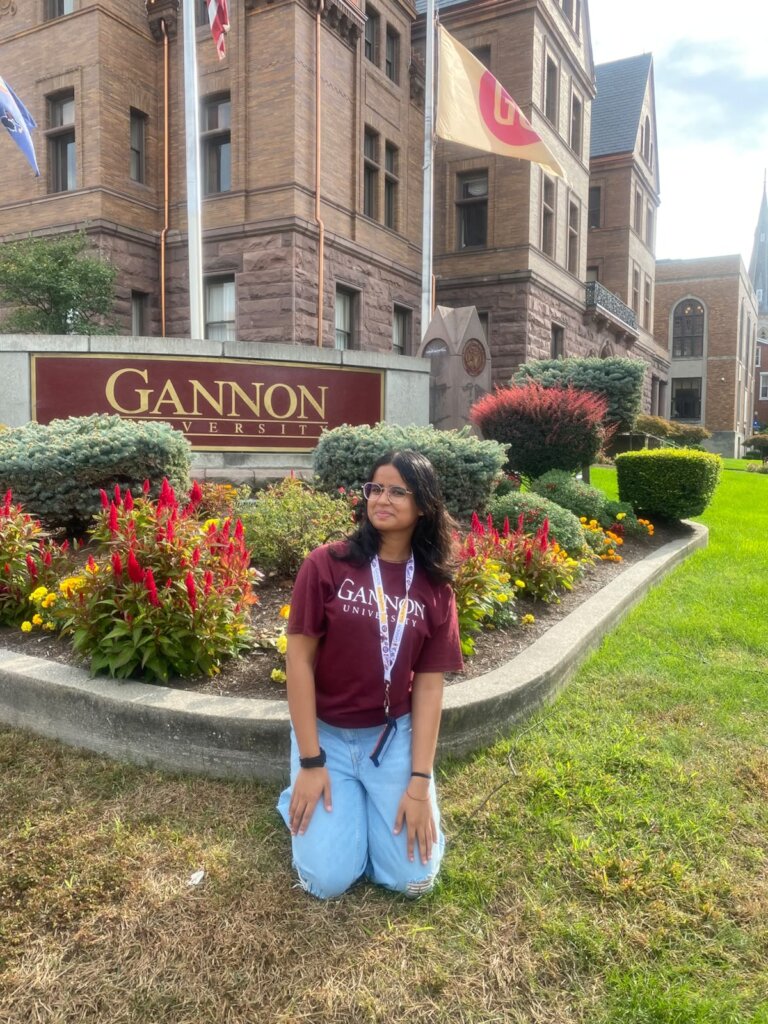
Today, Hema is studying Computer Science in the United States. She is sharing a home with one of our older Krantikaris, who is finishing her master's degree at the same university.
I think about this often. One girl who grew up in circumstances that could have severely limited her opportunities is now helping another girl from a similar background navigate life on the other side of the world. One Krantikari has opened a door, and another is walking through it.
This is what we mean when we talk about building a community, not just an organisation.
That same month, Hema's best friend, Rani, flew to Denmark to begin her semester at the International People's College. Now the two of them spend hours on video calls, swapping stories about their new lives. Two girls from the same community, exploring entirely different corners of the world, still finding their way through it together.
I wish I could adequately describe what it feels like to watch this happen. These aren't just university admissions or international opportunities. They are girls expanding their understanding of what is possible for themselves, and then helping each other imagine even more.
Back home, September has been quieter, though no less important.
Shivani is halfway through a month-long leadership programme at Initiatives of Change, learning alongside about fourteen other participants and doing some deep inner work. The girls at Kranti are attending regular school, and several are preparing for their Class 10 and 12 board exams, with some exams coming up this October and others next April.
Not every day is easy. Some of our girls live with severe mental health challenges, and there are days when simply getting through the day takes enormous effort. But we are seeing growth in places that might not make headlines.
Girls as young as eight are learning to name their emotions, regulate their feelings, and participate in difficult conversations. They are showing up for therapy more regularly. They are slowly learning to understand themselves and communicate what they need.
I want to pause on this because I think it is easy to celebrate the big milestones: the international flights, the university acceptances, the performances in front of packed audiences. Those moments deserve to be celebrated. But so does the eight-year-old who learns to put a name to what she is feeling. So does the girl who asks for help instead of shutting down. So does the teenager who returns to therapy after a difficult week.
These are not small victories. They are the foundations on which everything else is built.
When I look back over these five months, I see girls finding their voices through music, speaking their truths through theatre, navigating difficult relationships with the people they love, and crossing oceans to build futures that once seemed impossibly far away.
I also see the work that doesn't fit neatly into a success story: the tears, the hospital visits, the family tensions, the difficult days, and the slow, sometimes frustrating process of learning to live differently from the generations before you.
Kranti has never been about pretending that a different future is easy to build. It is about making sure our girls don't have to build it alone.
Every one of these stories exists because of a community of people who believe that girls deserve more than the circumstances into which they are born. Thank you for being part of that community, for standing beside our girls as they grow, stumble, find their feet, and discover just how far they can go.
There is so much more ahead of us, and I am grateful that we get to do this together.
With love and gratitude,
Shweta Tara
Project reports on GlobalGiving are posted directly to globalgiving.org by Project Leaders as they are completed, generally every 3-4 months. To protect the integrity of these documents, GlobalGiving does not alter them; therefore you may find some language or formatting issues.
If you donate to this project or have donated to this project, you can receive an email when this project posts a report. You can also subscribe for reports without donating.


Support this important cause by creating a personalized fundraising page.
Start a Fundraiser