By Aisha Ojone Abu | Project Leader
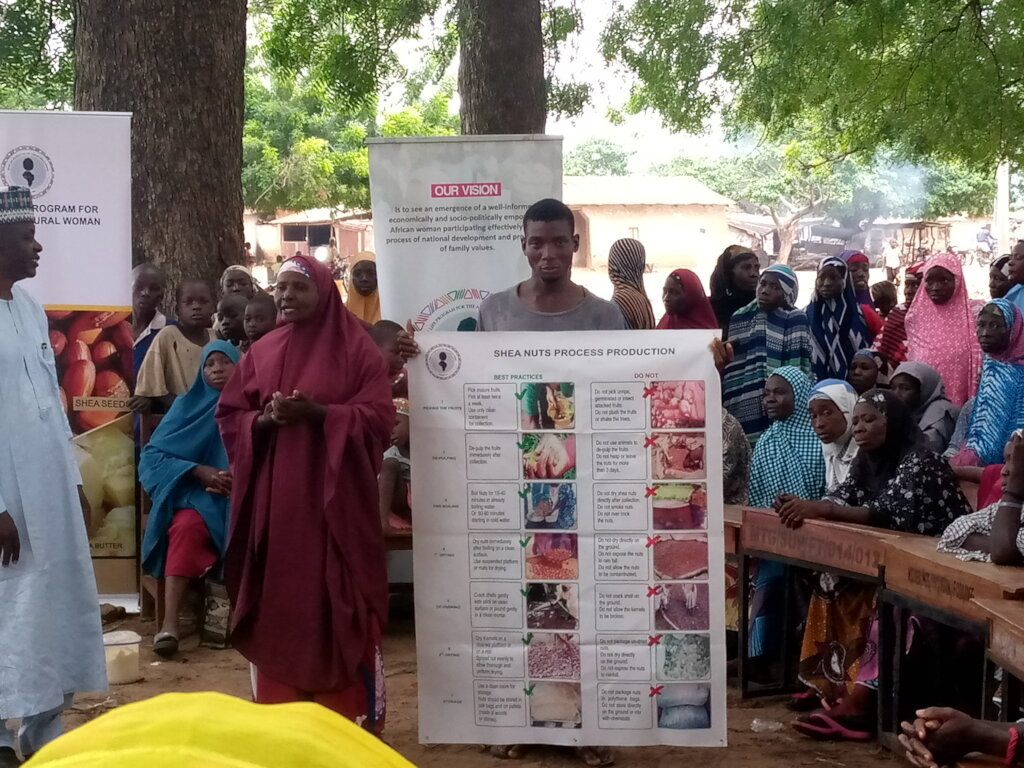
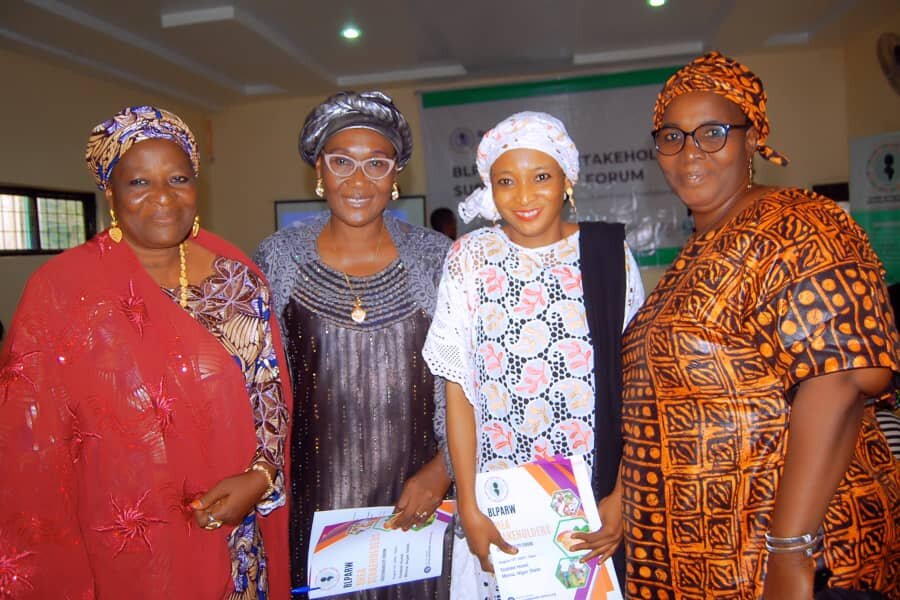
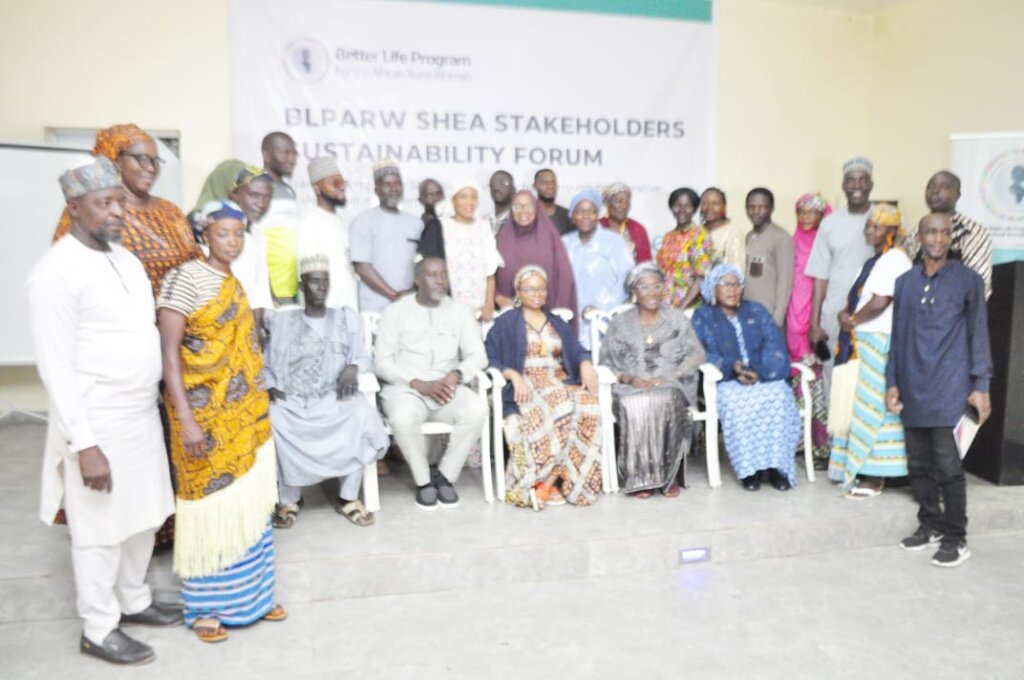
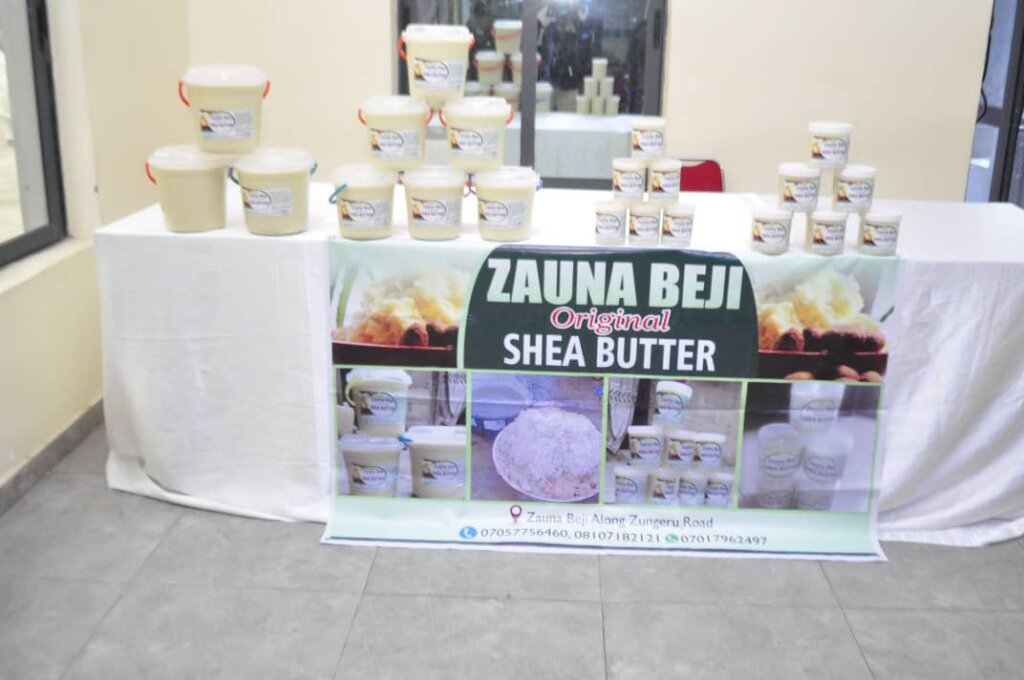
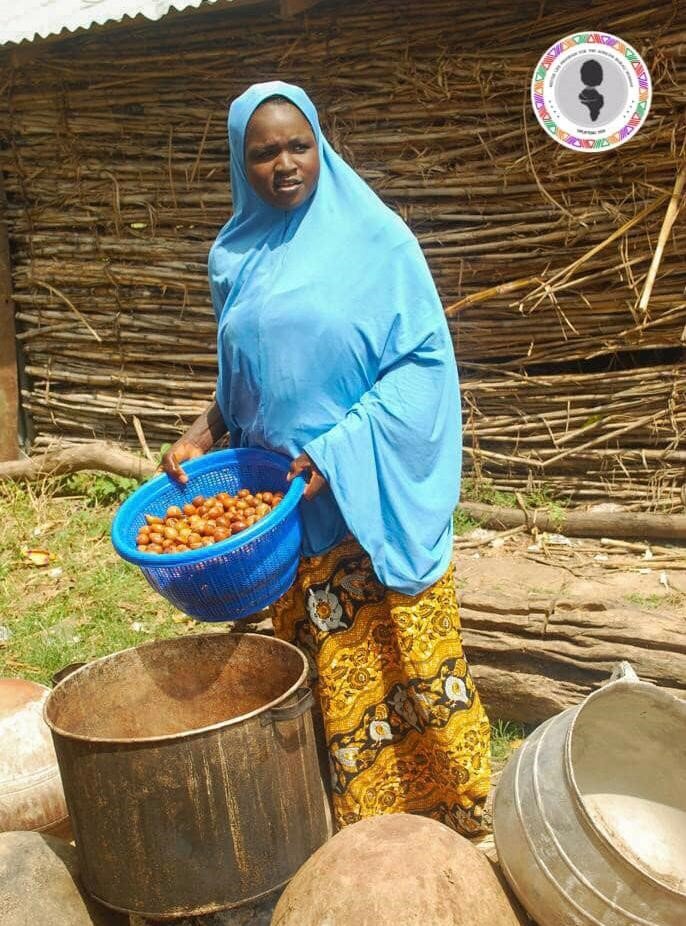
This quarter, BLPARW in partnership with the UNDP GEF Small Grants Program (SGP) organized the Shea Stakeholders Sustainability Forum in Niger State, Nigeria. The primary objective of the Forum was to unite key actors—including women collectors, processors, government bodies, and sustainability experts—to directly address the operational challenges faced by entrepreneurs within the shea value chain and collectively define practical solutions. The event was instrumental in forging a unified, long-term strategy centered on ethical sourcing, quality assurance, and environmental stewardship, thereby advancing the project’s goal of creating resilient and sustainable livelihoods for women shea collectors and processors. The Stakeholders present included GIZ SEDIN, Small and Medium Enterprises Development Agency of Nigeria(SMEDAN), National Export Promotion Council(NEPC), Federal University of Technology Entrepreneurship Centre, Shea Tradition, National Shea Products Association of Nigeria(NASPAN), Shea Entrepreneurs and Cooperative members.
The Sustainability Forum served as a crucial platform to address pressing issues facing the sector: declining tree populations, inconsistent quality control, and fluctuating market prices. The agenda focused on three pillars:
Quality & Standardization: Discussions centered on implementing shared standards for kernel harvesting, drying, and storage to meet international market demands consistently.
Environmental Stewardship: Participants explored strategies for protecting existing shea parklands and promoting the planting of new trees to ensure long-term resource availability.
Fair Pricing & Livelihoods: Sessions focused on transparent pricing models and direct procurement strategies to ensure higher income retention for the women collectors at the base of the value chain.
Outcomes and Impact
Enhanced Sustainability Commitment
The forum culminated in a Stakeholder Accord where all partners formally committed to integrating sustainable harvesting and resource management practices. This includes promoting community-managed parklands and reducing reliance on harmful wood-burning methods for processing.
The Road Ahead
This quarter laid the foundation. Now comes the hard work of implementation:
The forum revealed an uncomfortable truth: without intervention, this industry—and the ecosystems it depends on—could collapse within a decade. But it also revealed something powerful: when women are empowered, when institutions collaborate, and when communities are heard, transformation is possible.
Every dollar you contribute protects shea parklands that sequester carbon and provide livelihoods. It trains women in sustainable practices. It challenges the systems that have kept rural African women in poverty while their resources enrich others.
You're not just funding a project. You're investing in environmental conservation, women's economic empowerment, and the preservation of cultural heritage—all at once.
Thank you for believing in these women. Thank you for standing with us as we transform Niger State's shea industry into a model of sustainability that the entire continent can follow.
Together, we're planting seeds—both literal and figurative—that will bear fruit for generations to come.
Links:
Project reports on GlobalGiving are posted directly to globalgiving.org by Project Leaders as they are completed, generally every 3-4 months. To protect the integrity of these documents, GlobalGiving does not alter them; therefore you may find some language or formatting issues.
If you donate to this project or have donated to this project, you can receive an email when this project posts a report. You can also subscribe for reports without donating.



Support this important cause by creating a personalized fundraising page.
Start a Fundraiser