By Paz Obando | Operative Director
SUMMARY
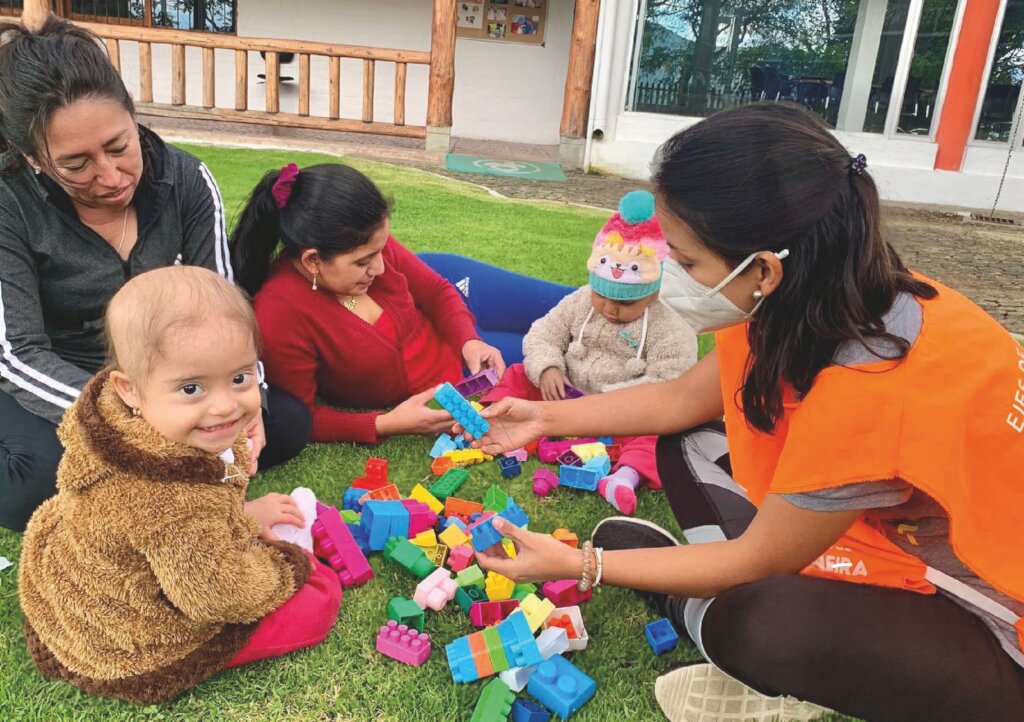
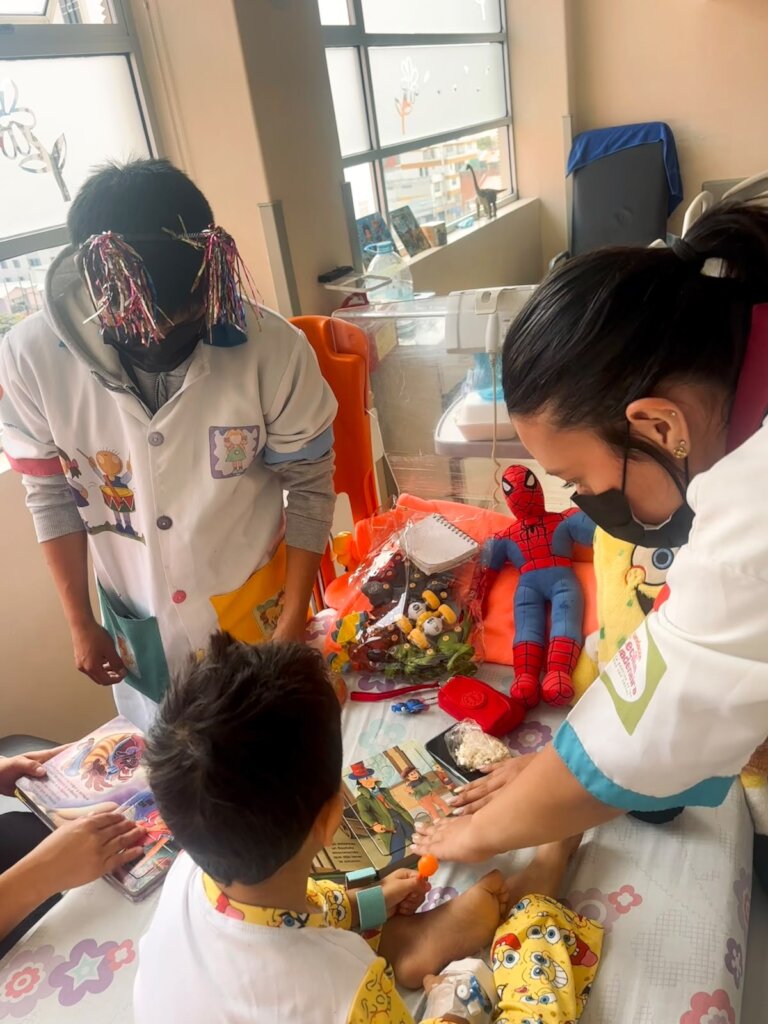
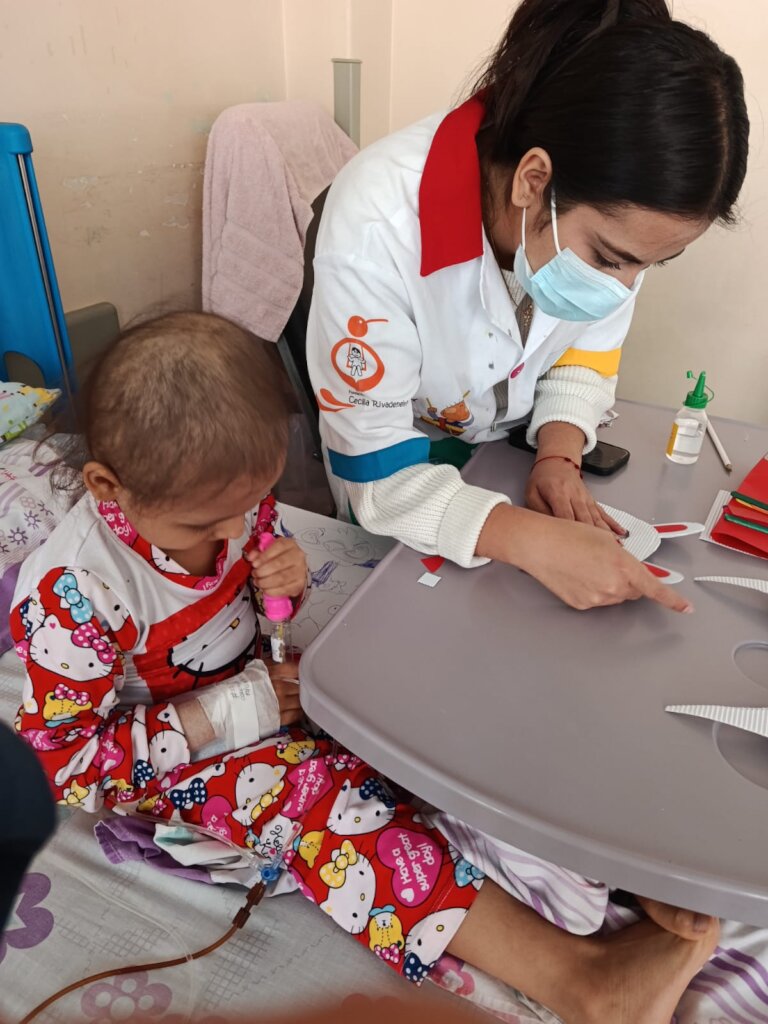
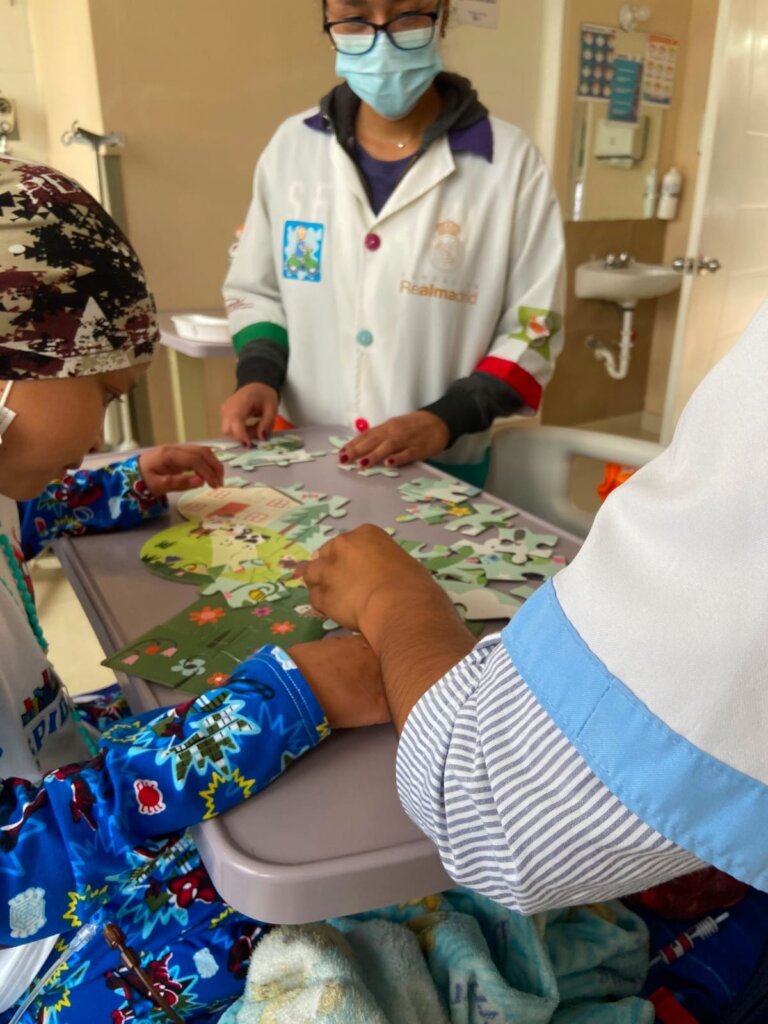
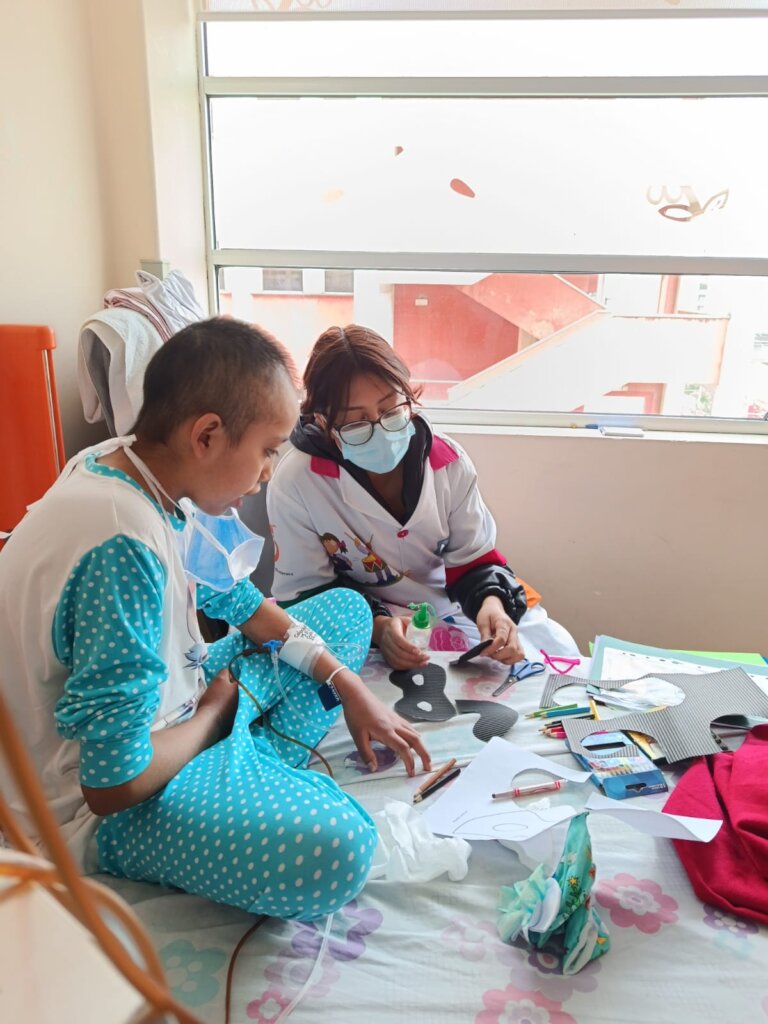
Children and adolescents with cancer and life-threatening illnesses need care that addresses both their physical health and emotional well-being. During treatment, they may face challenges that affect their quality of life, self-care, and, in some cases, their ability to continue treatment.
Providing psychological support to patients and their families, help identify these needs, strengthen their emotional resources, and provide tools to cope with the illness.
For more than 20 years, Fundación Cecilia Rivadeneira has worked to promote the emotional well-being of children and adolescents with cancer and life-threatening illnesses, as well as the care of their families. The Foundation currently offers individual psychological support for patients, siblings, and parents; group therapy for parents and siblings; and grief support groups.
These services are delivered and supervised by psychology professionals with clinical experience and specialized training in pediatric and adolescent oncology.
CHALLENGE
Childhood cancer presents a significant challenge for healthcare systems and families. In addition to medical care, patients need emotional support to cope with the change or transitions, fears, and difficulties that arise during diagnosis and treatment.
In Ecuador, many families face barriers to accessing specialized and ongoing psychological support. This situation can affect patients’ well-being, family relationships, and their ability to cope with the illness.
SOLUTION
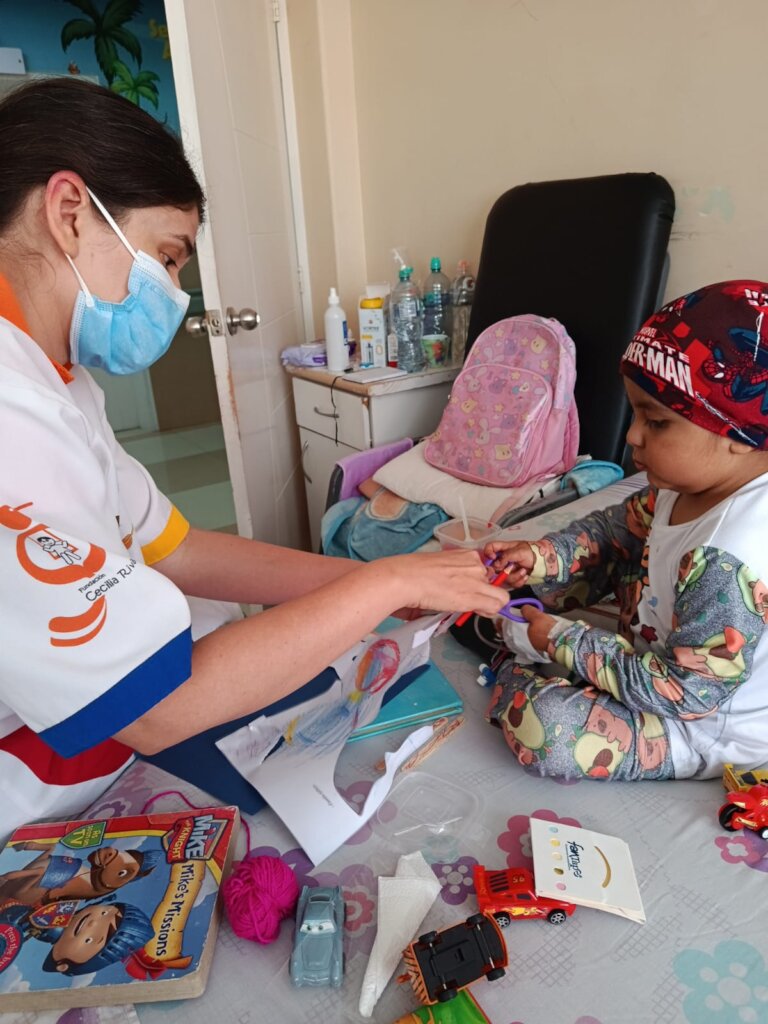
Fundación Cecilia Rivadeneira provides psychological support as a complement to the medical treatment patients receive in hospitals.
The service includes individual therapy for children and adolescents with life-threatening illnesses, as well as for their siblings and parents. The frequency and duration of sessions are determined according to each case’s needs, with the aim of ensuring continuous follow-up.
The Foundation also organizes support groups for parents, siblings, and family members experiencing grief. These spaces allow participants to share experiences, express their emotions, and find understanding and support during difficult times.
Through these services, the Foundation seeks to ensure that families do not face illness through medical care alone, but also receive the emotional and psychological support they need throughout the process.
LONG-TERM IMPACT
Psychological support can contribute to improving the emotional well-being of patients and their families while strengthening self-esteem, self-awareness, self-care, and social skills.
In the long term, these interventions aim to promote better adaptation to the different stages of the illness, strengthen family relationships, and provide patients and their families with tools to navigate life after treatment.
Project reports on GlobalGiving are posted directly to globalgiving.org by Project Leaders as they are completed, generally every 3-4 months. To protect the integrity of these documents, GlobalGiving does not alter them; therefore you may find some language or formatting issues.
If you donate to this project or have donated to this project, you can receive an email when this project posts a report. You can also subscribe for reports without donating.


Support this important cause by creating a personalized fundraising page.
Start a Fundraiser