By Carolyn Ronis | Executive Director, ICEHA
Greetings:
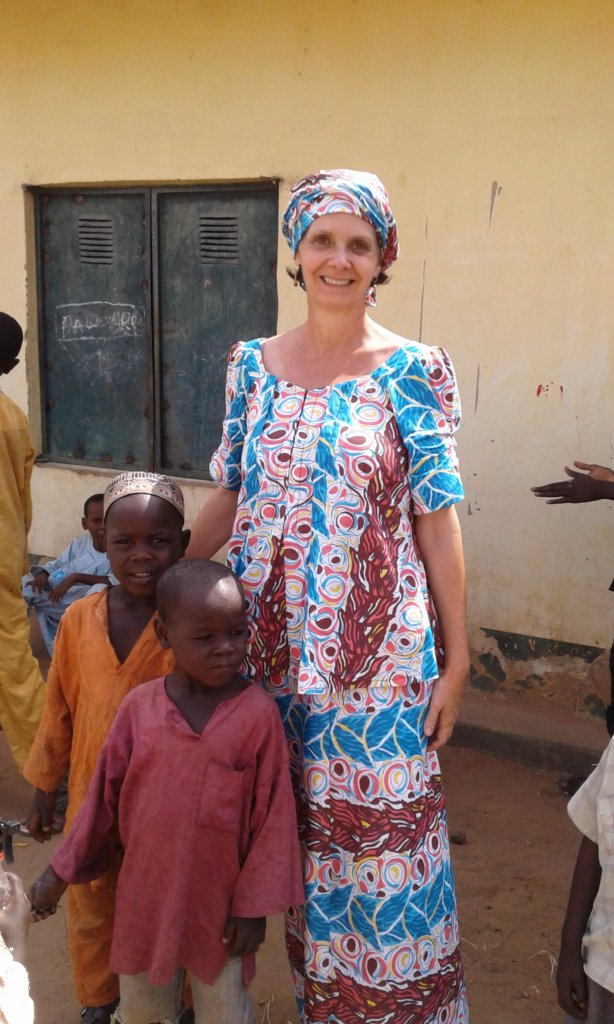
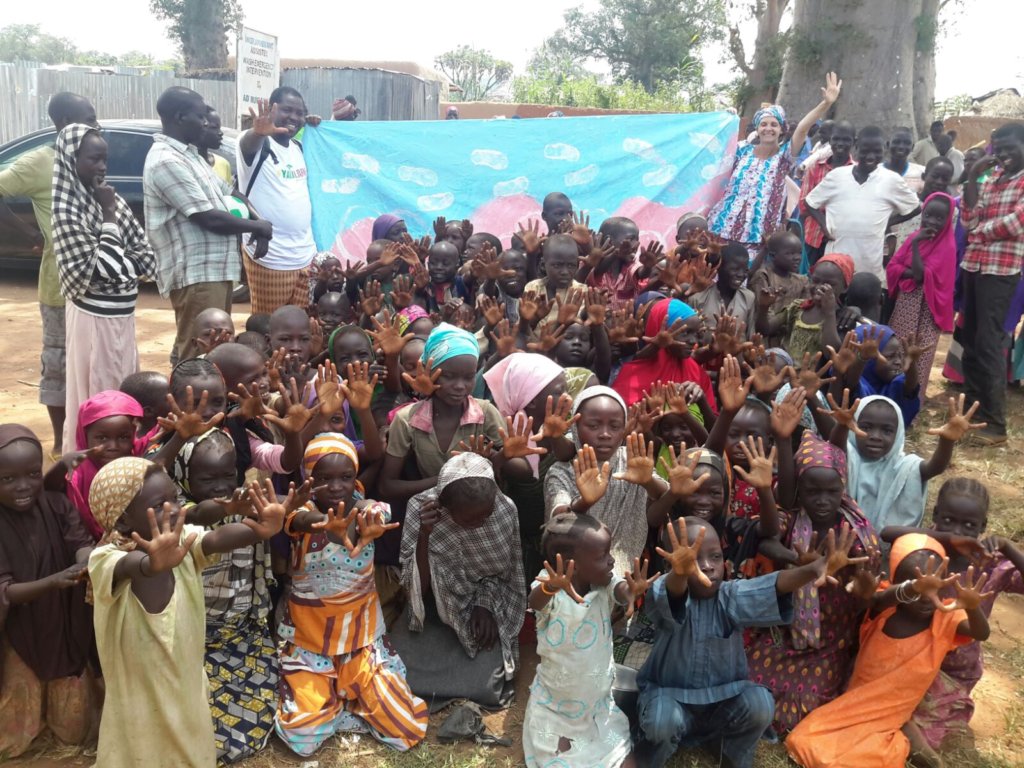
As Executive Director of ICEHA, I want to update you on your investment and thank you for your continued concern for the vulnerable child survivors of vicious Boko Haram attacks.
I will be in Nigeria in March to start our programs in Apo settlement,which has not been receiving any form of continuing aid since 2014. ICEHA is partnering with a Nigerian medical doctor who has an NGO focused on eradicating malaria, and has been working n the settlement. He was also recipient of a Mandela Fellowship, created by President Obama. After thorough vetting, we are excited about this very credible relationship.
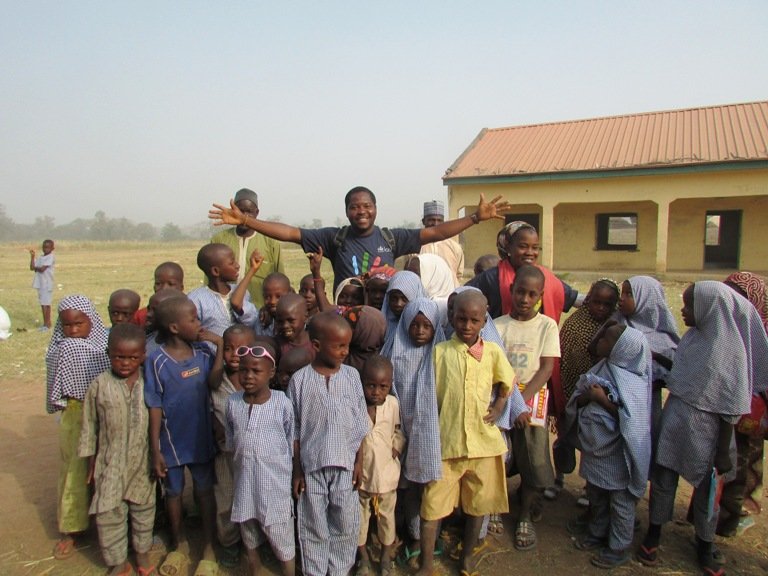
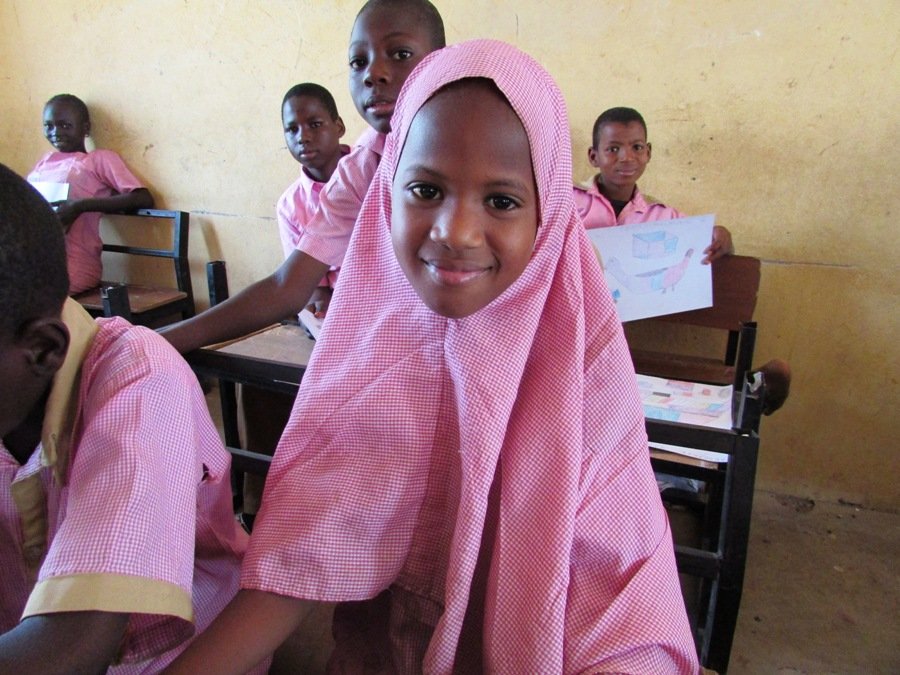
The IDP (Internally Displaced Persons) children are orogionally from Gwoza. The residents of Gwoza were subjected to extreme terror for many days before the final bloody massacre. After arriving at Apo, the police brutalized and killed many of the settlers, who had already been through so much. The children have also been refused education in the public schools under the excuse of lacking documentation (which were destroyed by Boko Haram). Our programs will feed the children as we help them heal from their emotional trauma. With no food, the residents will eventually be forced to get food through desperate measures -- as have many before them who joined in terrorist activities in order to survive.
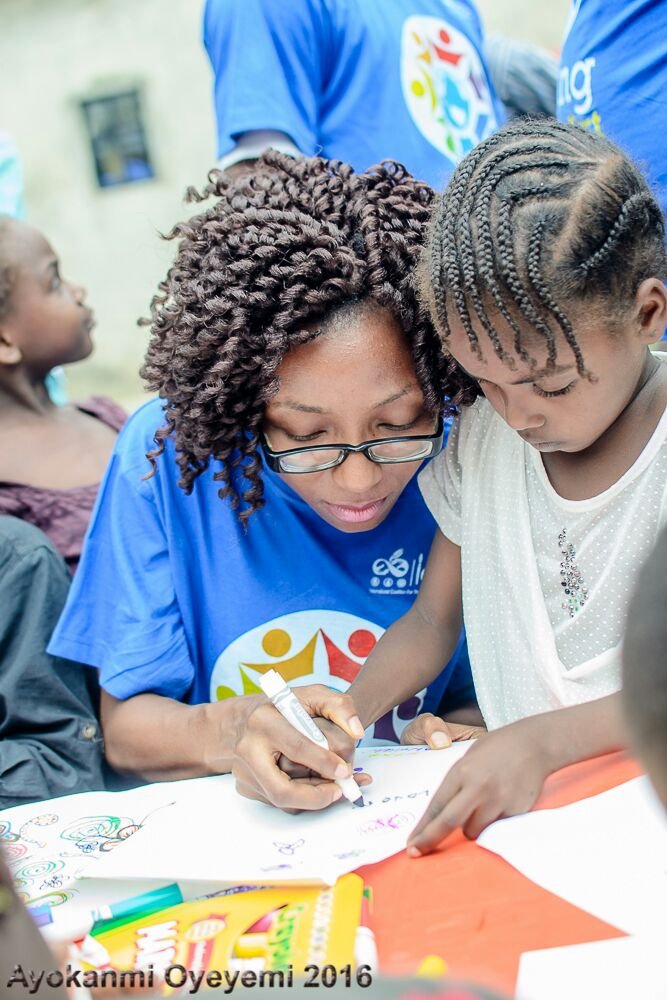
ICEHA is delighted at the opportunity to expand our work with Internally Displaced Persons (IDP’s) in Apo Settlement, Abuja, Nigeria. Through our relationship with Dr. Mohammed Saleh Saleh, we hope to form an ongoing partnership with the leaders, facilitators, residents and neighbors of the Apo Settlement. Our goal is to have our initial program during early March to meet with all interested parties, provide Healing Through Art and other programs mentioned below. From that initial contact, we will work with our partners to create and coordinate a plan designed to meet specific needs and goals of the residents of Apo settlement.
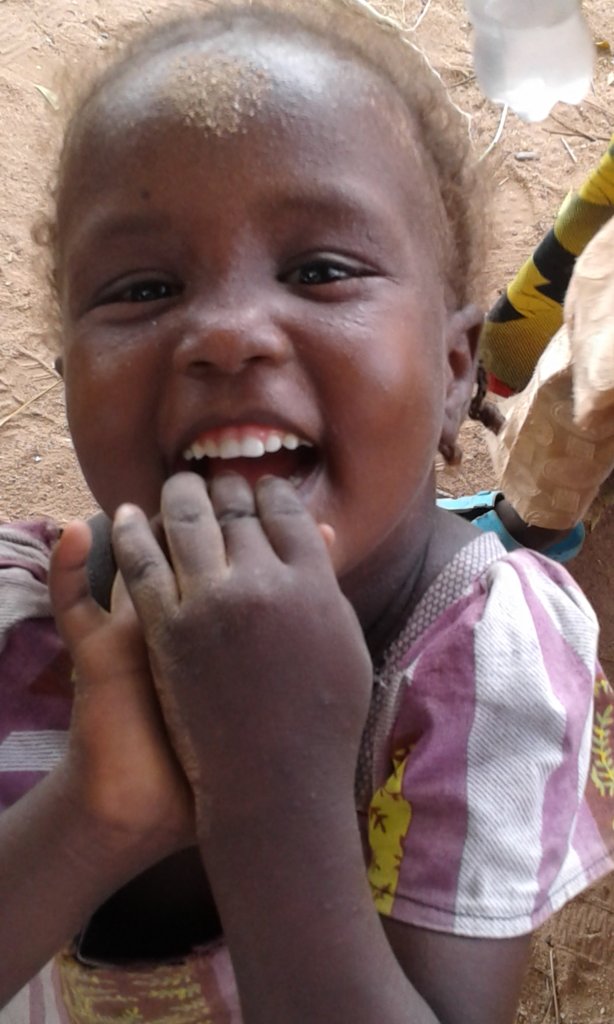
There are currently 972 Internally Displaced Persons (IDPs) in Apo settlement. About 3/3 of the population is women and children, of these, 390 are children 5 years of age and under, and the majority of the women are widows. They are from Gwoza LGA of Borno State and have been in Apo since 2014. Boko Haram attacks on Gwoza were especially brutal.
Needs of the settlement have been prioritized as:
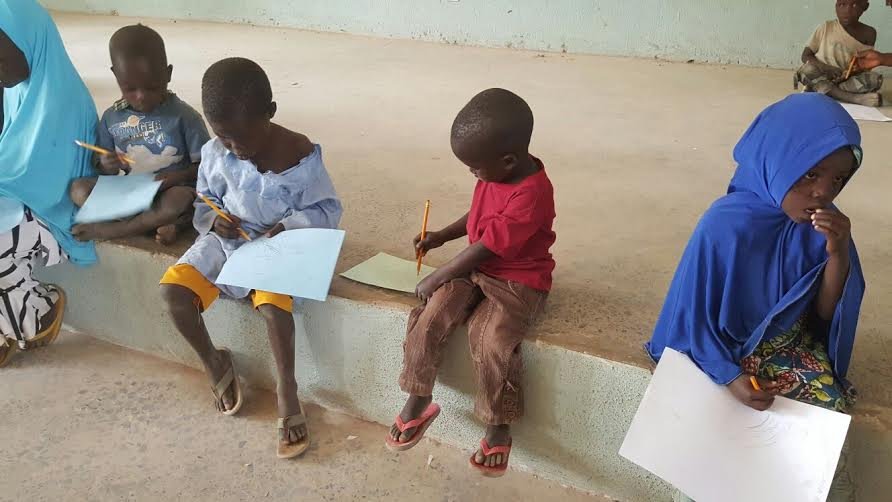
The location of the settlement is actually just partially constructed buildings in an area isolated from neighbors and behind a locked gate. The owner of the building visits periodically and threatens to evict them, but that hasn’t happened yet. There are currently two rooms which have been improvised to be classrooms, and there are no formally trained or educated teachers. Volunteer youth amongst the population are teaching the younger children.
There is currently no source of livelihood within the settlement. The women currently have no marketable skills, although some are familiar with the use of henna for medicinal purposes. However, leadership will support entrepreneurship training by providing for skills transfer by women from other settlements/camps who have received training. Even with training, entrepreneurship mentoring and seed funding is lacking. Youth depend upon non-routine motorcycle riding to ferry for income.
The IDPs of Apo are depressed most of the time. They get excited when relief workers arrive, but fall back into depression after they leave, especially when food is in short supply. They also fear eviction and uncertainty of where they will go if evicted.
INITIAL ASSESSMENT & CHALLENGES
The residents of Apo have endured especially brutal attacks; months of wandering before arriving at this make-shift settlement, starvation, disease, lack of clean water, lack of education, boredom, depression, and other issues not yet assessed. It is likely that lack pf proper hygiene, emotional trauma, and sexual promiscuity amongst the youth (possible STD’s) are also present. They were first victimized by the attacks and continue to be victimized by their continuing conditions. It is highly likely there are many undiagnosed psychological and physical health issues which are not addressed due to the lack of resources. The need for the basic survival necessities is great and not met with any dependability. Without psychosocial intervention, education and entrepreneurship opportunities, early death, poverty, corruption and violence are sure to perpetuate into future generations. Any programs introduced must also include our participating in and helping to sponsor a feeding program. All our programs must be sustainable and the participants must be able to depend upon us following through with promises of follow on assistance and mentorship.
PROGRAM DESIGN - Suggested Programs for Apo
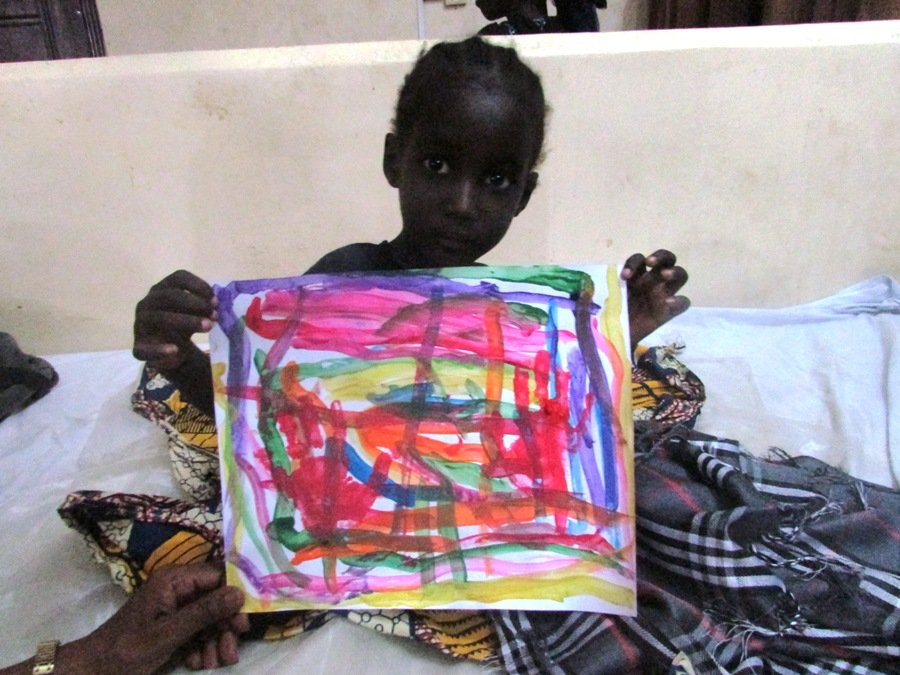
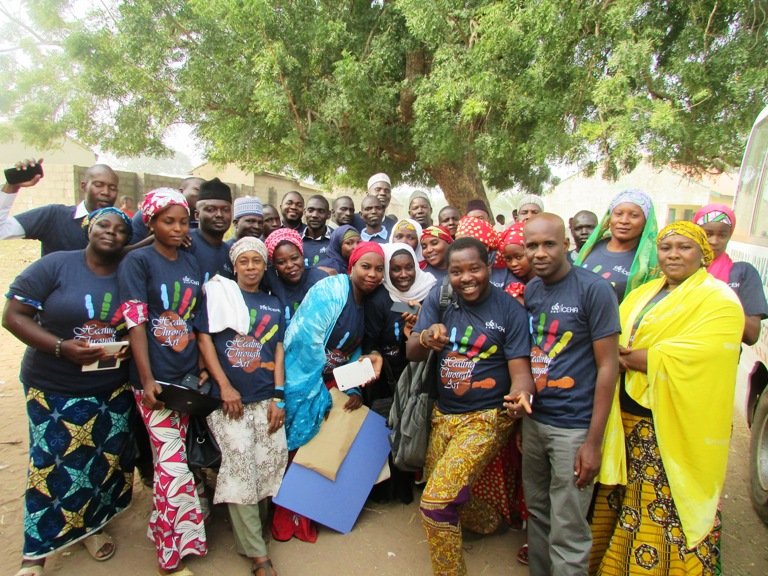
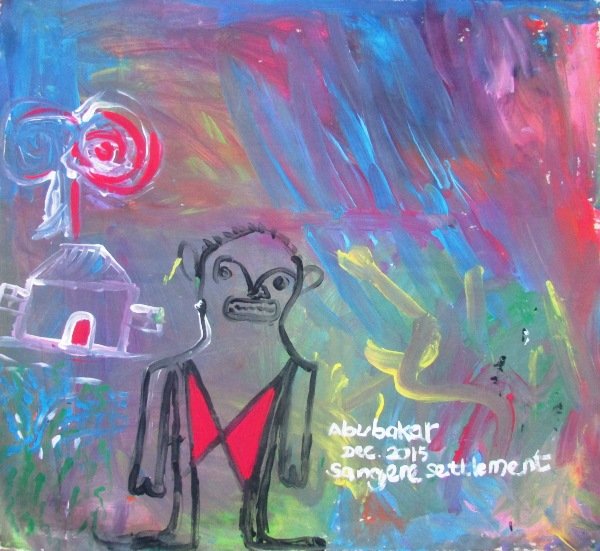
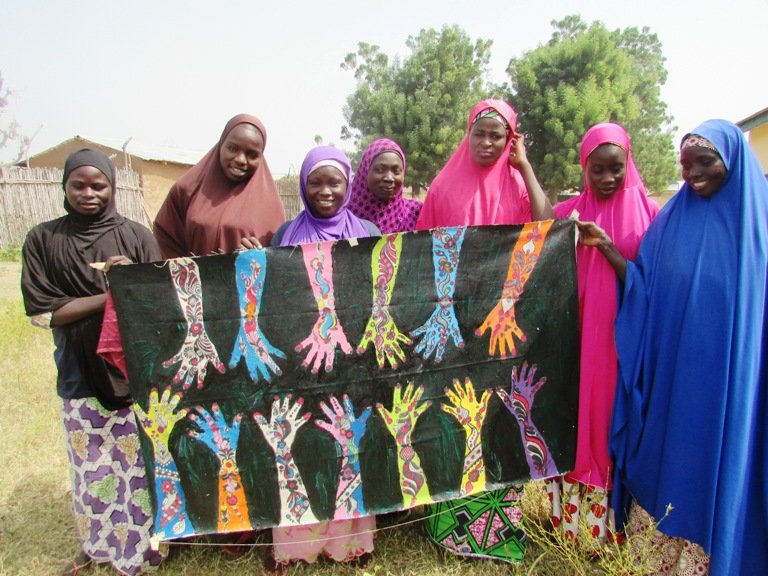
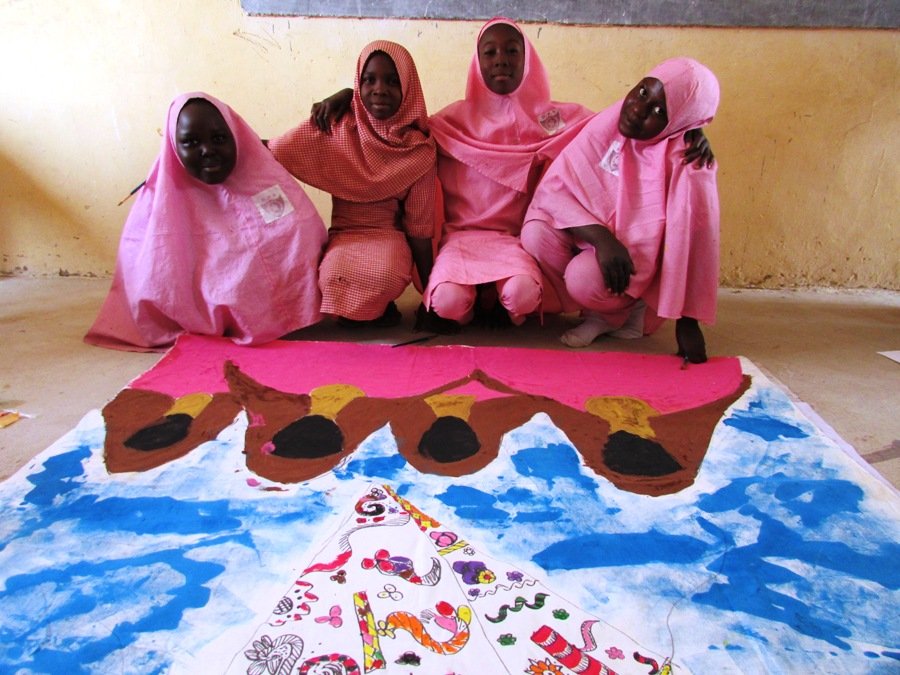
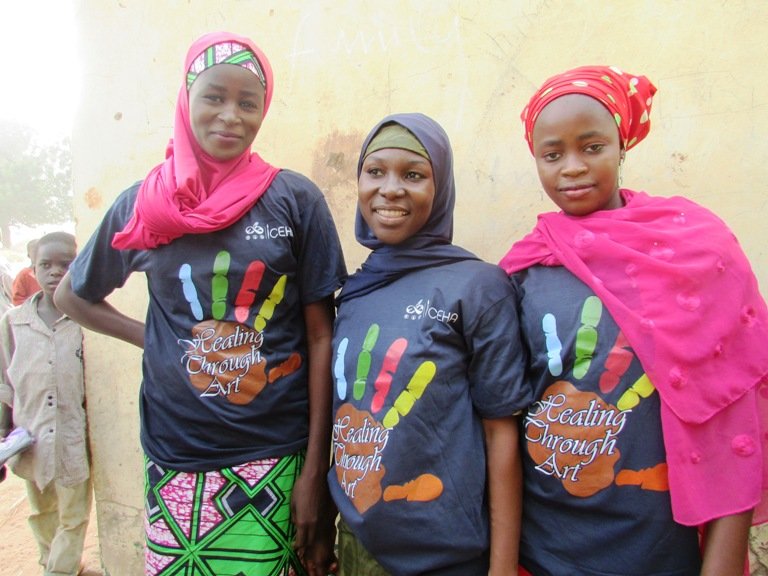
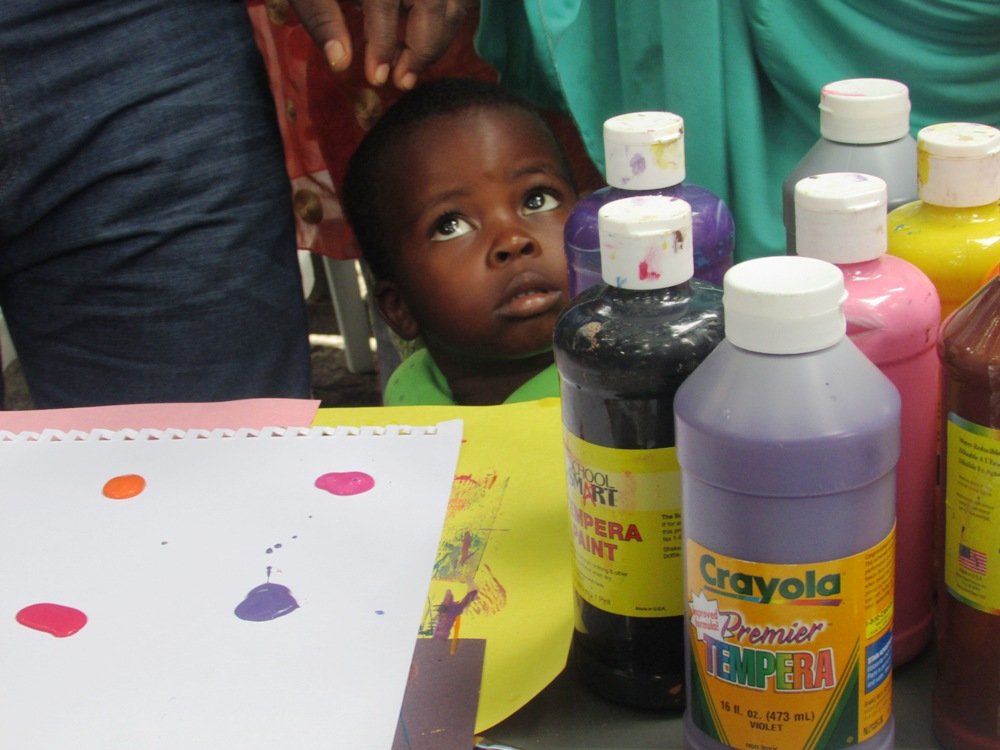
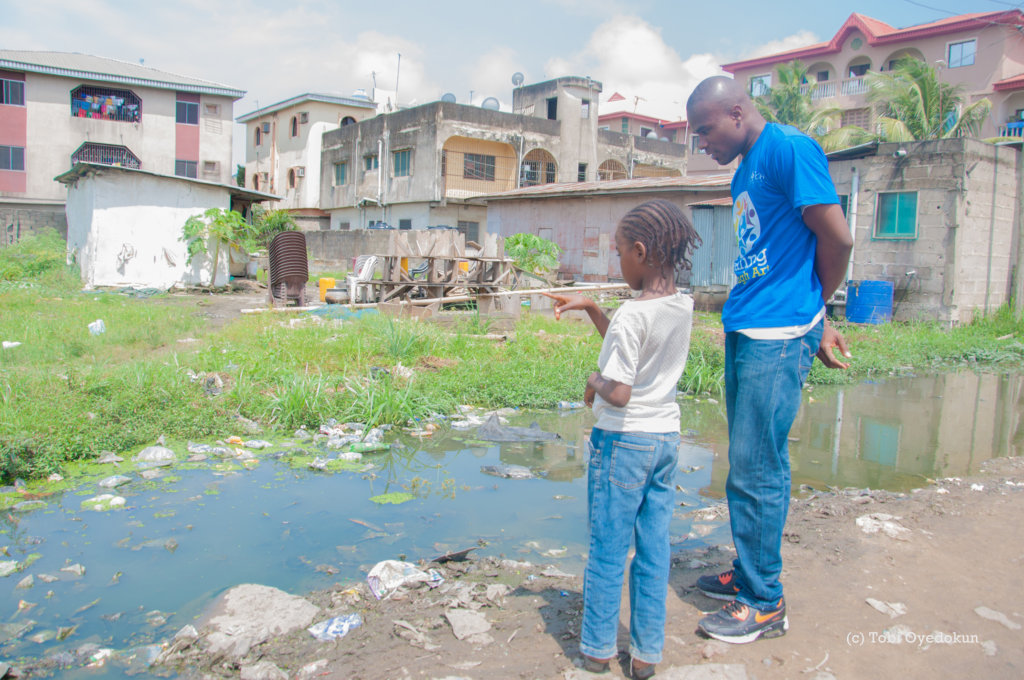
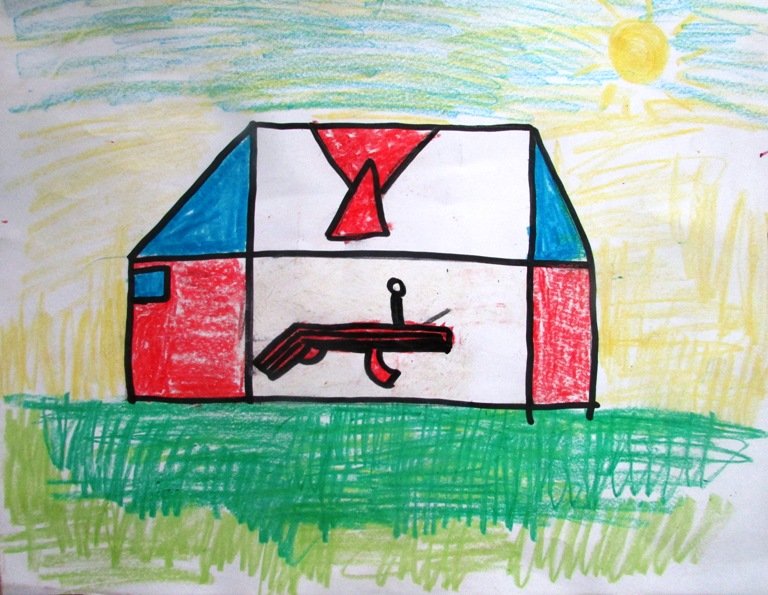
Healing Through ART
Emotional assessments & healing
Village design and assessment for kids
Empowerment & Entrepreneurship
Henna art
Hat makinG
Tailoring
Soap/bleach making
Animal husbandrY
Patio farming
Basic business management
Visual arts
Weaving
Coordination for skills sharing from other settlements/camps
3000 Teachers Training
Training for volunteer teachers
Global Classroom Initiative (GCI)
School supplies & teacher stipends
Thanks to your imcestment in these children, we are able to help them create their own sustainable and happy lives.
I will be sure to take lots of pictures and videos to share with you!
Thank you again for your support!
Project reports on GlobalGiving are posted directly to globalgiving.org by Project Leaders as they are completed, generally every 3-4 months. To protect the integrity of these documents, GlobalGiving does not alter them; therefore you may find some language or formatting issues.
If you donate to this project or have donated to this project, you can receive an email when this project posts a report. You can also subscribe for reports without donating.