By Dr. Mona El-Farra | MECA Project Director, Gaza
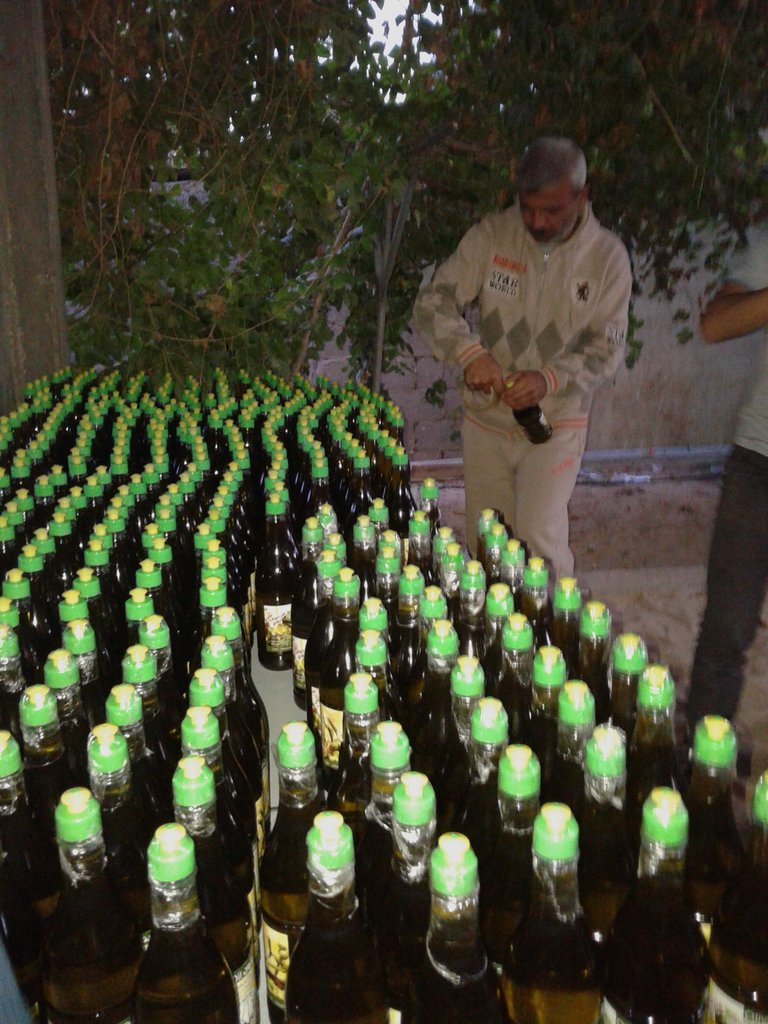
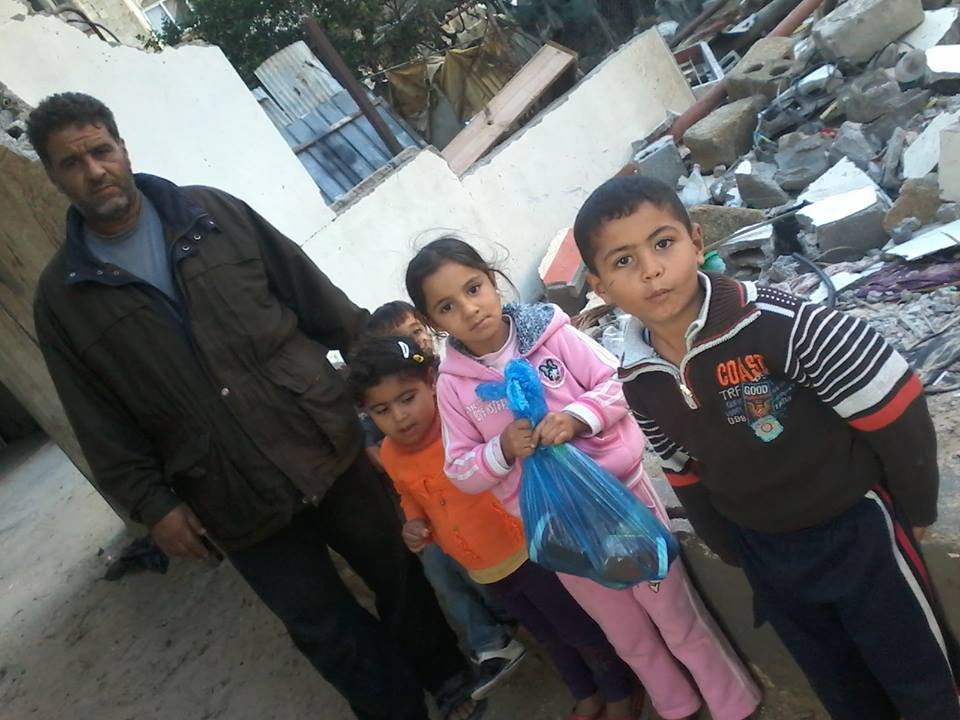
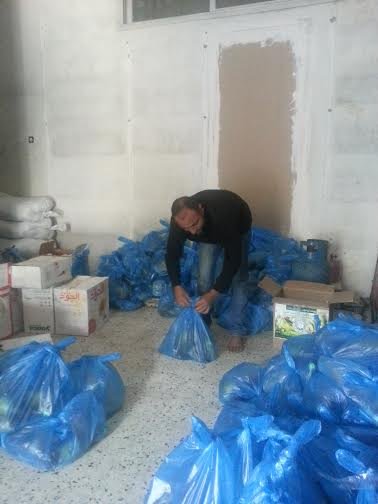
400 Palestinian families in Gaza are receiving food packages made up of agricultural products produced in Gaza, thanks to the Middle East Children’s Alliance (MECA) and Gaza’s Ark international solidarity network.
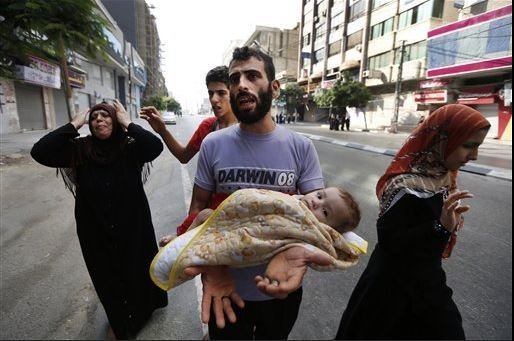
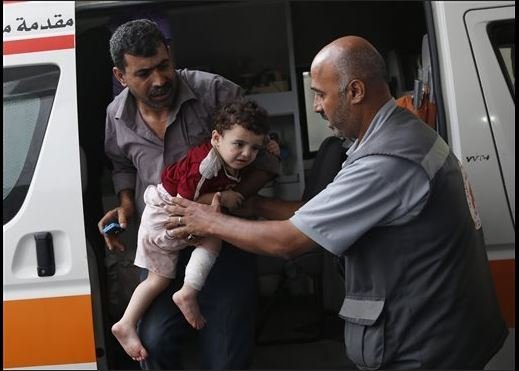
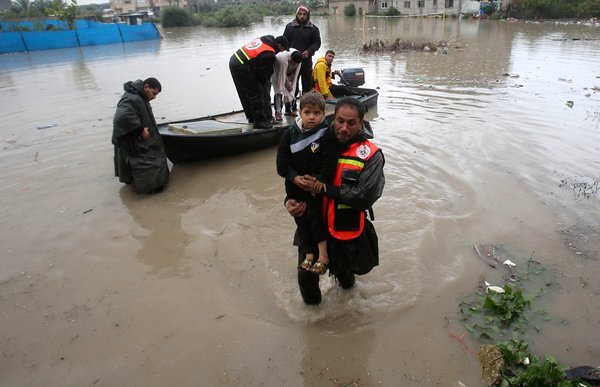
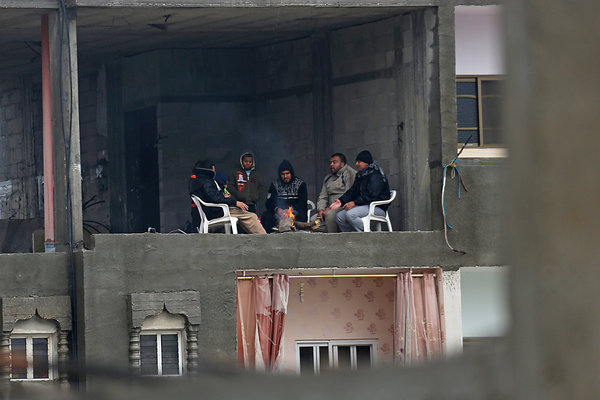
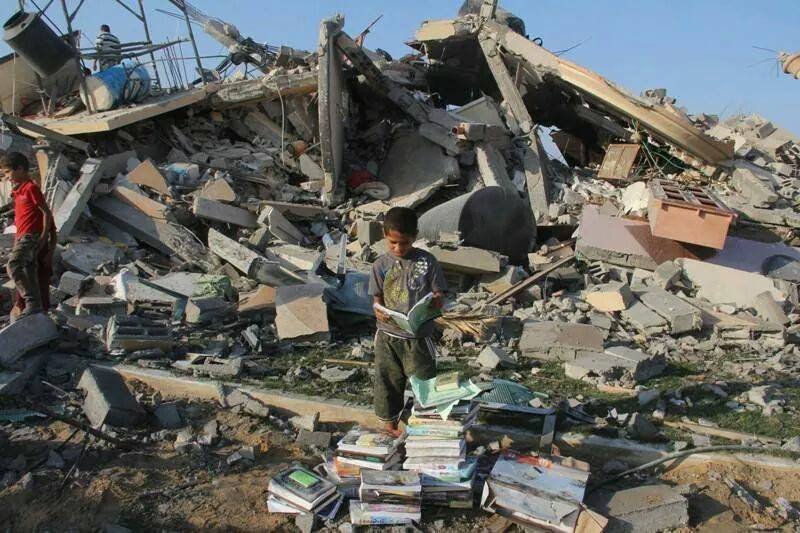
Israel’s 51 days of attacks on Gaza this past summer killed more than 2000 people, destroyed thousands of homes and apartments, damaged 75 hospitals and clinics, and caused millions of dollars of damage to farmland and civilian infrastructure. Currently more than 100,000 people in Gaza are displaced and an alarming 72% of households are considered food insecure by the UN Office for the Coordination of Humanitarian Affairs.
Your support provided the transportation, communication, and storage rental that made this distribution possible.
Solidarity not charity
This food distribution includes locally produced food products thereby directly benefitting both the local economy and families in need. Unlike goods which are brought from outside Gaza, this distribution is not subject to permits or authorizations from the Israeli occupation, nor on the ‘charity’ of aid organizations.
MECA is distributing the food packages to 400 families throughout Gaza who are food insecure. The distribution mobilizes and empowers grassroots organizations and local volunteers in Gaza to help their communities. MECA partner organizations in Jabalia, Khan Younis, Nuseirat, and Gaza City are assisting in identifying families who are in need and have been overlooked by larger aid efforts.
“This is an innovative and positive example of how people around the world can work in partnership to support Gaza,” says Dr. Mona El-Farra, a physician, activist, and Gaza Project Director for the Middle East Children’s Alliance. “Through this small aid effort, we are helping the local producers as well as needy families in Gaza. These families have been impoverished by decades of occupation and years of a tight blockade; many were also hit savagely by the latest Israeli offensive.”
This humanitarian relief helps support Palestinian farmers and agricultural cooperatives throughout the Gaza Strip who have been paid $14,000 for their maftoul (couscous), date products like awja, debes and makhtom, spice mixes of dugga and za’atar which are used in traditional Palestinian breakfasts, as well as honey and olive oil.
“The Gaza’s Ark project has helped Palestinian women’s co-operatives and eight local associations by making solidarity sales and promoting their products outside of Gaza's borders,” said Awni Farhat, products and endorsements coordinator for Gaza’s Ark.
Salma Abu Mostafa from Abbassan Women’s Cooperative for Medicinal Herbs, one of the producers of the food products, added: “This project helped 67 women who work on their farms in the village of Abbassan to earn a bit of income and empower themselves in the community.”
Gaza’s Ark supporters from Europe, Canada, US and Australia paid for the food as part of an international solidarity campaign aimed at challenging the illegal blockade of Gaza. Individuals and organizations placed orders from Palestinian producers in Gaza and a fishing boat was being rebuilt in the port of Gaza to carry these exports to international markets. The boat was struck by Israeli shelling in July 2014 and destroyed along with thousands of Palestinian homes and other civilian structures. This attack put an end to the plans to sail against the blockade this year, but the international buyers agreed to donate the foodstuffs, originally purchased for export via Gaza’s Ark, to humanitarian relief efforts in Gaza.
Project reports on GlobalGiving are posted directly to globalgiving.org by Project Leaders as they are completed, generally every 3-4 months. To protect the integrity of these documents, GlobalGiving does not alter them; therefore you may find some language or formatting issues.
If you donate to this project or have donated to this project, you can receive an email when this project posts a report. You can also subscribe for reports without donating.