By Amita Naigaonkar | Manager: Resource Mobilization & Donor Service
Dear donors,
Warm greetings!
Is it not boring to just sit back and read about science? Children never like rote learning. How about making some exciting experiments of learning by doing?
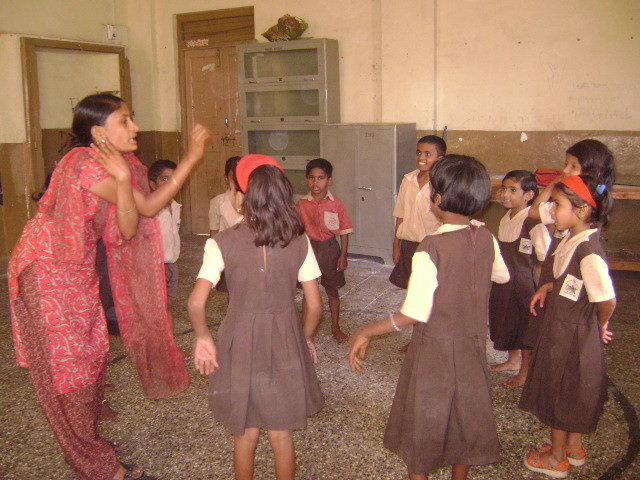
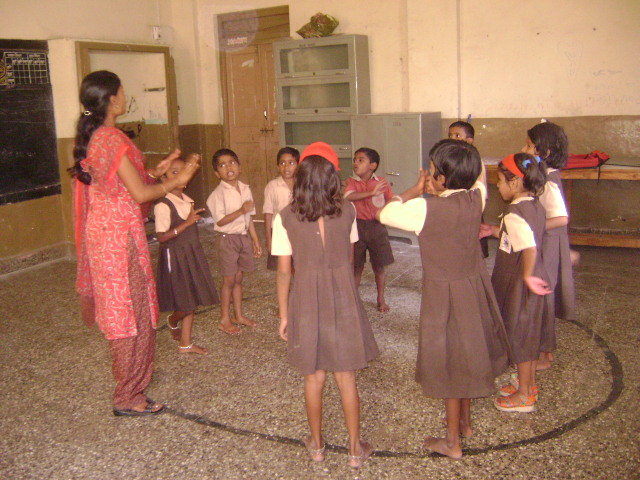
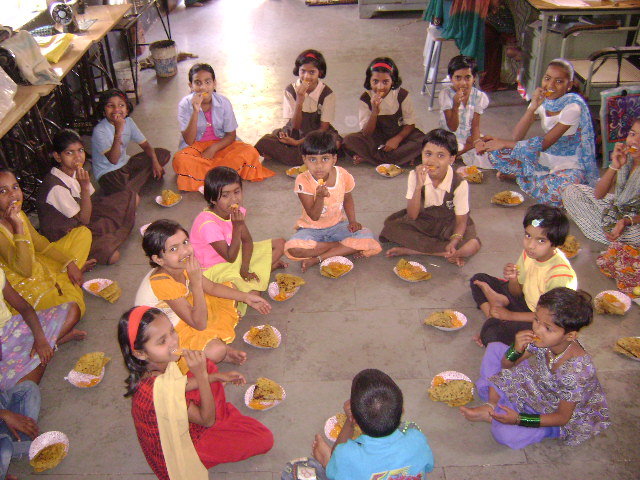
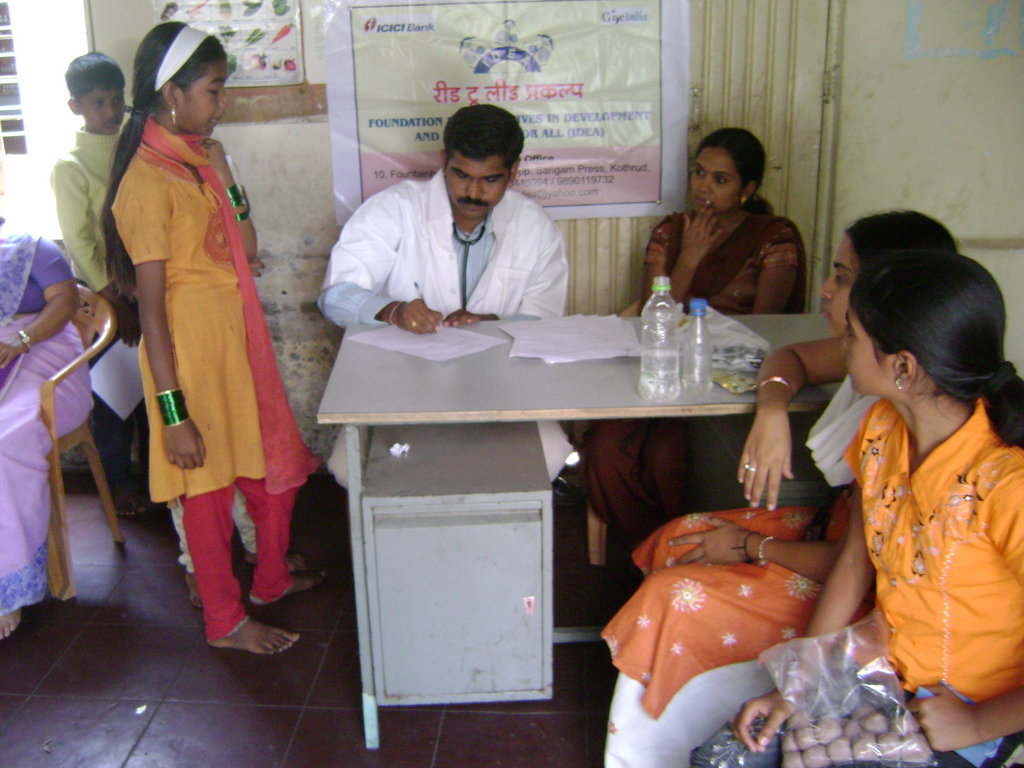
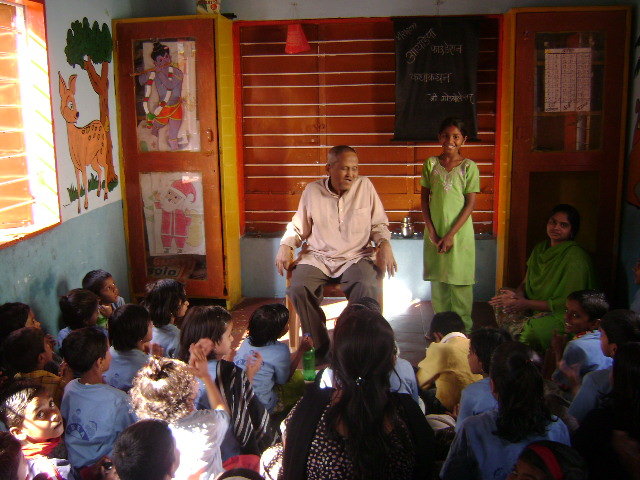
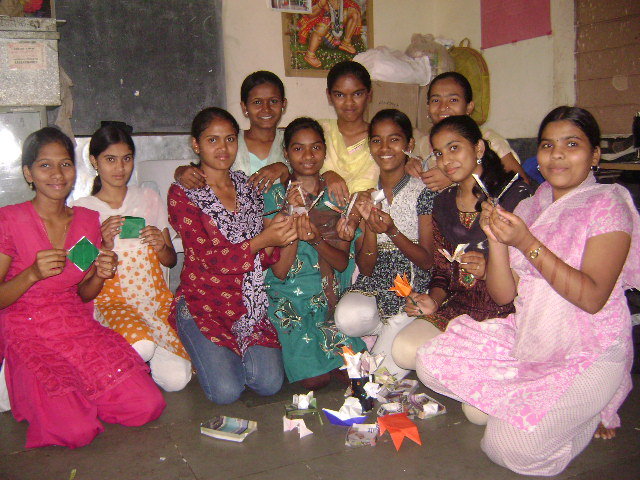
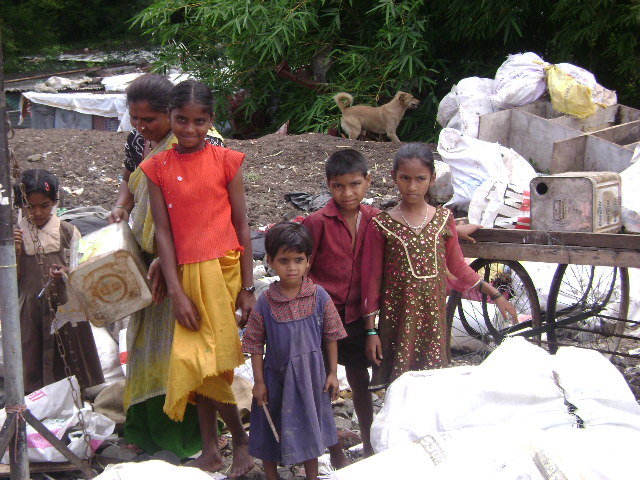
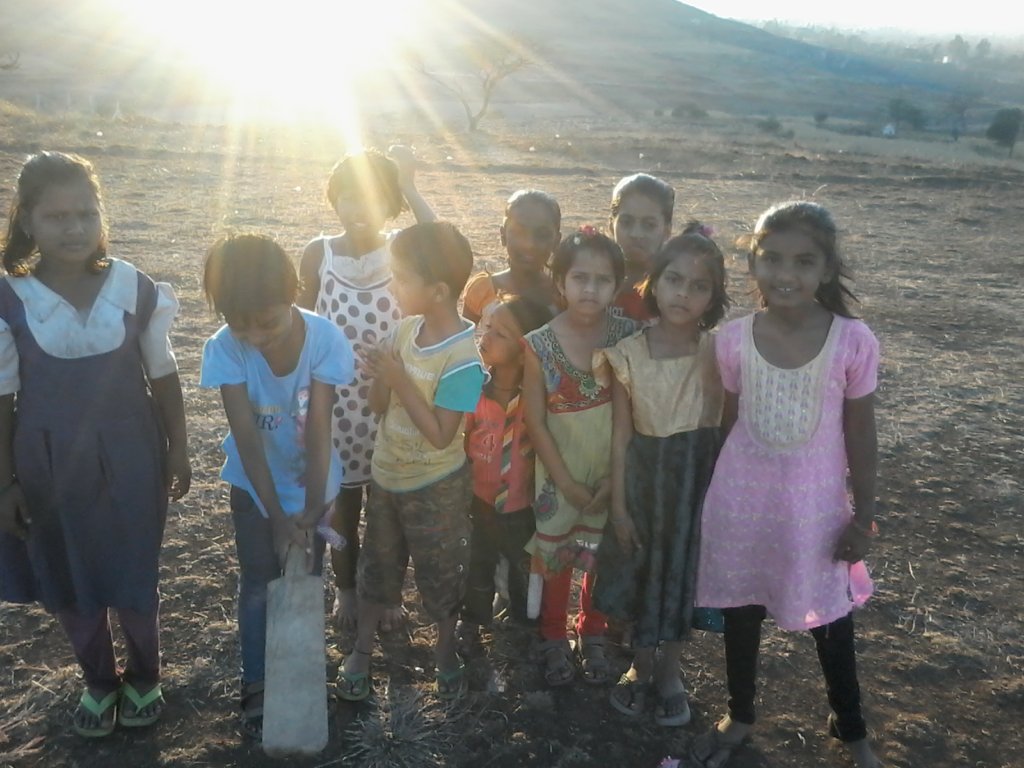
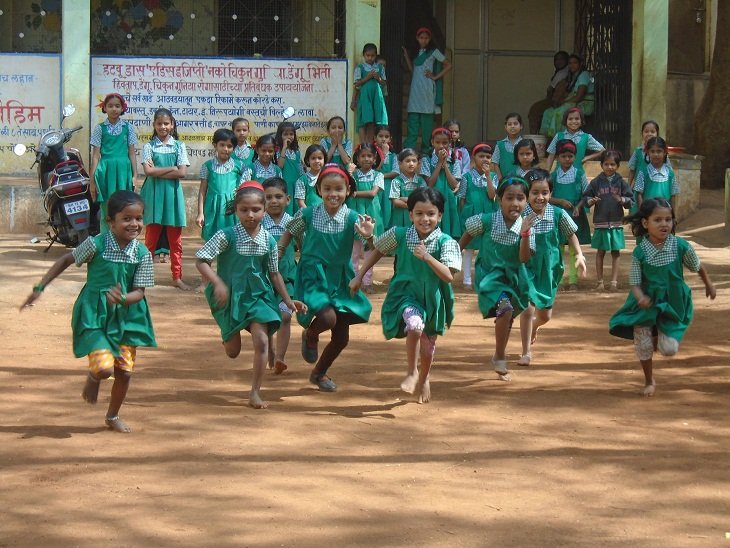
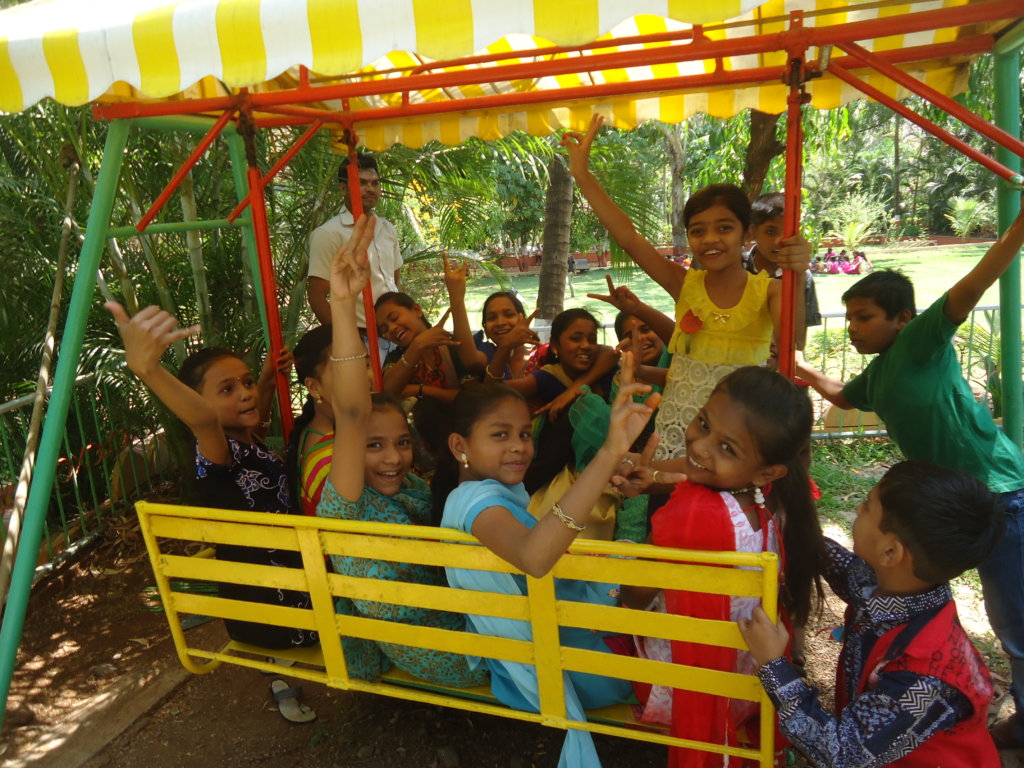
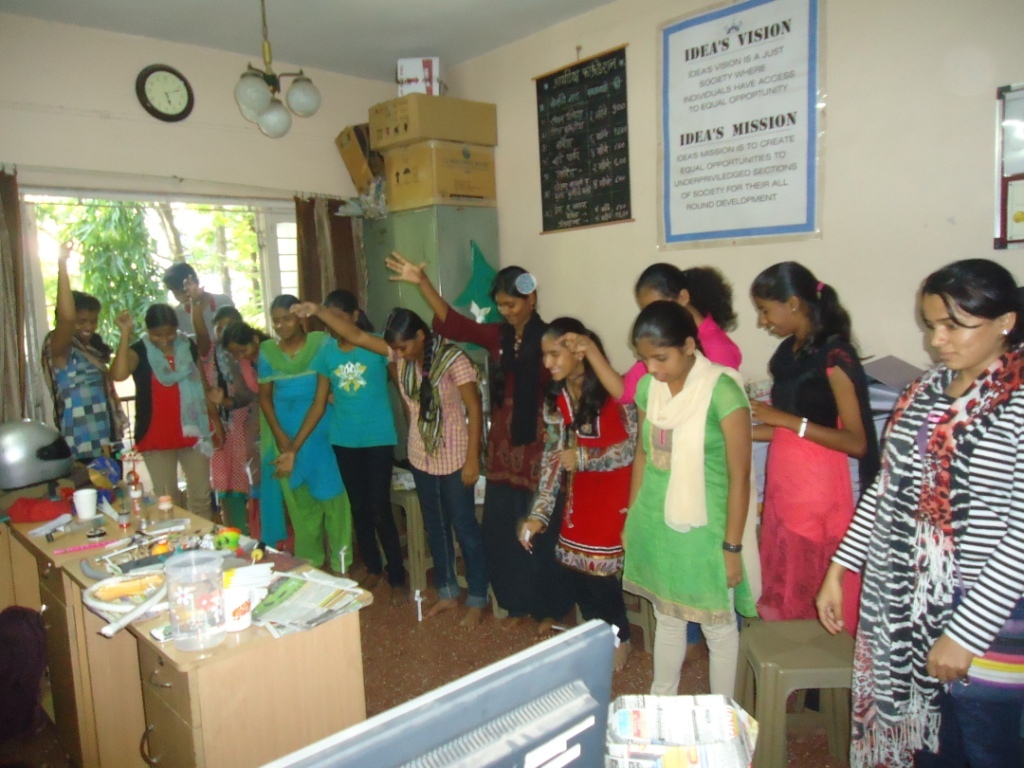
IDEA tries to provide a wide range of exposure to children through practical experiences. Many experts, resource persons, volunteers and friends involve in such activities. But due to limited resources, we often train active and energetic youth so that they could pass on the same joy to many other children in various communities. 15 youth came forward to learn simple experiments explaining scientific concepts in a joyful environment.
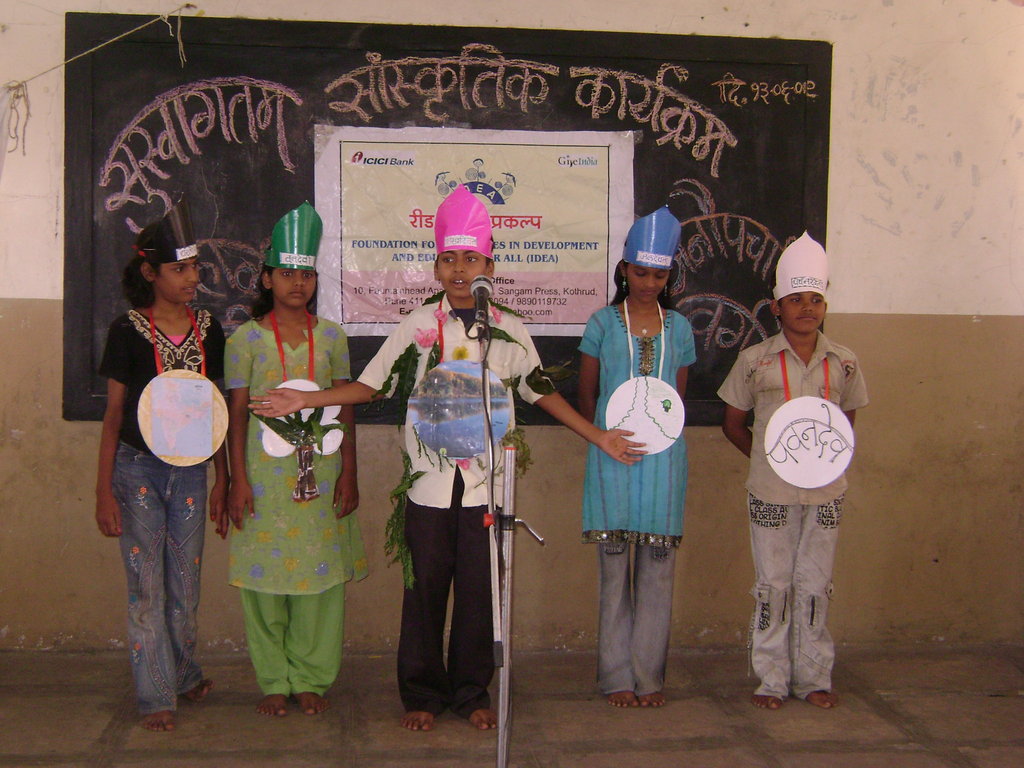
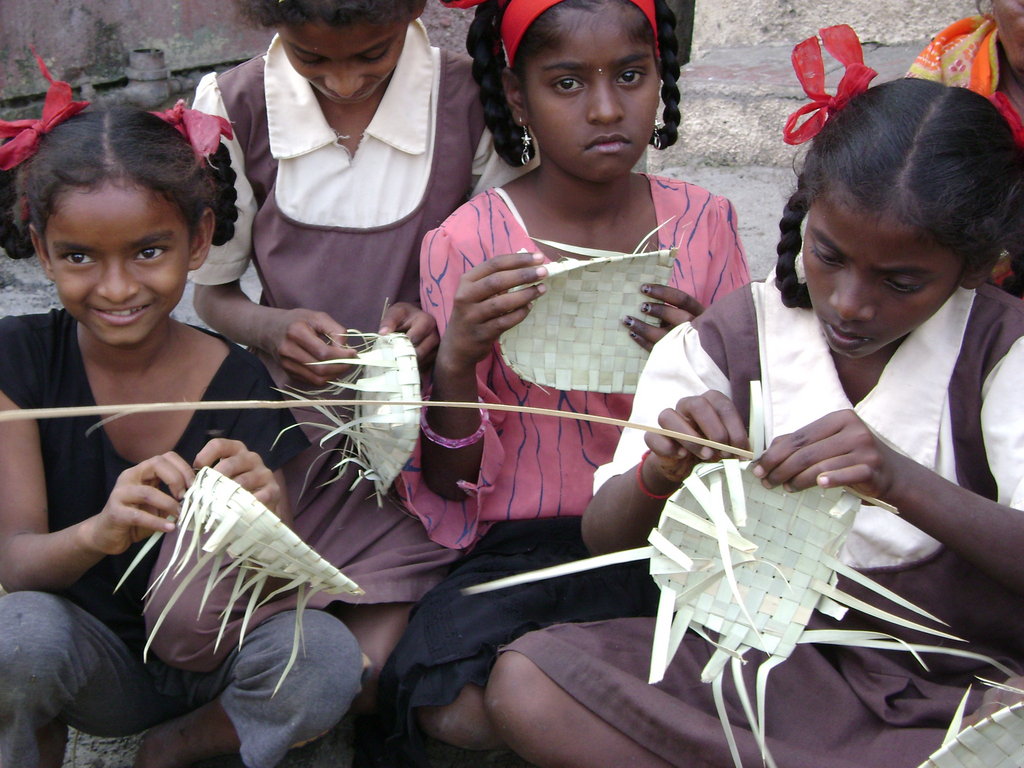
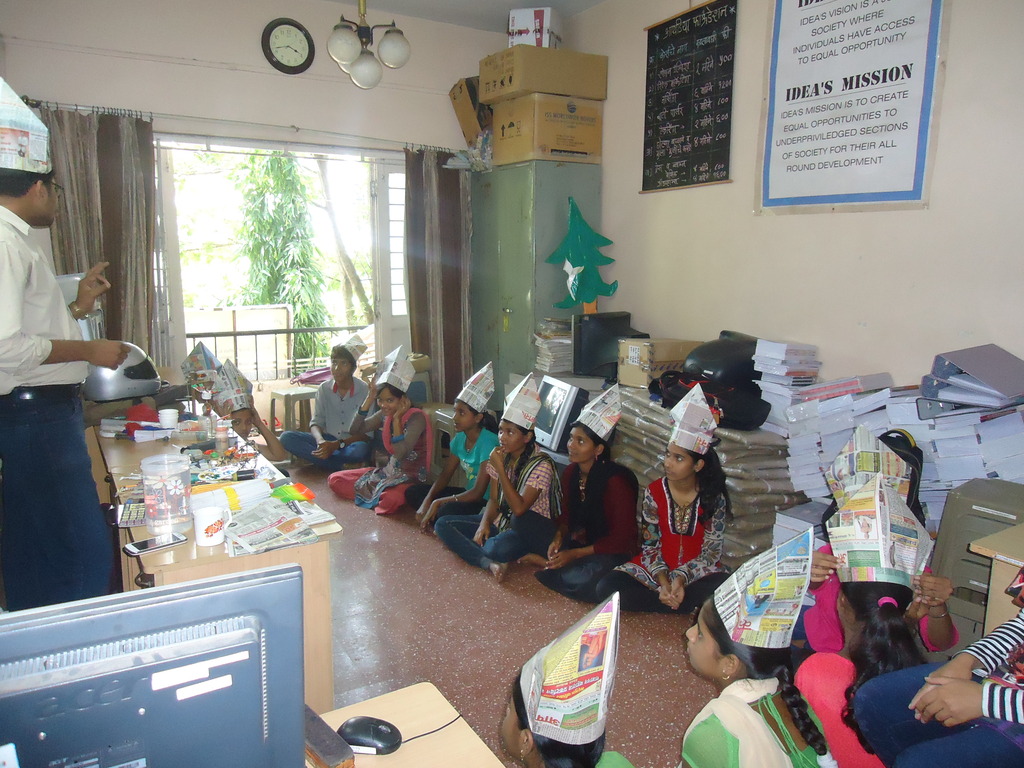
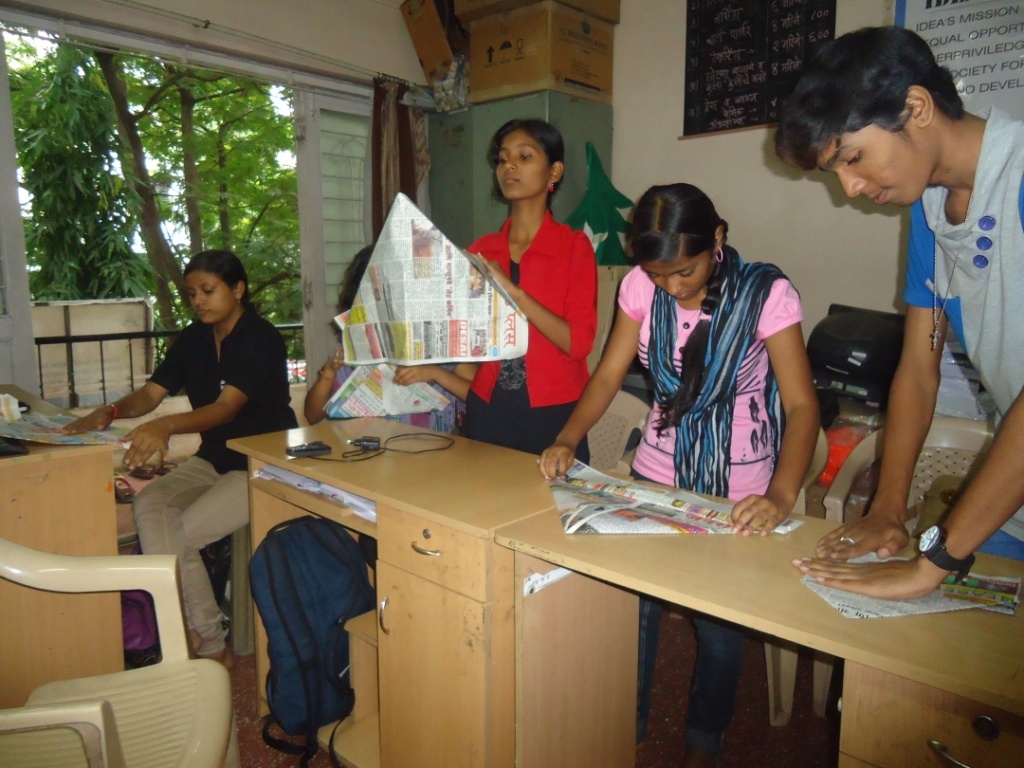
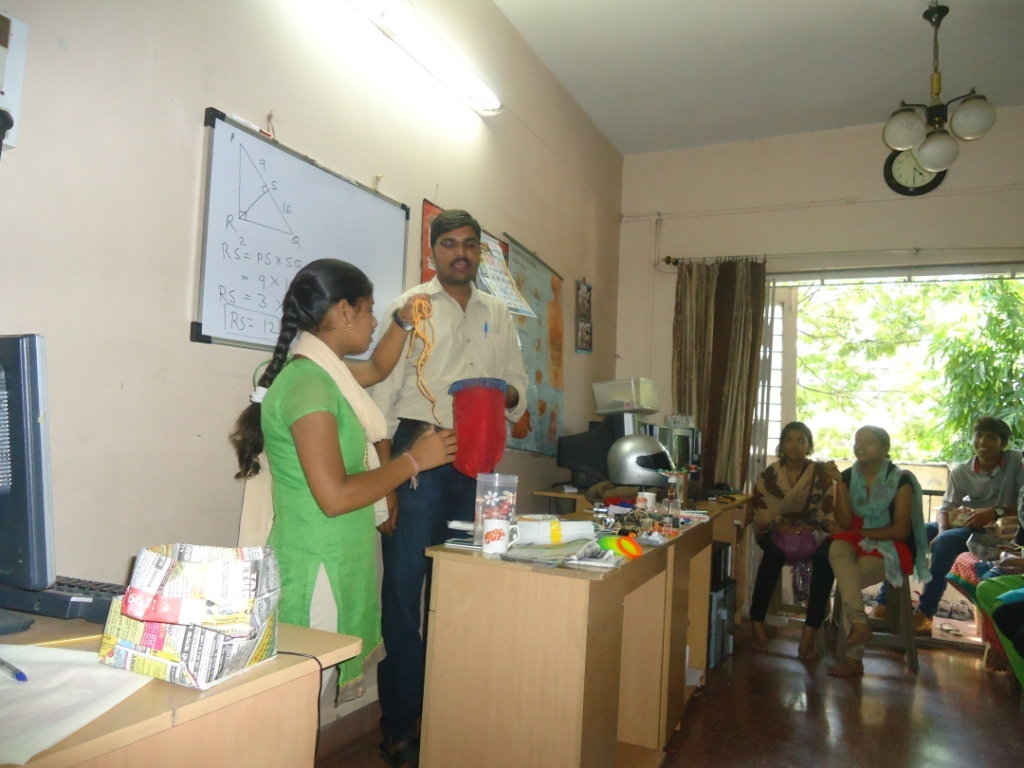
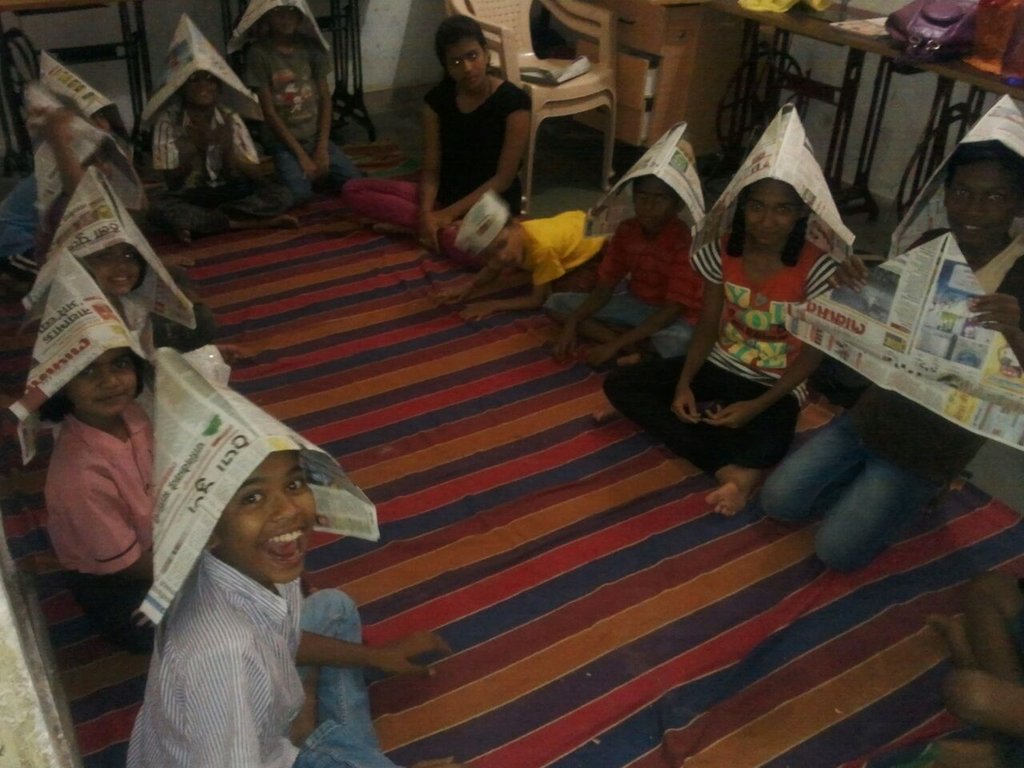
A resource person from IUCAA gave a demonstration on science experiments for the youth associated with us. The exercise started with a story in which the story teller demonstrated making different types of caps from the newspaper. Children made farmer’s cap, chef cap, Gandhi cap, graduation hat, king’s crown, sailor’s cap and finally a gift box. Children were awed to see a demo of a maglev train made of five circular magnets, pencil, discarded sole of a rubber slipper and a compact disc. What fun to make straw sprinkler, matchstick models and a fish from paper! A bulb was lighted by generating electricity through a windmill made out of compact disk and copper wires. Children were thrilled to balance two spoons on the toothpicks and see centre of gravity. Magical flute was made out of plastic straw to learn principles of sound. Understanding science behind magic was very exciting. The first thing children wanted to do after this exercise was to show it to their family and friends.
Every student need not become an engineer or a scientist. But they can at least understand the science behind any object or activity and think scientifically. 6 of them were very excited to act as a resource person and replicate simple experiments for other smaller children. So within a week, we had them together to facilitate their new inning as a teacher. Basic material was given to them and a bunch of these 6 youth conducted a few activities in other 4 slum communities in Pune. Their impression was “Didi (sister), we have become good storytellers and teachers now!”. They also had to do homework to back up their knowledge on science theory.
Children can make these toys themselves. Most of the toys can be made from trash and scrap material like bottles, cardboard, wire, nails, bicycle valve tube, paper, straw and magnets. Such exercises bring innovation in learning basic principles of science. Children had a lot of scope for observation as all the experiments were handy and involved a lot of fun. They could see objects made by each other, discuss loopholes and find a remedy. Most importantly it related them to ‘real life’.
Thanks to Mr. Arvind Gupta, a renowned science educator, who has developed such low-cost science teaching aids using locally available materials. The possibility of using ordinary things for learning science is very appealing for the children, their parents and teachers.
Thank you for your continuous support to let us spread the joy of learning science to the neediest children. We look forward to spread more joy to more children. The final Bonus day of the year is on 16th September. Please donate to keep our activities running.
Project reports on GlobalGiving are posted directly to globalgiving.org by Project Leaders as they are completed, generally every 3-4 months. To protect the integrity of these documents, GlobalGiving does not alter them; therefore you may find some language or formatting issues.
If you donate to this project or have donated to this project, you can receive an email when this project posts a report. You can also subscribe for reports without donating.