By Asha Sharath | Coordinator Donor Relations
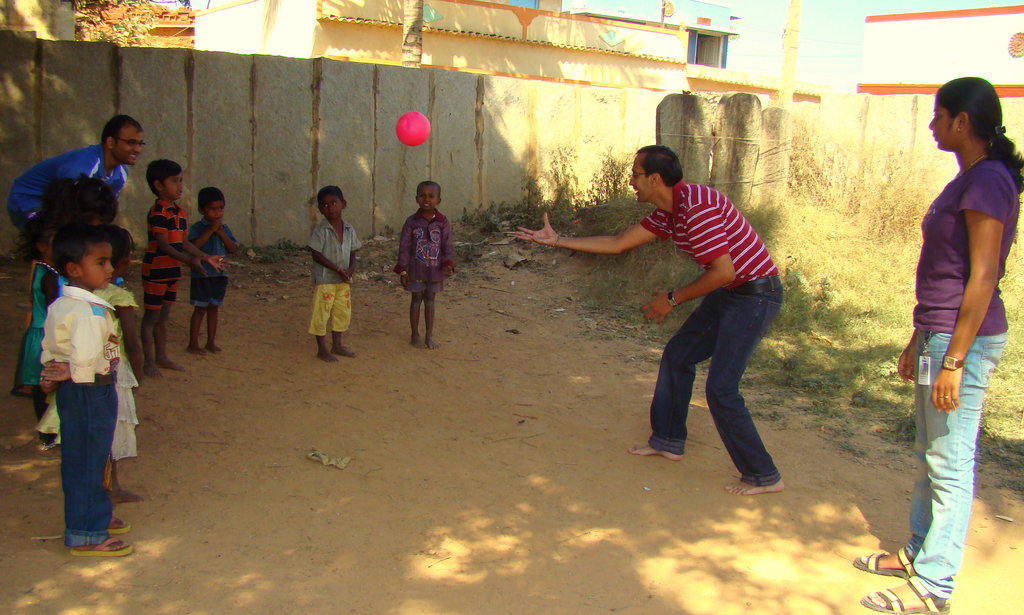
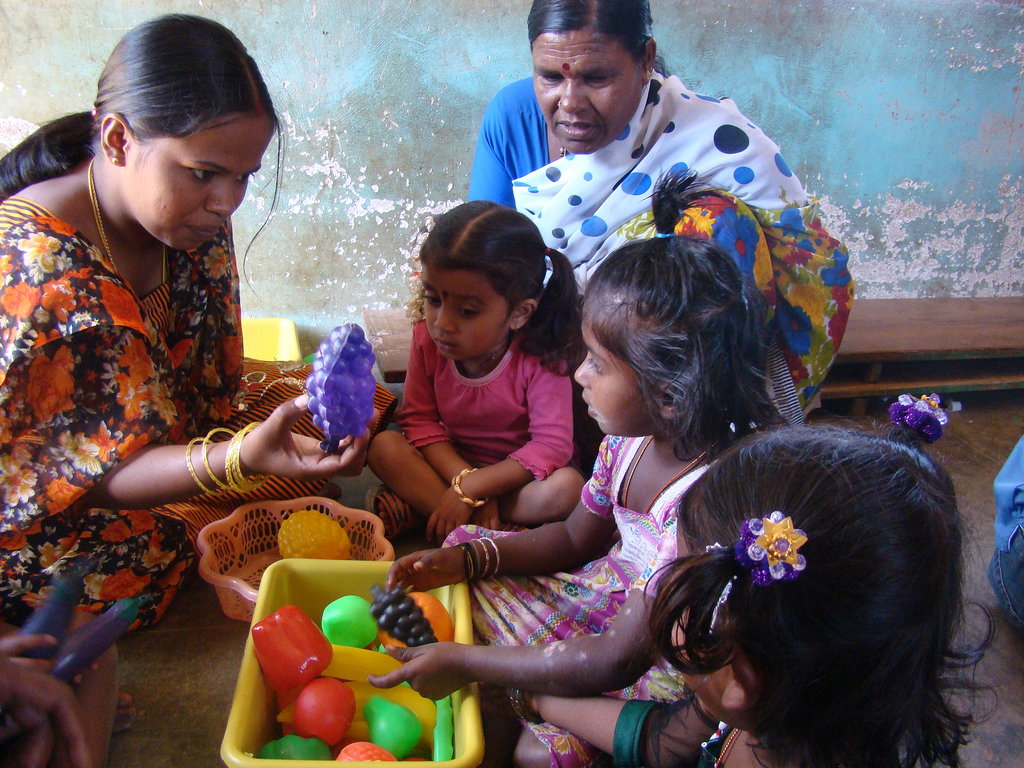
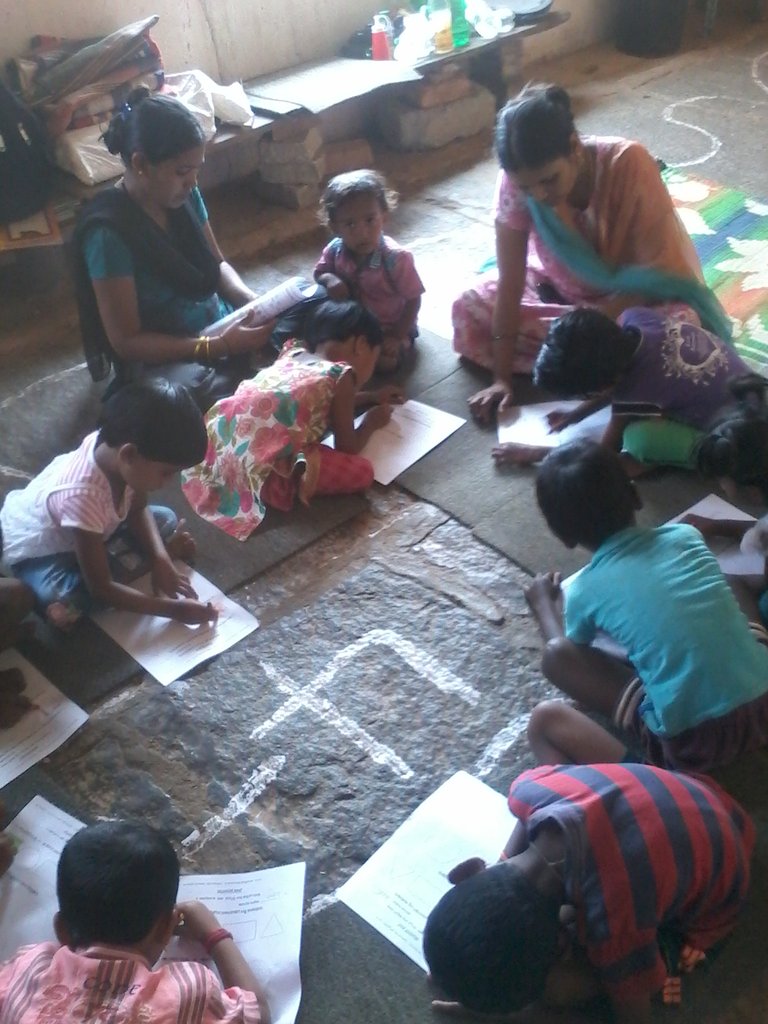
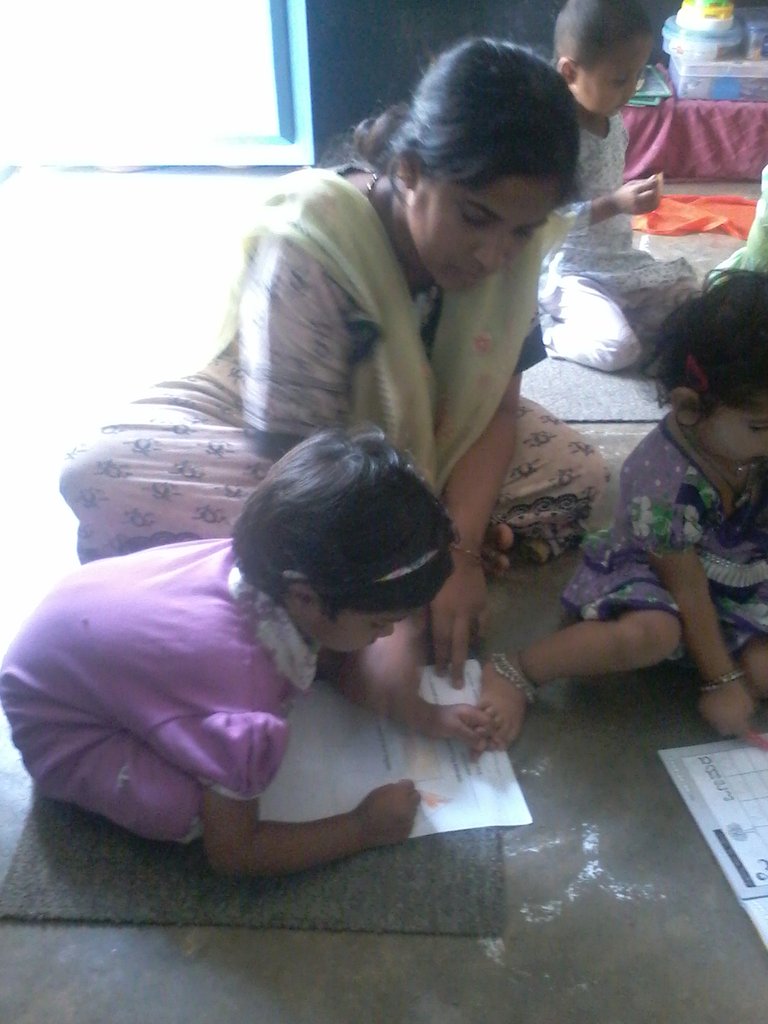
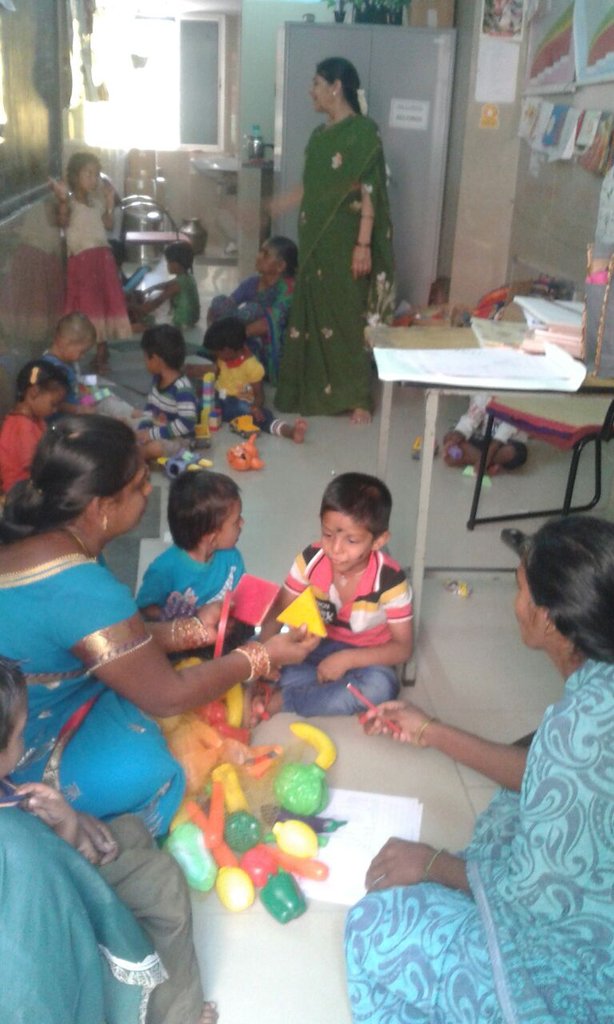
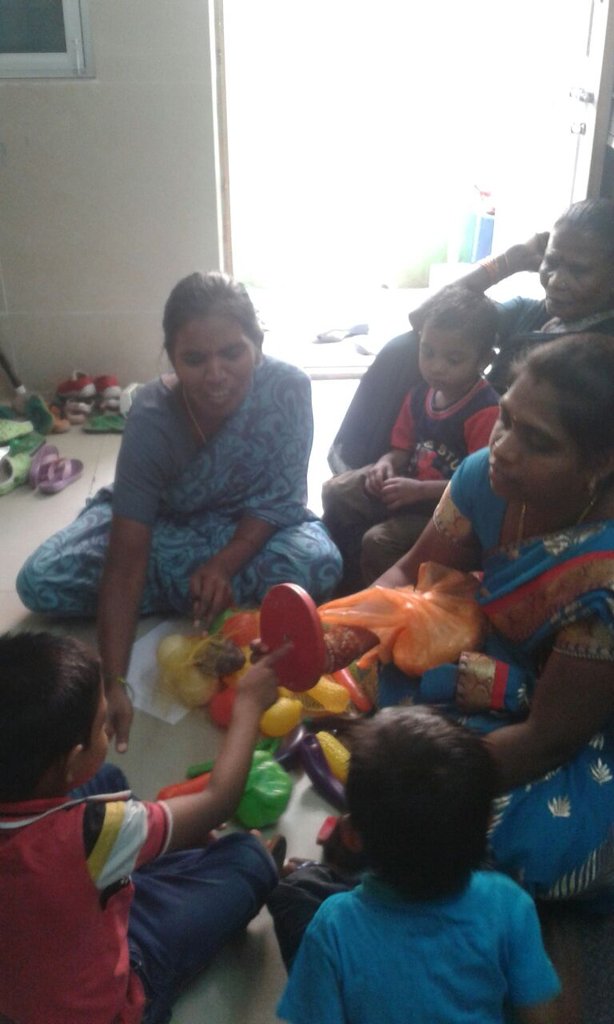
Every year, Akshara Foundation conducts a baseline and an endline assessment to track the progress in learning of the children in the Anganwadis. This year, the assessments were marked by a significant departure from the programme’s tradition. The norm is for anganwadi workers to do the assessments, often assisted by the Akshara’s Field Cordinators. This time Akshara invited mothers to carry them out. For an anganwadi, it was a striking new idea.
The involvement of mothers in an essential programme rite is a precursor to the deeper linkages the community can form with anganwadis. The team believes that if anganwadis have to lift themselves out of lethargy and inefficiency, people must take over the reins to some extent, at least make their presence felt, and above all, exert a ground-up demand for quality improvement.
During the assessments, mothers kept trickling in. 108 of them participated in the 140 Bangalore anganwadis in Akshara’s programme. The team did not expect even this turnout, considering the apathy towards anganwadis, known more for non-performance than anything else, and the general lack of awareness of what constitutes preschool education
The questionnaire is a paradigm the team had specially structured for anganwadi children. It has 52 indicators to test the children in the 2 – 4 age group and 62 for the 4 – 6 age group. Some of the mothers were not too literate and, even though it is not a complicated tool, they could not read, and in some cases when they could, they could not understand it. But the goodwill for the process was strong. When they were out of their depth they stood on the margins, watching with interest and taking it all in.
For the mother’s it was about getting an inch closer to their child’s education. They were surprised that their children were being asked such questions. They had no inkling of what preschool education is all about, that there is this universe of things their children have to know for their age, in keeping with developmental milestones. Buttoning and unbuttoning, for instance, walking in a straight line, pouring water into a jar without spilling, shapes, colours, letters.
Most of the families that send their children to anganwadis come from under-privileged backgrounds. The mothers are mostly daily wage workers and are un-educated. But they really want to educate their children. Through this exercise, the mothers understood what their children should focus on even if they can’t help them out very much. They will atleast now participate by tracking what their children are learning in the anganwadis and how they are progressing.
This is the first step towards a positive change, involving mothers into education!
Links:
Project reports on GlobalGiving are posted directly to globalgiving.org by Project Leaders as they are completed, generally every 3-4 months. To protect the integrity of these documents, GlobalGiving does not alter them; therefore you may find some language or formatting issues.
If you donate to this project or have donated to this project, you can receive an email when this project posts a report. You can also subscribe for reports without donating.