By Asha Sharath | Coordinator, Donor Relations
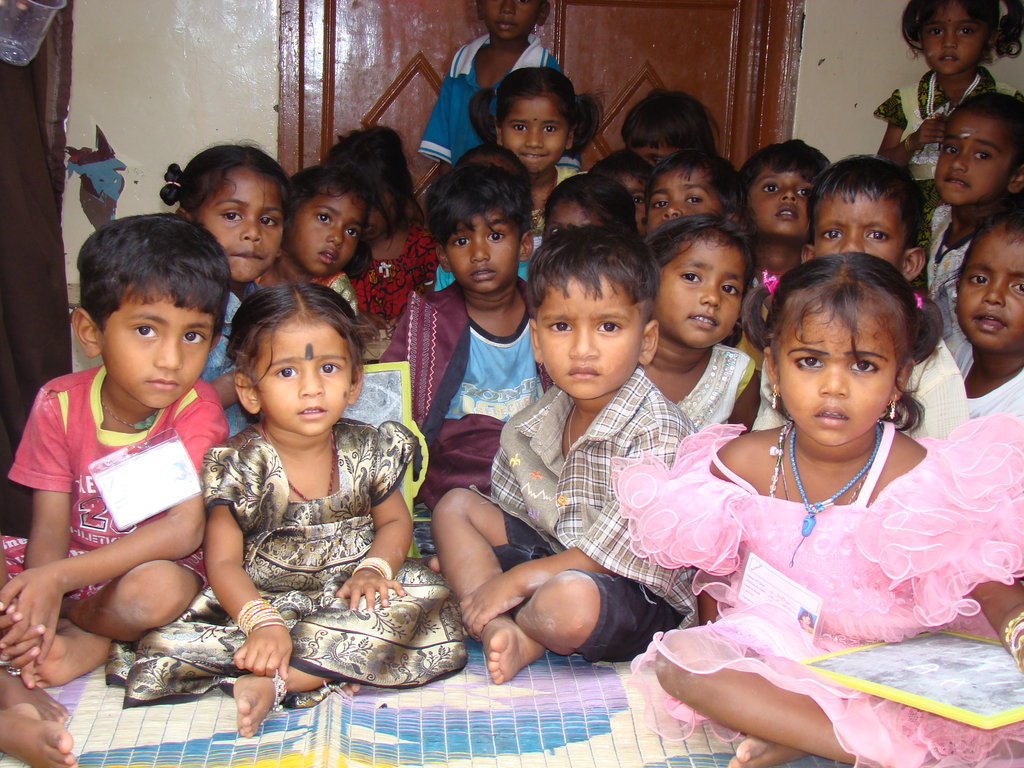
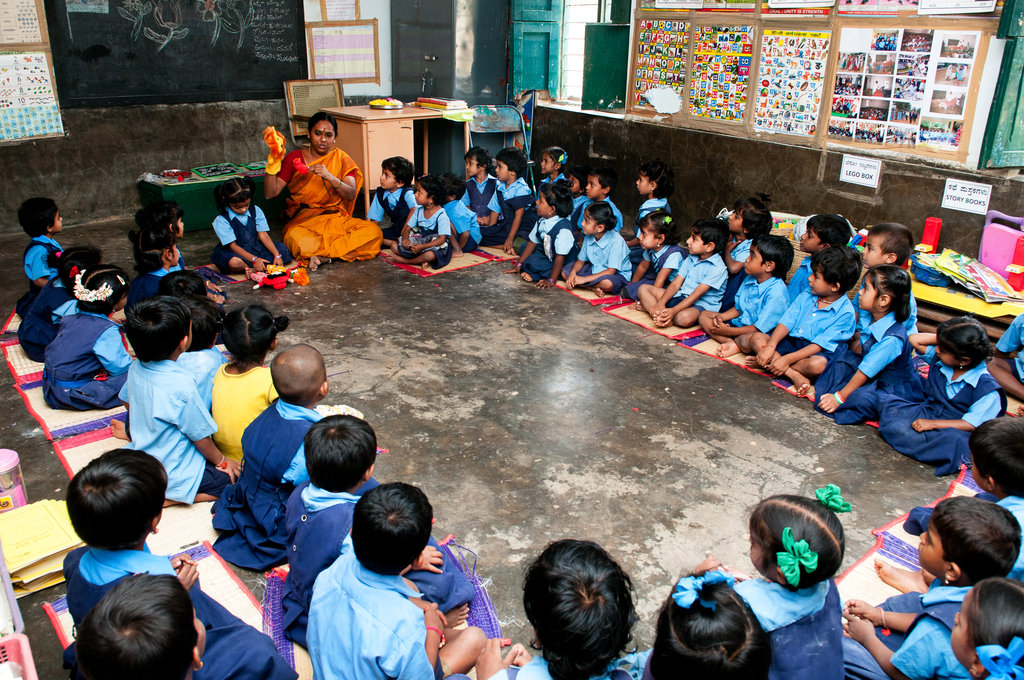
In the current academic year 2014-15, Akshara Foundation developed a set of 30 indicators to measure the status of the anganwadis where its preschool programme is being implemented. The tool aligns with some of the quality parameters specified by the National Curriculum Framework. Some are infrastructure related indicators, some are enablers. In July 2014 Akshara collected data on a host of factors, which included the infrastructure situation and student enrolment. All 140 anganwadis in which Akshara works in Bangalore across 24 ICDS Circles in 6 Projects were assessed. ICDS is the Integrated Child Development Services which functions under the Department of Women and Child Development (DWCD), Government of India, and manages anganwadis.
This is a one-time assessment, a record that the DWCD can make use of. At Akshara it will go into the Karnataka Learning Partnership’s database on anganwadis and schools. Teams will also deploy this powerful tool in ways that can spur constructive action - as leverage with the community and with Bal VikasSamithi (BVS) members in particular, who are the community caretakers of anganwadis.
Presented below is a quick profile of the Bangalore anganwadis:
Physical Condition
Basic Amenities
Hygiene Conditions
Food Hygiene
Children with Special Needs
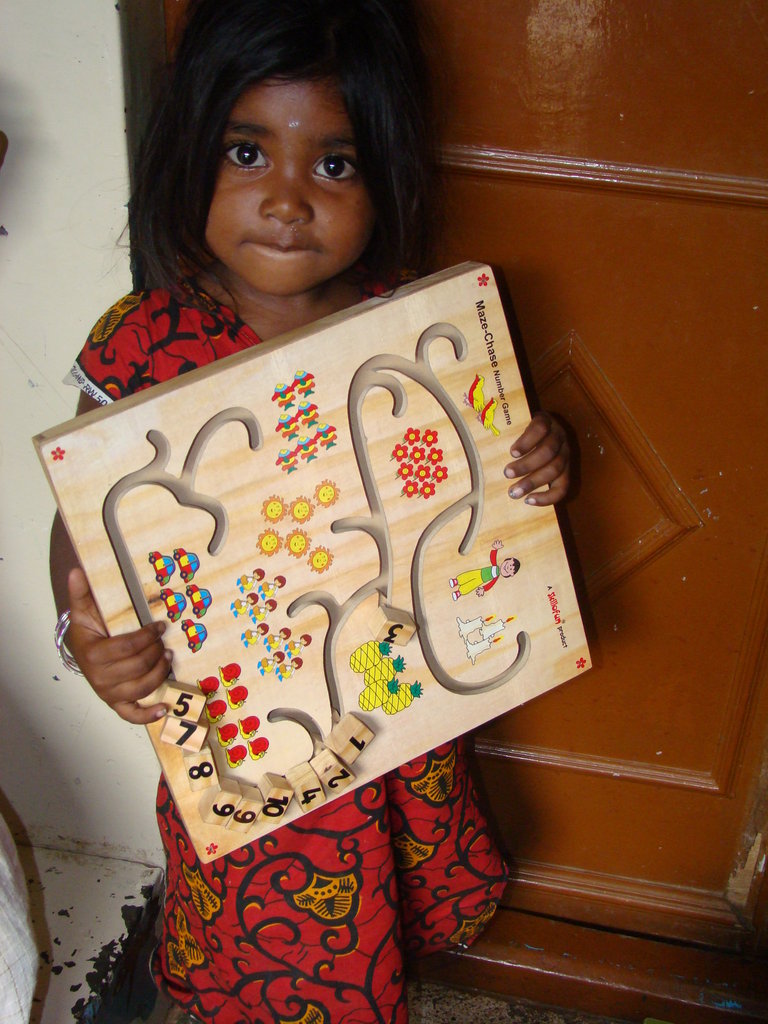
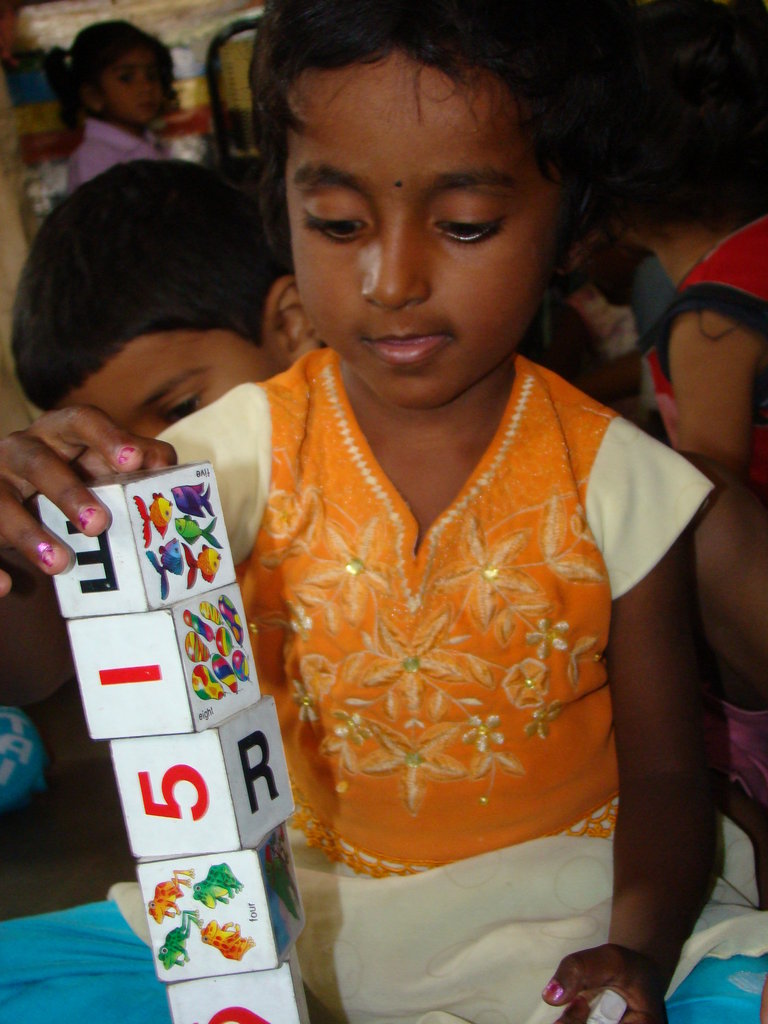
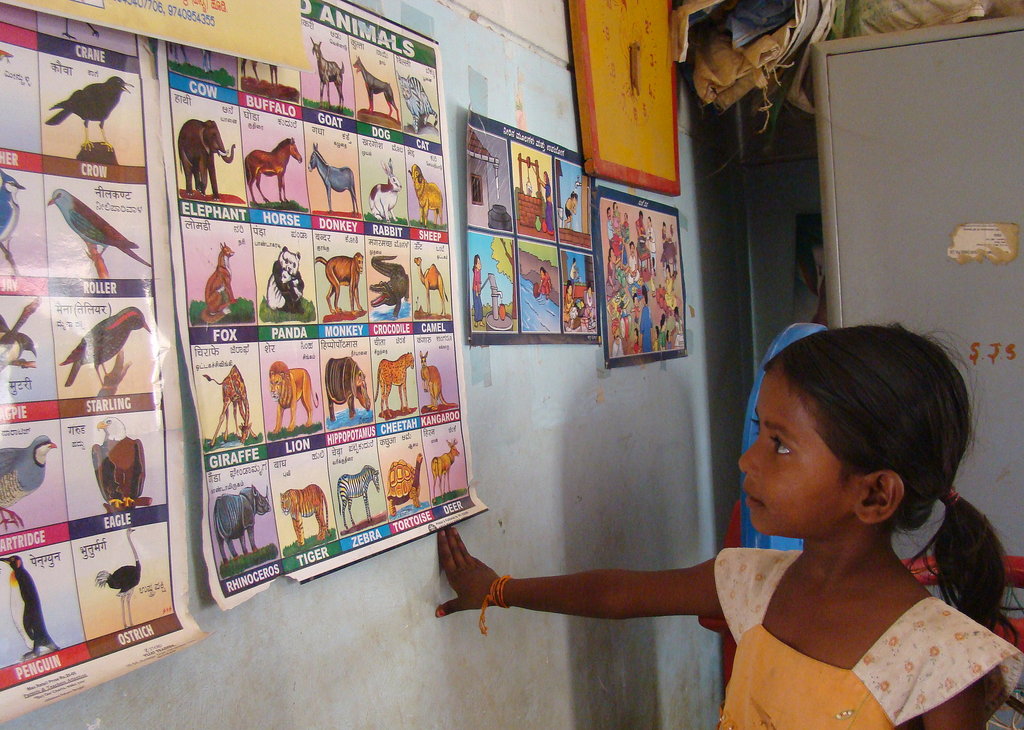
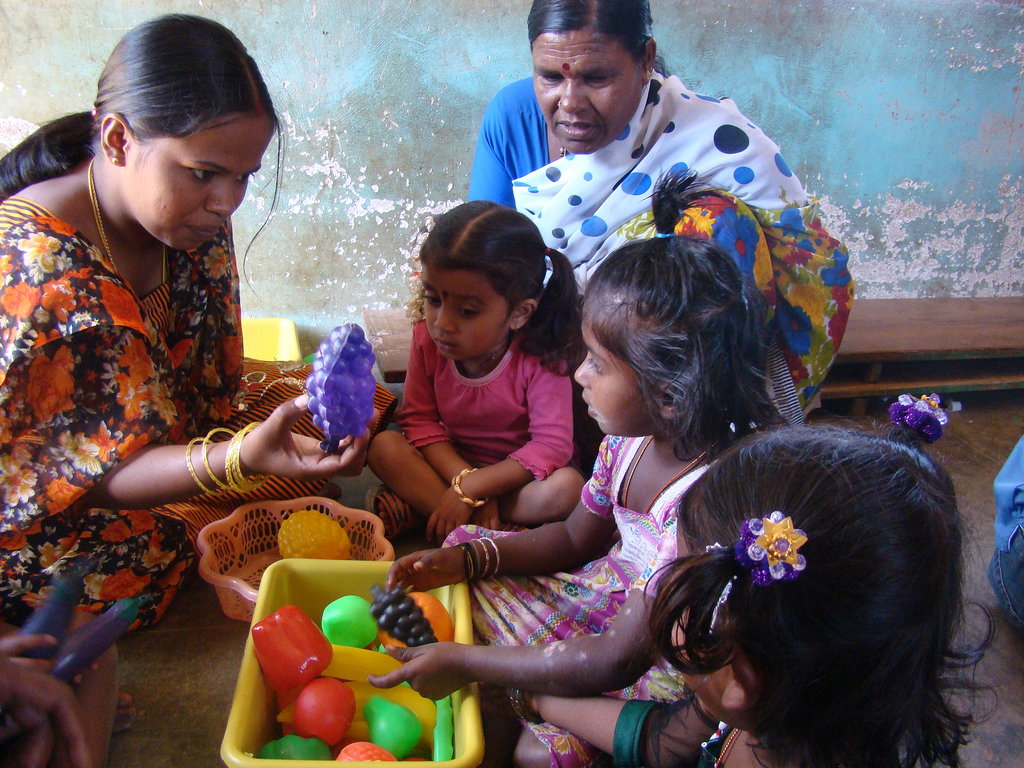
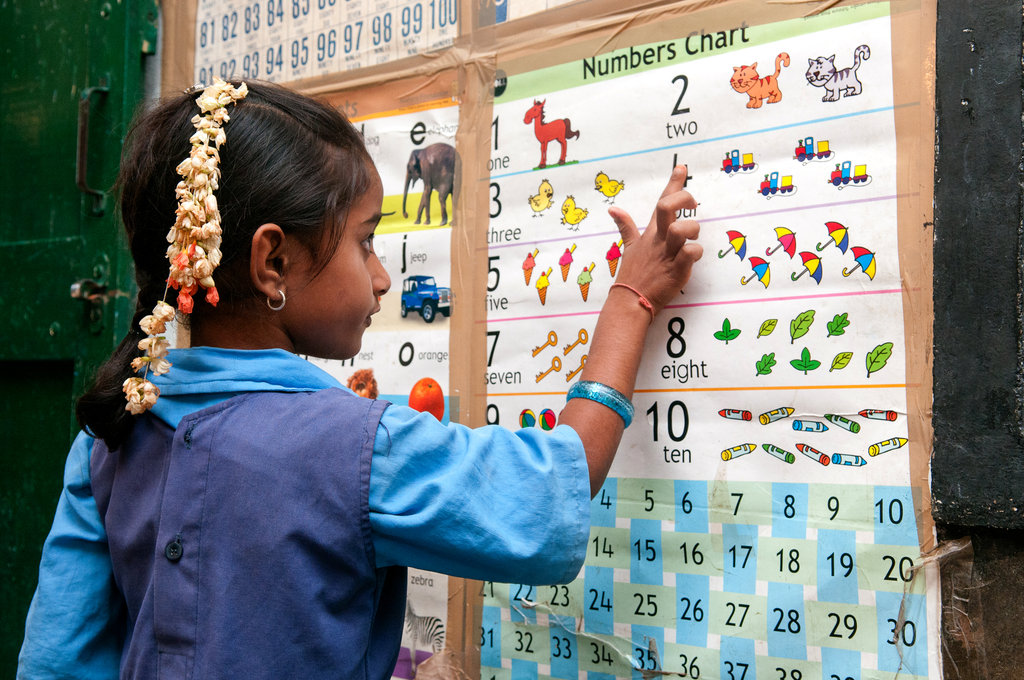
Preschool Teaching-Learning Materials
Community Involvement
Student Enrolment
To Sum Up
Seen together, this represents a positive scene. Most of the anganwadis surveyed are not deficit-ridden though there are shortfalls that could be addressed in all of them. Much attention has gone into infrastructure, hygiene and cleanliness. A remarkable statistic is that 60% of the anganwadis have access to clean bathrooms with water facilities and 79.3% have safe, clean drinking water. Community pressure could more forcefully be exerted if the Bal VikasSamithis were more efficient. 88.6% of the anganwadis have constituted the Samithis, with only 47.9% of them functioning effectively.
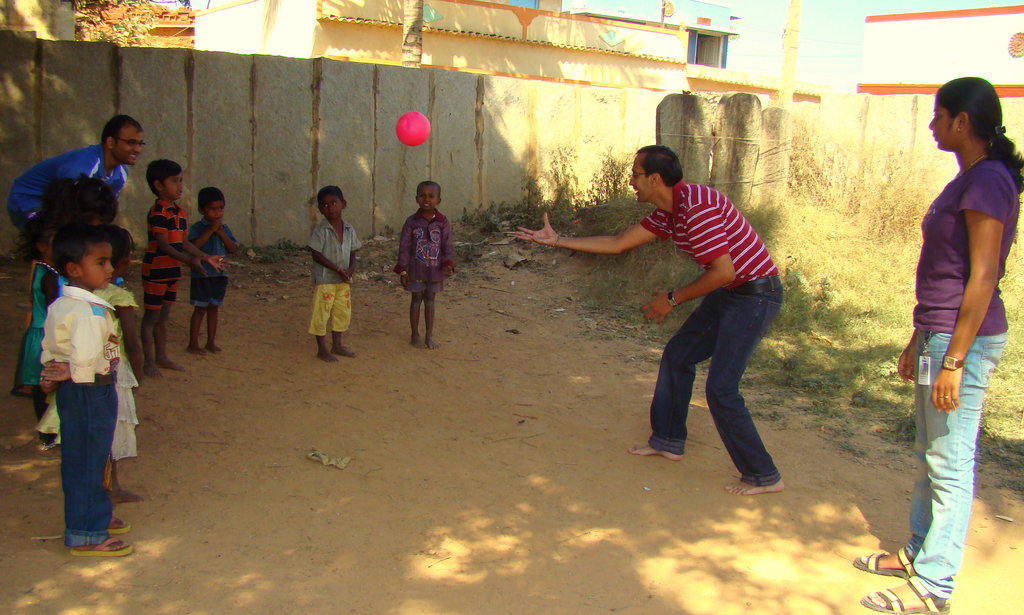
What then are the deficiencies that drag the anganwadis down? In 69.3% of the centres there are indoor learning materials. The trouble spot – 28% of the children do not use any of them. There is no outdoor play area in most of the centres. While enrolment stands at 3433 in the 140 anganwadis, 930 children were absent on the day of the survey. Absenteeism seems rampant. And preschool education may be taking a back seat with no scientific underpinning to teaching-learning and poor methods of curriculum delivery.
We hope that these statistics will help Akshara and other organizations working in the space of pre-school anganwadis, fill the necessary gaps to provide better learning in these centres, through a child friendly atmosphere.
Links:
Project reports on GlobalGiving are posted directly to globalgiving.org by Project Leaders as they are completed, generally every 3-4 months. To protect the integrity of these documents, GlobalGiving does not alter them; therefore you may find some language or formatting issues.
If you donate to this project or have donated to this project, you can receive an email when this project posts a report. You can also subscribe for reports without donating.