By Amy Riggs & Shawna Stone | Interns at HLC
Reading a story out loud to a group of children is always something very special – especially when the audience is full of energy and enthusiasm. I, and my friend, who is also from Canada, took the Read-Aloud Story Time program we have been developing out to rural Karnataka, visiting seven Kindergarten classes in seven different villages in Davangere District. We wanted to see how the children would enjoy being read to in English and how they would respond to the activities we had planned to go along with the story time.
As Jagadisha, Area manager for Hippocampus Learning Centres in Davangere District drove into each village, people stopped what they were doing to look at the strange car and when they saw the two foreign women in the car, they became very interested indeed. The hellos and smiles began the minute the car doors opened; even the passing cows seemed interested in our arrival!
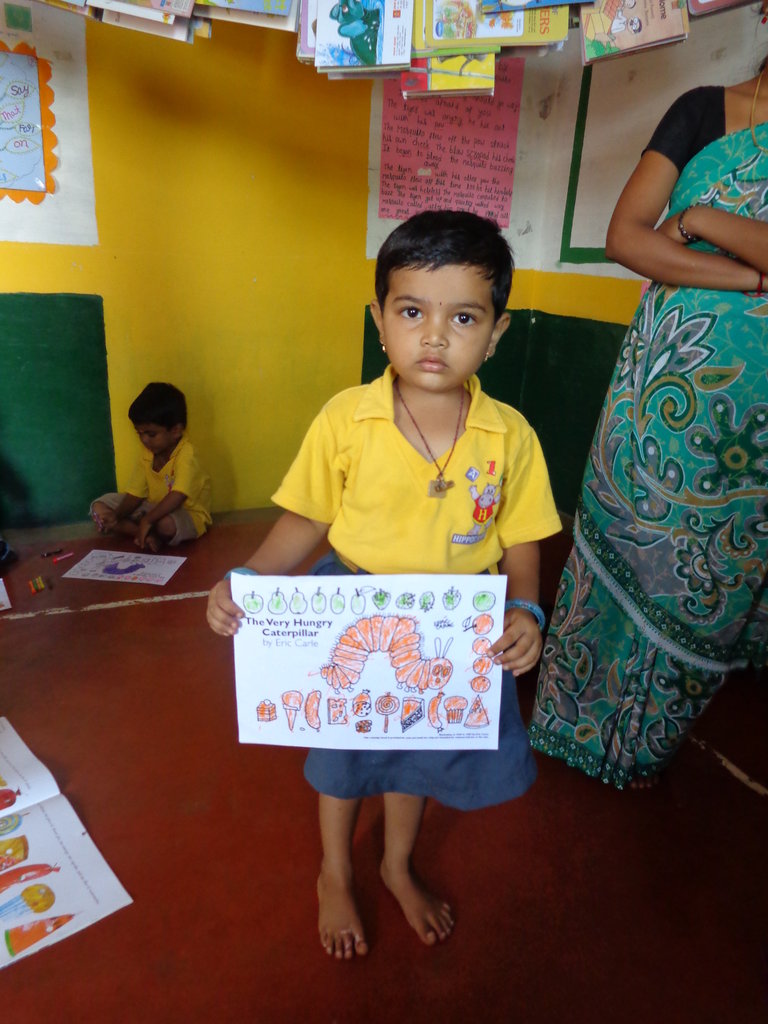
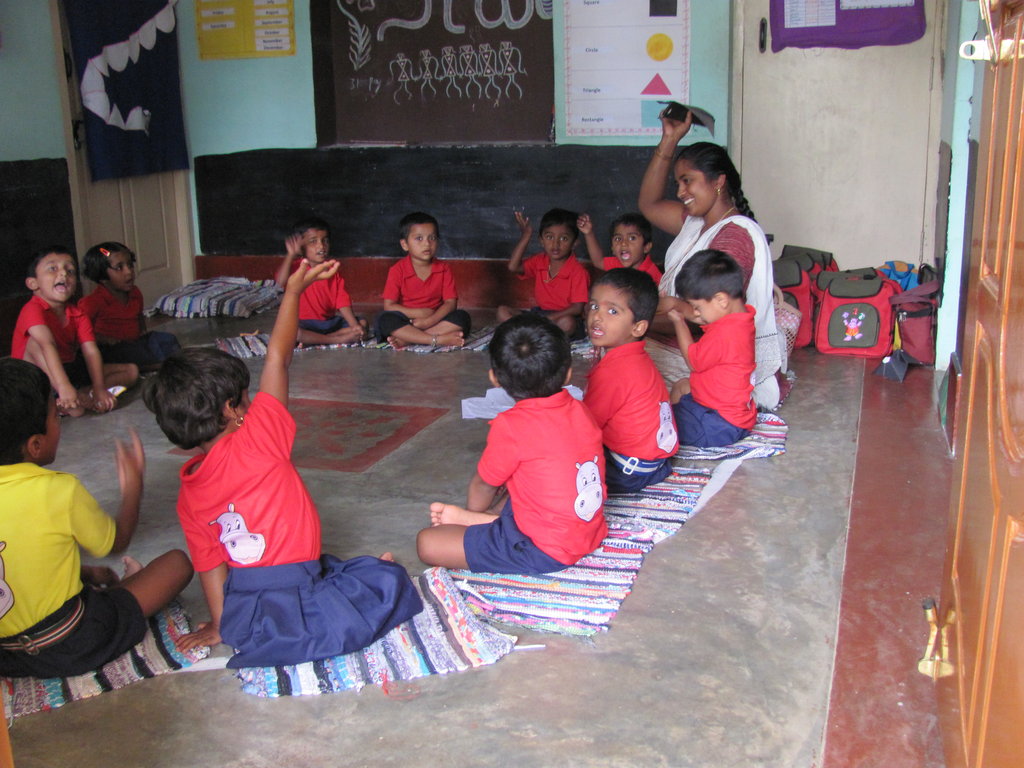
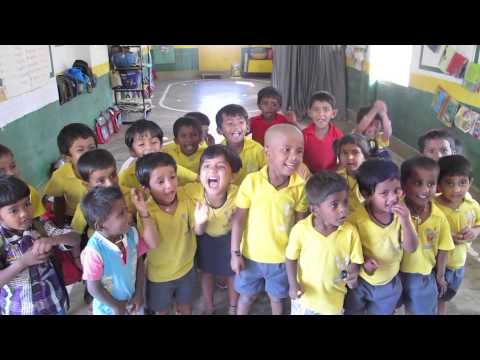
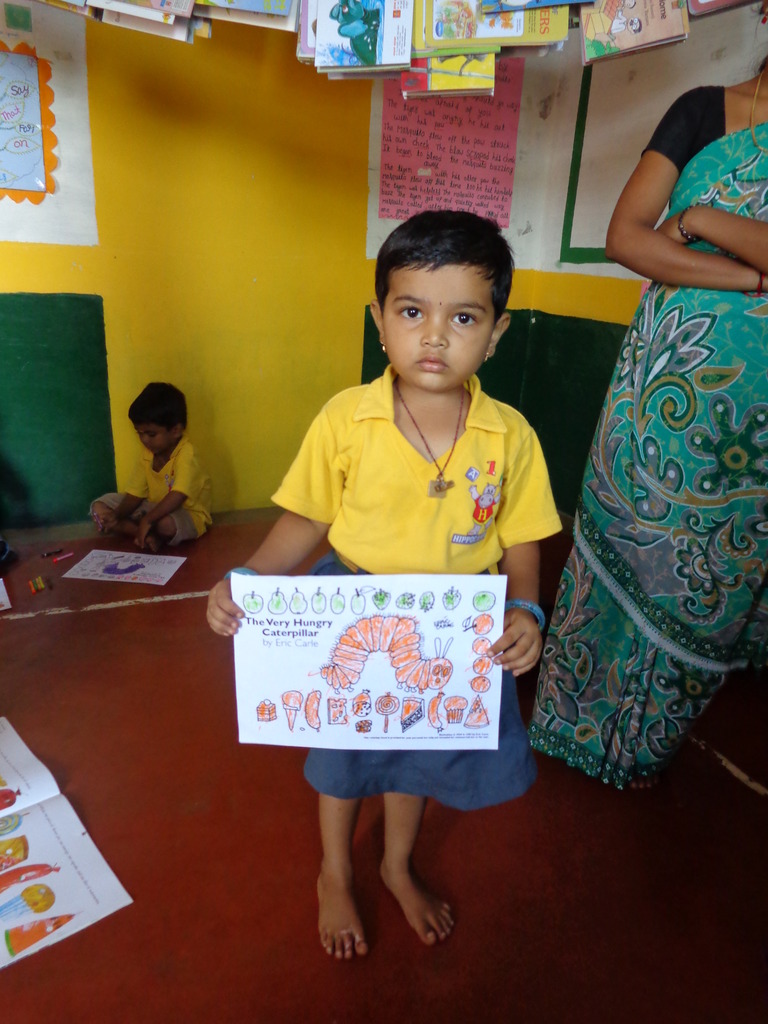
Our reception at the Hippocampus Learning Centres was very warm and welcoming. At first the children were a bit shy but as soon as they could see we wouldn’t bite, they shouted hello’s and hi’s to us and when we started our session with a game about colours, they were keen to show us what they knew. Pulling the storybook out the storybook bag really caught their attention as they really wanted to see what I had. The story I read to them was called Handa’s Hen by Eileen Browne (my friend read The Very Hungry Caterpillar by Eric Carle with them as well). It is a counting story about a hen who goes missing. After the first page, everyone was counting together – shouting out the numbers very enthusiastically. It was such fun to see the smiles on their faces as they became more and more engaged in the story.
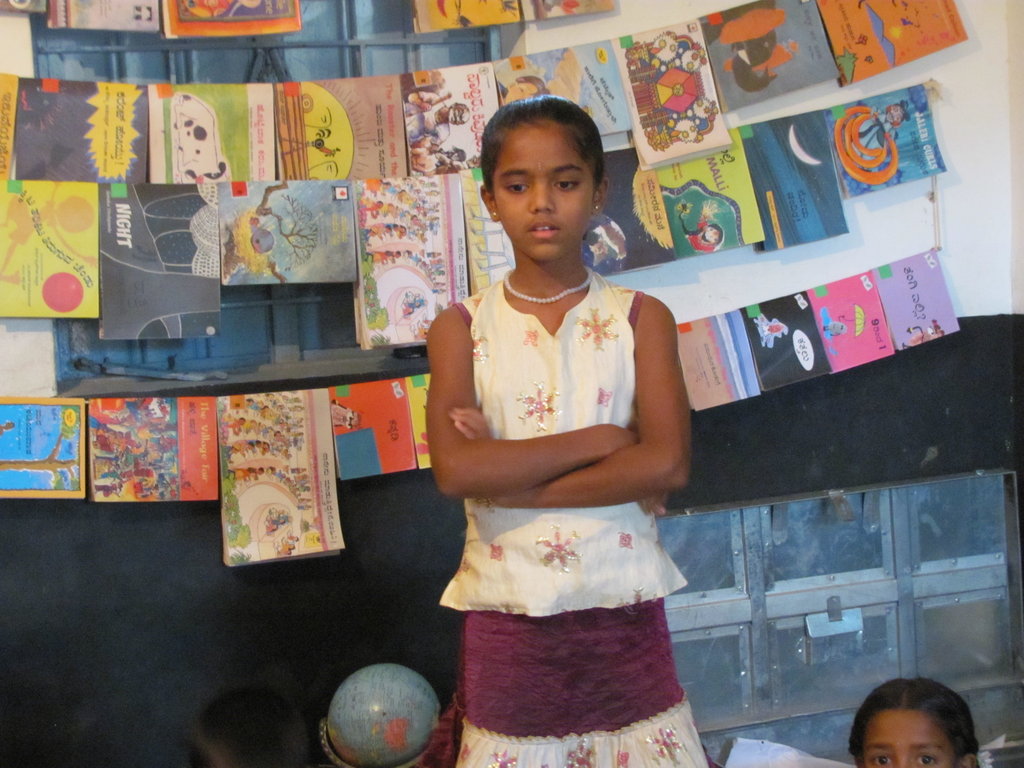
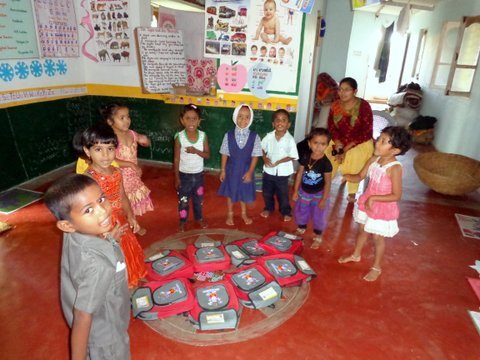
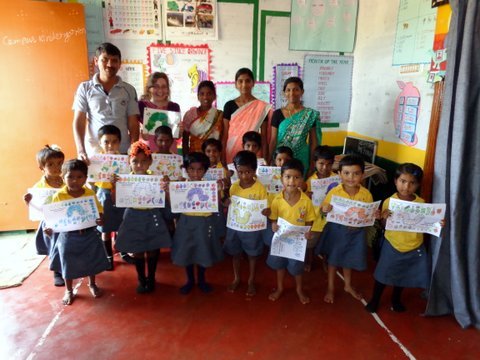
We played a couple of games and coloured pictures of hens with the Kindergarten children. As our visit progressed, we noticed that little by little the children’s courage grew and they pulled out all the stops to converse with us using any and all of the English they knew. The fact that they knew as much as they did and were so enthusiastic about learning more was an indication of their teachers’ enthusiasm and commitment to the continuous improvement and development of the children they teach. It was evident that the Hippocampus Learning Centre staff gives the teachers the support and resources they need to be effective in their jobs; the centres were well organized, attractive spaces with lots of interesting things for the children to look at and do.
A quite exciting thing happened during Story Time. Word got around the village that foreigners were reading a story to the children and before long a small crowd had formed outside the door and windows of the centre with parents and their kids (some of whom were children who attend the HLC evening class) craning their necks to listen to what was going on. They watched and listened and any time one of us got close to a window, one of the kids outside would shout a question at us, “What’s your name?” “Where are you from?” And when we left the centre to go back to the car, the adults shyly asked us questions as well and everyone wanted to shake our hands and say thank you for coming. The whole village seemed so proud of the fact that they had practiced their English with the foreign visitors and for us it was so nice to be able to connect with people in a meaningful, albeit small, way. It was great to see that our visit had sparked interest in HLC’s activities.
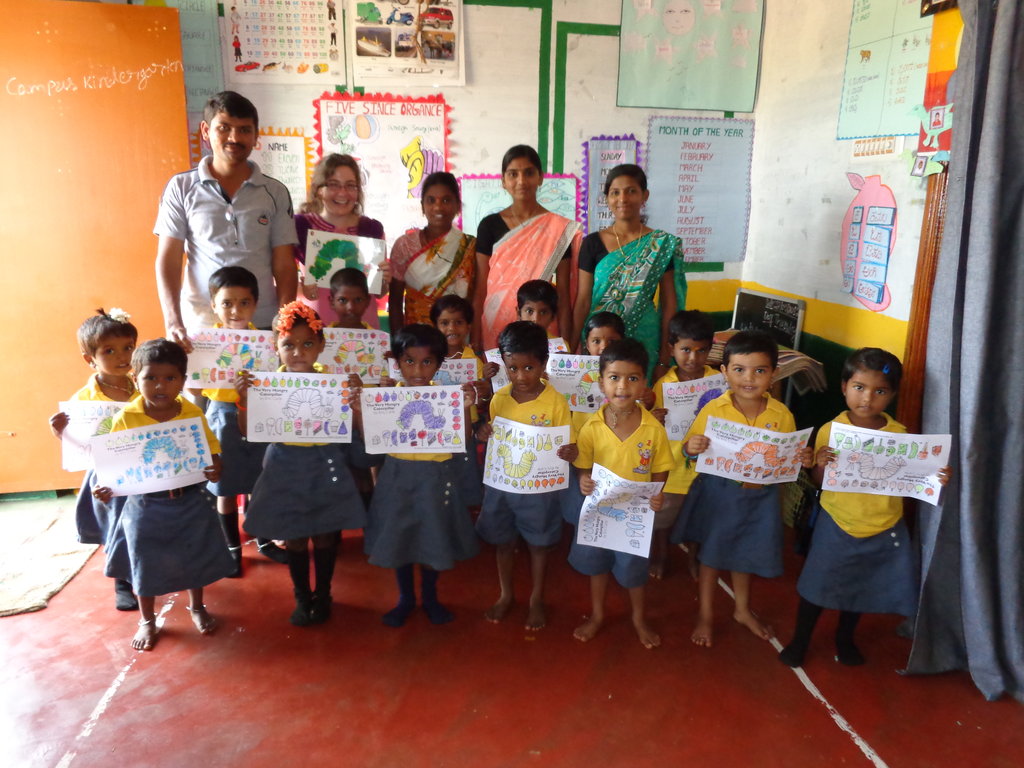
At the end of our seven visits, we felt so energized from interacting with the children and sharing our enthusiasm for reading storybooks with them. It was so gratifying that even though they had been shy at the beginning of our sessions, they were loathe to let us leave – goodbyes at each centre were rather long and drawn out, with each child proudly showing us their pictures they had coloured and giving forceful high-fives. As we drove away in the car waving to the kids, I felt such a sense of gratitude that I had been able to have that experience and that I had perhaps been able to inspire those kids to enjoy reading and be more confident speaking English.
Project reports on GlobalGiving are posted directly to globalgiving.org by Project Leaders as they are completed, generally every 3-4 months. To protect the integrity of these documents, GlobalGiving does not alter them; therefore you may find some language or formatting issues.
If you donate to this project or have donated to this project, you can receive an email when this project posts a report. You can also subscribe for reports without donating.