By Leah Kadwell | Strategic Partnerships
GlobalGiving 1000-Days Report June 2018
Dear Friend,
You subscribed to email updates from 1000 days - Education & Support for Mother & Child by the Dalit Freedom Network, a project on GlobalGiving. Here's the unedited update from the field:
Importance of Postnatal Care
By Leah Kadwell, Strategic Partnerships
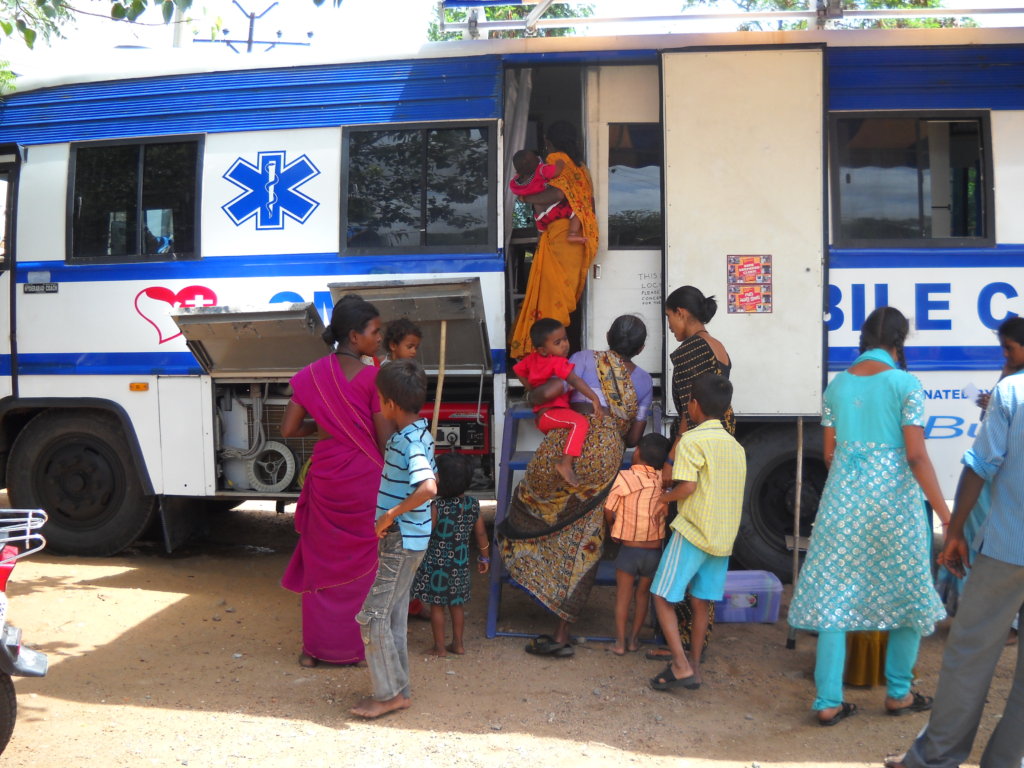
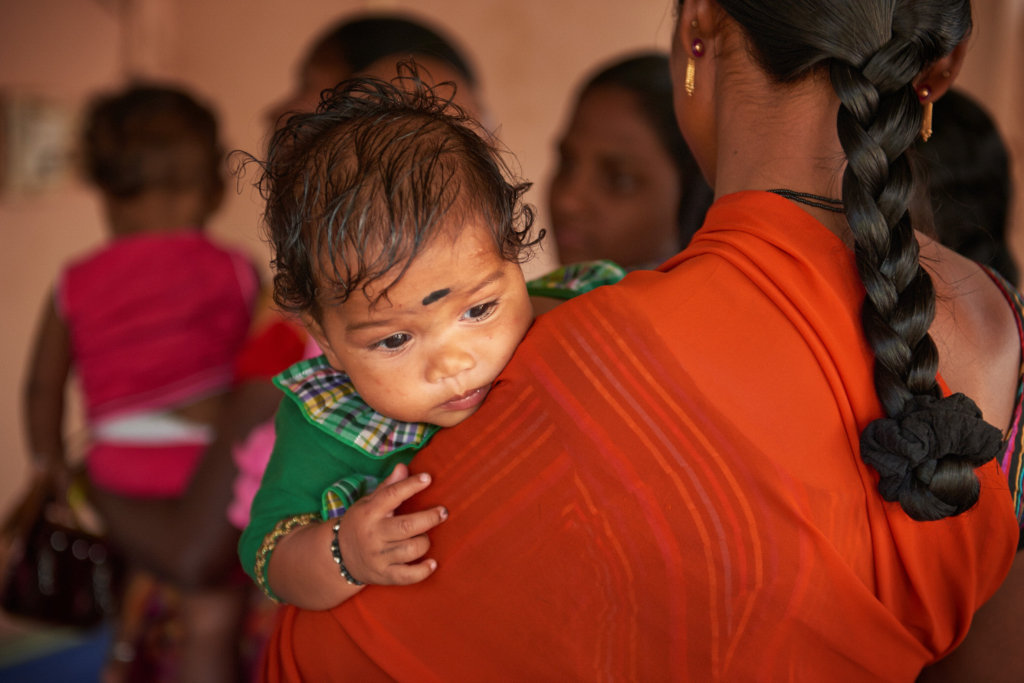
For many women in rural India there is little opportunity to learn about the pregnancy, delivery and postnatal period when they attend their antenatal checks. Medical check-ups are focused on ensuring safe healthy pregnancy and delivery, but there is often no education given to the mother about what to expect and, most importantly, how to look after the newborn baby. The family is the source of information for the mother. Most of the time this is helpful with information passed from generation to generation. However, there are some traditions that do not provide the best opportunity for newborn babies to thrive. One of these is the belief that it is not good to give the first milk (colostrum) to the baby and that, therefore, breast feeding should be delayed until milk starts to flow. This belief and practice means that newborn babies are denied the important antibodies from the mother which are in the colostrum and help to prevent newborn infections. In addition, early breastfeeding helps stimulate the milk to flow and is very helpful in establishing successful breast feeding.
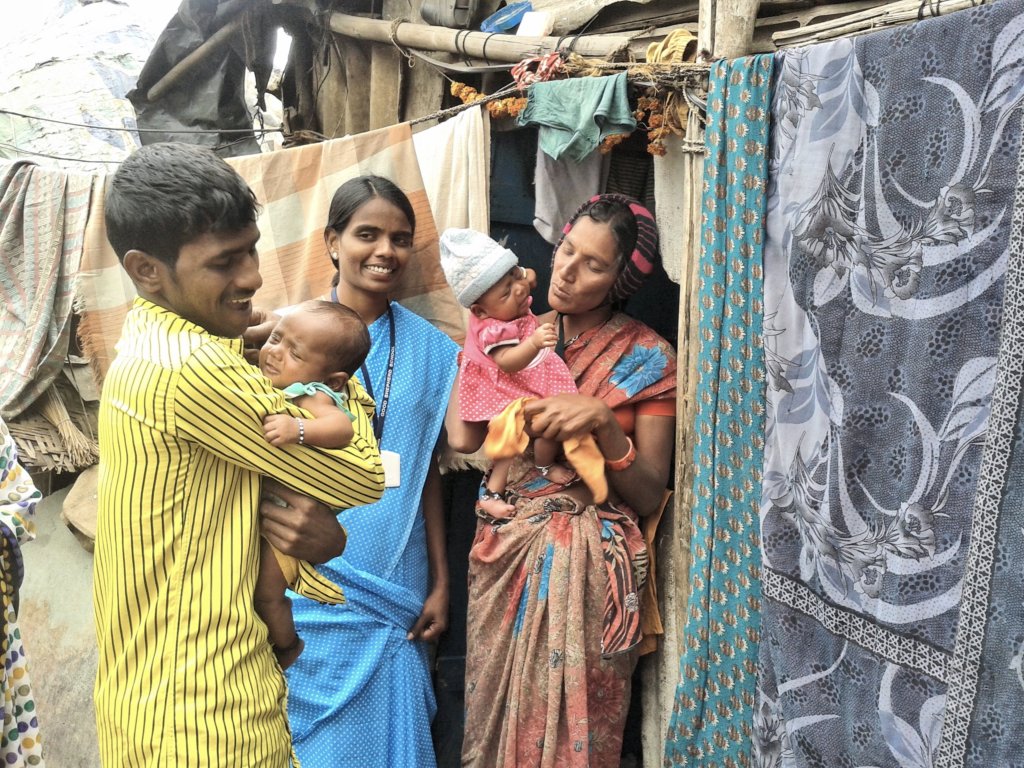
The Dalit Freedom Network’s Community Health Workers play a key role in educating mothers about the importance of early breastfeeding, helping them to feed and encouraging them to exclusively breastfeed for six months to provide the best nutrition for the baby.
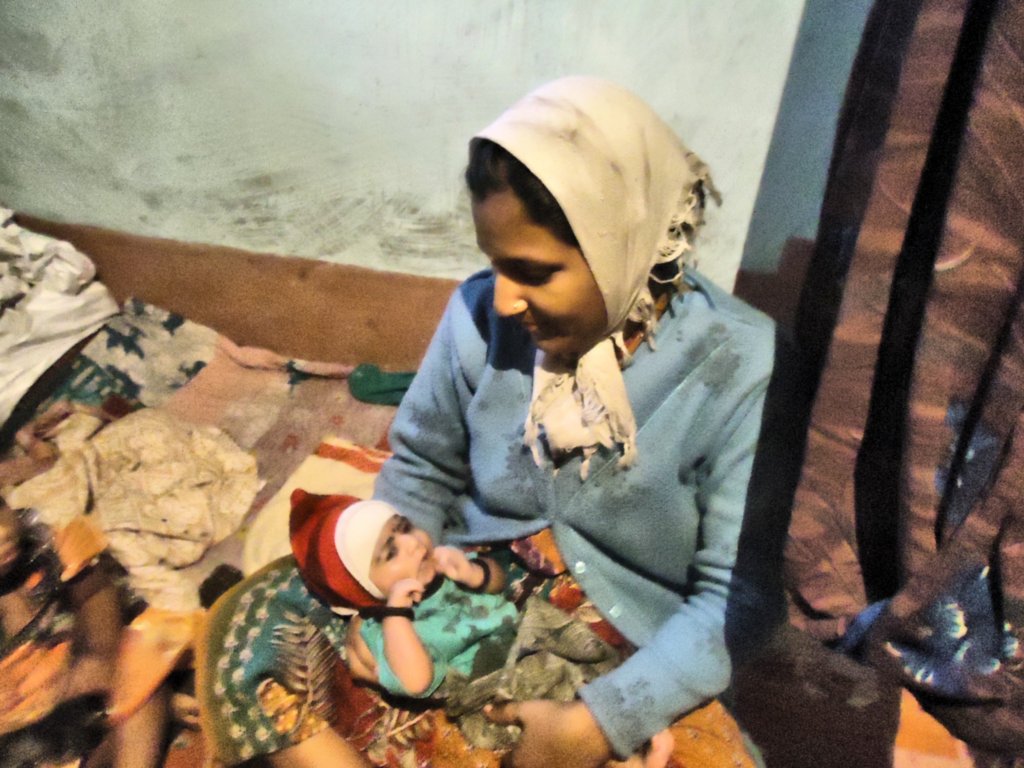
Our Community Health Worker Sarla visited one lady who had delivered a baby by caesarean section eight days previously. In the hospital there had been no encouragement to breastfeed, so the family had given the baby formula milk. By the time the CHW visited, that mother’s breasts were engorged and painful and she was upset at not being able to breastfeed. Sarla spent time with her, helped with the pain and taught the new mother how to breastfeed. This was difficult at first and required perseverance, but eventually the baby learnt how to suck. Now mother and baby are happy and content and the whole family are grateful to Sarla for all her help. Sarla commented, “Even when the mothers do not get good care in the hospital, CHWs can provide this care and the communities are very happy.”
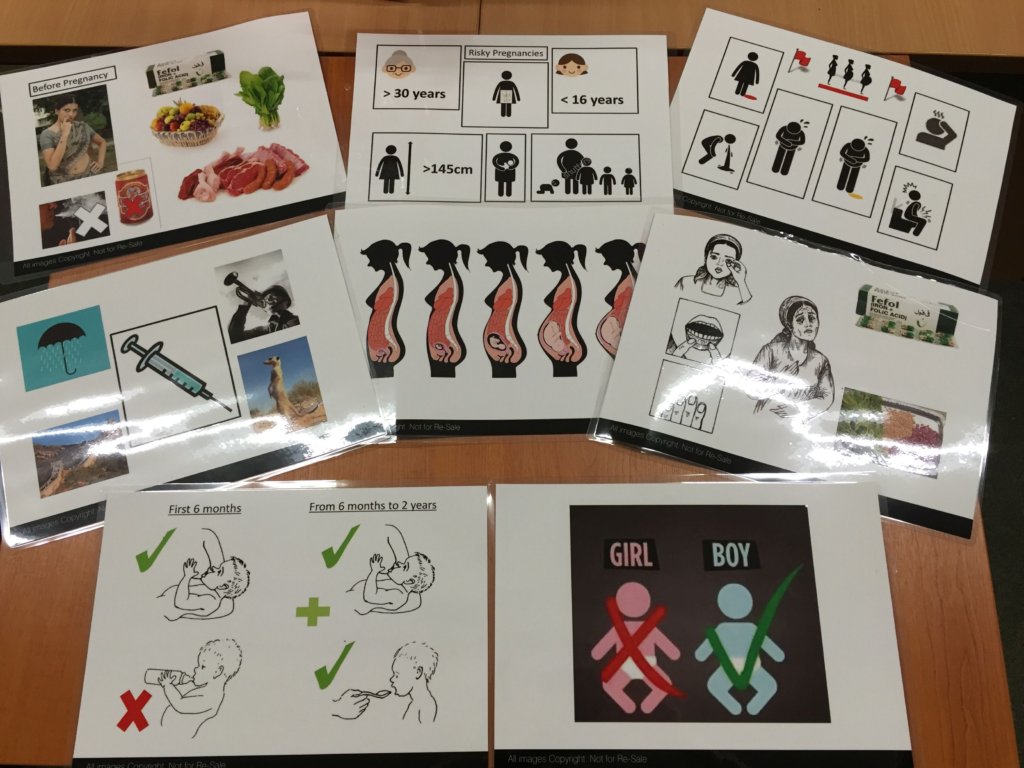
Esther visitied Nanthini, a 21-year-old lady who had delivered her first child, a baby girl, by caesarean section a few days before. Nanthini did not know how to care for her baby, but her mother was with her helping and teaching her. Her mother told her that breastmilk was not enough for the baby and started giving the baby bottles of formula milk in between the breast feeds. Esther was able to use her ‘flash cards’ on breastfeeding to explain the small size of the baby’s stomach and to convince Nanthini and her mother that breast milk alone was sufficient for the baby. Now mother, baby and grandmother are all happy with exclusive breastfeeding and are grateful to the CHW for taking time to explain about the best way to feed the baby.
Sometimes, even with the best efforts of the CHW, the family will persuade the mother not to breastfeed the baby. Mamta had given birth to a baby boy a few hours earlier and the baby was crying. Her mother-in-law would not allow Mamta to breastfeed but gave him honey and boiled water. Anjali, Mamta’s niece, was home from school. She attends one of DFN’s Good Shepherd Schools where Survana works as a CHW. Survana had taught the students the importance of vitamin A for good health, especially healthy eyes. She had explained that, for newborn babies, the vitamin A that they need comes from the mother’s milk. She had also explained the importance of early breastfeeding in providing natural ‘immunisation’ to help the baby fight diseases. Anjali explained this to her grandmother and persuaded her grandmother to allow Mamta to breastfeed the baby. The CHW congratulated Anjali when she reported the story the next day in school. She was very happy that, even though her teaching to the family directly had not persuaded them to breast feed early, her teaching in the school had had a wider impact than the children she had taught.
Project reports on GlobalGiving are posted directly to globalgiving.org by Project Leaders as they are completed, generally every 3-4 months. To protect the integrity of these documents, GlobalGiving does not alter them; therefore you may find some language or formatting issues.
If you donate to this project or have donated to this project, you can receive an email when this project posts a report. You can also subscribe for reports without donating.