By Mary Punnoose | Chief Functionary
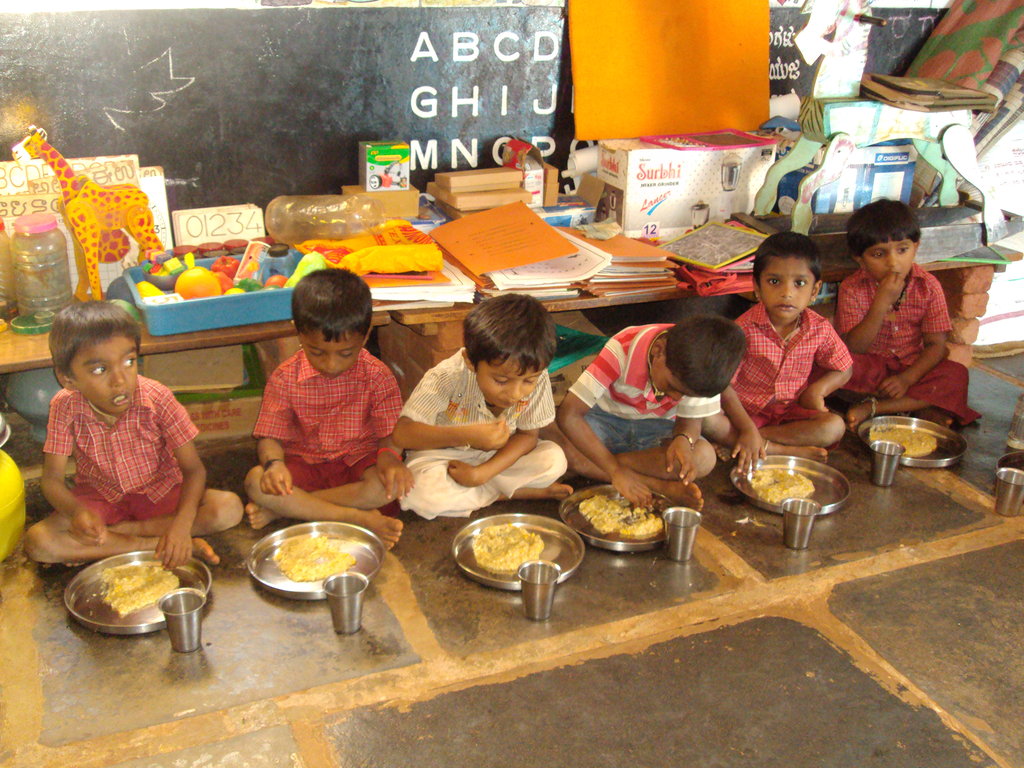
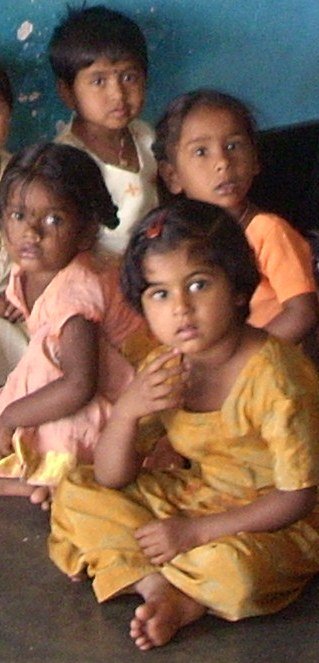
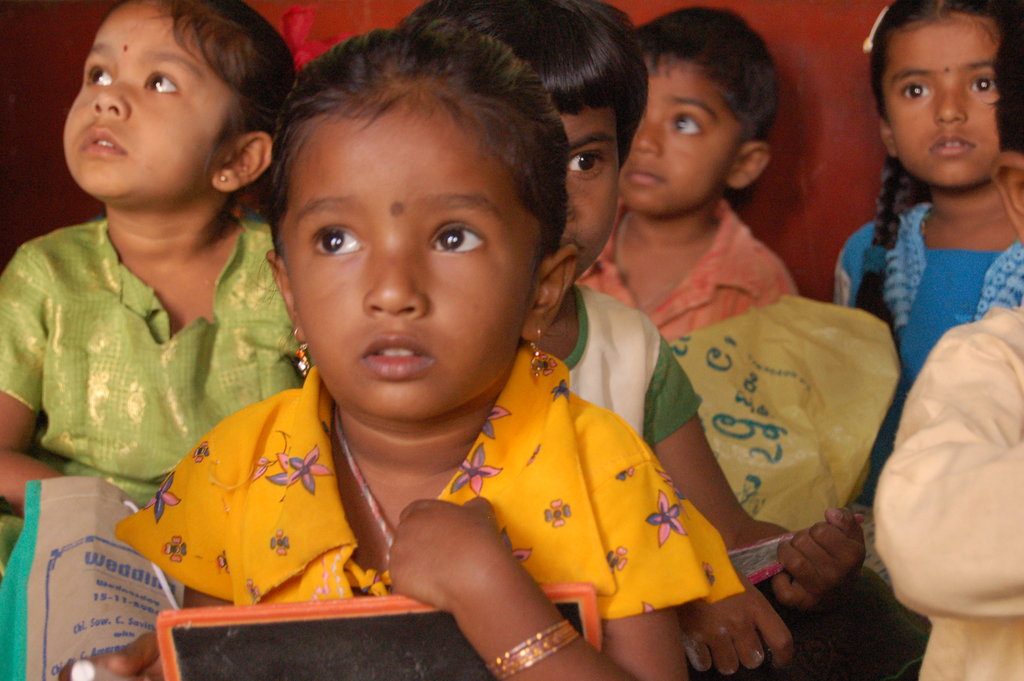
A nurturing environment for the children in their formative stage of development (early childhood) is required for them to develop in a holistic manner which will in turn pave the way for them to reach their potential and lead a meaningful life as an adult. There has to be an ecosystem created which will cater to the needs of the children. This is especially so in the lives of the children from economically and socially impoverished communities. This was the intention behind the initiation of the anganwadis – government run pre schools. The responsibilities of providing every child quality care and education in their early childhood (Early Childhood Care and Education – ECCE) becomes the responsibility of all the stakeholders, particularly parents, teachers, community members and the local self governments (Gram Panchayat and Councillors/Corporators).
It is with this objective that Prajayatna is working towards improving the quality of State run Early Child Care Centers by training teachers and parents committees to address education and health care requirements of 1250 children belonging to 50 child care centers situated in the low income areas of Bengaluru in India by building the capability of key functionaries such as the teachers and supervisors.
Processes
In the past one 15 months various processes with the different stakeholders has been implemented. The following are some of the main highlights and some of the changes that is being seen.
Teachers collectives
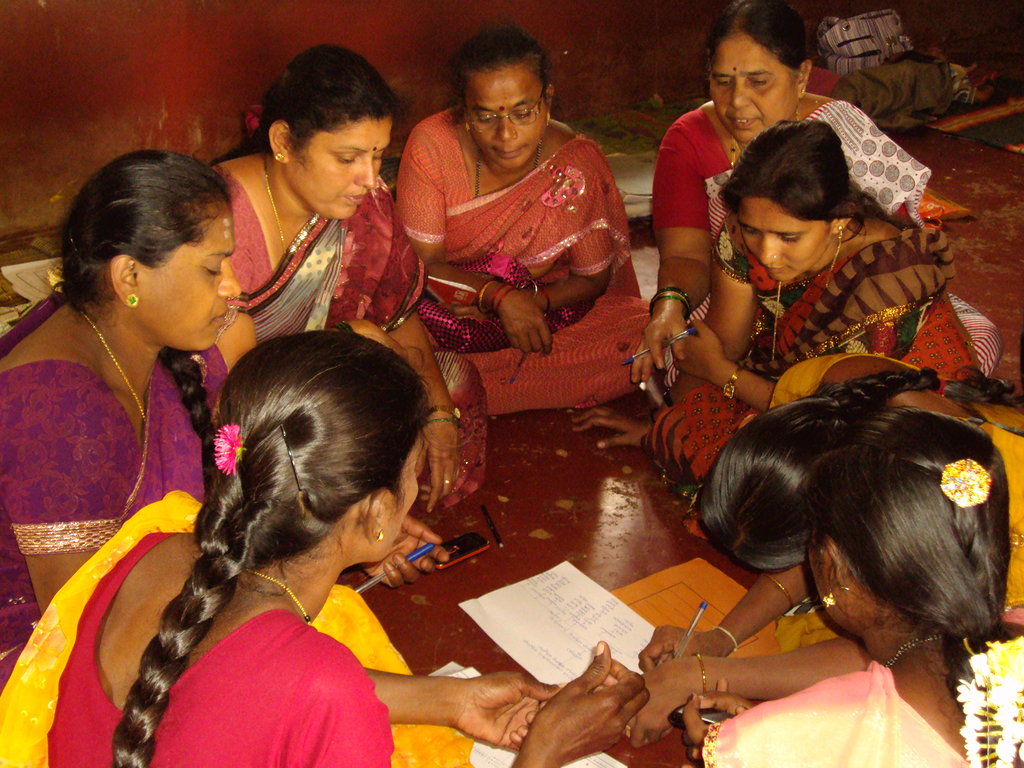
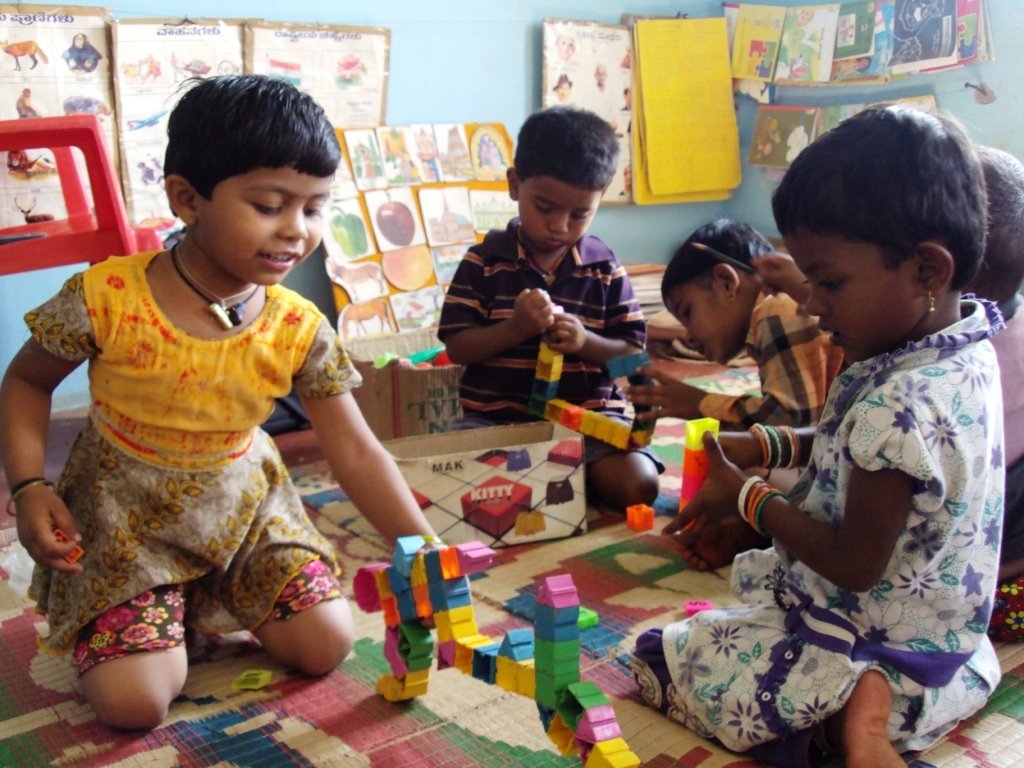
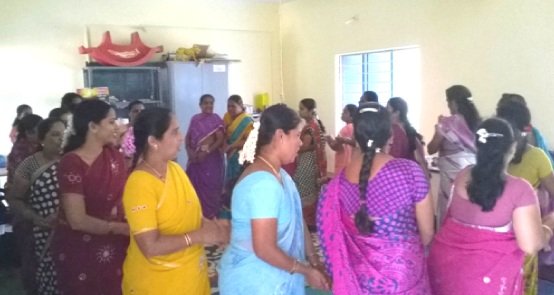
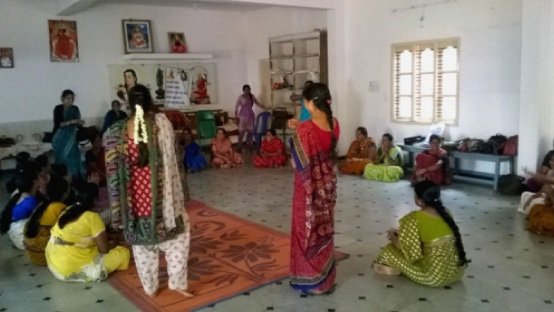
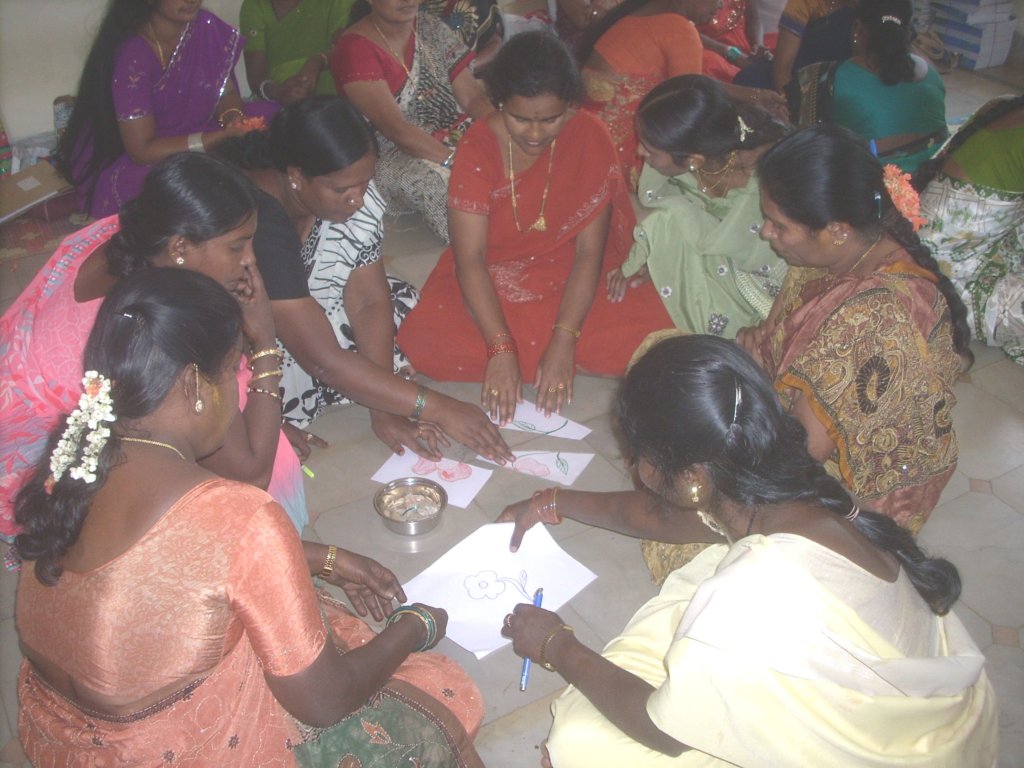
Six teachers collective meetings have been conducted with the objective of enhancing the skills and competencies of anganwadi teachers towards catering to the care and learning needs of each child attending the center. Teachers collectives have focussed on making them understand the development of a child and the various learning styles that children posses naturally. Moving further teachers have been given several inputs to carry out the center activities, for instance what kind of learning activities can be conducted to develop the abilities in children, how to understand the child and engage them in the activities, importance of group learning activities and how to facilitate them. Learning materials were prepared keeping the children in mind. Working with the parents and the community in order to enable them to support the development of the children and their learning was another important aspect that was dealt with during the collective meetings. These collectives enabled teachers to look at the children and the community with a different lens. Efforts were made to provide onsite support to the teachers in implementing what was being done in the collective. This was done by visits to the Centres and supporting them in making the Centres more child friendly and dynamic.
Supervisors and parents meetings
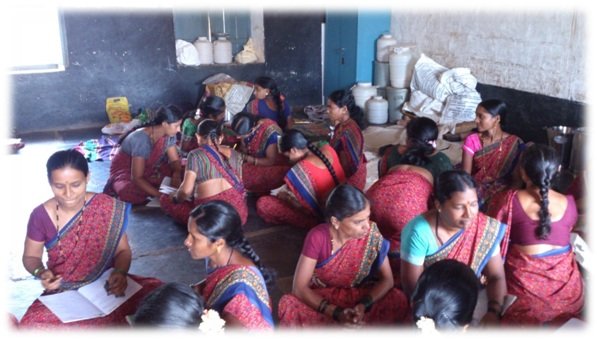
The above processes have been supplemented with 6 workshops for the supervisors (who are responsible for monitoring the Centres) along similar lines in order to enable them to follow up with the teachers at the Centre level as well. This helped in ensuring that the knowledge of the collective meetings was translated into action in the Centres.
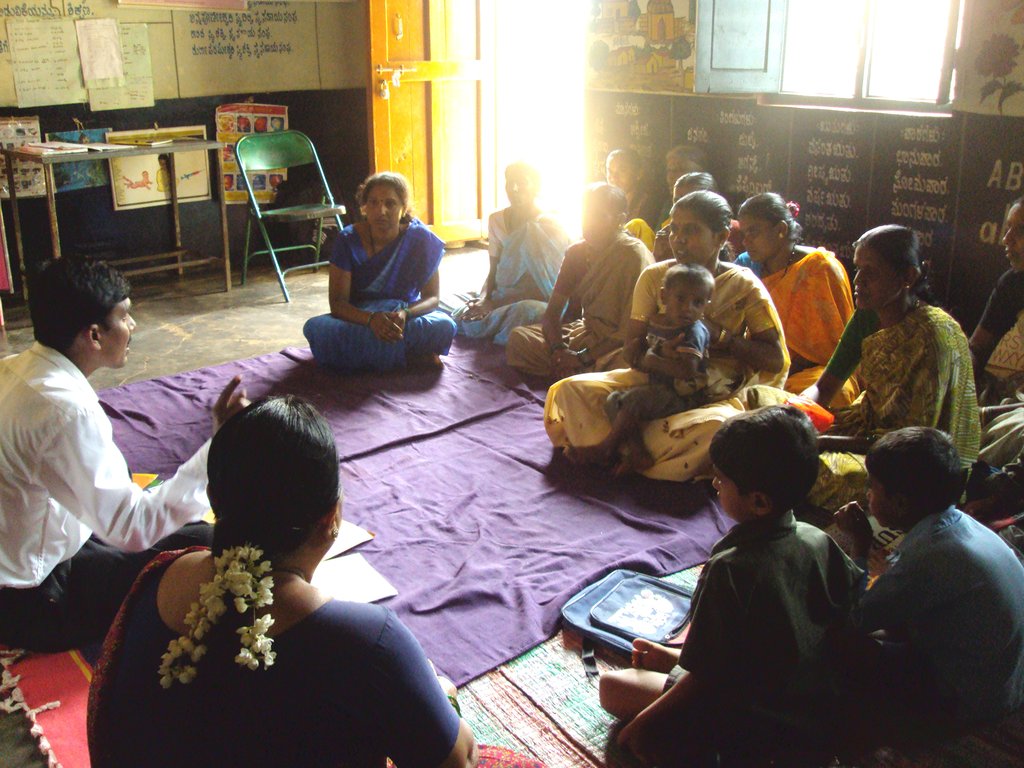
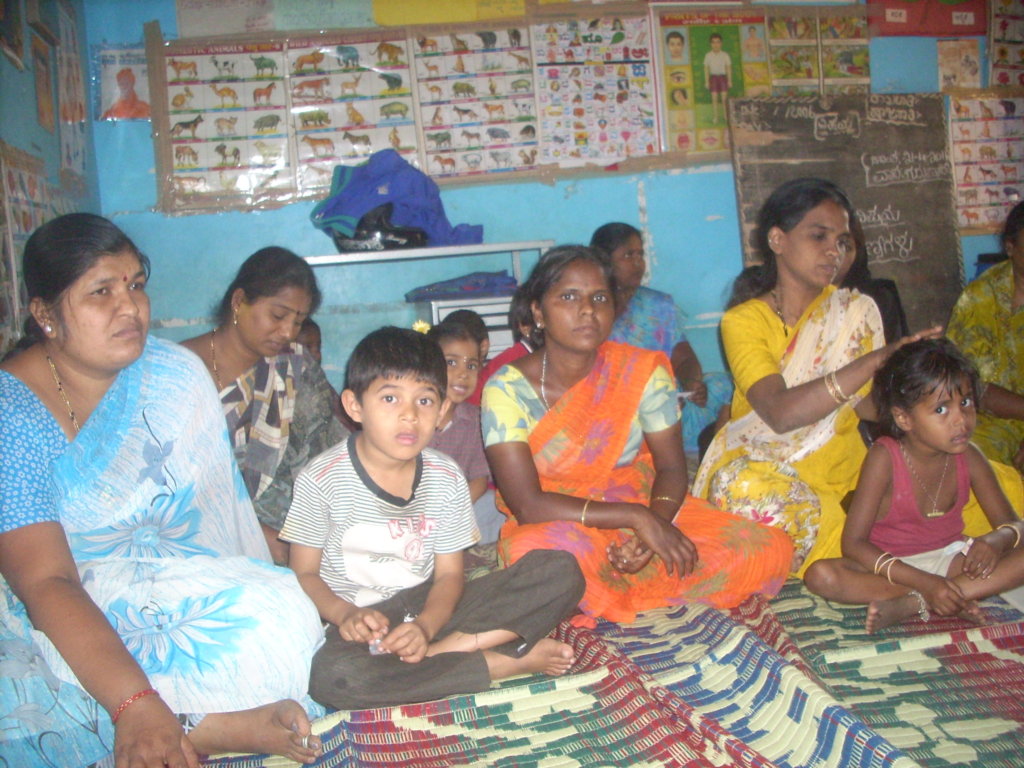
Simultaneously, it was ensured that the parents committee was formed in all the Centres to ensure proper functioning of the Centres. Parents meetings were held to enable the parents committee to understand their role and responsibility in ensuring that the Centres were managed efficiently and their children learning. Issues pertaining to formation of parents committees, centre needs, importance of teachers involvement in the activities of the centre and stakeholders roles and responsibilities in resolving the Centre’s issues has been discussed in the meetings. The community took the responsibility of improving the infrastructure of the centresalongwith ensuring better attendance of the children. This would be done through better participation of the parents.
Impact
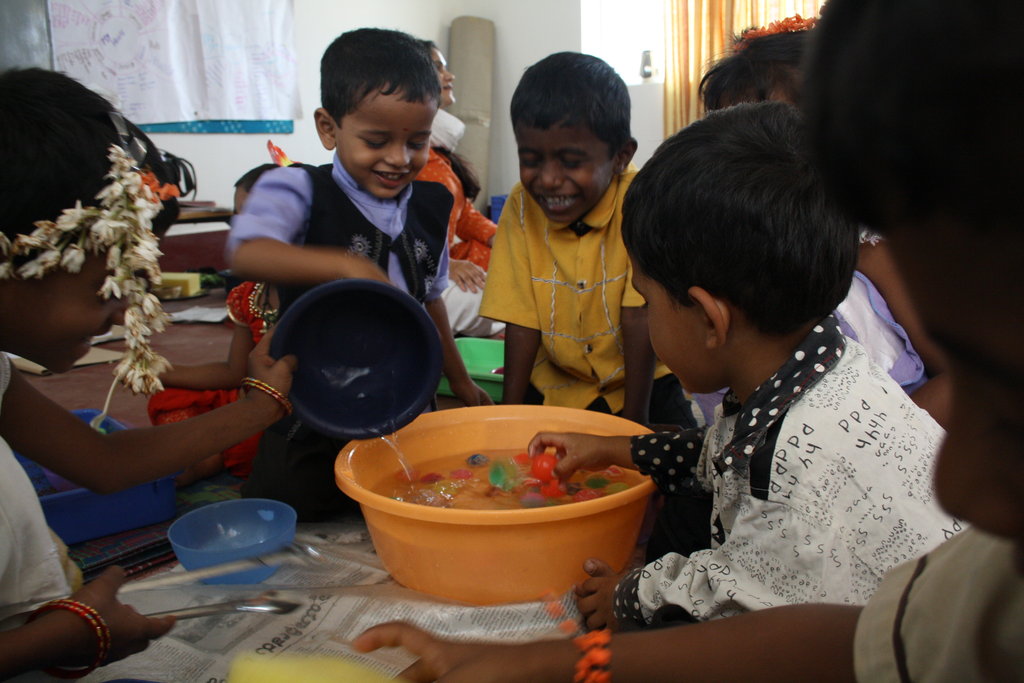
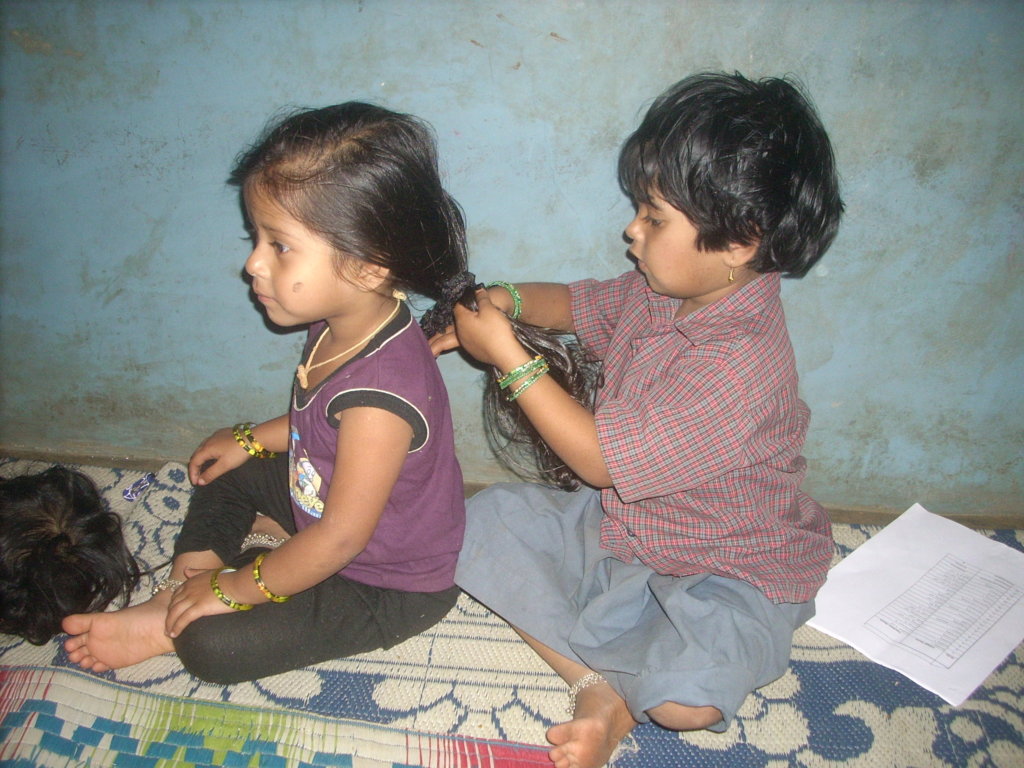
As a result of these various processes and follow up at the Centre level, it was seen that the children were more regular and on time to the Centres and most importantly there was more involvement of the teachers with the children. Learning activities take place in the Centres which was not the case earlier. Assistant teachers are also involved in the activities with the children. In the absence of the teachers, they take the initiative to manage the Centre and engage the children. It is also being seen that the parents are more aware of the Centre and interact with the Centres on a more regular basis. Ultimately, children like to come and are learning!
Project reports on GlobalGiving are posted directly to globalgiving.org by Project Leaders as they are completed, generally every 3-4 months. To protect the integrity of these documents, GlobalGiving does not alter them; therefore you may find some language or formatting issues.
If you donate to this project or have donated to this project, you can receive an email when this project posts a report. You can also subscribe for reports without donating.