By Mehmood Rind Baloch | Program Manager (BRDP)
Project Title: Educate the Girls – Empower the Future, Balochistan
By Mahmood Rind Baloch: Program Manager (BRDP)
Implementing Organization: Balochistan Rural Development Program (BRDP)
Project Location: Balochistan, Pakistan
Goal Amount: USD 246,963
Funds Raised So Far: USD 3,191
1. Project Overview
Education stands at the heart of sustainable development and social justice. In regions where opportunities are limited and resources are scarce, education becomes the most powerful instrument to break the cycle of poverty and inequality.
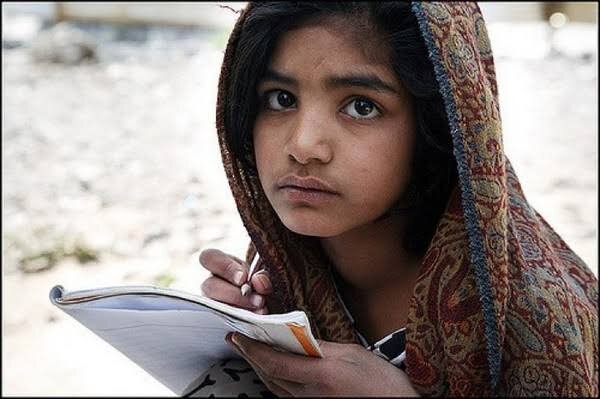
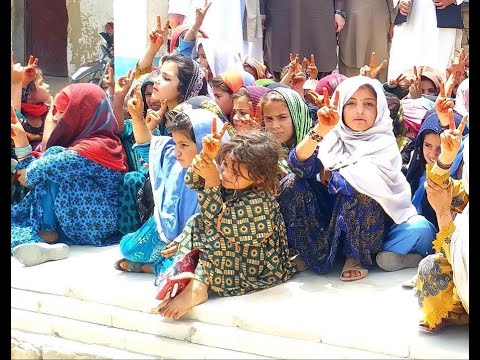
The “Educate the Girls – Empower the Future, Balochistan” initiative, implemented by the Balochistan Rural Development Program (BRDP), seeks to expand educational opportunities for girls across underserved communities in Balochistan. The project focuses on removing barriers that prevent girls from accessing education and creating an environment where learning becomes a pathway to empowerment.
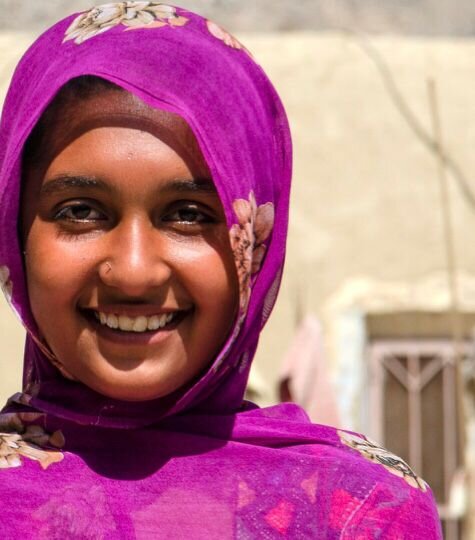
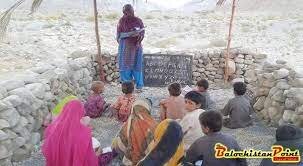
Balochistan, despite its rich culture and resilient communities, faces significant educational disparities. Girls, in particular, remain among the most marginalized groups in terms of access to education. Through this project, BRDP aims to support girls aged 4 to 20 years by providing essential resources, community support, and opportunities that enable them to continue their educational journey.
2. Background and Context
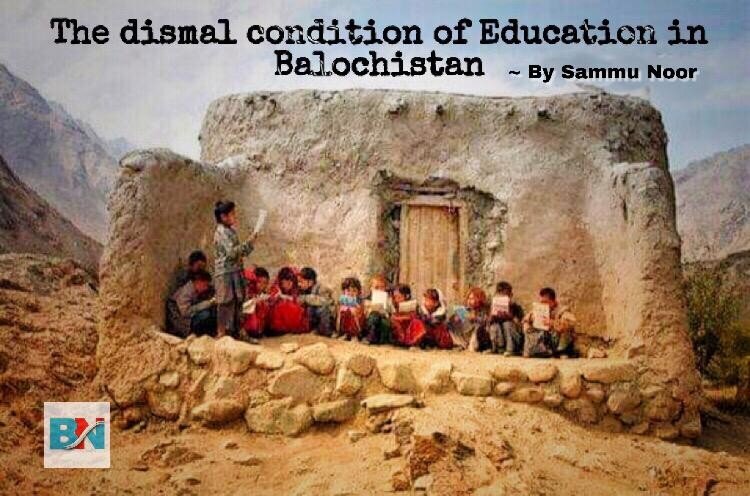
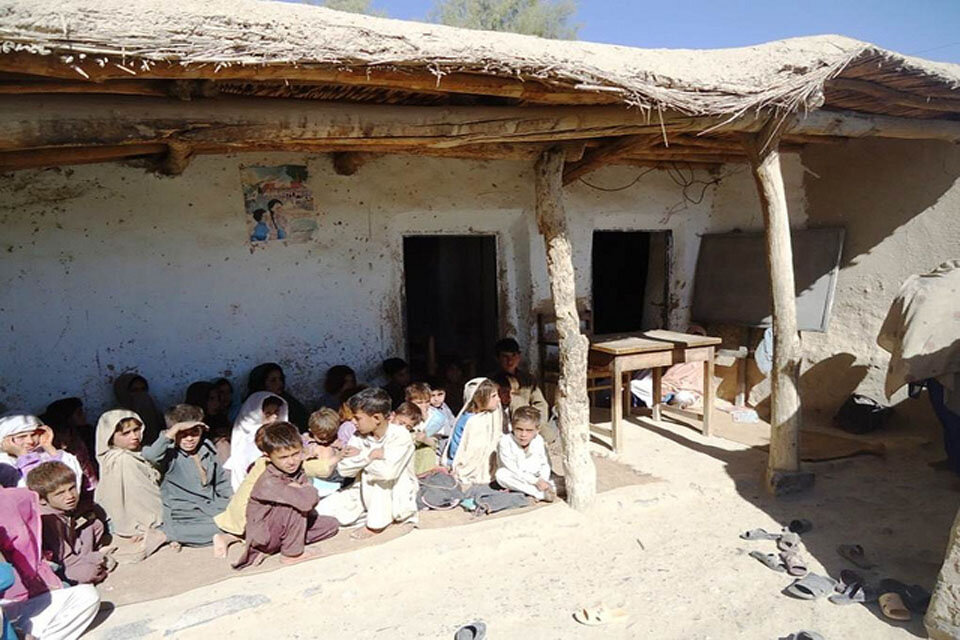
Balochistan continues to experience severe educational challenges compared with other provinces of Pakistan. The geographical spread of communities, limited infrastructure, and socio-economic hardships contribute to a situation where thousands of children remain outside the formal education system.
For girls, the barriers are even more pronounced. Many families struggle with poverty and cannot afford basic educational expenses such as books, uniforms, or transportation. In remote rural areas, schools are often located far from villages, discouraging parents from sending their daughters to school.
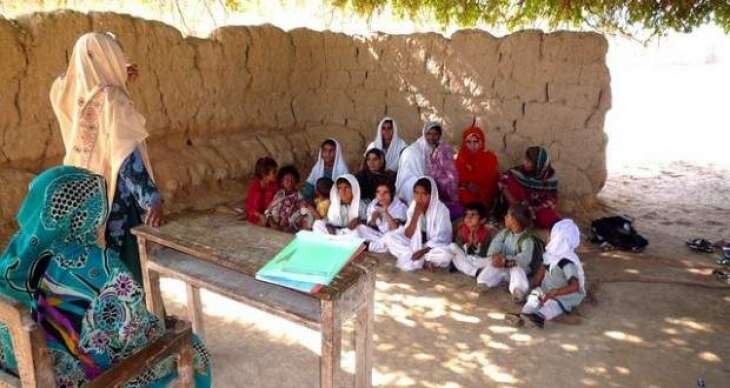
Additionally, the shortage of female teachers and safe educational facilities further discourages female participation in education. As a result, many girls either never enroll in school or drop out at an early stage.
Addressing these challenges requires a comprehensive approach that combines educational support, community engagement, and long-term social awareness.
3. Project Strategy
BRDP has adopted a community-driven approach that focuses not only on providing educational materials but also on encouraging local participation in promoting girls’ education.
The project strategy revolves around the following key components:
Through this approach, the project aims to create both immediate educational opportunities and long-term social change.
4. Activities Implemented
With the financial support received so far through GlobalGiving and contributions from local supporters, BRDP has undertaken several key activities during the reporting period.
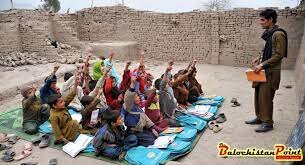
Educational support was provided to underprivileged girls through the distribution of learning materials such as school bags, notebooks, pens, and textbooks. These materials helped reduce the financial burden on families and encouraged regular school attendance.
Community meetings were also organized in selected villages to discuss the value of girls’ education. During these sessions, parents, elders, and community members were engaged in discussions about the long-term benefits of educating daughters.
Local volunteers and teachers have actively participated in identifying girls who require assistance and ensuring that the project resources reach the most deserving beneficiaries.
These activities have helped create a positive shift in community attitudes toward girls’ education and have strengthened trust between communities and BRDP.
5. Progress to Date
As of the current reporting period, the project has raised a total of USD 3,191 through GlobalGiving and local support.
Although the funds raised represent a small portion of the overall project goal, they have enabled BRDP to initiate meaningful interventions at the grassroots level.
Through these contributions:
6. Emerging Impact
The early outcomes of the project are encouraging. Families who previously hesitated to send their daughters to school are gradually becoming more supportive of education.
Girls who received educational support have shown increased motivation to continue their studies. Teachers have also reported improved classroom participation among students who previously lacked basic learning materials.
The project is slowly contributing to a broader cultural shift in which education for girls is increasingly seen as an opportunity rather than a challenge.
These small yet meaningful steps highlight the transformative potential of sustained investment in girls’ education.
7. Challenges and Limitations
Despite the positive progress, the project continues to face several challenges.
The most significant limitation remains the gap between available funding and the scale of need across Balochistan. Thousands of girls still require assistance to access education.
Additionally, remote geography, limited transportation infrastructure, and occasional security concerns can restrict outreach in some districts.
Another challenge is the shortage of female teachers and safe learning spaces, particularly in rural communities where educational infrastructure remains underdeveloped.
BRDP continues to address these challenges through community partnerships, volunteer engagement, and ongoing advocacy for improved educational support in the province.
8. Future Plans
Looking ahead, BRDP plans to expand the scope of the project in order to reach more girls in underserved areas.
The next phase of the project will focus on:
These initiatives aim to ensure that the project continues to grow and reach those who need it most.
9. Closing Statement
The journey toward universal education for girls in Balochistan is long, but every step forward brings hope and change.
Through the “Educate the Girls-Empower the Future, Balochistan” initiative, BRDP is committed to ensuring that girls from even the most remote communities receive the opportunity to learn and succeed.
Each contribution no matter how small—helps open a classroom door for a girl who might otherwise be left behind.
By investing in girls’ education today, we are investing in a more prosperous, peaceful, and inclusive future for Balochistan.
Together, we can ensure that education becomes a reality for every girl.
Project reports on GlobalGiving are posted directly to globalgiving.org by Project Leaders as they are completed, generally every 3-4 months. To protect the integrity of these documents, GlobalGiving does not alter them; therefore you may find some language or formatting issues.
If you donate to this project or have donated to this project, you can receive an email when this project posts a report. You can also subscribe for reports without donating.



Support this important cause by creating a personalized fundraising page.
Start a Fundraiser