By Annette Scarpitta | Project Leader
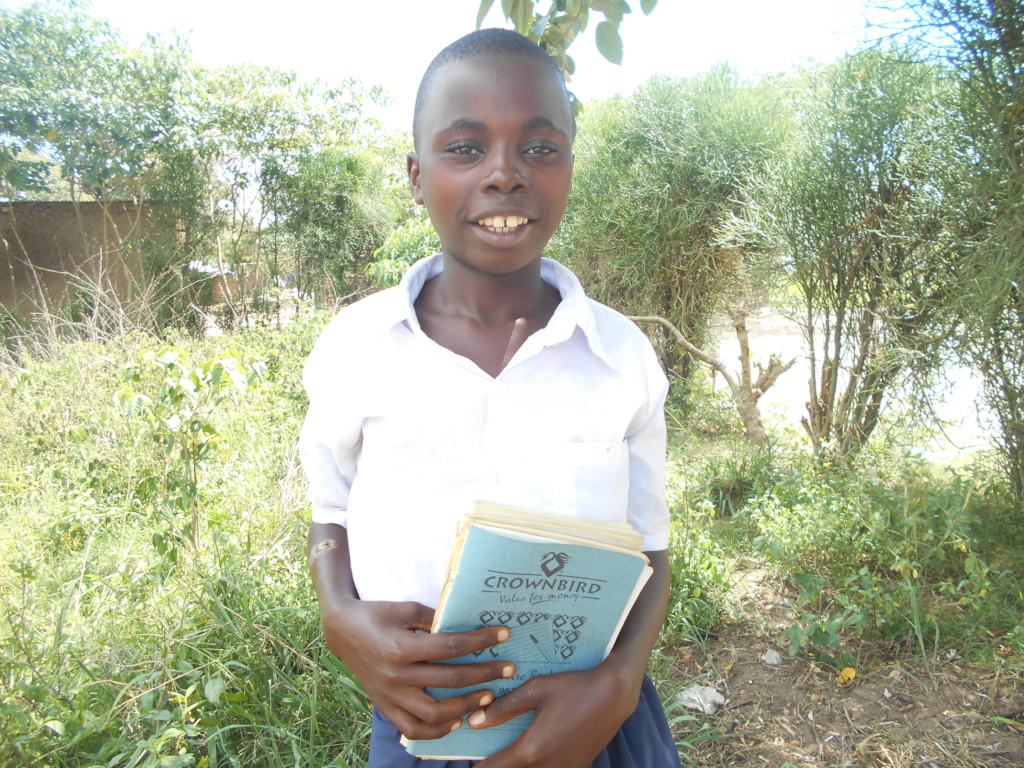
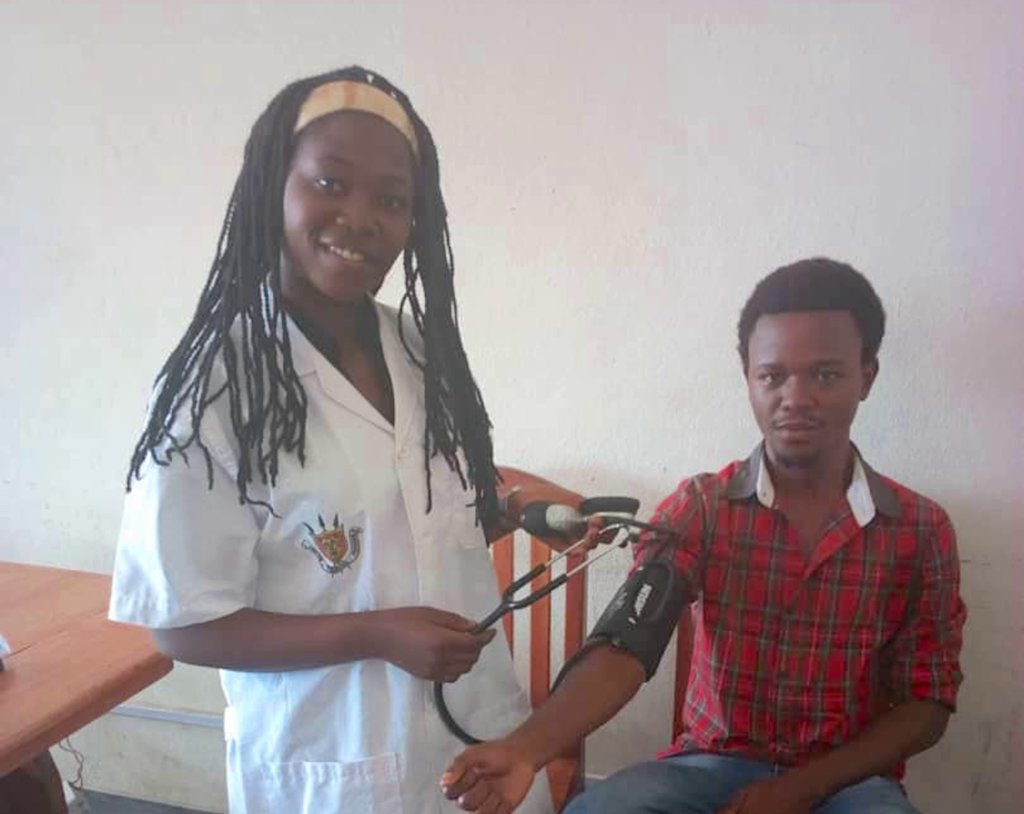
Maombi is among this academic year’s 11 secondary students in our program. We first reported on her back in 2017, when she was enrolled at Rwenena Primary School. Orphaned after their parents were killed in a massacre in the village of Mutarule, Maombi and her 2 younger sisters have experienced much anguish and hardship. Since our earlier report, their grandmother died and they went to live with their uncle Mashebula and his family, also in Rwenena, which has allowed Maombi to continue her studies through our program.
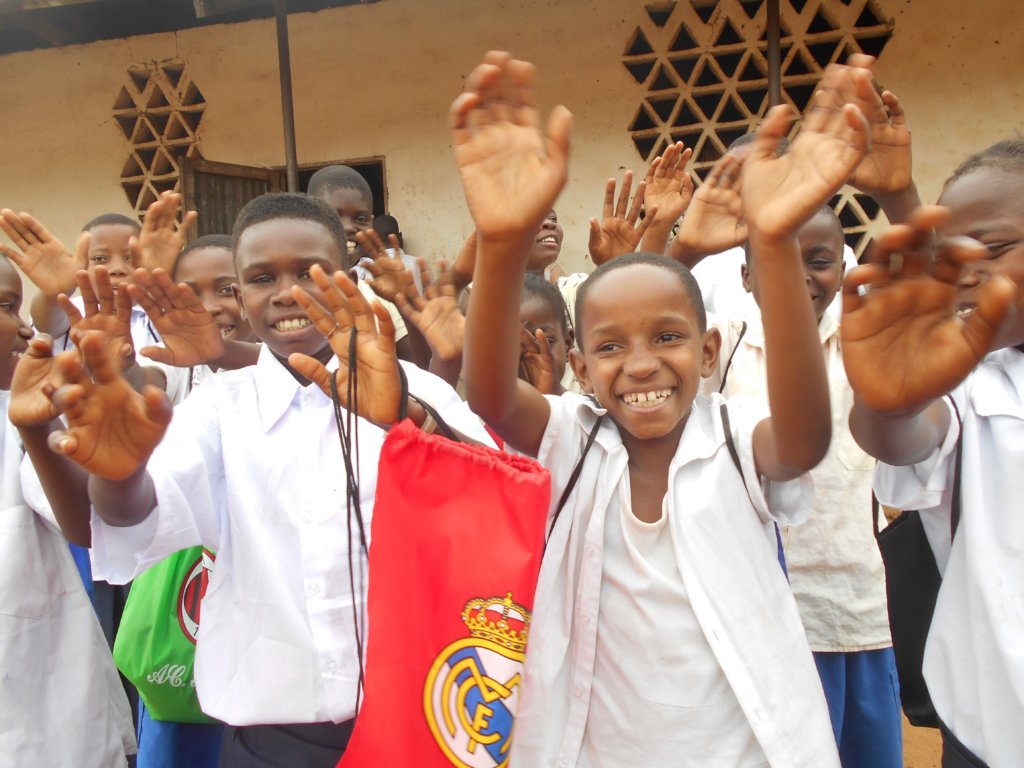
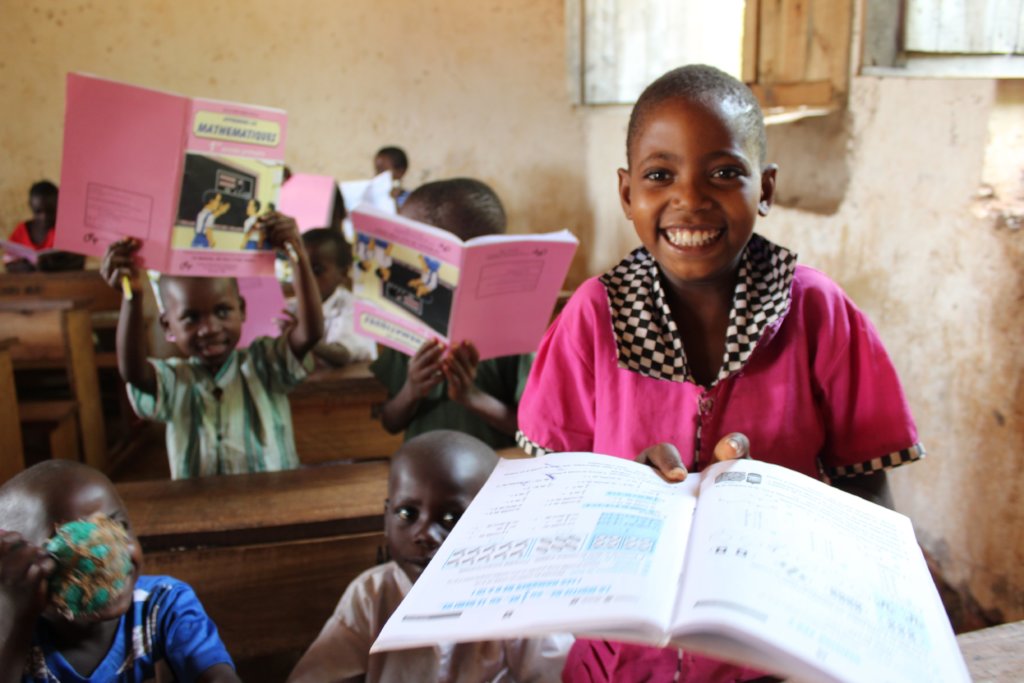
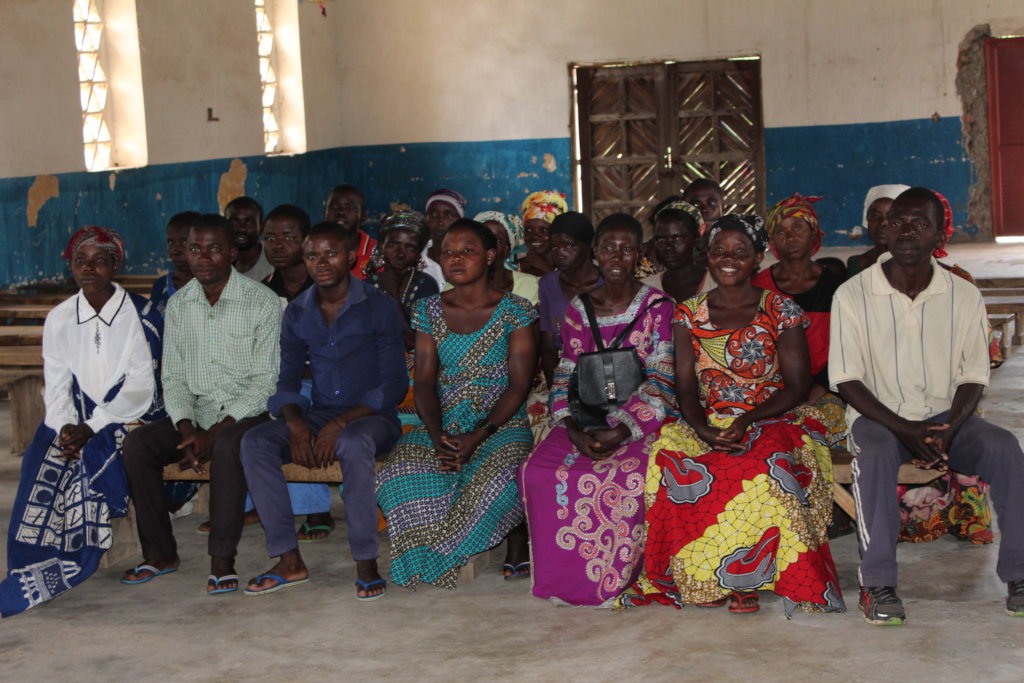
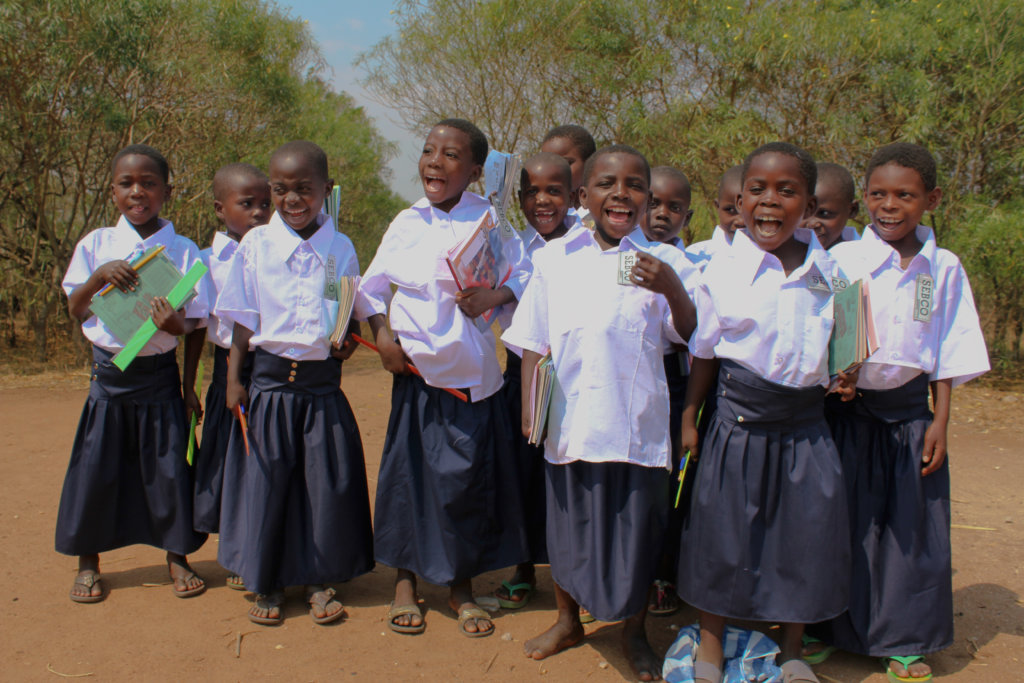
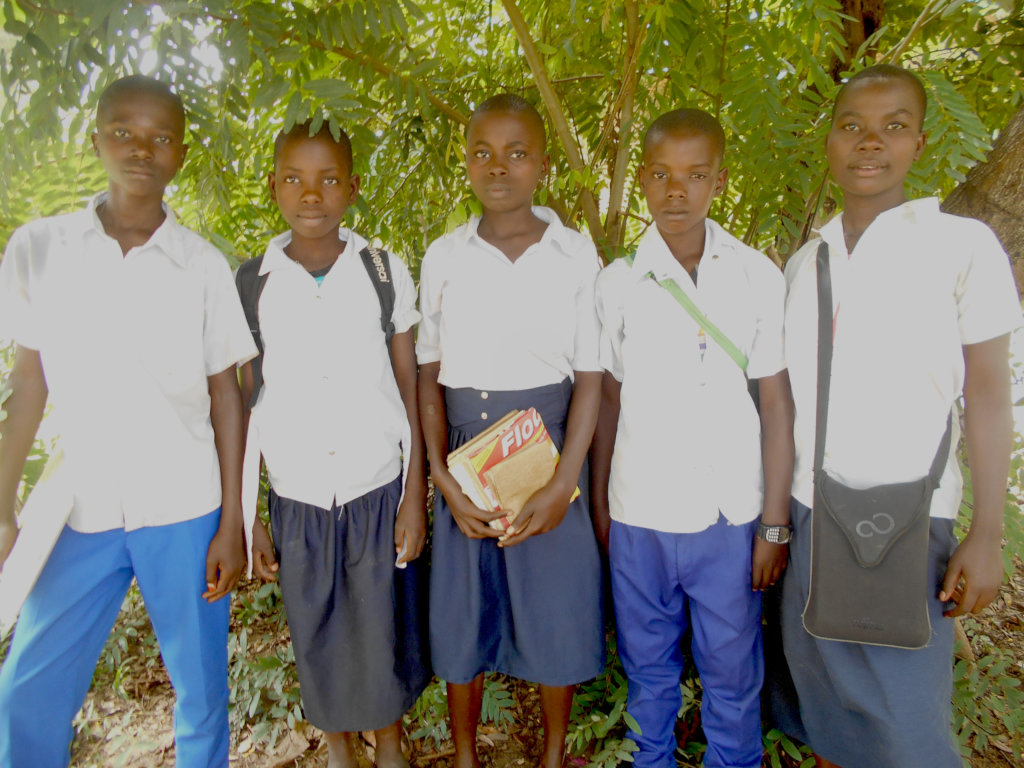
Fall 2018 marked our second year of supporting students who completed primary education at Rwenena. The previous year, we learned that Rwenena’s efforts at offering secondary education solely for our students were ineffective. For the current school year, our secondary school students attend the highly esteemed Vijana Institute, located in the larger village of Luberizi, 14 kilometers (8.5 miles) from Rwenena. Daily walks to and from this school are not feasible. In exchange for school fees and materials for their children, Rwenena parents and other responsible adult caretakers agreed to procure safe, trusted lodging alternatives for our students in Luberizi. So far, all appear to be adjusting well. Our team has found the Vijana headmaster well qualified, kind, and understanding of the life circumstances of our students. We await outcomes of their academic progress.
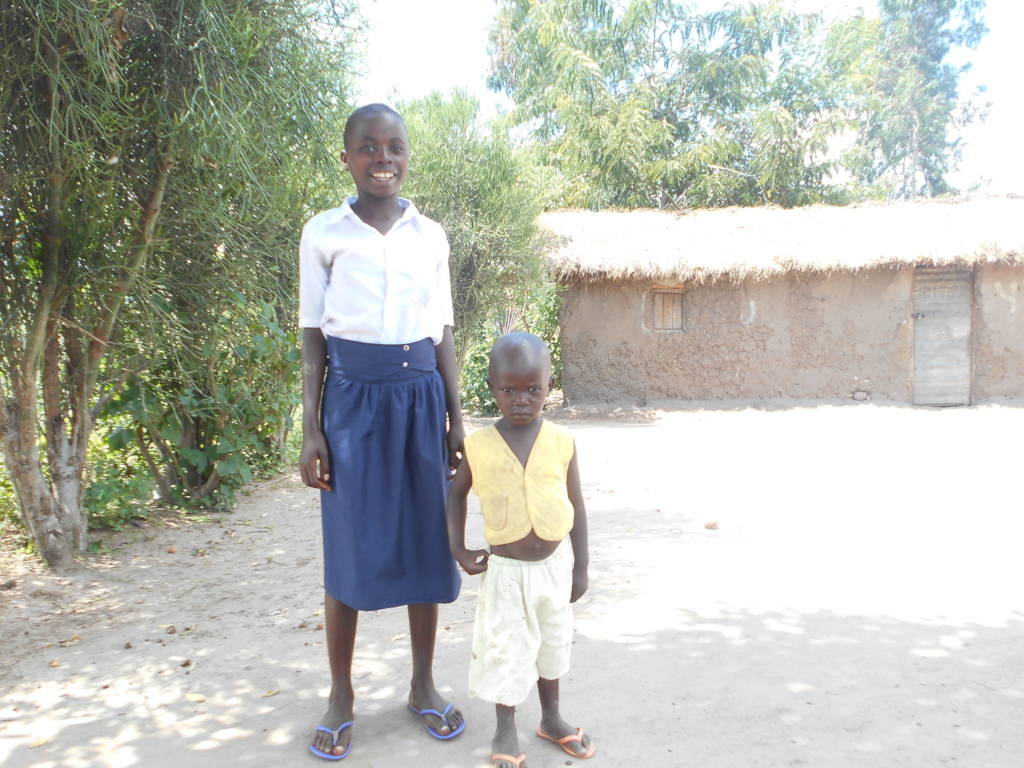
Maombi has a second uncle in Luberizi. She currently lives with him, his wife, and their young son. Thanks to Maombi's responsible care of her cousin after school, the boy no longer spends that time with his parents in the fields.
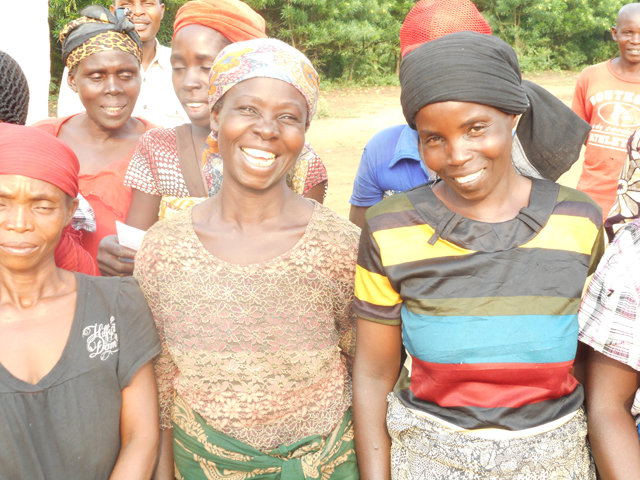
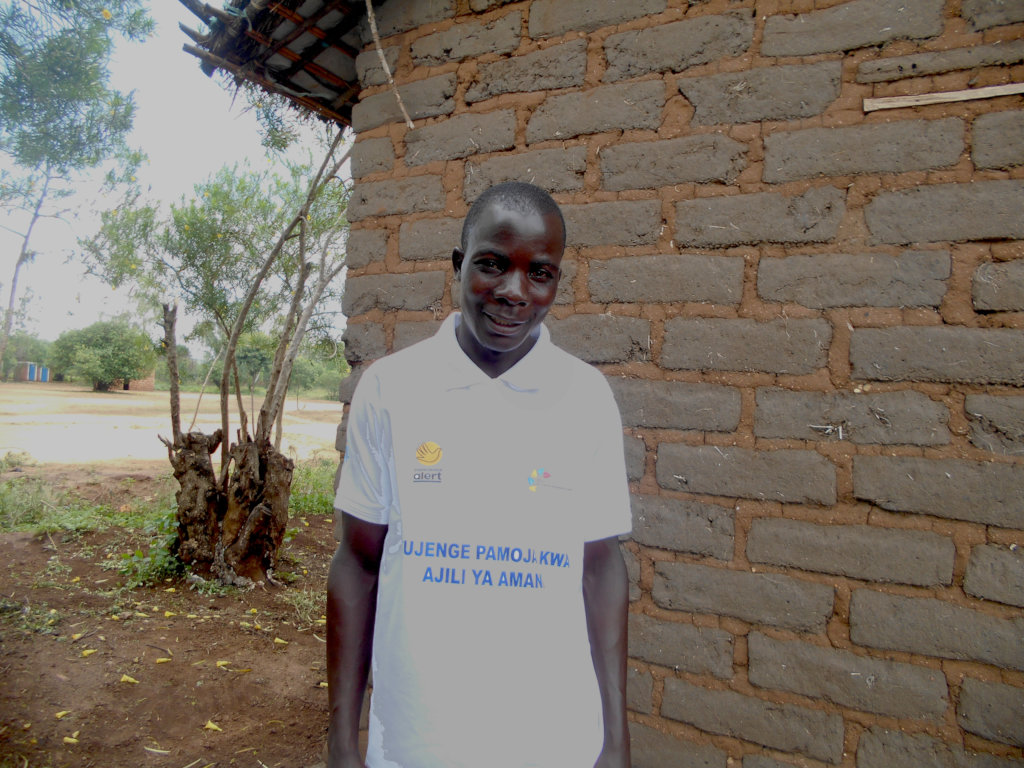
As for Maombi's Rwenena uncle, Mashebula expresses profound thanks to you, the donors, who make it possible for students like Maombi to continue their studies. He refers to the program as “a big star that has fallen here in Rwenena, and my daughter [niece] Maombi profits from it. She studies by the grace of God. For my part, I will tell her to continue her studies—as she would like—to become a doctor to serve our area. We have very few doctors and are badly in need of more.”
In his call for new local doctors, Mashebula suggests that Maombi and any other qualified girl or boy have the potential to fill this need. Therefore, girls as well as boys need education for the common good. There is no place for gender discrimination—only for gender inclusion. How appropriate that this year’s International Women's Day 2019 campaign theme, #BalanceforBetter, supports the global need for a gender-balanced world!
In affirming the value of education for girls (as well as boys), Mashebula demonstrates that our work and our messages are increasingly impactful. He and others are becoming well positioned as advocates for positive, internal community change.
We are grateful for donors like you who make our impact possible. Please continue your generous support so that Maombi and others like her can continue to be motivated to succeed in school and in life.
Project reports on GlobalGiving are posted directly to globalgiving.org by Project Leaders as they are completed, generally every 3-4 months. To protect the integrity of these documents, GlobalGiving does not alter them; therefore you may find some language or formatting issues.
If you donate to this project or have donated to this project, you can receive an email when this project posts a report. You can also subscribe for reports without donating.